
 English
 عربى
عربىTarp for Truck Cover




Content
PVC high speed door fabric is the flexible curtain material used in rapid roll-up and high-speed industrial doors — the fast-cycling access systems installed at warehouse entrances, cold storage facilities, cleanrooms, food processing plants, and logistics hubs. Unlike conventional sectional steel doors or rigid panel shutters, high-speed doors rely entirely on a flexible fabric panel that can roll up, fold, or retract at speeds of 0.8 to 3.0 meters per second, enabling continuous pedestrian and forklift traffic without the thermal, contamination, and productivity losses associated with slow-operating doors.
The fabric is the most technically demanding component of the entire high-speed door assembly. It must simultaneously be flexible enough to roll and unroll thousands of times per day without fatigue cracking, strong enough to resist wind pressure and accidental impact without tearing, thermally insulating enough to maintain temperature separation between adjacent zones, and visually transparent in defined window zones to enable safe pedestrian awareness. PVC — polyvinyl chloride — compounded with specific plasticizers, stabilizers, and reinforcing fabrics meets this demanding combination of requirements better than any competing material at commercially viable cost, which is why it dominates the high-speed door fabric market globally.
High-performance PVC door fabric is not a simple extruded sheet. It is a composite material constructed from multiple functional layers that together deliver the required combination of mechanical strength, flexibility, surface durability, and thermal performance. Understanding this construction helps procurement engineers and facility managers evaluate competing products on a technical basis rather than on price alone.
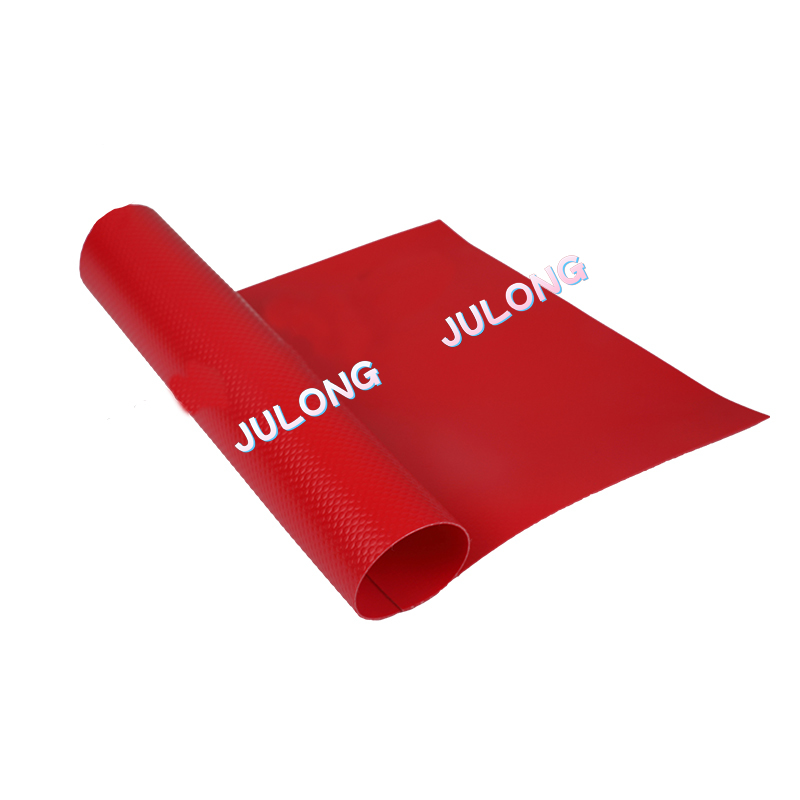
The structural core of high-speed door fabric is a woven polyester scrim — a grid-like mesh of high-tenacity polyester yarns woven in both warp and weft directions. The scrim provides the tensile strength and dimensional stability that prevents the fabric from stretching or tearing under wind loads and mechanical tension during door operation. Scrim density and yarn count are key quality differentiators: higher yarn counts per centimeter and heavier denier yarns produce fabric with significantly higher tear and tensile strength. Premium high-speed door fabrics use scrim constructions with tensile strengths exceeding 3,000 N per 5 cm strip in both directions, compared to 1,200–1,800 N for entry-level materials.
The polyester scrim is coated on both sides with plasticized PVC compound applied under heat and pressure to fully encapsulate the scrim yarns and create a continuous, impermeable surface. The PVC coating provides the fabric's weather resistance, chemical resistance, and surface cleanability. Coating weight — measured in grams per square meter (gsm) — determines the thickness of PVC surrounding each scrim yarn and directly affects the fabric's abrasion resistance, cold flexibility, and resistance to delamination over time. Total fabric weight in finished high-speed door panels typically ranges from 650 gsm to 1,400 gsm depending on the application requirements.
The outer surface of the PVC coating is typically treated with a topcoat formulation that modifies the surface properties for the intended environment. Anti-static topcoats reduce dust attraction in cleanrooms and electronics manufacturing facilities. Anti-microbial surface treatments — incorporating silver ions or other biocidal agents — inhibit bacterial and mold growth on the fabric surface in food processing and pharmaceutical environments. UV-stabilized topcoats extend the service life of fabrics installed in outdoor or high-UV-exposure locations. Low-friction topcoats reduce wear at the fabric-to-guide rail interface, extending both fabric and guide rail service life.
When specifying or comparing PVC high speed door fabric, the following technical parameters define real-world performance. These should be requested as documented test data from the fabric manufacturer, not simply accepted as nominal values from a product datasheet.
| Parameter | Test Standard | Typical Value Range | Significance |
| Total fabric weight | ISO 2286-2 | 650–1,400 gsm | Indicator of overall material volume |
| Tensile strength (warp / weft) | ISO 1421 | 1,500–4,500 N/5cm | Resistance to tearing under load |
| Tear strength | ISO 4674-1 | 200–800 N | Resistance to propagating tears from cuts |
| Cold flexibility | EN 1876 | −30°C to −40°C | Crack-free operation in cold stores |
| Thermal transmittance (U-value) | ISO 6946 | 5.0–7.5 W/m²K | Thermal separation performance |
| Flame retardancy | EN 13501-1 / DIN 4102 | Class B-s2,d0 / B1 | Fire safety compliance |
| Visible light transmission (window) | ISO 9050 | 70–85% VLT | Visibility through transparent zones |
| Hydrolysis resistance | EN ISO 1419 | ≥ 12 weeks at 70°C / 95% RH | Durability in humid environments |
Cold flexibility is particularly critical for cold storage and freezer room applications. Standard PVC compounds stiffen and eventually crack below approximately −10°C, which would cause rapid fabric failure in a door cycling hundreds of times per day at −25°C or lower. Specially formulated cold-grade PVC compounds — using low-temperature plasticizer systems — maintain flexibility down to −40°C without loss of mechanical integrity, and this specification must be explicitly confirmed for any cold storage door fabric procurement.
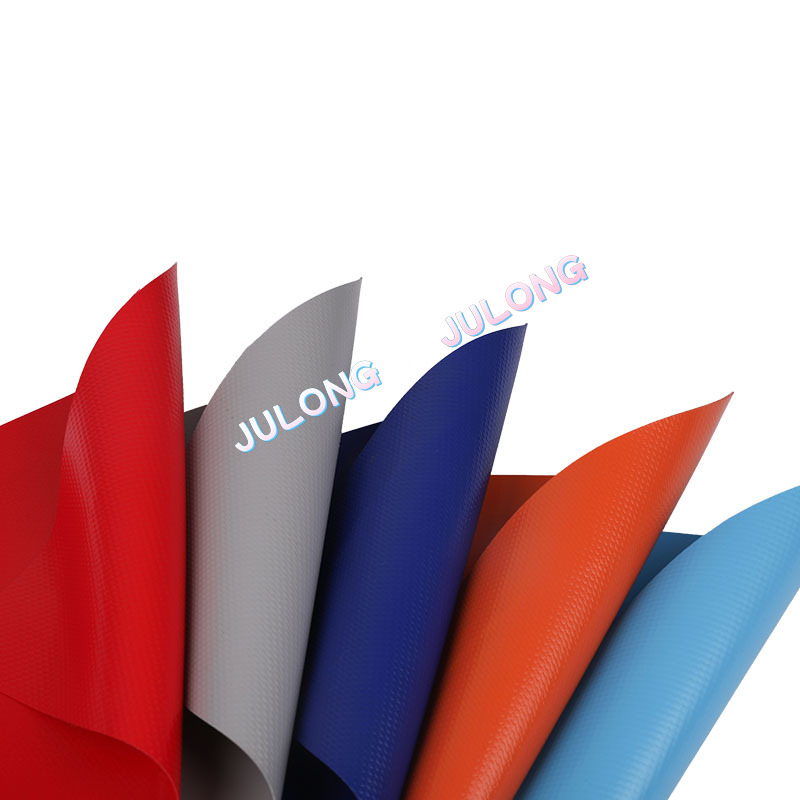
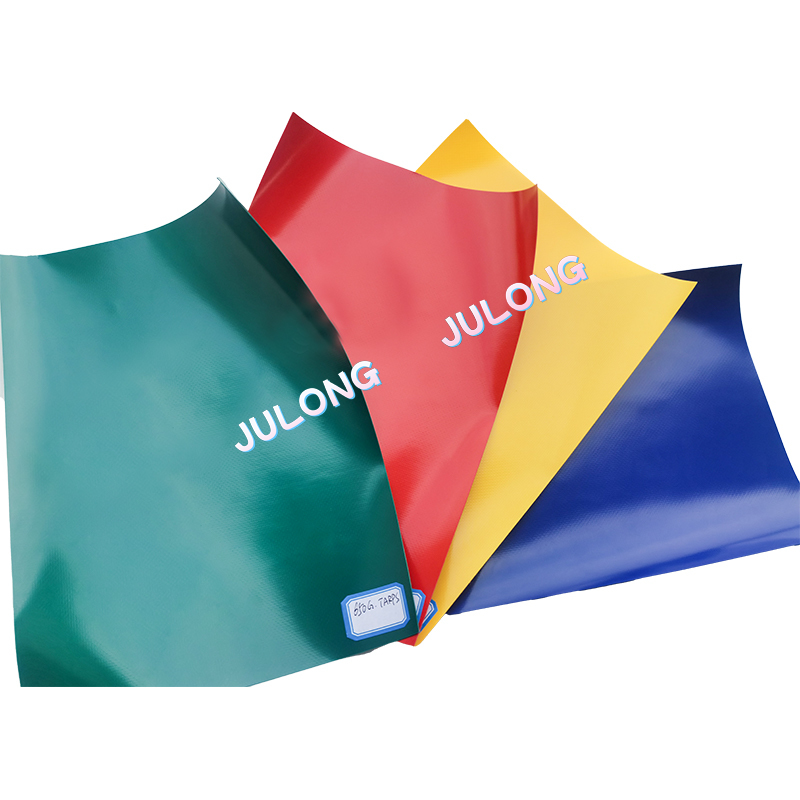
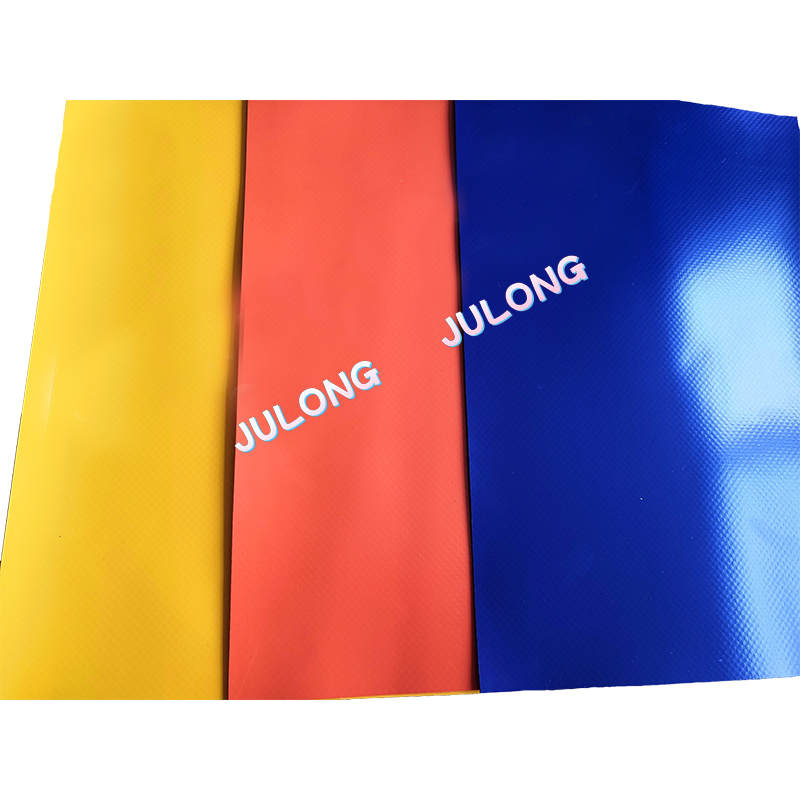
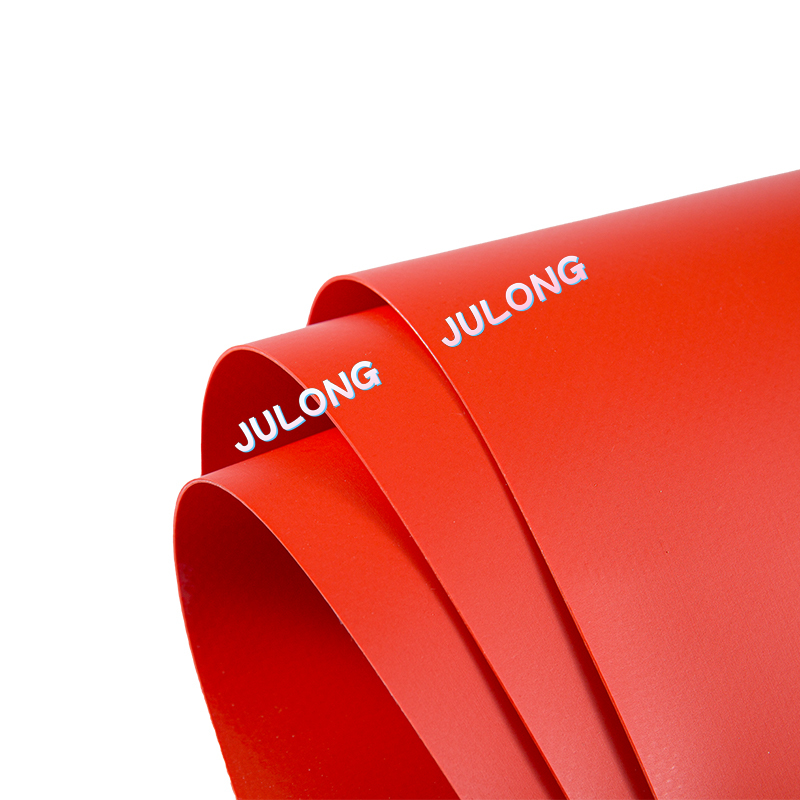
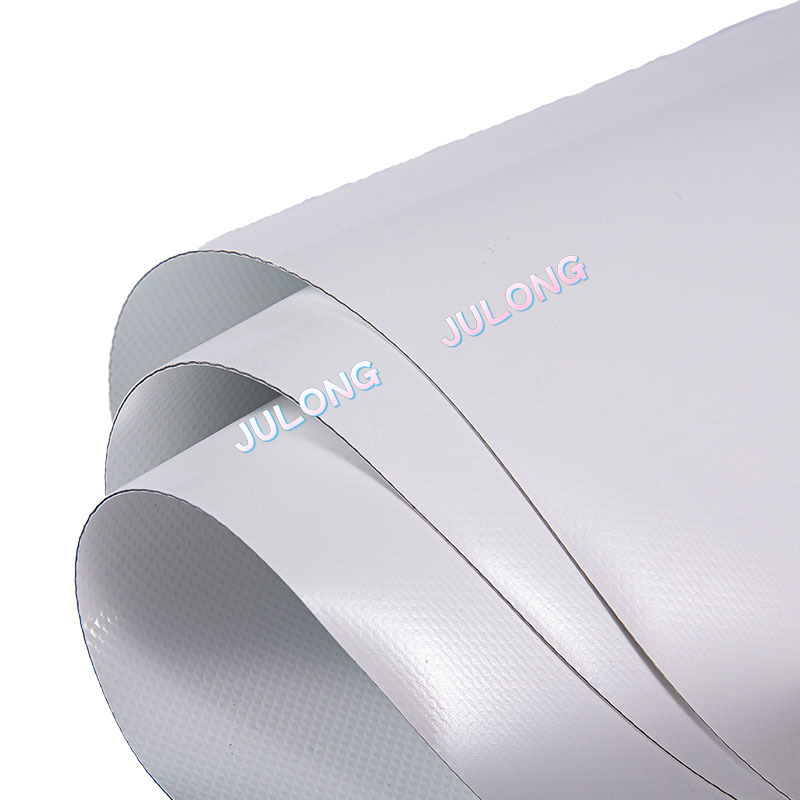
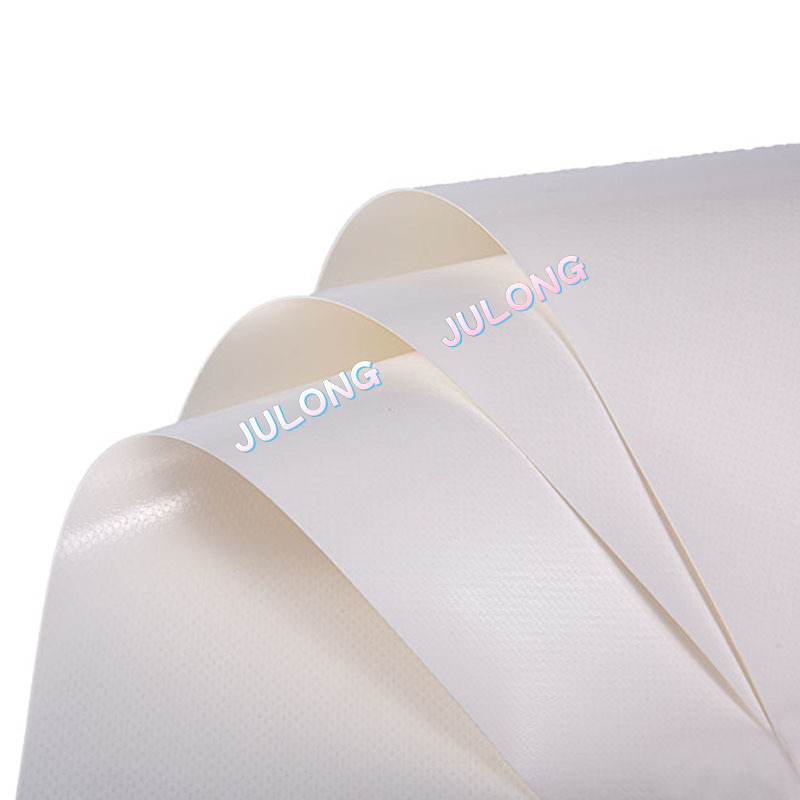
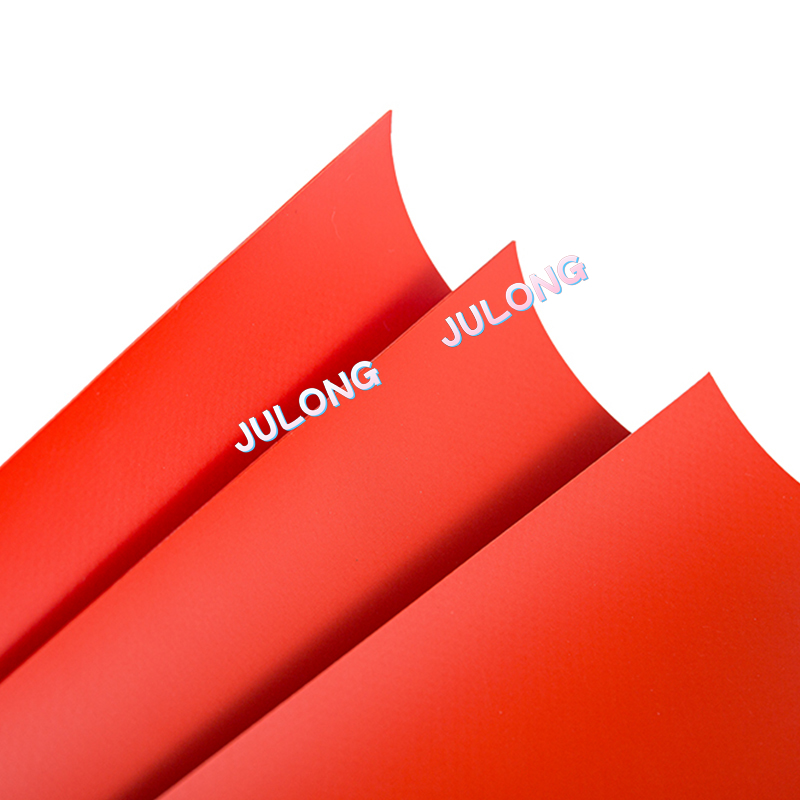
PVC high speed door fabric is available in a range of standard colors — most commonly white, grey, yellow, orange, and blue — as well as custom colors matched to facility branding or safety color coding requirements. Color selection affects more than aesthetics: yellow and orange fabrics provide high-visibility warning cues for forklift operators approaching from the non-door side, which is a meaningful safety consideration in high-traffic logistics environments. White fabrics reflect more light into the work area, improving ambient illumination near the door opening.
Transparent vision panels are an essential safety feature of high-speed door fabric, enabling personnel on each side of the door to see approaching traffic before the door opens. These panels are fabricated from clear or lightly tinted PVC film — typically 1.0 mm to 2.0 mm thick — that is RF-welded or thermally bonded into cutouts in the main fabric panel. Vision panel dimensions, positioning, and VLT values must comply with the machinery safety requirements of EN ISO 13857 and the specific door manufacturer's safety analysis for each installation. Panels positioned at standing eye level (approximately 1.5–1.7 m) and forklift operator eye level (approximately 1.0–1.2 m seated) are standard in most high-traffic door designs.
Different industries impose distinct performance requirements on high-speed door fabric, driven by their specific environmental conditions, hygiene standards, and regulatory frameworks. Understanding these requirements is essential for correct fabric specification.
Food manufacturing environments require door fabrics that are resistant to repeated high-pressure washdowns with hot water, steam, and caustic cleaning agents — conditions that will rapidly degrade inadequately stabilized PVC compounds through plasticizer extraction and surface embrittlement. Food-grade PVC door fabric must be formulated without restricted plasticizers (phthalate-free) and without heavy-metal stabilizers, complying with food contact material regulations such as EU Regulation 10/2011 or FDA 21 CFR. Anti-microbial surface treatments are strongly recommended to inhibit biofilm formation on the fabric surface between cleaning cycles.
In pharmaceutical manufacturing and cleanroom facilities classified to ISO 14644 standards, high-speed door fabric must minimize particulate generation and resist chemical wiping with IPA and other disinfectants. Anti-static fabric compounds prevent electrostatic charge accumulation that would attract airborne particles to the door surface and disturb cleanroom air flow patterns. Surface smoothness — measured as low Ra values — reduces particle entrapment and makes the fabric easier to decontaminate. Some pharmaceutical facility standards also mandate that the door fabric color be white or light grey to facilitate visual inspection for contamination.
Cold store doors operating at temperatures between −18°C and −30°C subject the door fabric to the most demanding thermomechanical conditions in the entire high-speed door market. Beyond cold flexibility, the fabric must resist condensation-induced ice formation at the fold lines and guide rail interfaces, maintain dimensional stability despite the large temperature differential between the cold store interior and the ambient loading dock exterior, and retain adequate tensile strength even when cold-stiffened to avoid catastrophic failure under wind gust loads. Heavier fabric constructions — typically 900 gsm and above — with high-density scrim reinforcement and cold-grade PVC compounds are the standard specification for freezer store applications.
Automotive assembly plants and paint finishing lines use high-speed doors to separate dust-controlled zones and manage airflow between paint spray booths and adjacent areas. In these applications, the door fabric must generate zero particulate shedding, be resistant to paint overspray and solvent vapors, and be static-dissipative to prevent electrostatic discharge that could interfere with paint adhesion or create ignition risks in solvent-laden atmospheres. ATEX-rated antistatic fabric constructions with surface resistivity values of 10⁴ to 10⁹ Ω/square are specified for zones classified as potentially explosive atmospheres under ATEX Directive 2014/34/EU.
PVC high speed door fabric has a finite service life determined by the number of operating cycles, the severity of the operating environment, and the quality of the fabric construction. High-cycle logistics doors in distribution centers may complete 300 to 500 operating cycles per day, accumulating over 100,000 cycles per year. Premium fabric constructions from leading manufacturers are rated for 1,000,000 to 2,000,000 cycles before replacement is required, translating to 10 to 20 years of service in typical applications. Budget fabric constructions may reach end of life in 3 to 5 years under the same conditions.
The PVC coated fabric market includes a wide spectrum of product quality, and high-speed door fabric is no exception. Procurement decisions based solely on price per square meter frequently result in premature fabric failure, increased maintenance costs, and facility downtime that far exceeds any initial cost saving. Establishing a robust quality assurance framework when sourcing PVC door fabric is therefore essential for facilities where door availability directly impacts operational throughput.
Request full material test reports — not just product datasheets — that document test results against the specific ISO and EN standards listed above. Verify that test reports are dated within the past two years and reference the specific fabric construction being supplied, not a generic product family. For food, pharmaceutical, and ATEX-classified applications, require copies of the relevant third-party certifications — EU food contact declarations, cleanroom compliance reports, or ATEX certificates — as these confirm that the fabric has been independently evaluated against the regulatory requirements of the target application environment.
Establish clear incoming inspection criteria for fabric rolls at delivery, including weight per square meter verification, thickness measurement, visual inspection for coating defects, and confirmation of roll dimensions and color consistency. Batch traceability documentation — linking each supplied roll to a production batch with associated test data — is a standard quality assurance requirement for regulated industries and enables rapid identification and quarantine of non-conforming material if quality issues emerge after installation.

Win-win cooperation with new and old customers, create the future.

No. 9, Xingang Avenue, Ningguo City, Anhui Province, China.


+86 15397280550
Copyright © Anhui Longsheng New Material Technology Co., Ltd. Architecture Membrane Material Manufacturers Outdoor PVC Waterproof Fabric Supplier
