

Request A Quote
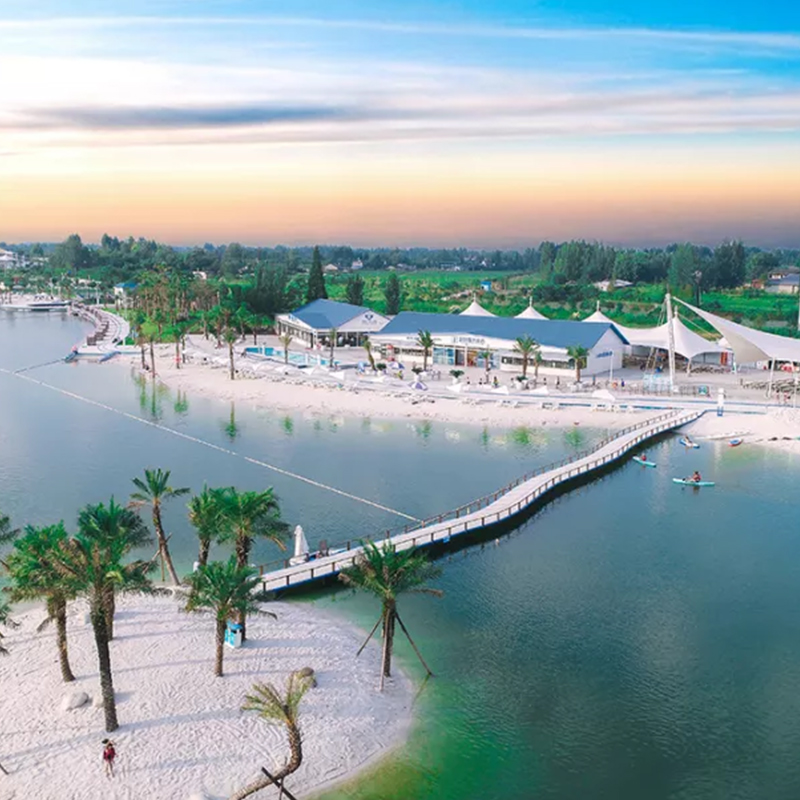
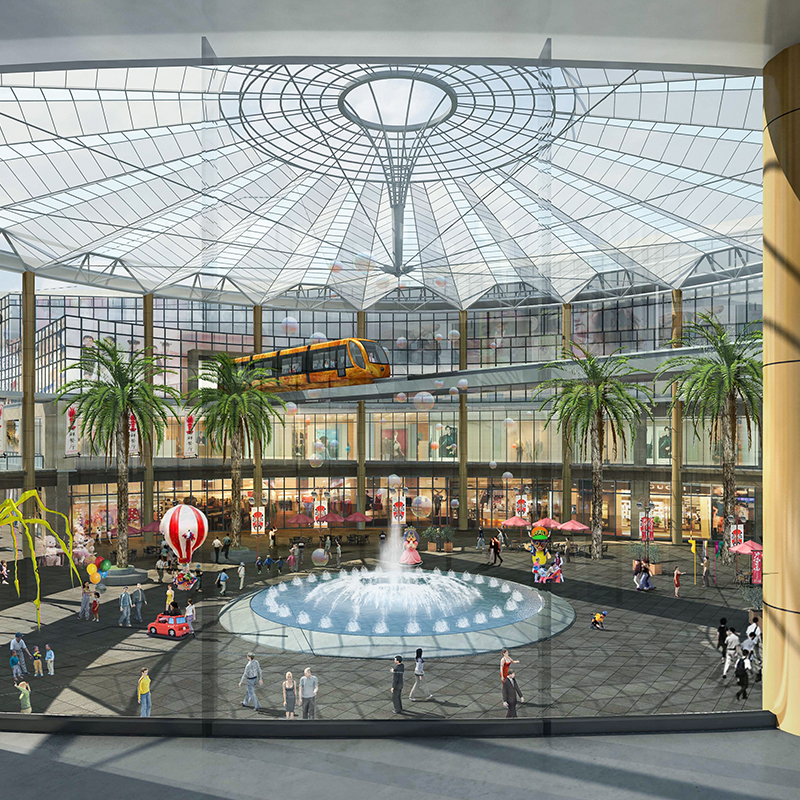
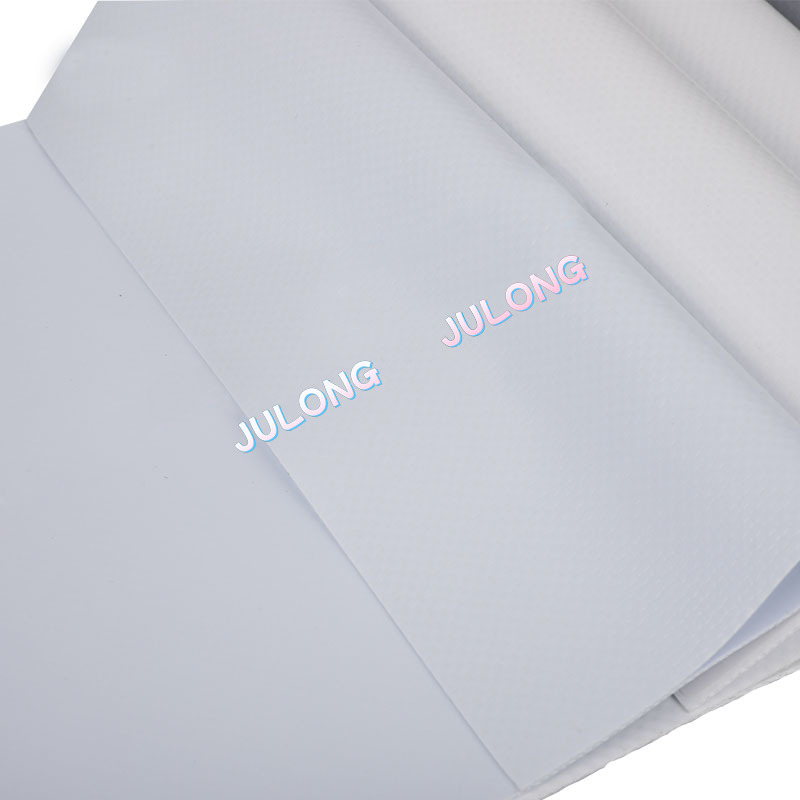
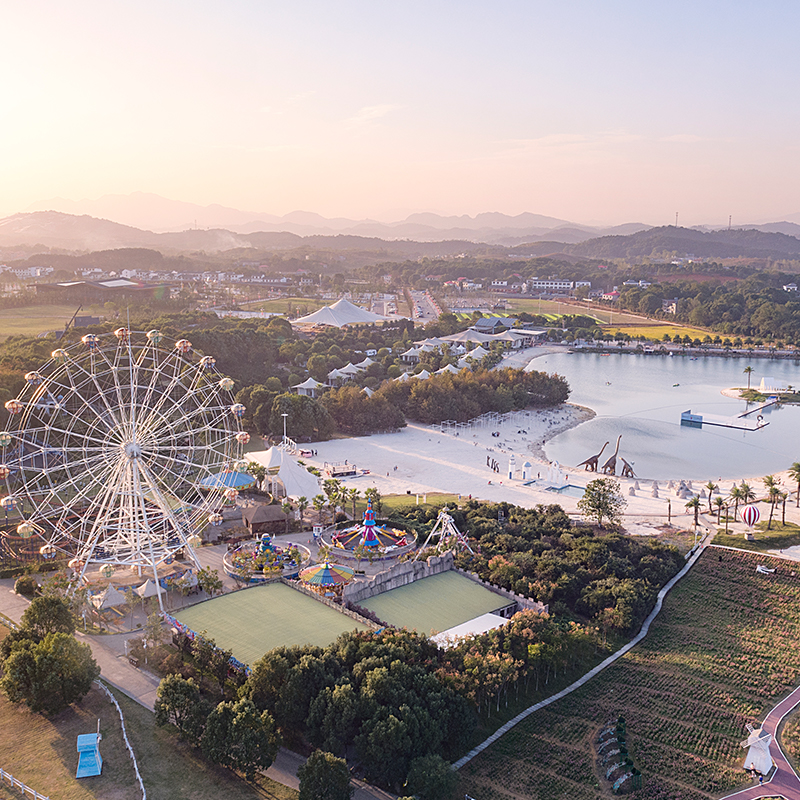
This type of product is mainly used in the field of membrane structures, such as landscape membrane structures, parking sheds, shopping mall sunshades, swimming pool roof membrane structures, sports venues, sports stands, airports, toll booths, sewage tank covers, and other membrane structure buildings. The membrane material is usually PVDF treated and can be used for more than 15 years. It has a good self-cleaning effect, excellent yellowing resistance, and aging resistance, can greatly improve the aesthetic feeling of the overall building, and has a low cost. It is the best choice for outdoor semi-permanent buildings.
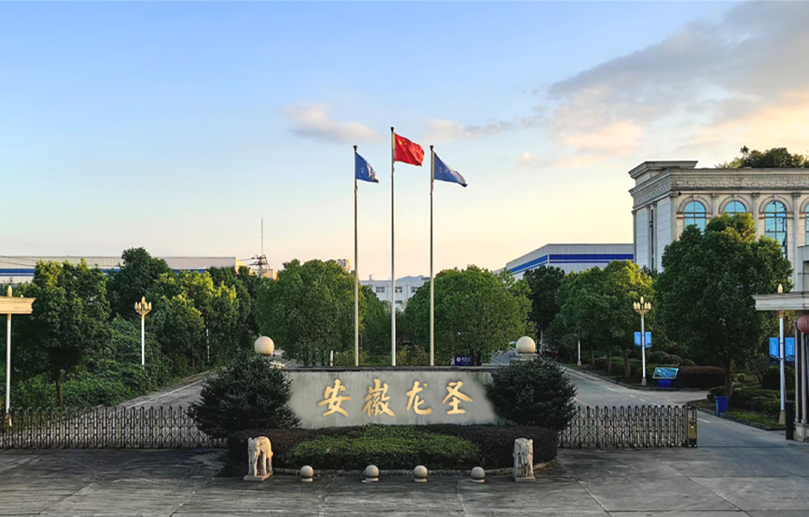
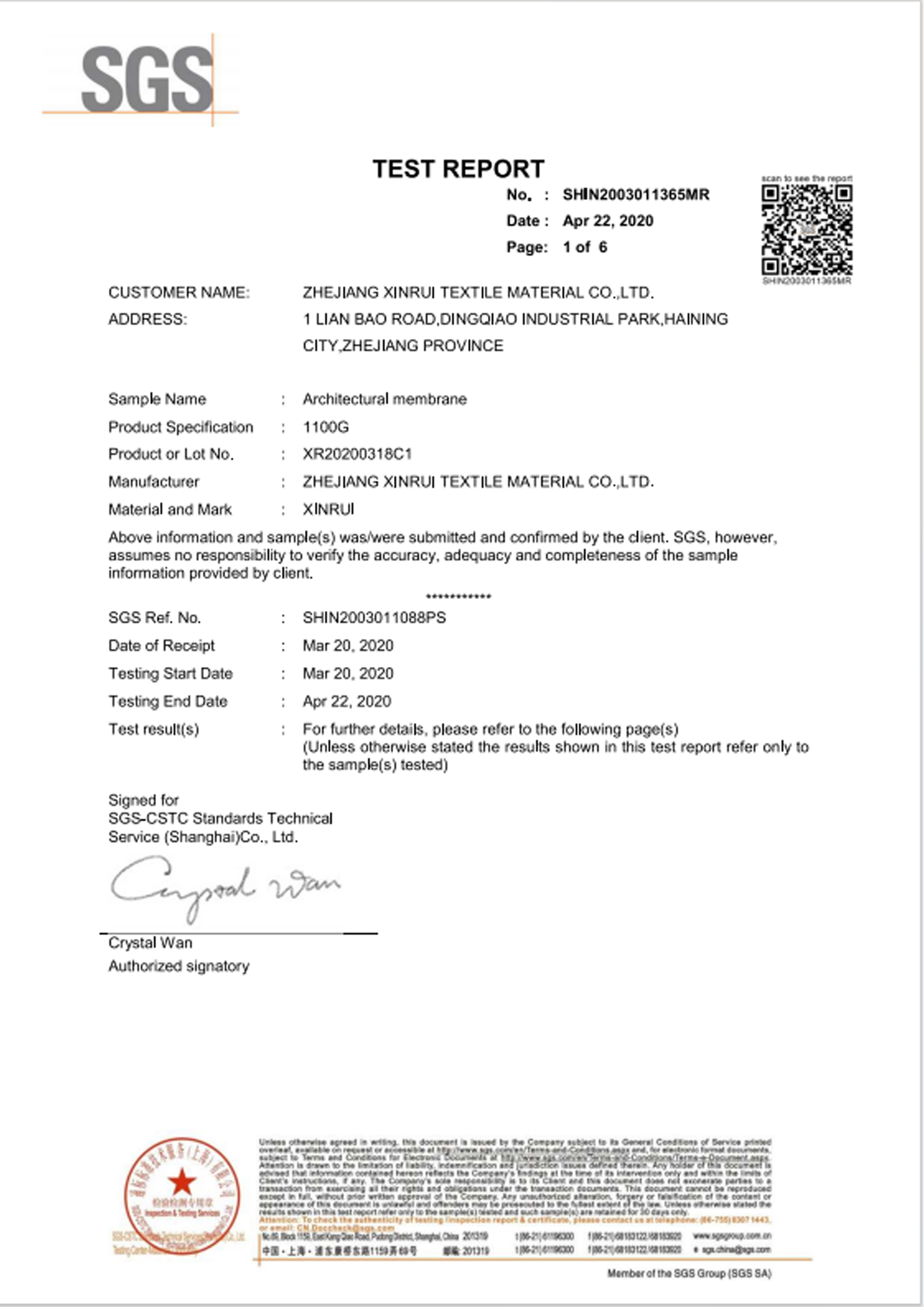
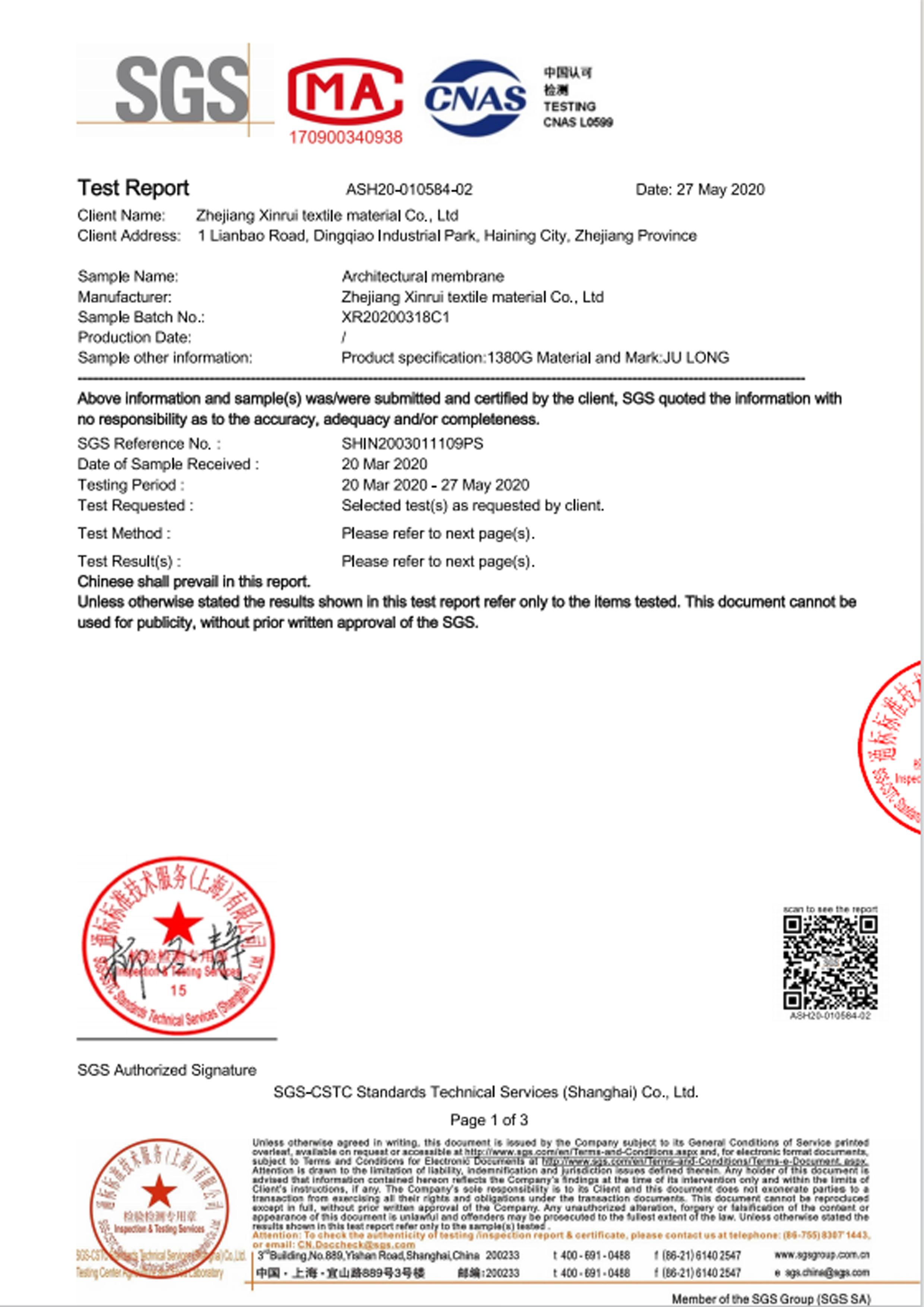
Anhui Longsheng New Materials Technology Co., Ltd. and Zhejiang Xinrui Textile Materials Co., Ltd. were established in 2010. The company specializes in the production of PVC coated fabric, PVC mesh fabric, TPU mesh fabric, mesh fabric and architectural film. The company is located in Qianjiang Industrial Park, Haining City. Since its establishment, it has been committed to the research, development, production and sales of high-quality architectural films or coated fabrics. As Tensile Architecture Membrane Fabric Manufacturers and Tensile Membrane Structure Fabric Factory in China, The company has developed and produced products such as ultra-high strength membrane materials, anti-sweating, high light transmittance ultra-transparent membranes, sewage environmental protection membranes, and titanium dioxide membranes. Adopting the advanced technology in the field of European membrane materials, our products are sold well both at home and abroad and have received unanimous praise from customers. Our company's membrane products have been widely applied in large public facilities, such as park landscape buildings, carports, inflatable membrane structures, large sports venues, airport facilities and other construction fields. We supply Wholesale Tensile Membrane Structure Fabric. The company has always adhered to the business philosophy of striving for excellence and continuous innovation. Relying on advanced equipment and technology, as well as a forward-looking scientific research spirit, it produces high-quality products, and strives for win-win cooperation with both new and old customers to create a bright future together.
When a municipal sports department in a northern Chinese city needed an indoor tennis facility, it had three options: a rigid steel frame building, a tensioned...
View MoreWhen you specify a roof for a sports arena or a canopy for a transit hub, the material that spans the space is not ordinary canvas. It is an architectural fabr...
View MoreAn entrance canopy spanning 40 feet can look elegant and perform flawlessly for decades when the membrane and support steel are matched to the real wind and sn...
View MoreWalk through the lower bowl of a modern professional stadium and you will likely look up at a translucent, pillow-like roof that lets daylight wash over the se...
View MoreTensile architecture membrane refers to specialized fabric materials engineered to serve as the primary structural and weatherproofing skin for tensile membrane structures. Unlike conventional roofing systems that rely on rigid panels supported by dense frameworks, tensile membrane fabric is stretched tightly across cables, masts, or arches so that the material itself carries structural loads while enclosing the space beneath it. This approach allows architects to create expansive, column-free interiors that would be difficult or prohibitively expensive to achieve with traditional building materials.
The performance of any tensile structure depends heavily on the quality and specification of the membrane fabric used. Factors such as tensile strength, tear resistance, weather durability, and dimensional stability determine how well the structure will perform over its intended lifespan, particularly in demanding outdoor environments where wind, rain, snow, and prolonged sun exposure place continuous stress on the material.
Most tensile membrane fabrics consist of a woven base material, typically fiberglass or high-strength polyester, combined with a protective coating such as PTFE or PVC. The base fabric provides the tensile strength needed to withstand structural loading, while the coating shields the fibers from moisture, ultraviolet degradation, and chemical exposure. Together, these layers create a material that is lightweight yet capable of performing reliably for years under continuous outdoor stress.
Not all tensile membrane fabrics are created equal, and selecting the right type depends heavily on the intended application, budget, and expected service life of the structure. The table below outlines the primary fabric categories used across the industry and how they typically compare in terms of performance.
| Fabric Type | Typical Lifespan | Best Suited For |
| PTFE-coated fiberglass | 25 to 35 years | Permanent stadiums, airports, landmark buildings |
| PVC-coated polyester | 15 to 20 years | Mid-term canopies, event structures, walkway covers |
| ETFE film | 25 to 30 years | Skylights, greenhouses, translucent facades |
| Silicone-coated fiberglass | 20 to 25 years | Structures requiring high translucency and fire safety |
Choosing between these fabric types requires balancing upfront cost against long-term durability and maintenance needs. Projects intended as permanent architectural landmarks generally justify the higher cost of PTFE-coated fiberglass, while temporary or mid-term installations may be better served by more economical PVC-coated options.
When evaluating tensile membrane structure fabric, two mechanical properties deserve particular attention: tensile strength, which measures the fabric's resistance to stretching or breaking under load, and tear resistance, which measures how well the material resists propagating a tear once a small puncture occurs. Fabrics with high tear resistance are especially valuable in regions prone to severe weather, since they are less likely to fail catastrophically if damaged by debris or extreme wind events.
Tensile membrane structures have found widespread use across a variety of building types where large spans, lightweight construction, or distinctive design are priorities. The versatility of the fabric allows it to be adapted for both permanent architectural landmarks and temporary or semi-permanent installations.
Beyond structural efficiency, tensile membrane fabric gives architects considerable creative freedom. Because tensioned fabric naturally forms curved, sculptural surfaces, designers can create visually distinctive rooflines that would be far more difficult and costly to achieve using rigid materials such as steel or concrete. This design flexibility has made tensile membrane architecture a popular choice for buildings intended to serve as recognizable civic or commercial landmarks.
The long-term performance of any tensile membrane structure depends significantly on the quality of the fabric manufacturing process, including fiber weaving consistency, coating application uniformity, and quality control during production. Fabrics manufactured with inconsistent coating thickness or weak fiber weaving are more prone to premature cracking, delamination, or tearing, even if they initially appear similar to higher-quality alternatives.
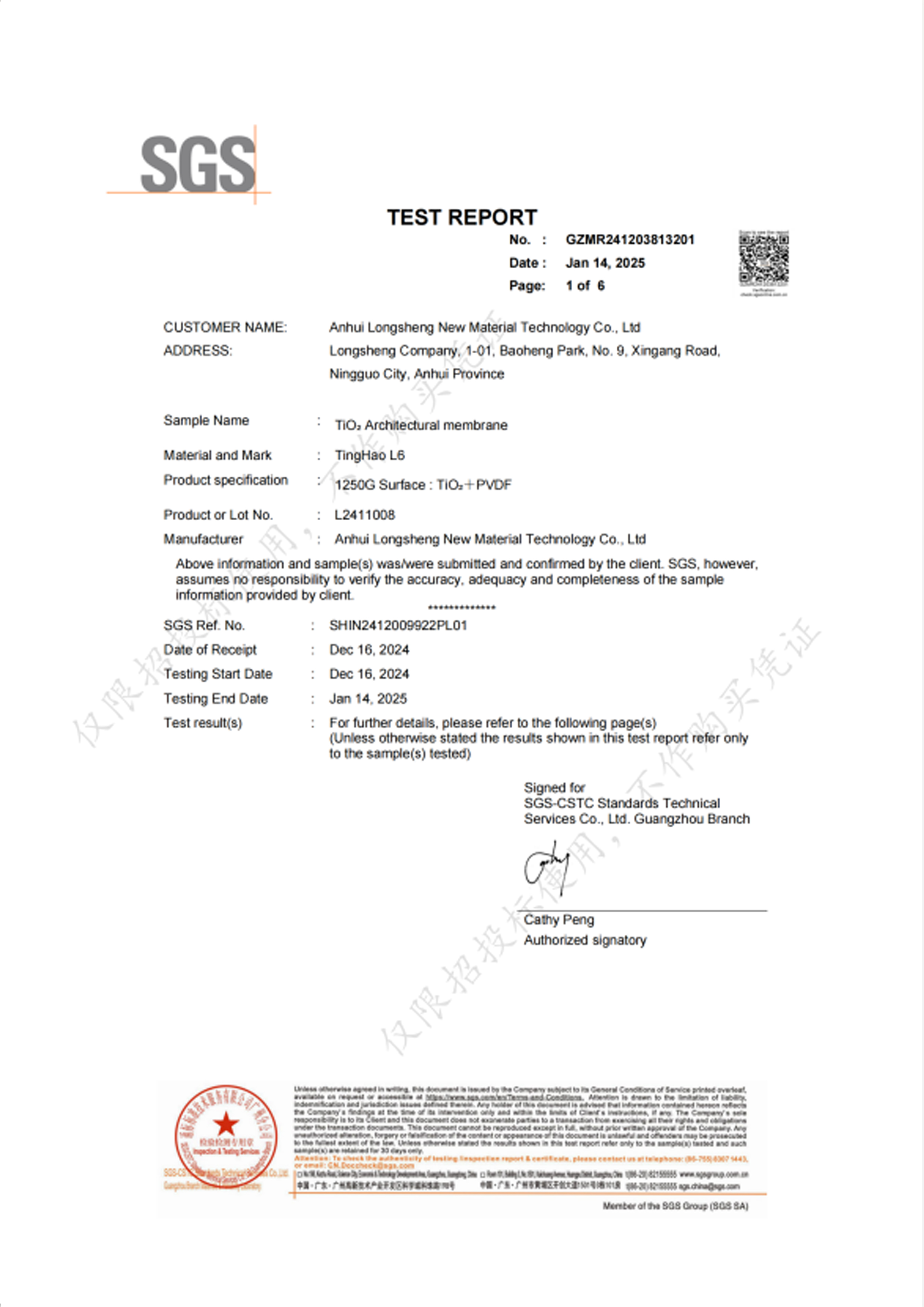
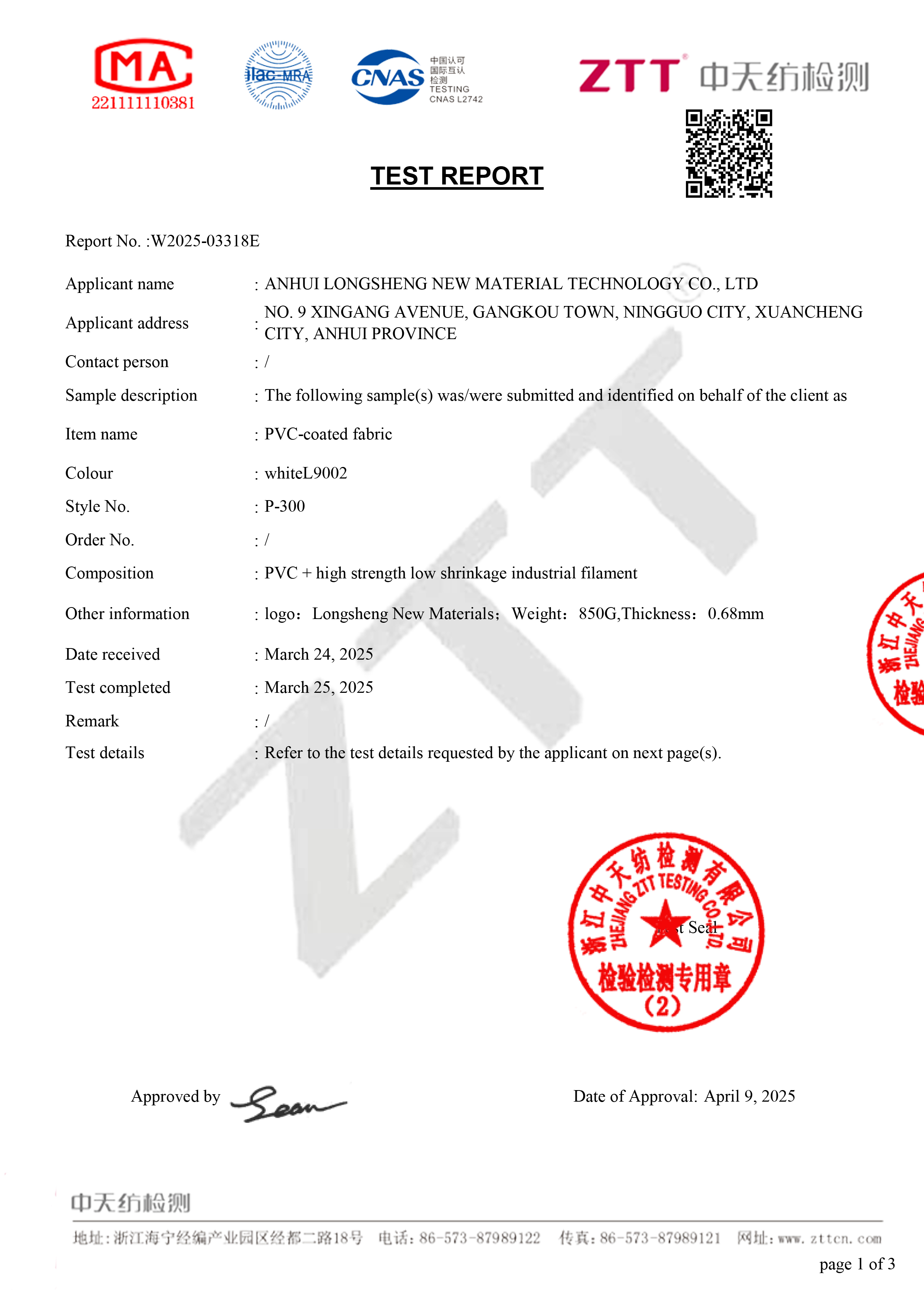
Anhui Longsheng New Material Technology Co., Ltd. specializes in producing tensile membrane structure fabric engineered for consistent performance across demanding architectural applications. By focusing on precise coating processes and rigorous quality control during manufacturing, the company aims to supply fabric that meets the strength, durability, and weather-resistance standards required for both large-scale permanent structures and versatile mid-term installations.
Buyers sourcing tensile membrane fabric should pay close attention to the manufacturing standards behind the product, not just the stated material specifications. Consistent weave density, precise coating thickness, and thorough testing for tensile strength and UV resistance are indicators of a manufacturer capable of delivering fabric that performs reliably throughout its intended service life, rather than degrading unpredictably after just a few years of exposure.
Choosing the right tensile architecture membrane for a specific project requires evaluating several practical factors beyond price alone. Making an informed decision early in the design process helps avoid costly performance issues after installation.
Following these steps helps ensure that the selected fabric aligns with both the architectural vision and the practical demands of the site, reducing the likelihood of premature wear or unexpected maintenance costs after installation.
Once installed, tensile membrane structures generally require less maintenance than conventional roofing systems, but periodic inspection remains important. Checking seams, tensioning cables, and edge clamping points on a regular schedule helps catch minor issues before they develop into structural concerns, extending the useful life of the fabric well beyond its baseline warranty period.
Tensile architecture membrane continues to be one of the most practical solutions for architects seeking large, open, and visually striking spaces without the weight and cost constraints of conventional construction. By carefully evaluating fabric type, manufacturing quality, and project-specific requirements, building owners and designers can select tensile membrane structure fabric that delivers dependable performance for decades. Working with experienced manufacturers such as Anhui Longsheng New Material Technology Co., Ltd. can help ensure that the fabric chosen meets the rigorous standards required for long-lasting, high-performing tensile architecture.
Win-win cooperation with new and old customers, create the future.

No. 9, Xingang Avenue, Ningguo City, Anhui Province, China.


+86 15397280550
Copyright © Anhui Longsheng New Material Technology Co., Ltd. Tensile Membrane Structure Manufacturers Tensile Architecture Membrane Factory


 English
 عربى
عربى PVC Tarpaulin
 PVC Coated Fabric
 PVC Coated Mesh Fabric
 PVC Coated Marquee Tent Fabric
 Tensile Architecture Membrane Fabric
 PVC High Speed Door Fabric