
 English
 عربى
Tarp for Truck Cover




Content
A fabric structure design is usually judged by its silhouette, but it is made or broken by decisions nobody photographs: the direction of the seams, the depth of the valley that drains the roof, the weight of the base cloth under the pre-stress the form demands. Get those right and the membrane looks effortless. Get them wrong and the same membrane will flap, pond, or fail inspection.
We work on the manufacturing side of that equation every day, coating polyester cloth for canopies, tents, facades and shade. What follows is how we would walk a designer or a project engineer through the subject — the textile half and the architectural half, and the places where the two have to meet.
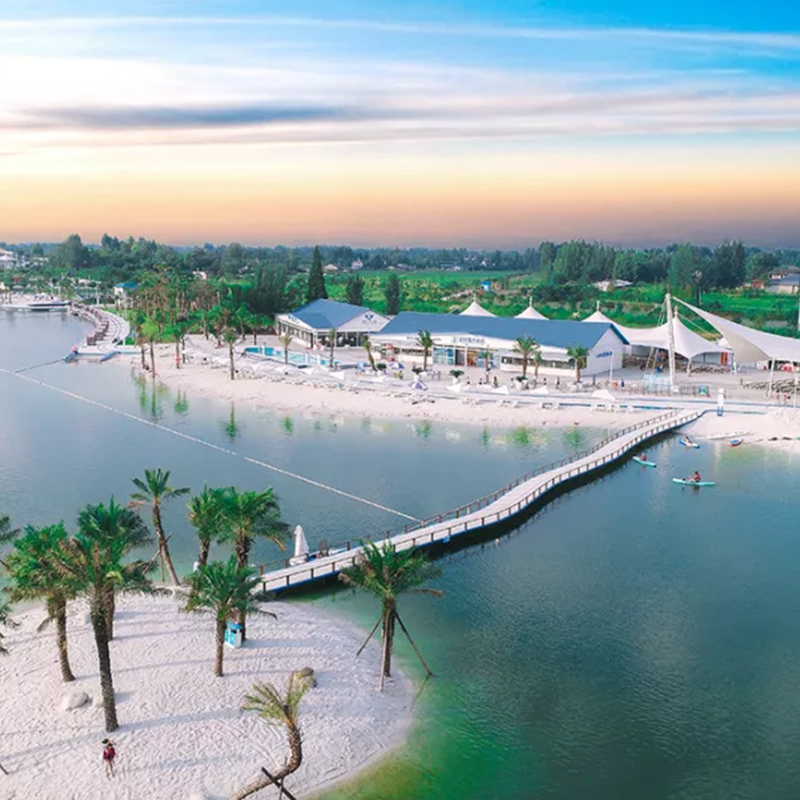
The phrase carries two meanings, and both are live on a real project. In architecture, a fabric structure is a lightweight form that carries load through tension in a flexible membrane rather than through bending in rigid panels. In textiles, fabric structure refers to the order in which warp and weft interlace to make the cloth in the first place. The second meaning quietly sets the limits of the first.
Most projects move through five stages, and the order matters:
Skip a stage and the missing work does not disappear. It reappears as a wrinkle, a puddle, or a repair programme.
Specifiers often start with weight in grams per square metre, but the cloth beneath the coating does most of the structural work.
Most architectural membranes use a polyester base, woven in plain or basket weave from high-tenacity yarns. Yarn count and pick density set tensile strength and tear resistance, while the weave pattern influences how the cloth behaves when pulled diagonally — which is exactly how a tensioned membrane loads it. For open structures a mesh weave is used instead, and its openness factor, the share of the surface that is actually hole, becomes the number that controls shade, airflow and see-through.
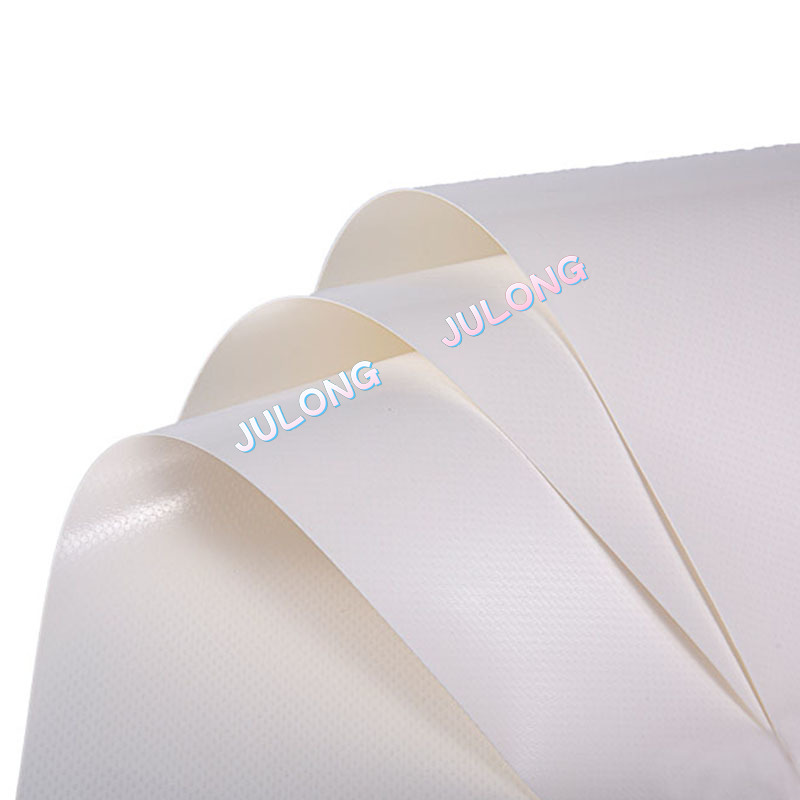
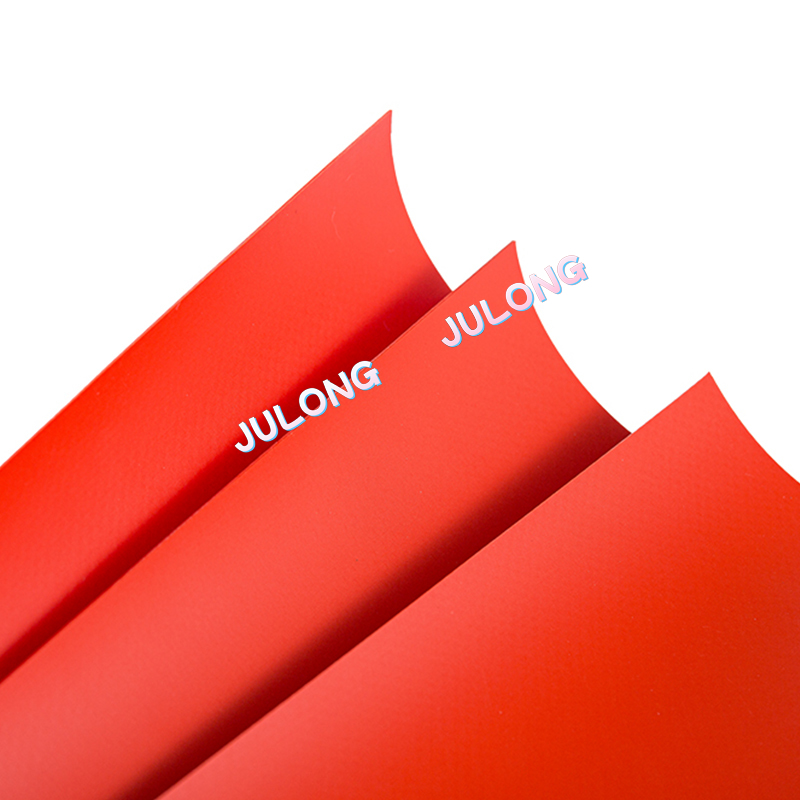
PVC coating is applied to both faces, sealing the weave and bonding the yarns so the sheet behaves as a composite. A topcoat then handles the weather-facing side. PVDF topcoats hold gloss and colour longer and resist dirt pickup; acrylic topcoats cost less and suit shorter service lives. The base PVC formulation carries the flame retardants, UV stabilisers and plasticisers that decide how the sheet ages in real sunlight.
Every material family trades something for something else. This is a rough map of where the mainstream options sit, and the advantages of PVC membrane cloth are a sensible starting point for the coated-fabric side of the table.
| Material | Typical weight | Light transmission | Expected service life | Where it fits |
|---|---|---|---|---|
| PVC-coated polyester | 500–900 g/m² | 5–15% | 10–15 years | Tents, warehouses, temporary and mid-term shade |
| PVDF-topped PVC polyester | 950–1250 g/m² | 5–20% | 15–20 years | Permanent canopies, stadiums, transport buildings |
| Acrylic-topped PVC polyester | 900–1100 g/m² | 5–15% | 12–18 years | Budget-sensitive projects in moderate UV |
| PTFE-coated glass fibre | 800–1500 g/m² | 10–25% | 25+ years | Landmark roofs, low maintenance, high temperature |
| ETFE foil | 200–350 g/m² | up to 95% | 25+ years | Cushions, atria, botanical enclosures |
| PVC-coated polyester mesh | 280–400 g/m² | Openness 30–70% | 8–15 years | Shade, facades, pool barriers |
Two notes on reading it. First, weight is not quality: a heavier sheet with a poor topcoat will chalk and stain before a lighter sheet with a good one. Second, quoted service lives assume proper detailing — a membrane that ponds water will never reach the number printed in any brochure.
A membrane carries load only when it is curved in two directions, in opposite senses. That double curvature is what separates a stable roof from a sail that drums in the wind. The designer's task is to keep both curvatures positive everywhere: no flat patches, no reverse curvature in the wrong place, no large area that relies on the fabric's stiffness instead of its tension.
Detailing then decides whether the theory survives contact with the site:
Most briefs resolve into one of a handful of application families, and each pushes the specification in a different direction.
For permanent work, our 1100 g PVDF tensile membrane fabric is the grade we most often point designers toward: it holds a clean surface, keeps colour reasonably well in strong sun, and sits in the middle of the range where most canopies land.
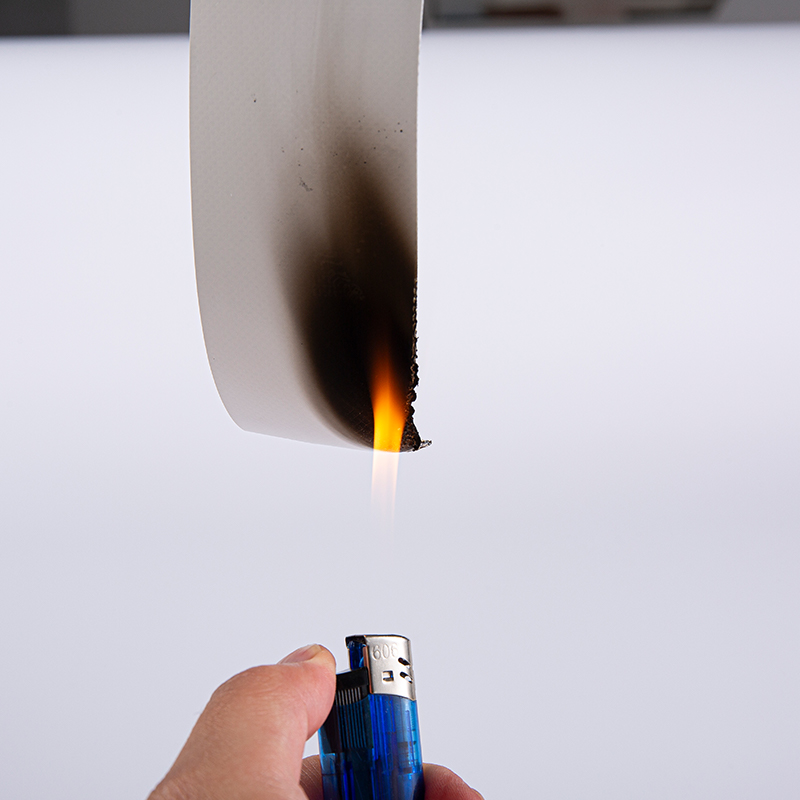 1100 g PVDF Tensile Membrane Fabric for Permanent CanopiesA durable coated polyester membrane with PVDF finish, suited to permanent tensile structures where a clean surface and weather resistance matter.View Product →
Event and marquee work is a different brief altogether — faster production, tighter budgets, and a shorter expected life in the field. The 850 g PVC coated marquee tent fabric suits that rhythm, and where a client needs a genuinely dark interior for projection or sleeping quarters, a blockout construction does the job without extra linings.
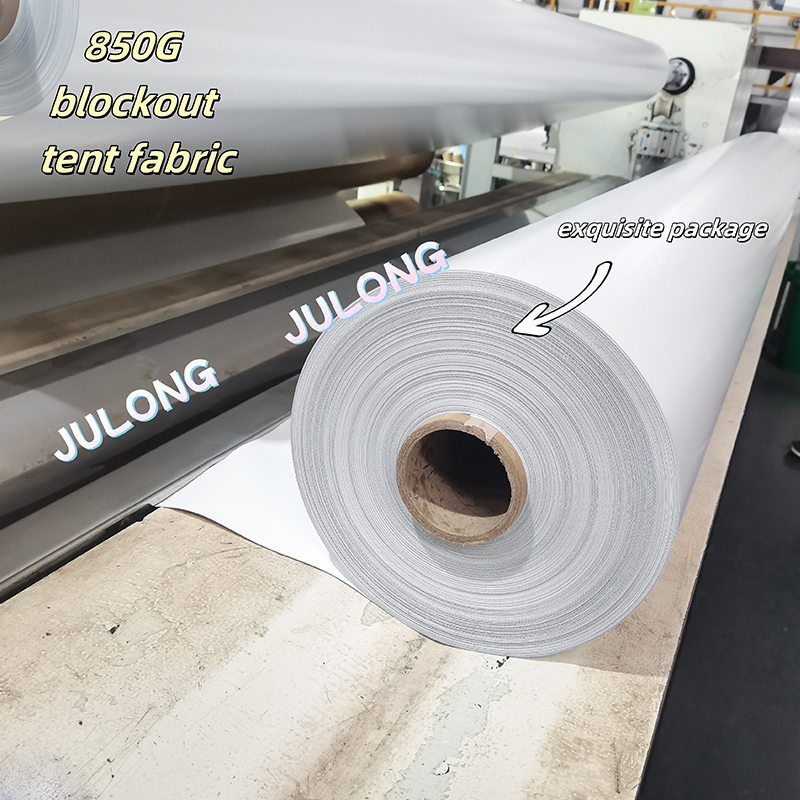 850 g PVC Coated Marquee Tent FabricA waterproof, flame-retardant polyester fabric for temporary marquee tents and event structures, offering shading and compact storage for fast-moving projects.View Product →
Where the goal is shade rather than shelter, a mesh usually answers better than a solid sheet: air moves through it, heat builds up less underneath, and the structure can be lighter. A 400 g outdoor sunshade mesh is a common choice for car parks, courtyards and terrace coverings.
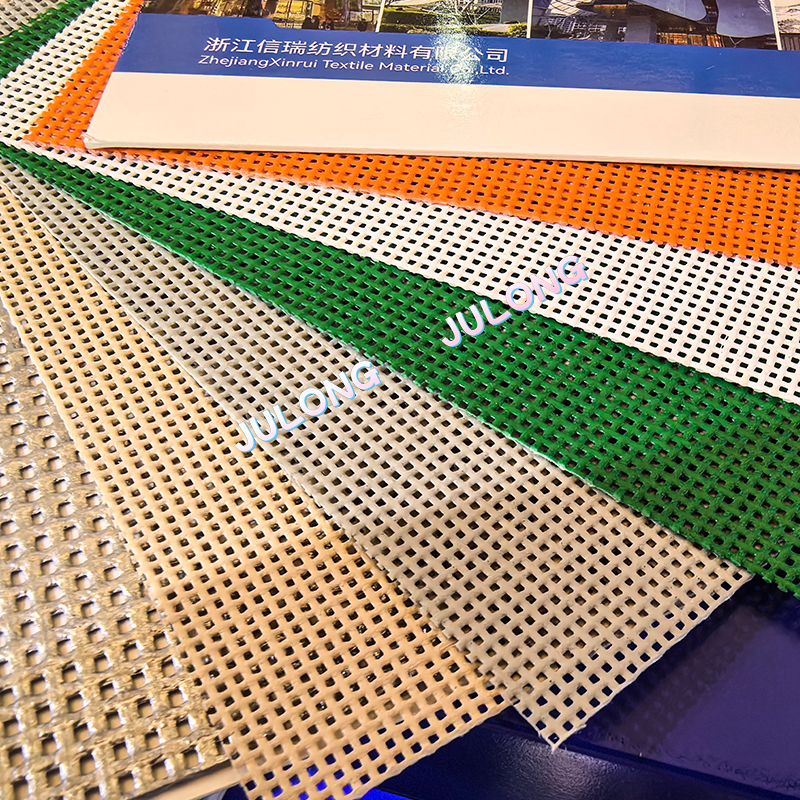 400 g PVC Coated Outdoor Sunshade MeshA lightweight, ventilated mesh for car parks, courtyards and terrace shading, helping reduce heat while keeping structures lighter and easier to install.View Product →
After enough projects, the same handful of problems keeps appearing. They are worth checking before the drawings leave the office.
Fabric structure design rewards the people who treat cloth and structure as one problem instead of two. The form asks the fabric for a certain strength and stretch; the fabric tells the form what curvature it can actually hold. When that conversation starts early, the detail work gets easier and the finished roof behaves the way the render promised.
If you are weighing options for a project, the practical next step is usually a short conversation about span, climate and service life. Our overview of how to choose a PVC architectural membrane covers the questions we ask most often, and we are always glad to look at a drawing and tell you honestly where the risks sit.
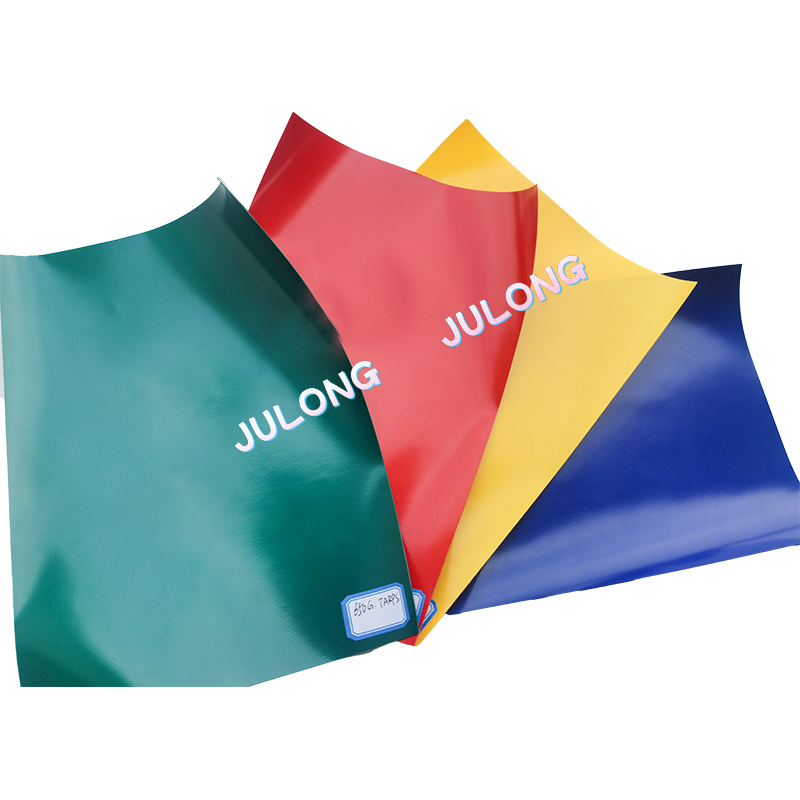
Win-win cooperation with new and old customers, create the future.

No. 9, Xingang Avenue, Ningguo City, Anhui Province, China.


+86 15397280550
Copyright © Anhui Longsheng New Material Technology Co., Ltd. Architecture Membrane Material Manufacturers Outdoor PVC Waterproof Fabric Supplier
