
 English
 عربى
Tarp for Truck Cover




Content
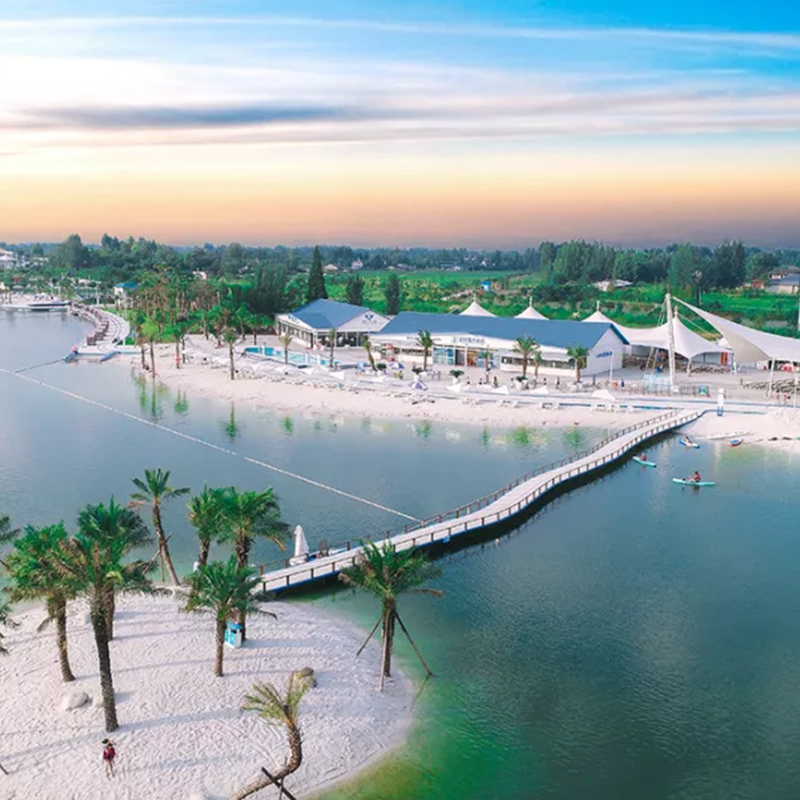
A fabric facade is one of those ideas that looks effortless and is anything but. Walk past a stadium concourse, a car park stair core or a new transport interchange and you will often see a taut, gently curved skin of coated cloth doing work that brick, glass or aluminium panels used to do — shading, screening, weathering and shaping the building all at once.
This guide walks through what a fabric facade actually is, the systems used to build one, the textiles behind the surface, and the practical points worth checking before you specify. The aim is a working picture rather than a sales pitch, whether you are designing, engineering or buying the material.
Textile facades sit inside a wider family called textile architecture. The principle is straightforward: a technical textile is held under tension by a steel or aluminium substructure, and that fabric becomes the enclosing surface. There is no rigid infill behind it. The shape comes from how the membrane is cut, prestressed and anchored.
Two structural ideas dominate. In the first, the fabric is pulled into a double-curved surface between masts, cables or arches — the classic tensile membrane. In the second, flat or single-curved panels are tensioned inside frames and fixed back to the building much like cladding. Both read as fabric from the street, yet they behave quite differently in terms of span, movement and detailing.
What the facade does goes well beyond decoration. A properly engineered skin carries wind load back to the structure, sheds rainwater, filters daylight and, with open weave materials, lets air pass through. It is a lightweight building envelope, not a banner hung on a wall.
Most projects settle on one of three approaches, and occasionally combine them on the same elevation. The table below is a quick way to see which one fits a given brief.
| System | How it works | Where it fits |
|---|---|---|
| Tensile membrane facade | Coated fabric prestressed into a double-curved surface over masts, arches or cables | Entrances, pavilions, car parks, stadium concourses |
| Textile panel facade | Flat or single-curved panels tensioned in aluminium frames and fixed to the structure | Refurbishment, screening, feature cladding, signage |
| Open mesh facade | PVC-coated woven mesh with a controlled openness factor, tensioned or framed | Sunshade, glare control, parking structures, wall decoration |
| Pneumatic cushion facade | Air-inflated film or fabric cushions held by a frame or cable net | Facades and roofs where high transparency is desired |
Panel systems tend to suit refurbishment, because frames follow a regular grid and individual panels can be swapped out without touching the rest. Tensile work asks more of the engineer but rewards it with form freedom and long clear spans. Mesh is usually the most economical way to cut solar gain on a glazed elevation without closing off ventilation entirely.
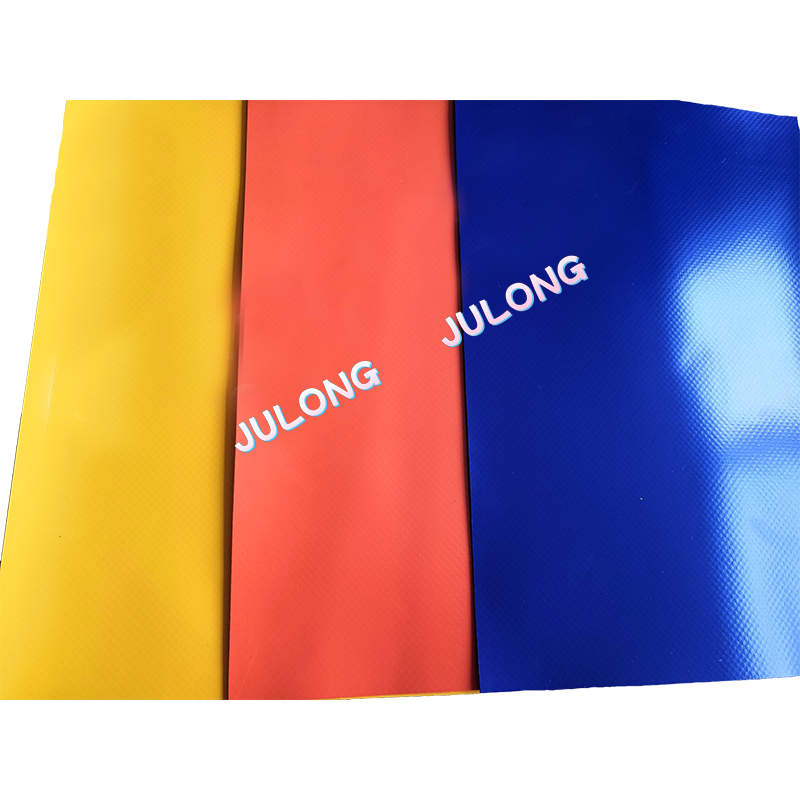
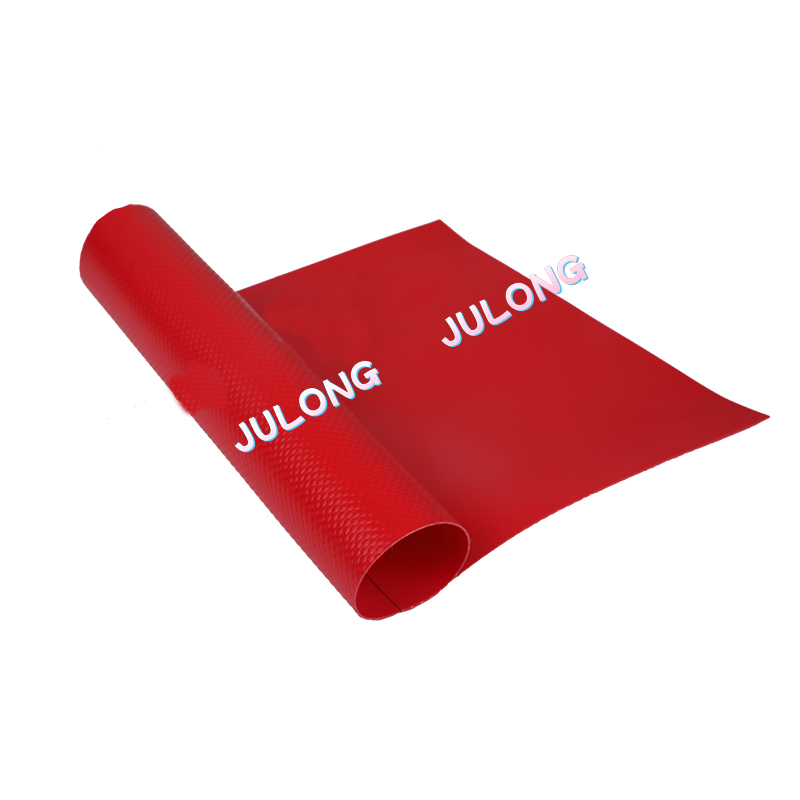
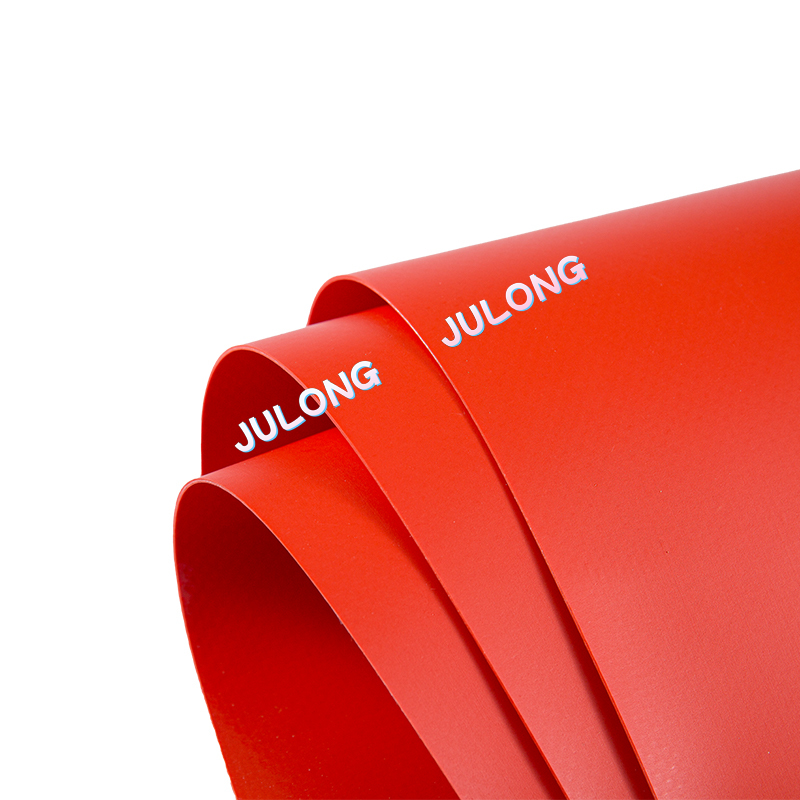
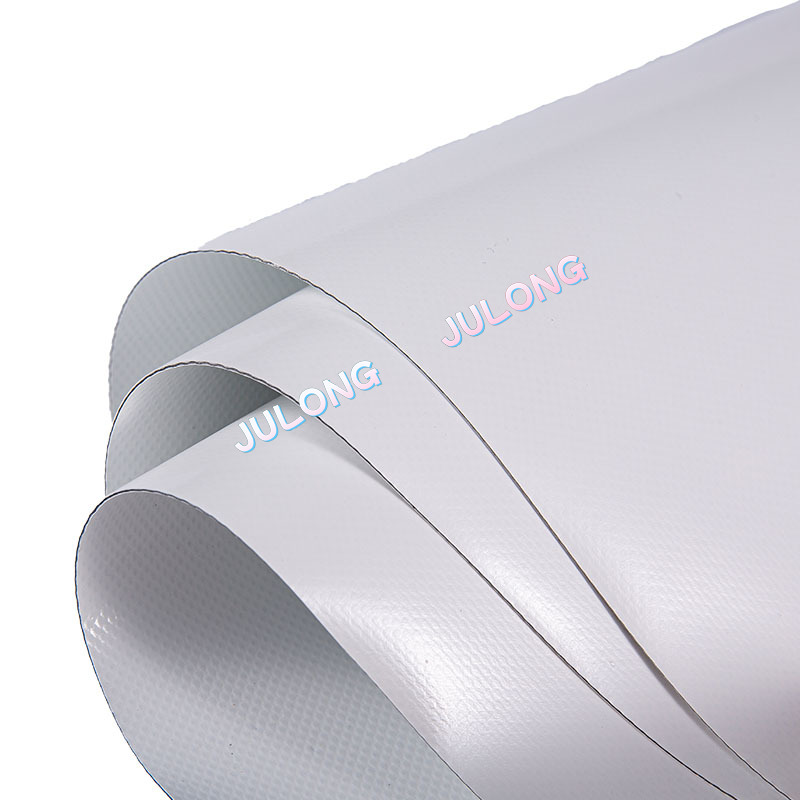
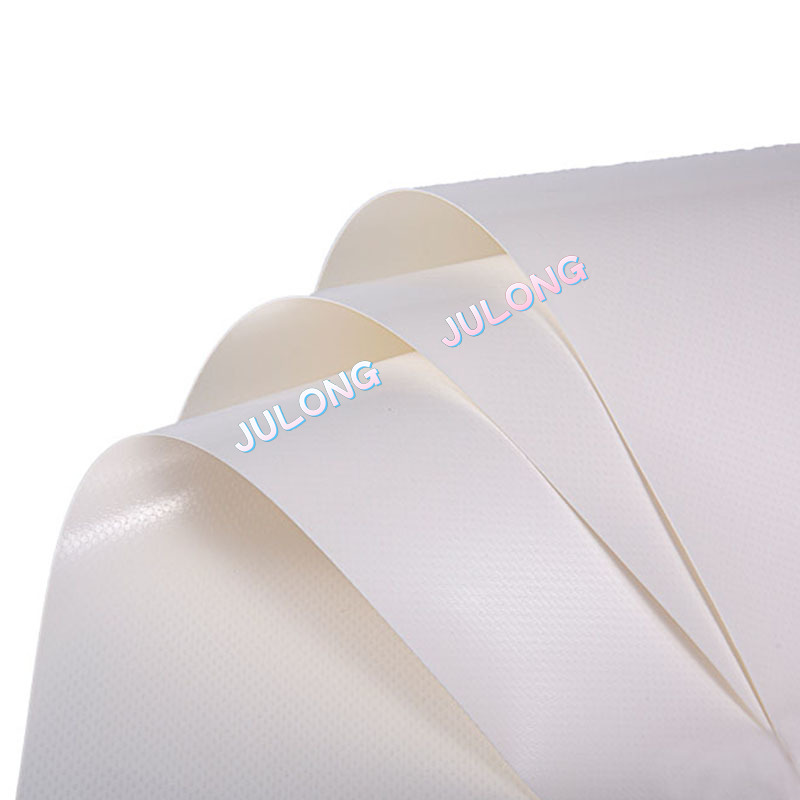
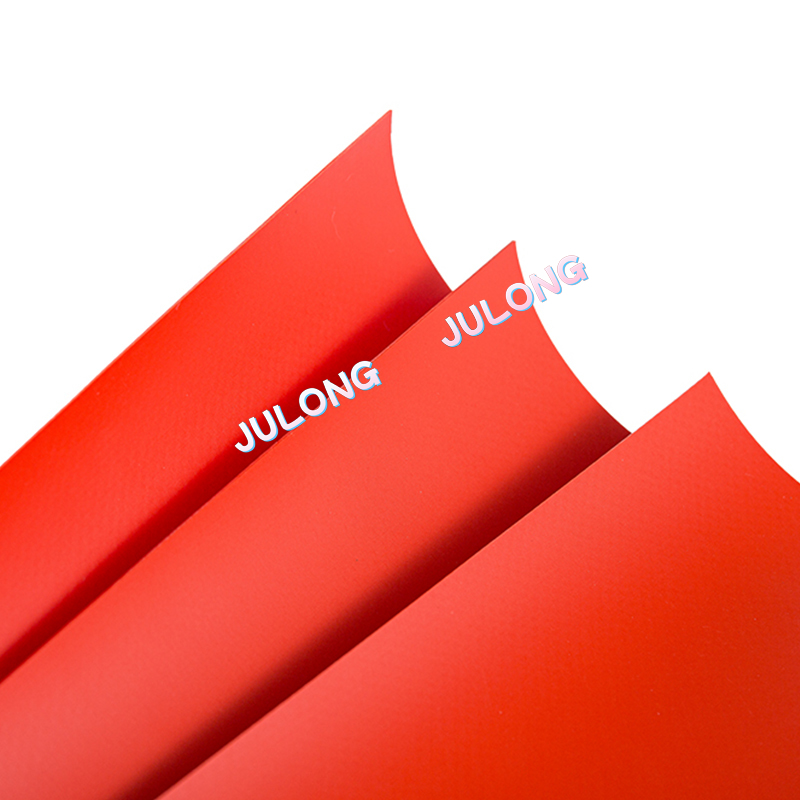
Nearly every fabric facade you see on commercial work starts with a woven polyester base cloth. The cloth supplies tensile strength; the coating does the rest. PVC is the workhorse coating — it makes the fabric waterproof, weldable and tough. On top of it sits a thin topcoat, usually PVDF or acrylic, which provides the surface that resists dirt, UV and colour fade.
The gap between an average facade and one that still looks sharp a decade later is often in that topcoat and in coating weight. Heavier coatings give better abrasion resistance and weld strength, while a PVDF finish generally holds colour and sheds dirt better than a basic acrylic finish, at a higher price.
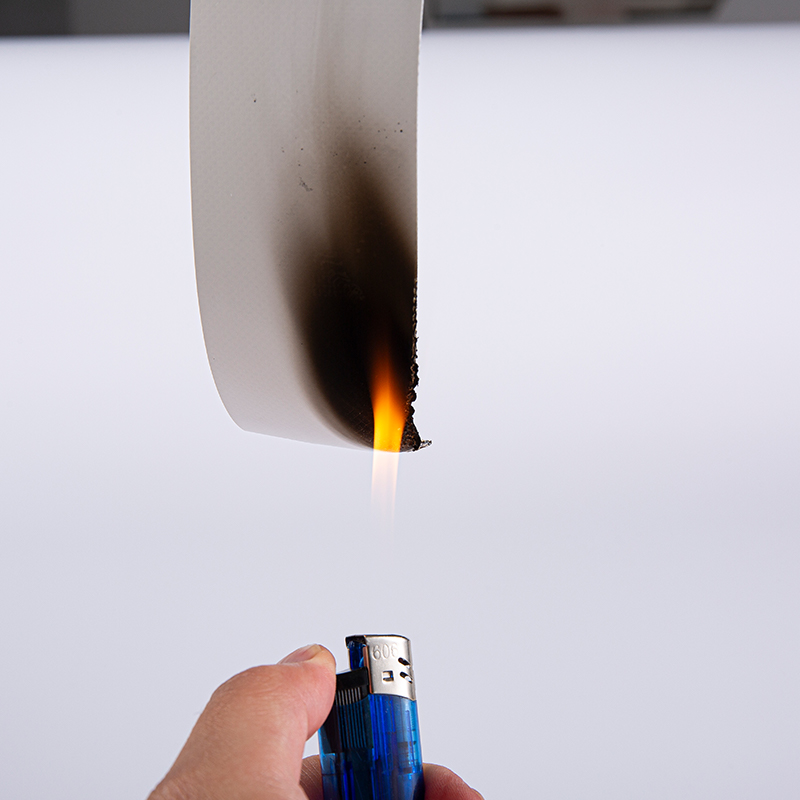 1100G PVDF 张拉膜面料1100 g/m²、PVC涂层聚酯基布加PVDF面层,兼顾强度、透光与焊接,适合作为大跨度张拉膜结构的选型起点。View Product →
For long-span tensile work, a 1100 gsm PVDF tensile membrane fabric is a common starting point: it balances strength, translucency and handling weight, and welds reliably in the factory. Where loads climb or spans stretch further, specifications usually move up to a heavier architecture membrane.
PTFE-coated glass and ETFE film belong to the same conversation and are frequently compared with PVC. Each offers a different trade-off in transparency, self-cleaning behaviour and cost, and is worth reviewing before the design freezes.
Weight alone will not tell you whether a fabric suits a facade. Coating type, yarn, weave, surface finish and fire performance all matter, and they interact with each other. The table below shows how common specifications line up in practice.
| Typical specification | Base and coating | Facade use |
|---|---|---|
| 950 gsm building membrane | Polyester base with PVDF and acrylic finish | Mid-span canopies, smaller tensile facades |
| 1100 gsm tensile membrane | Polyester base, PVDF topcoat | Tensile facades, entrance structures, shaded roofs |
| 1250 gsm architecture membrane | Polyester base, heavy PVDF topcoat | Long-span, high-load membranes for stadia and transport |
| 400 gsm coated mesh | Polyester mesh, PVC coating | Sunshade screens, glare control, exterior wall decoration |
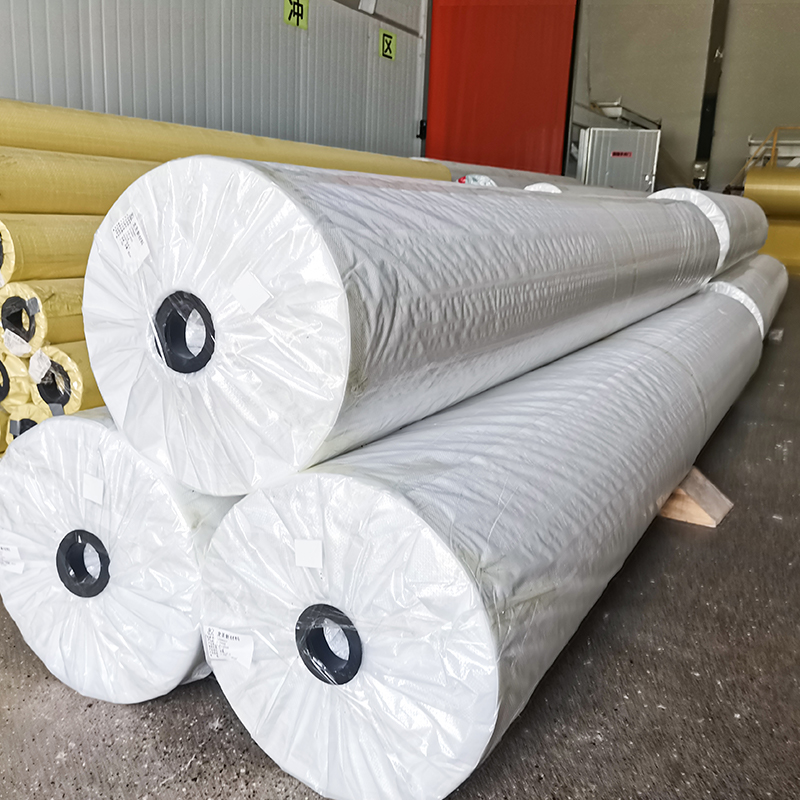 1250G PVDF 建筑膜材1250 g/m²、TiO₂与PVDF面层及B1阻燃,抗拉强度7300N/7000N每5cm,适合大跨度及高紫外项目选型。View Product →
Reading a data sheet is one thing; matching it to a real elevation is another. Ask for samples of the exact batch, run a welding trial, and check how the material behaves when folded, clamped and pulled over a corner. Those small tests catch most problems long before installation.
Mesh is the quiet hero of fabric facades. Because the weave is not fully closed, the cloth has an openness factor — the proportion of open area in the material. That single number decides how much you can see through, how much solar radiation passes, and how much wind pressure the facade sheds.
If you want to dig into the physics, this explanation of how the openness factor changes both performance and visibility is a useful starting point. In short, a low openness factor gives a denser screen and stronger solar control, but it reduces outward vision and can feel enclosed from inside. A higher openness keeps the view and lets air move, at the cost of shading efficiency.
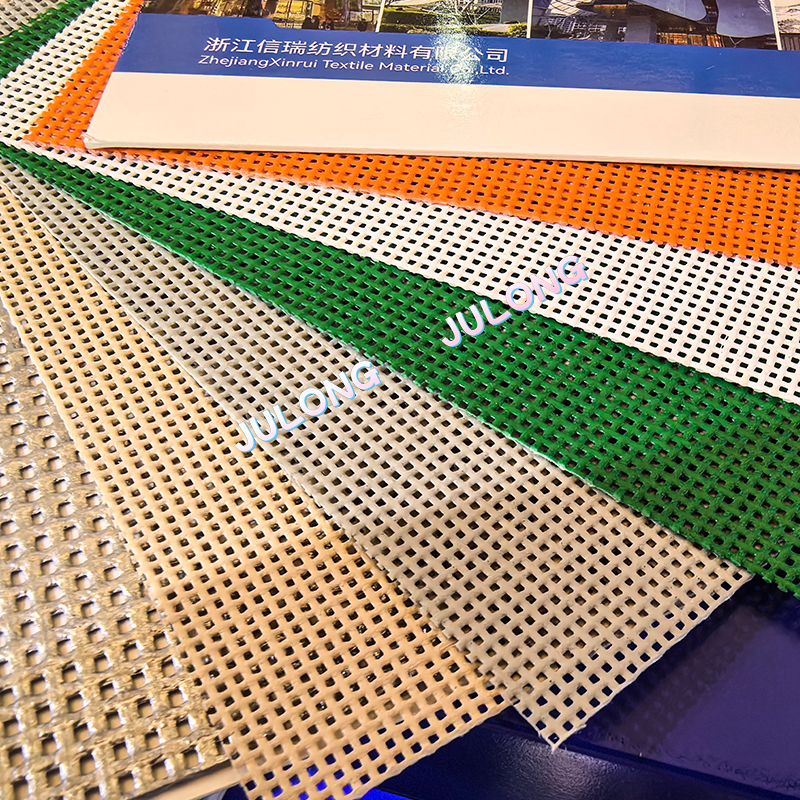 400G PVC 涂层聚酯遮阳网布400 g/m²、PVC涂层聚酯网布,透气遮阳且B2阻燃,适合西晒玻璃、植物屏或停车楼等半通透遮阳场景。View Product →
A mid-range coated mesh is often the compromise that works for west-facing glazing, plant screens or a car park deck. Permeable surfaces also reduce wind pressure, so frames and anchors can be lighter than those needed for a sealed membrane.
Textile skins earn their place on transport interchanges and multi-storey car parks, where ventilation and daylight matter more than thermal separation. They suit stadium concourses, sports halls and training facilities, park pavilions and landscape structures, school courtyards and covered walkways, retail and showroom screening, and the ventilated screens that hide plant areas on industrial and logistics buildings.
They are less comfortable where genuine acoustic separation, secure enclosure or full blackout is required. In those cases fabric usually works as a second layer over a conventional wall rather than as the only barrier.
We have been coating fabric since 2010, producing PVC-coated polyester, PVC mesh, TPU mesh and architectural membranes from our base in the Qianjiang Industrial Park in Haining. Much of what we ship ends up in tensile structures, canopies and shading screens, so the questions we hear most are practical ones: which gram weight, which topcoat, how the material welds, and how it will look after several summers in the sun.
You can browse our architectural membrane and mesh fabric range to see how the specifications compare, and our team is happy to talk through gram weights, topcoats and weld trials before a specification is locked in. Sending a sample of the detail you are worried about is usually faster than a long email thread.
Fabric facades reward early collaboration. Bring the membrane contractor and the material supplier into the conversation while the geometry is still flexible, and the details — clamping, drainage, movement joints, replacement strategy — tend to fall into place naturally. Leave them until tender, and the same details become expensive problems to solve on site.
If you are weighing up options for an upcoming elevation, start with three questions: what does the facade need to do, how long should it last, and who will maintain it. The answers will narrow the material choice faster than any catalogue.
Win-win cooperation with new and old customers, create the future.

No. 9, Xingang Avenue, Ningguo City, Anhui Province, China.


+86 15397280550
Copyright © Anhui Longsheng New Material Technology Co., Ltd. Architecture Membrane Material Manufacturers Outdoor PVC Waterproof Fabric Supplier
