
 English
 عربى
عربىTarp for Truck Cover




Content
Walk past any glass-fronted building on a bright afternoon and you can feel the problem. Sunlight passes through the glazing, strikes a surface inside, and turns into heat that the cooling system then has to remove. Architectural shading is the practice of interrupting that sequence before it begins. It is also one of the few design moves that improves occupant comfort, lowers energy demand and gives a facade its character at the same time.
This guide looks at how shading strategies change with orientation, where coated fabrics and mesh screens fit alongside louvers and fins, and what is worth checking before you specify a textile for a permanent shading installation.
A shading device intercepts direct solar radiation before it reaches glazing or wall. Three benefits follow. First, solar heat gain drops, so the cooling plant can be smaller and runs for fewer hours each year. Second, glare is controlled, which matters more than many people expect in offices, classrooms and wards where screens and work surfaces sit close to windows. Third, the facade itself and the materials behind it are protected: coatings, sealants and interior finishes age more slowly when they are not cooked by direct sun.
Shading is not simply a matter of covering glass. A well-judged device blocks high-angle summer sun while letting low-angle winter sun through, and it still admits enough daylight for the space to feel open. Over-shading is a real failure mode: rooms become dim, the artificial lighting switches on, and the energy saved on cooling is spent again on lamps.
Because the sun follows a predictable path, orientation tells you more about the right shading response than almost any other single factor. The table below summarises the logic most designers apply in the northern hemisphere; in the southern hemisphere, north and south simply swap roles.
| Facade orientation | Solar challenge | Shading approach that usually works |
|---|---|---|
| South | High summer sun, low winter sun | Fixed horizontal louvers, overhangs or slatted canopies sized to admit winter sun |
| East and West | Low-angle sun in the morning and late afternoon | Vertical fins, deep reveals, movable mesh roller screens or sliding textile panels |
| North | Mostly diffuse light, plus low summer sun near sunrise and sunset | Minimal shading; light shelves and local glare control where needed |
| Rooflights and atria | Sun high overhead for much of the day | External louver grids, fabric canopies or tensioned screens above the glazing |
The east and west elevations are the difficult ones. The sun arrives almost horizontally, so a simple overhang does little and the solar gain coincides with the hottest part of the afternoon. This is where movable screens and mesh textiles earn their place, because they can be deployed when the sun is low and retracted when it is not.
Louvers, brise-soleil, overhangs and deeply recessed openings have no moving parts, no motors and no maintenance contract. They are the default choice for public buildings where reliability matters, and they can be sized precisely from sun-path data. Their weakness is inflexibility: they are set for one design condition and cannot respond when the weather, the season or the use of a room changes.
Roller shades, sliding screens, retractable awnings and rotating fins can be adjusted by occupants or by a building management system. They cope well with changing sun angles and can be pulled back when daylight or a view matters more than heat gain. The trade-off is equally clear: motors, tracks, sensors and fabric all need servicing, and a failed screen is a very visible failure.
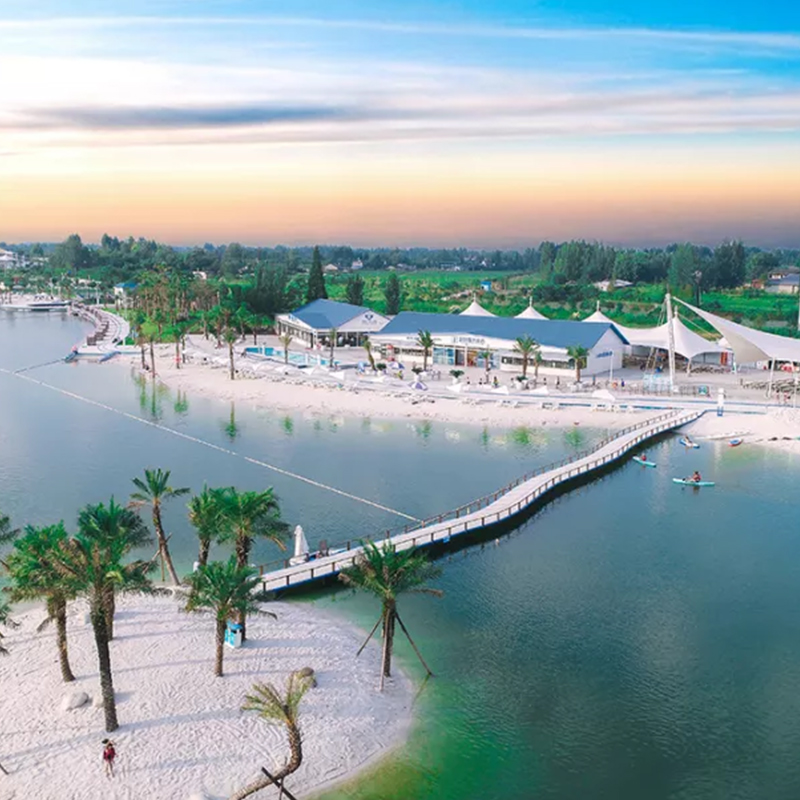
Coated textiles sit between those two positions. A tensioned membrane canopy spans a large area with very few supports, so it can shade a plaza, a walkway, a car park, a stadium concourse or an airport forecourt without filling the space with columns. The material is light, packs down for transport, and can be shaped into curved forms that stiffen once the fabric is prestressed. Coated membranes in the 950 to 1250 g/m2 range are the usual choice for permanent outdoor structures, because the coating resists ultraviolet light and dirt pick-up for years rather than seasons.
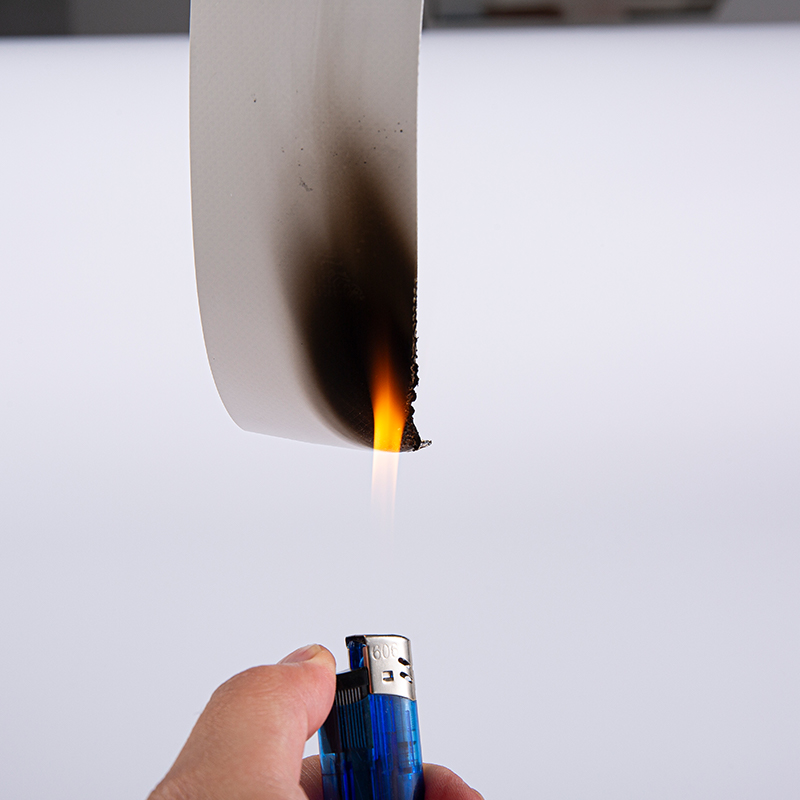 1100G PVDF Tensile Membrane Fabric R-515A 1100 g/sqm PVC-coated polyester membrane with PVDF lacquer for permanent tensile structures, offering high strength and self-cleaning performance.View Product →
Not every shading problem needs a solid roof. Where an outlook or a breeze matters more than maximum solar control, a woven mesh screen is often the better answer. The key number is the openness factor, which is the percentage of the fabric surface that is open. A mesh with roughly 30 to 50 percent openness filters a useful share of direct radiation and softens glare, while still letting occupants see the skyline and letting air pass through, which also reduces wind pressure on the fixings and the supporting frame.
Two coated meshes can look identical in a sample book and behave quite differently on a facade, because weave, coating weight and surface finish all influence how the screen filters light. A short overview of how mesh fabrics are classified and used is worth reading before you shortlist materials for a solar screen.
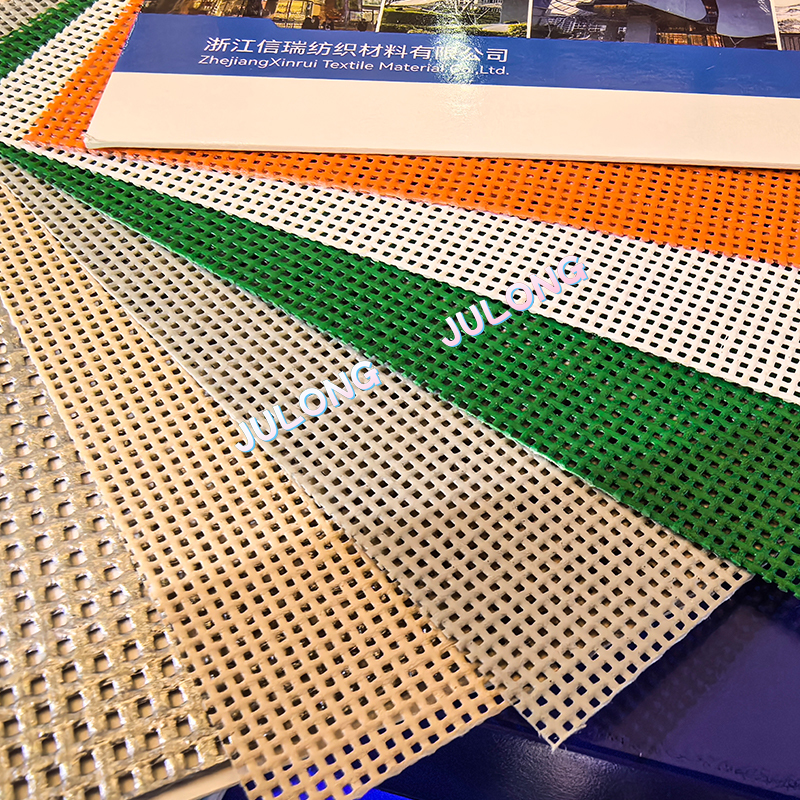 400G PVC Coated Polyester Mesh Fabric for Outdoor SunshadeA 400 g/sqm PVC-coated polyester mesh for outdoor sunshade awnings, with airflow, multiple colors and customizable sizes for solar-screen projects.View Product →
Another use of coated mesh has less to do with glazing and more to do with the wall itself. A tensioned mesh layer held a short distance in front of a facade creates a ventilated second skin. It shades the wall from direct sun, so the surface temperature stays lower and less heat is stored in the structure; it conceals service equipment, rainwater pipes and ventilation louvres; and it gives a large, flat elevation some depth and pattern. Because the mesh is open, the wall behind it can still dry out and the screen adds very little weight to the frame.
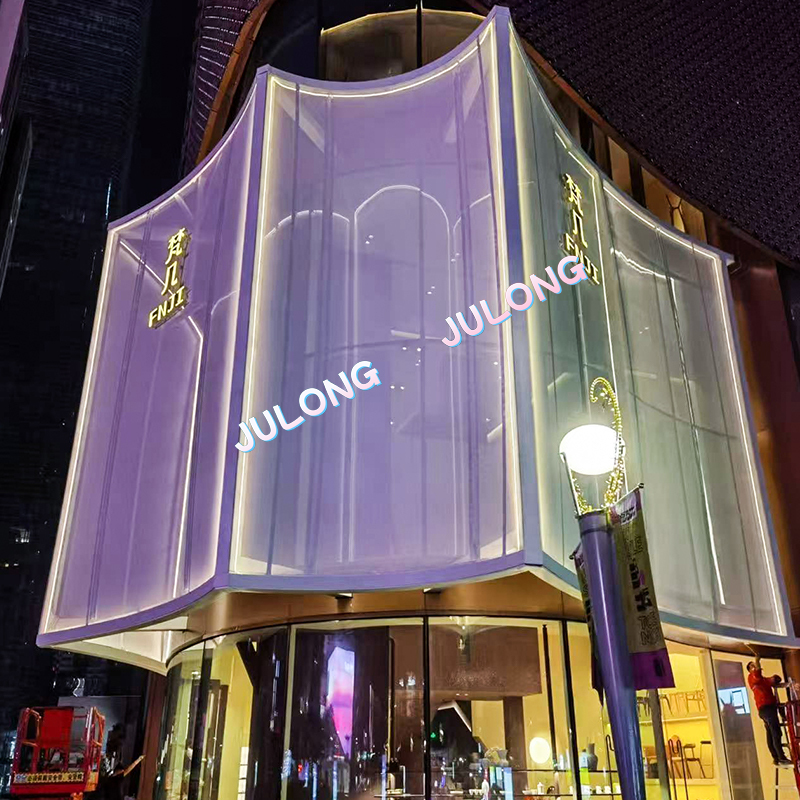 400G PVC Mesh Fabric for Exterior Wall DecorationA 400 g/sqm PVC-coated polyester mesh for ventilated building facades, combining weather resistance, tear strength and breathability for exterior wall decoration.View Product →
Most shading textiles share the same skeleton: a woven polyester base fabric, either solid or mesh, with a polymer coating that locks the weave together and shields it from sunlight and water. What matters at specification stage is the coating chemistry, the fabric weight and the openness.
| Fabric family | Typical weight | Best suited to | What it contributes |
|---|---|---|---|
| PVC coated mesh fabric | 280 to 400 g/m2 | Roller shades, sunscreens, facade screens | Openness, glare control, wind permeability |
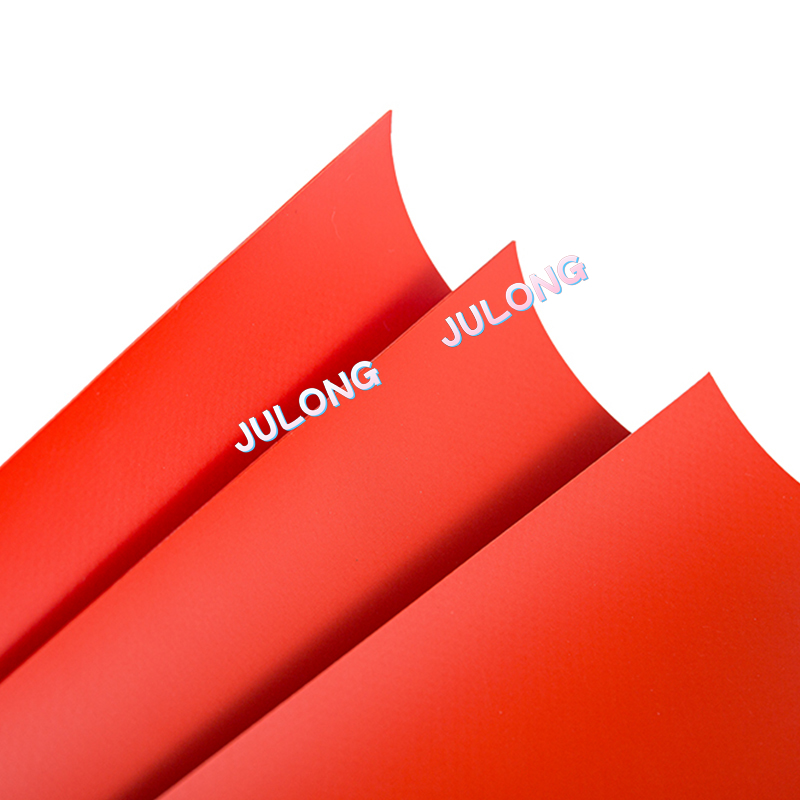
| PVC coated marquee and tent fabric | 650 to 850 g/m2 | Awnings, canopies, event and market roofs | Water resistance, blockout options, weldable seams |
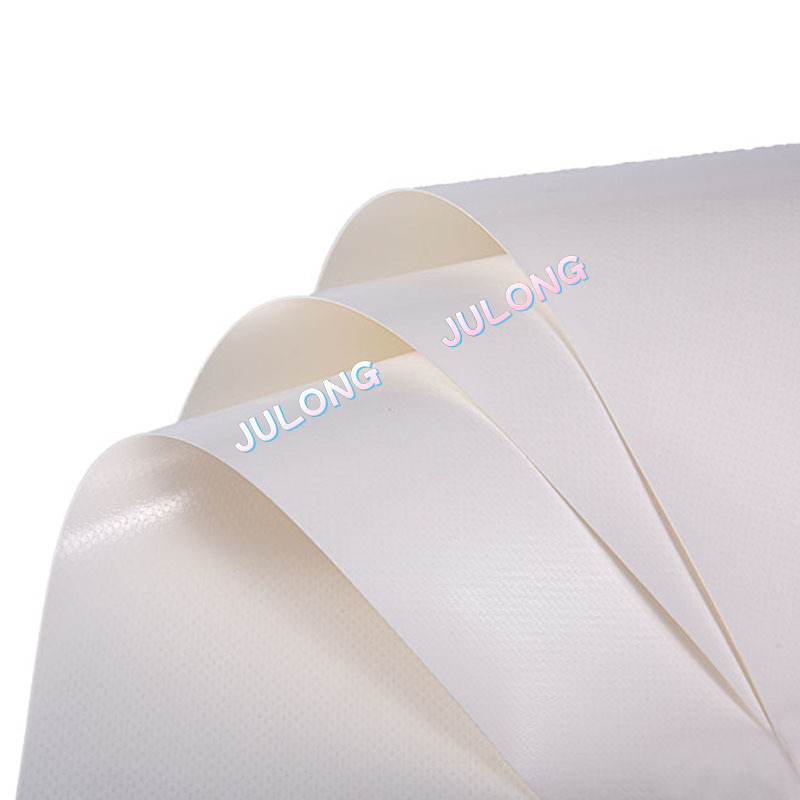
| PVDF or acrylic architectural membrane | 950 to 1250 g/m2 | Permanent tensile shading structures | Long-term UV stability, high tensile strength, easy-clean surface |
Whether the screen ends up on a school window or a transport concourse, the same questions tend to decide whether the installation still looks right after five summers.
Our own experience in this field began in 2010 in Haining, where polyester base fabrics are coated with PVC, PVDF and acrylic systems for membrane structures, tents, awnings and industrial screens. From that side of the supply chain, the most common mistake is specifying a fabric from a photograph or from a weight number alone. Weight tells you how much material is there; it says nothing about how the coating was formulated, how tightly the base cloth was woven, or how the edges will be finished.
If a shading project is in the early stages, the orientation, the span between fixing points and the openness you want are the details worth settling first. For anyone who wants to compare specifications directly, the coated fabrics we manufacture cover all three families described above, and physical samples remain the fastest way to see how a mesh or a membrane behaves in real light.
Architectural shading rarely comes down to one product. It comes down to geometry first, and then to a material that will still be doing its job a decade later. Get the orientation and the openness right, and the rest of the specification becomes considerably easier.
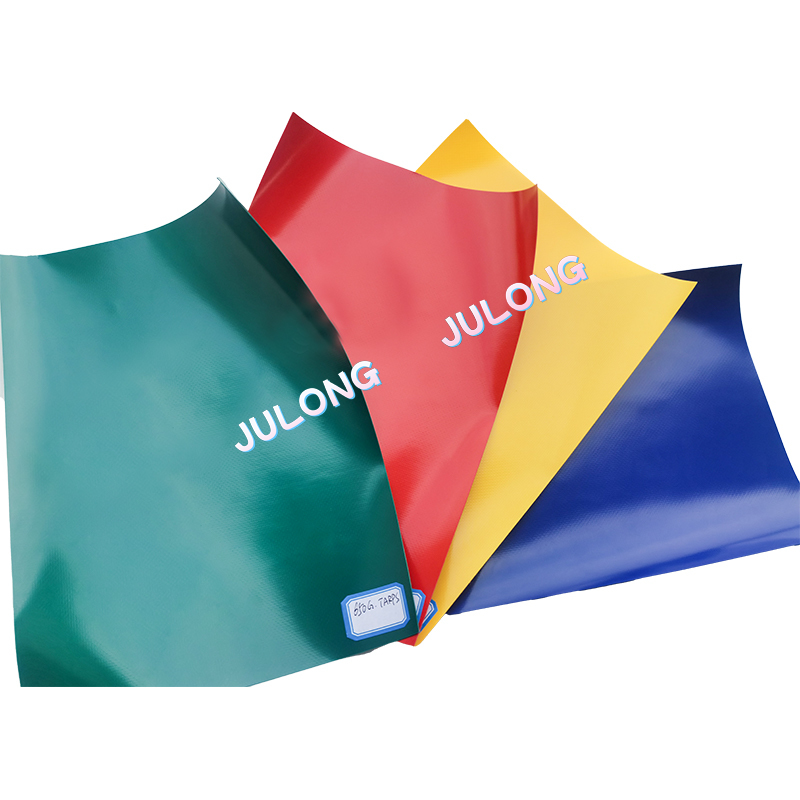
Win-win cooperation with new and old customers, create the future.

No. 9, Xingang Avenue, Ningguo City, Anhui Province, China.


+86 15397280550
Copyright © Anhui Longsheng New Material Technology Co., Ltd. Architecture Membrane Material Manufacturers Outdoor PVC Waterproof Fabric Supplier
