
 English
 عربى
عربىTarp for Truck Cover




Content
Architectural fabric structures have transformed the way we think about buildings. From sweeping stadium roofs to elegant park canopies, these tensile membrane systems combine engineering precision with visual lightness. As a manufacturer of coated fabrics and architectural membranes, we have seen firsthand how material choice determines not just the look of a structure, but its strength, longevity, and maintenance needs. Whether you are an engineer specifying a new project or a contractor evaluating suppliers, understanding the fabric behind the structure is essential.
At their core, architectural fabric structures are tensioned membrane systems that use flexible fabrics to enclose or shade spaces. Unlike traditional buildings that rely on rigid frames and heavy walls, these structures carry loads through a combination of tension and curvature. The fabric itself becomes both the skin and the structural element, supported by cables, masts, or arches.
This approach offers several advantages. Fabric structures are lightweight, which reduces foundation requirements and allows for very large spans without internal columns. They can be engineered to be highly durable, weather-resistant, and even self-cleaning. They also transmit natural daylight, creating bright, comfortable interiors while reducing energy costs. From an aesthetic standpoint, their flowing forms and soft lines make them a favorite for architects seeking landmark designs.
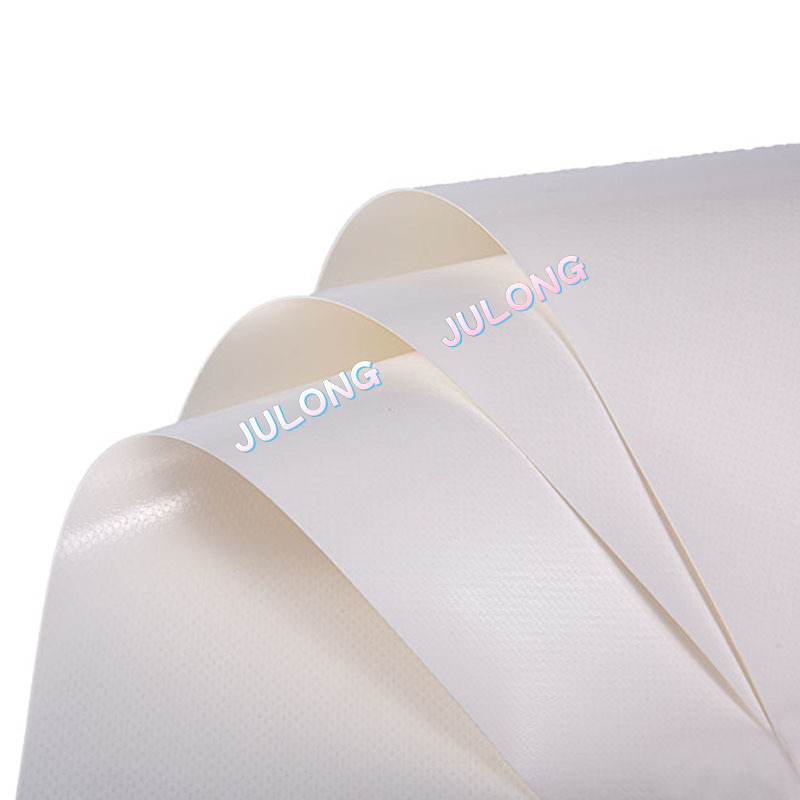
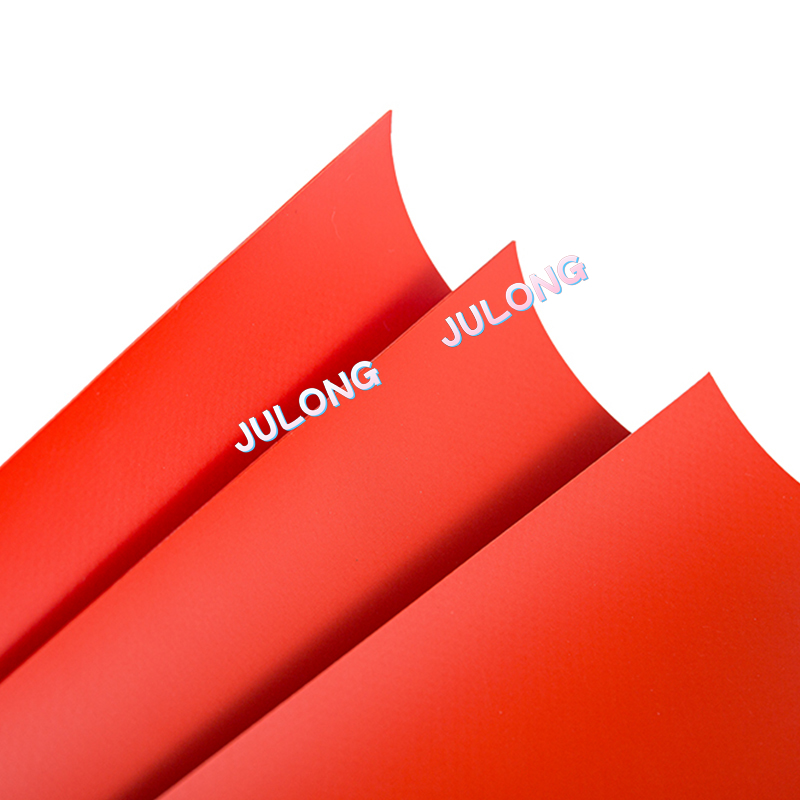
Most architectural fabrics start with a woven base cloth, typically made from polyester or glass fiber. This base provides mechanical strength and dimensional stability. The fabric is then coated with a polymer to protect the fibers, provide waterproofing, and add specific performance characteristics. The most common coating types are PVC, PVDF, acrylic, and PTFE.
PVC-coated polyester is the workhorse of the industry. It offers an excellent balance of strength, flexibility, and cost. For projects that demand longer service life and better self-cleaning properties, PVDF coatings or PVDF film laminates are often specified. Acrylic coatings provide a more economical option with good UV resistance, while PTFE-coated glass fiber excels in extreme environments and offers exceptional longevity.
As a manufacturer, we produce a range of membrane materials tailored to different performance levels. For high-end tensile structures, our 1100g PVDF tensile membrane fabric delivers outstanding tensile strength and weather resistance. When a project requires a heavier, more robust solution, the 1250g PVDF architecture membrane material provides added durability and dimensional stability. For applications where cost and performance must be balanced, our 950g PVDF and acrylic building membrane material offers a practical alternative without compromising on quality.
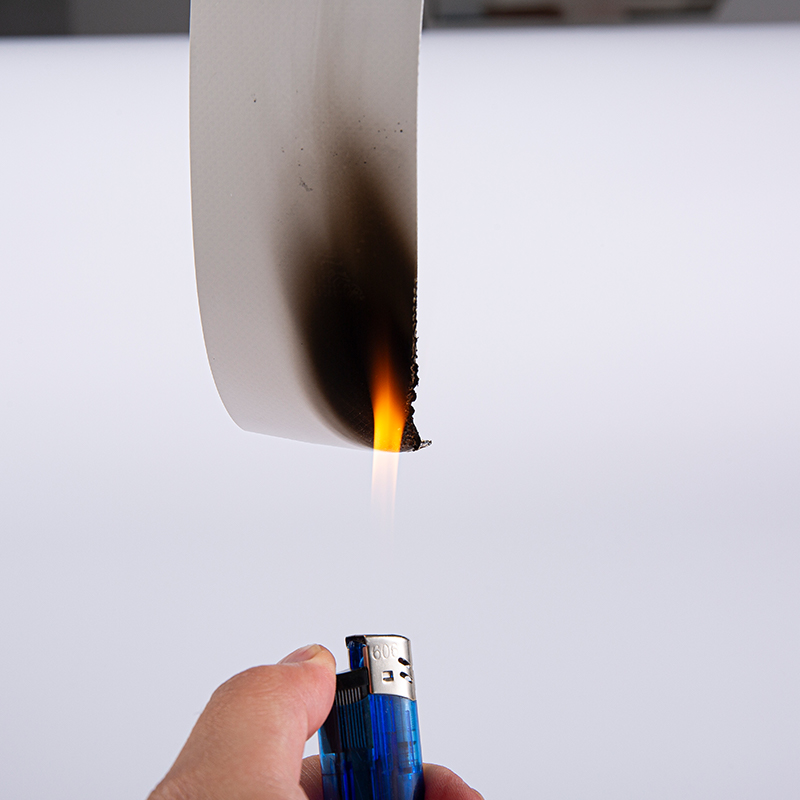 1100G PVDF Tensile Membrane FabricOutstanding features of 1100g PVDF R-515 membrane material: 1. Standard weight of 1100 grams, thickness above 0.85mm. 2. The color is snow-white and shiny, superior to...View Product →
 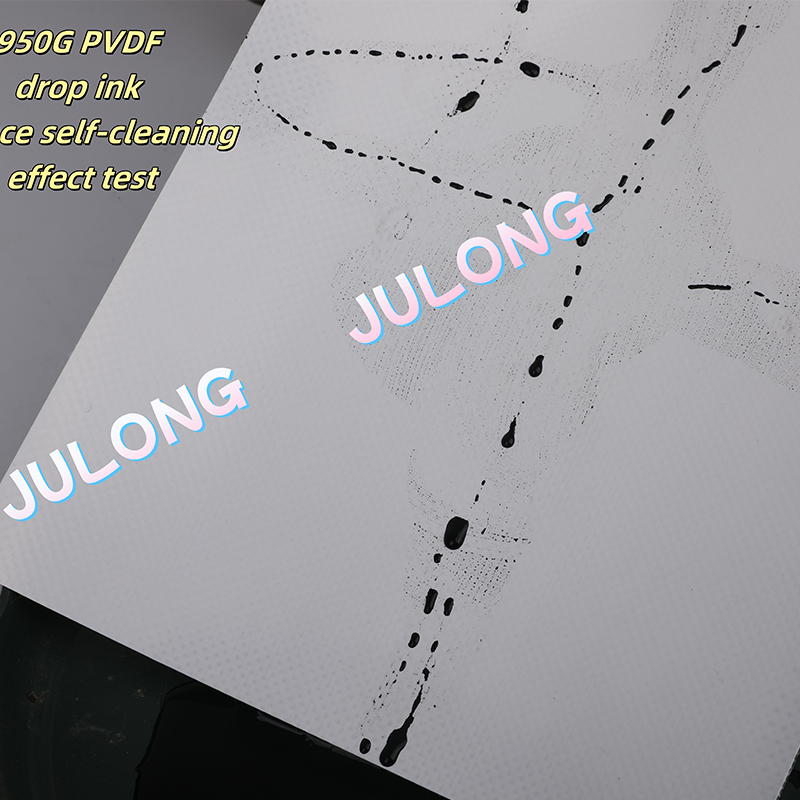 950G PVDF and Acrylic Building Membrane MaterialProduct Features 1. The membrane material has a good self-cleaning effect on the surface and is not prone to accumulating dust and other pollutants, which is a common ...View Product →
If you are new to membrane materials, a good starting point is to review the basic introduction to PVC architectural membrane, which explains how base fabric and coating work together.
Not every coated fabric is suitable for architectural use. Membrane materials must meet strict criteria to ensure safety and performance over decades of service. The table below summarizes the main requirements and how different material systems compare.
| Material System | Tensile Strength | Weather Resistance | Self-Cleaning | Typical Lifespan | Best For |
|---|---|---|---|---|---|
| PVC-coated polyester | Good | Moderate | Low to moderate | 15–20 years | Shade structures, canopies, temporary buildings |
| PVDF-coated polyester | High | Excellent | High | 25–30 years | Stadiums, airports, long-term public architecture |
| Acrylic-coated polyester | Moderate | Good | Moderate | 10–15 years | Budget-conscious tensile projects, interior features |
| PTFE-coated glass fiber | Very high | Exceptional | Very high | 30+ years | High-end iconic structures, chemically harsh environments |
Beyond strength and weather resistance, architectural fabrics must also meet fire safety standards, resist UV degradation, and maintain their color and mechanical properties under sustained tension. The coating formulation and surface treatment are critical here. For example, PVDF coatings are known for their ability to resist dirt accumulation, which keeps the membrane looking new and reduces maintenance costs.
Selecting the right membrane material involves balancing technical requirements, budget, and aesthetic goals. Here are the key factors we recommend our customers consider:
We often work with design teams early in the process to match the material to the project. For a sports facility, for instance, a PVDF membrane may be the obvious choice, while a temporary exhibition pavilion might perform perfectly well with a PVC-coated fabric.
Fabric structures are incredibly versatile. They can be found in almost every sector where large, open, or striking spaces are needed. Common applications include:
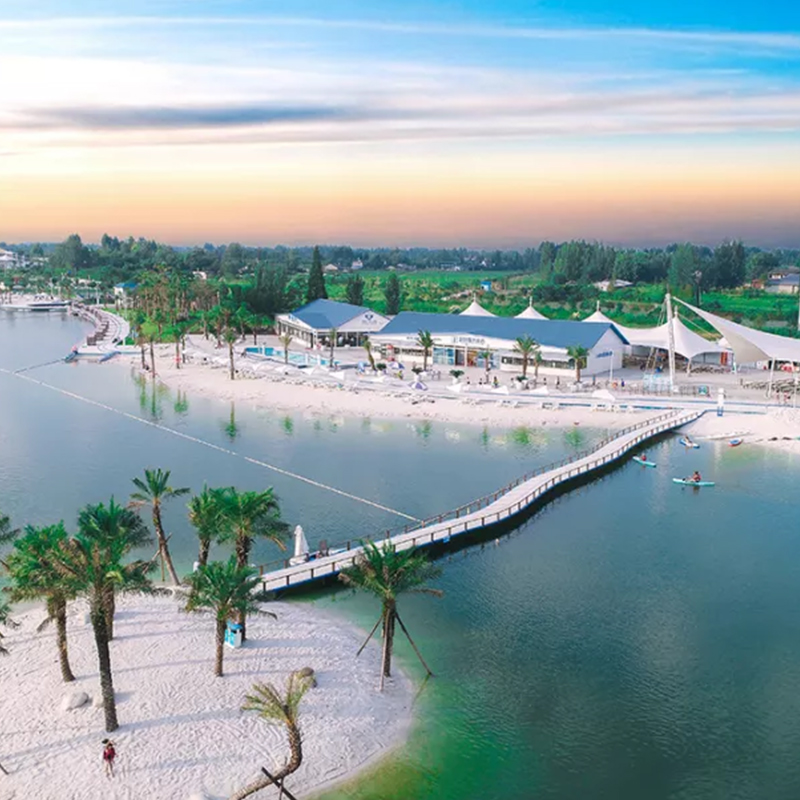
Our materials have been used in many of these settings, from park landscape architecture and carports to inflatable membrane structures, large sports stadiums, and airport facilities. Each application brings its own demands, and we help customers select the right fabric grade for the job.
A well-designed fabric structure can last for decades with proper care. Maintenance usually involves periodic cleaning, inspection of tension and connections, and prompt repair of any damage. The fabric itself is surprisingly resilient, but it is not indestructible. Sharp objects, repeated abrasion, and chemical exposure can shorten its life.
Choosing a fabric with a high-quality coating is the first step toward low maintenance. PVDF and PTFE surfaces are particularly good at shedding dirt and resisting UV damage. In addition, proper detailing during design—such as avoiding water ponding and ensuring adequate drainage—will prevent many common problems. We advise our clients to establish a simple inspection routine and to keep a small repair kit on hand for minor issues.
Architectural fabric structures are only as good as the materials they are made from. Working with a manufacturer who understands the entire chain—from base fabric weaving to coating, lamination, and quality control—can make a significant difference in project outcomes. Our company, Anhui Longsheng New Material Technology Co., Ltd., has been producing coated fabrics and architectural membranes since 2010. Located in the Qianjiang Industrial Park of Haining, we combine European membrane technology with our own research and development.
We offer a wide range of products, including PVC-coated fabrics, PVC and TPU mesh fabrics, and specialized architectural membranes. Our portfolio covers everything from lightweight mesh for shade and decoration to heavy-duty PVDF membranes for landmark structures. We also continue to develop advanced functional materials, such as anti-condensation films, high-transparency films, and eco-friendly membranes for specialized applications.
If you are planning a fabric structure project, we would be glad to discuss material options with you. Our team can help you compare specifications, request samples, and find the most cost-effective solution for your needs. Feel free to reach out through our website to start the conversation.
Architectural fabric structures represent a remarkable intersection of art and engineering. By understanding the materials available and their performance characteristics, you can make informed decisions that lead to beautiful, durable, and efficient buildings. Whether you are working on a small canopy or a record-breaking stadium roof, the right fabric is out there—and we are here to help you find it.
Win-win cooperation with new and old customers, create the future.

No. 9, Xingang Avenue, Ningguo City, Anhui Province, China.


+86 15397280550
Copyright © Anhui Longsheng New Material Technology Co., Ltd. Architecture Membrane Material Manufacturers Outdoor PVC Waterproof Fabric Supplier
