
 English
 عربى
عربىTarp for Truck Cover




Content
Ask ten people what fabric structure design means and you will usually get two answers. A textile engineer will talk about warp and weft, the order of interlacement, and the plan that decides how a cloth looks and behaves. An architect will talk about pre-stressed membranes, double-curved surfaces, and the masts, cables and ring beams that hold a roof in the air without a single internal column. Both answers are right, and the most successful projects are the ones where the two are planned together from the first sketch.
Since 2010, our team at Anhui Longsheng New Material Technology Co., Ltd. has worked on the material side of that conversation. We coat polyester base cloth with PVC, PVDF and acrylic systems and turn it into architectural membranes, tent fabrics, mesh fabrics, tarpaulins and industrial cloths at our factory in the Qianjiang Industrial Park, Haining. This article shares what we have learned about how weave structure and membrane specification shape the final design.
In textile language, structure is the order of interlacement of warp and weft, while design is the plan that gives the fabric its appearance and its behaviour. A weave repeat, a weave number and a motif all belong to that plan. Change the interlacement order and you change crimp, cover factor, tensile behaviour, tear resistance and the way the cloth drapes.
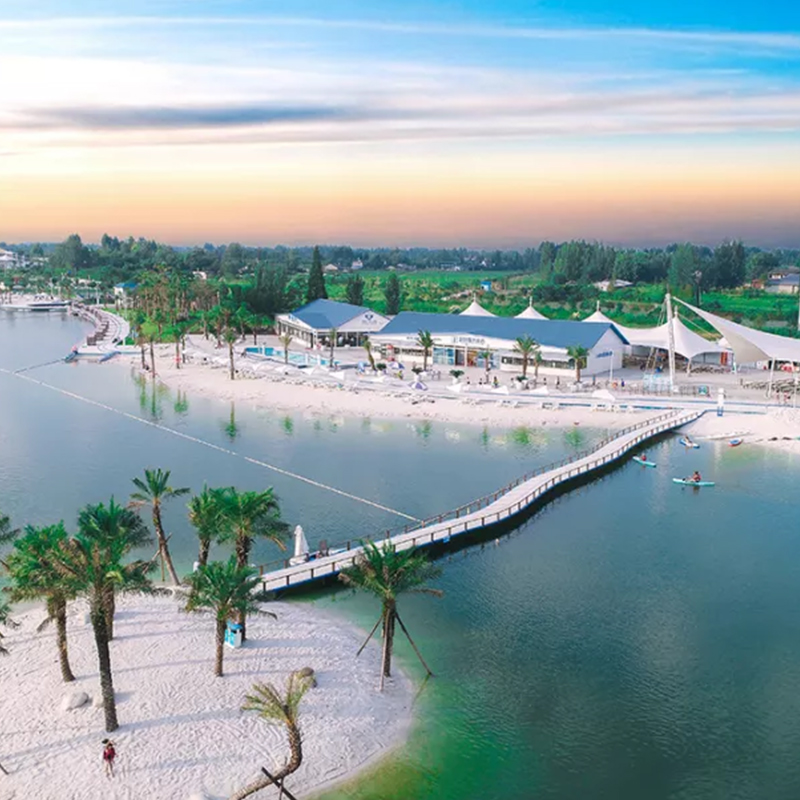
In architecture, a fabric structure is a lightweight form built from flexible material rather than rigid panels, and it is normally stabilized by tension. Material selection, form finding, engineering, fabrication and installation are treated as one continuous process, because a membrane that looks elegant on a screen but stays under-tensioned on site will flutter, pond water and age quickly.
The two definitions meet at a simple idea: geometry and tension decide performance. The weave supplies the strength and stability of the base cloth, the coating protects it, and the tensioned shape gives the whole assembly its stiffness.
A woven fabric is built from two yarn sets that cross each other at right angles. The warp runs lengthwise, the weft runs across, and the order in which they interlace defines the weave. Plain weave has the highest interlacement frequency, which is why it feels firm and stable, while longer floats produce a softer, smoother cloth.
The weave number tells you how many warp and weft yarns are needed to complete one repeat of the pattern. For coated technical fabrics this matters less for decoration than for consistency: a short, regular repeat produces an even base cloth, which in turn produces even coating pick-up and predictable mechanical performance. Decorative motifs are useful for visible surfaces such as facade screens and interior linings, but they should never compromise the structural repeat.
| Weave Structure | Interlacement Character | Typical Coated Fabric Use |
|---|---|---|
| Plain weave | Maximum interlacement, firm and dimensionally stable | Base cloth for PVC-coated polyester architectural membranes and tarpaulins |
| Basket weave | Grouped yarns, fuller hand, strong tear resistance | Heavy covers, truck side curtains and cargo tarpaulins |
| Twill weave | Diagonal floats, softer drape, denser yarn packing | Tent and marquee fabrics that must fold and pack easily |
| Leno and mesh | Open, locked structure with a defined openness factor | Sunshade, building facade decoration and pool safety barriers |
| Satin weave | Long floats, smooth and slightly reflective surface | Decorative and specialty laminated panels |
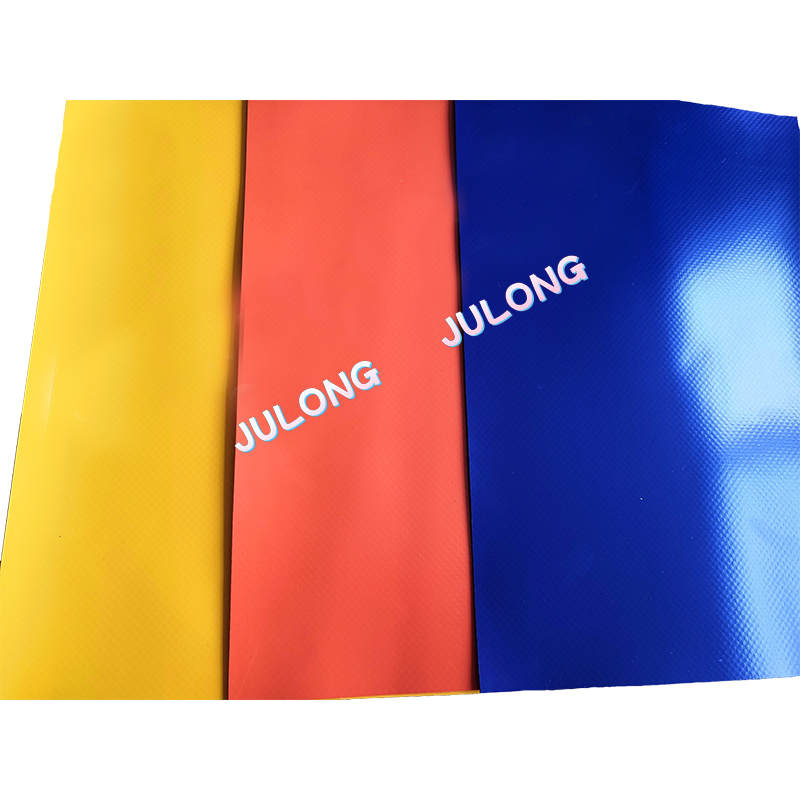
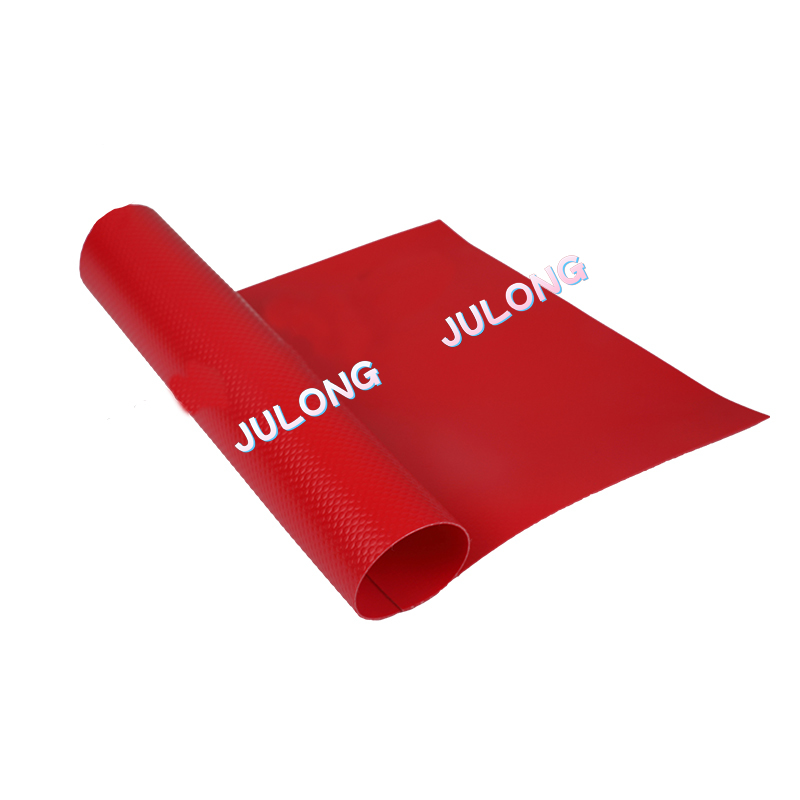
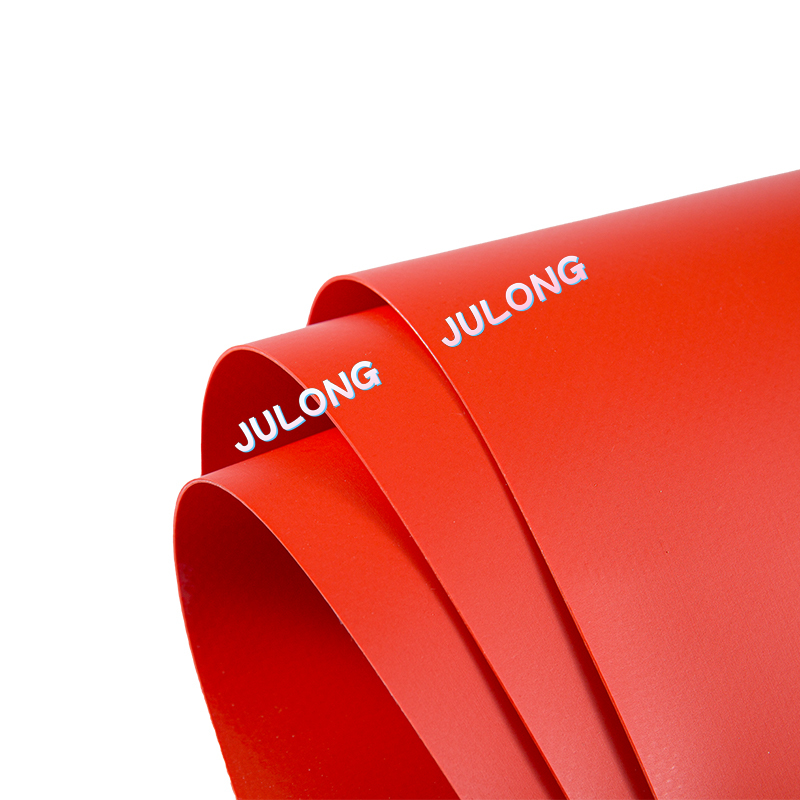
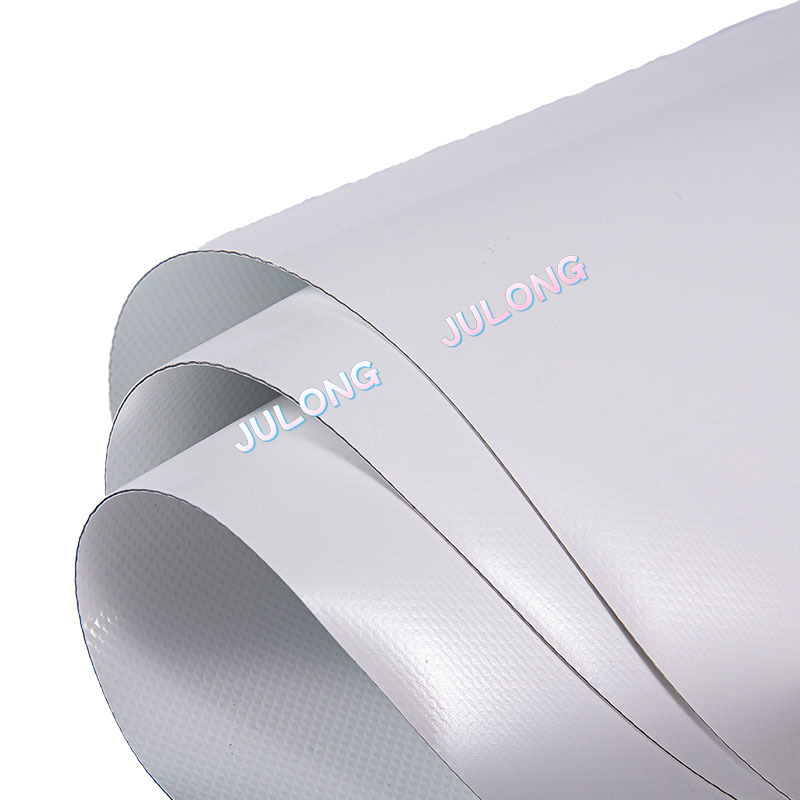
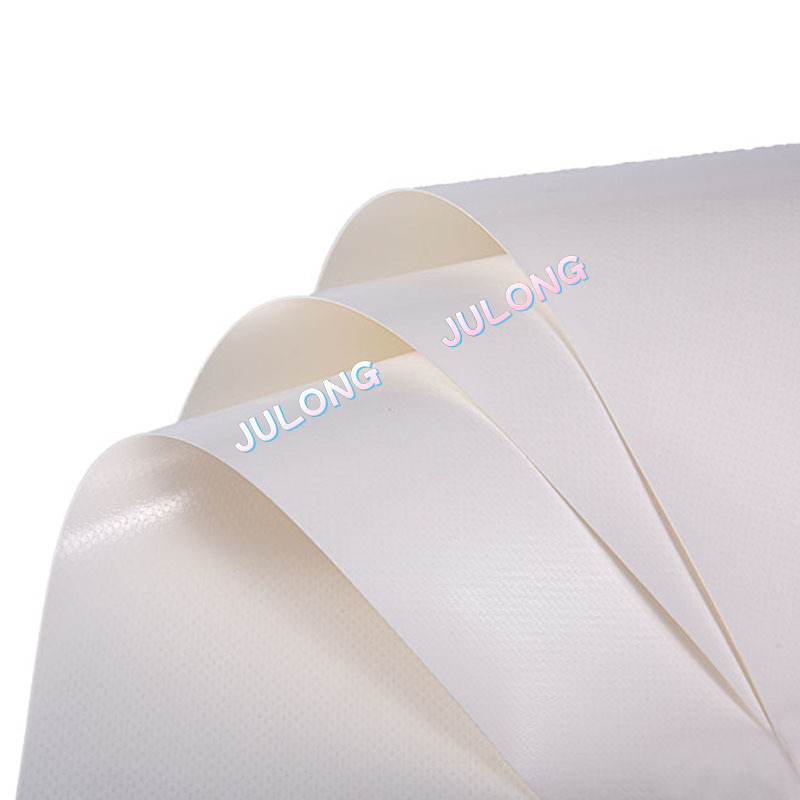
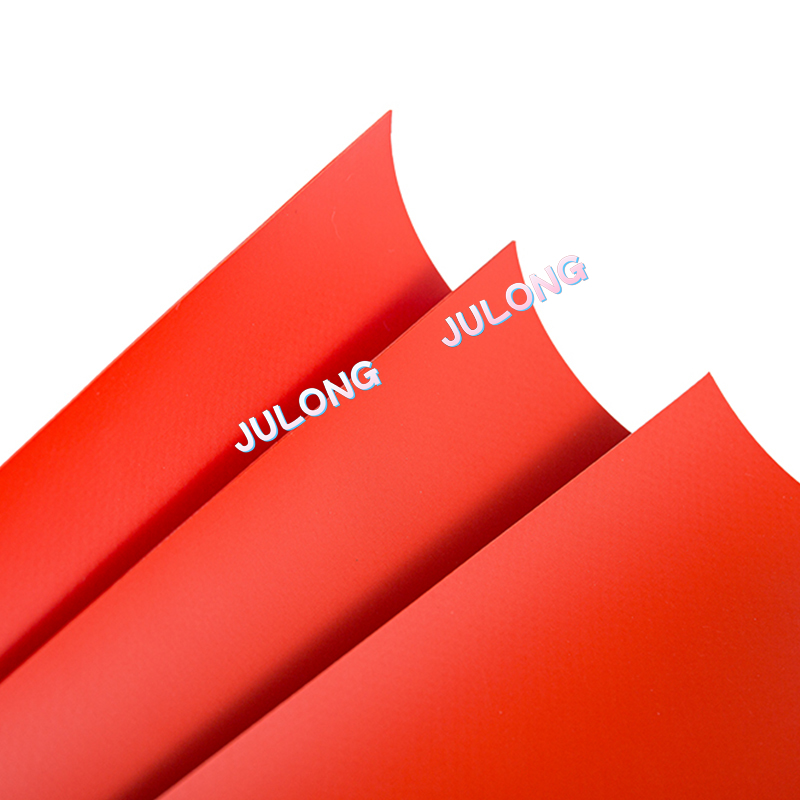
PVC-coated polyester is the workhorse of tensile fabric structure design. It is strong, weldable, repairable on site and available across a wide weight range, from around 650g per square metre for lighter shelters to 1250g for long-span roofs. The coating gives the base cloth waterproofing, UV protection and abrasion resistance, while the weave underneath carries the load.
Adding a PVDF or acrylic topcoat over the PVC layer changes how a membrane behaves over time. The topcoat locks in plasticisers, keeps the surface cleaner, and slows chalking and colour fade in strong sunlight. Typical architectural grades include 950g PVDF and acrylic fabric, 1100g PVDF tensile membrane fabric and 1250g PVDF architecture membrane material, all of which are commonly specified for stadiums, airport facilities and park landscape buildings.
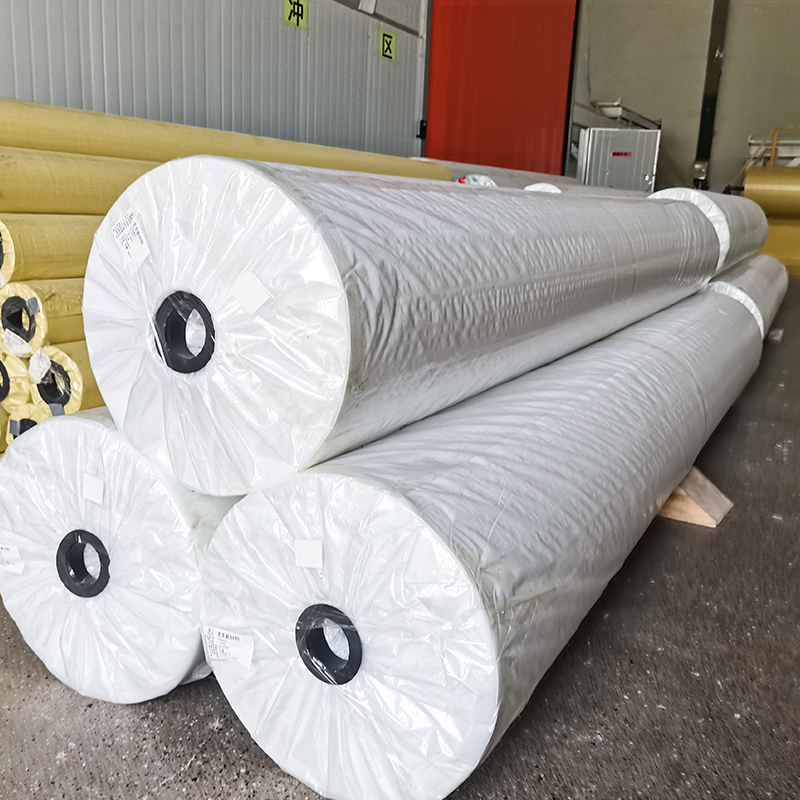 1250G PVDF Architecture Membrane MaterialOutstanding features of 1250 PVDF membrane material: 1. The surface is coated with titanium dioxide, which has excellent resistance to yellowing and remains unchanged ...View Product →
If you are comparing membrane options for the first time, this short guide to PVC architectural membrane basics covers the fundamentals before you move into load calculations.
Not every fabric structure is a closed roof. Mesh fabrics introduce a controlled openness factor, letting air and light pass through while reducing glare and wind pressure on the supporting frame. A 400g PVC-coated mesh is a practical choice for outdoor sunshade and for exterior wall decoration on buildings, where a printed or plain screen softens the facade without loading it heavily.
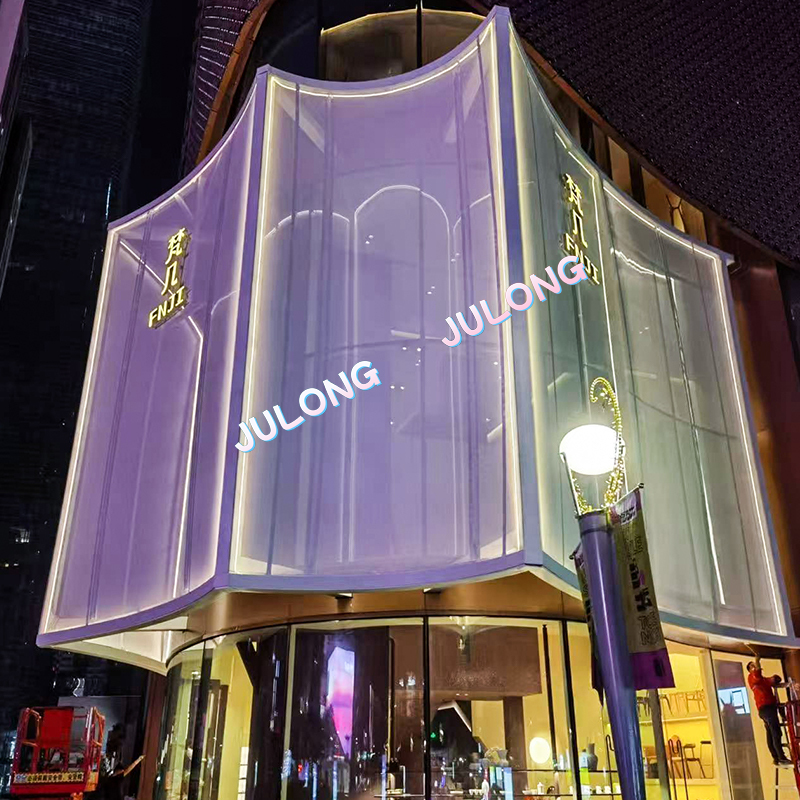 400G PVC Mesh Fabric For Exterior Wall Decoration of BuildingsPVC mesh fabric has become an ideal choice for modern building exterior wall decoration due to its diverse shapes, lightweight, weather resistance, high tear strength,...View Product →
Once the material is chosen, the design work shifts to shape and force. A few principles carry most projects:
Fabric structure design rarely starts from a blank page. Most projects fall into recognisable categories, and each one carries its own material habits:
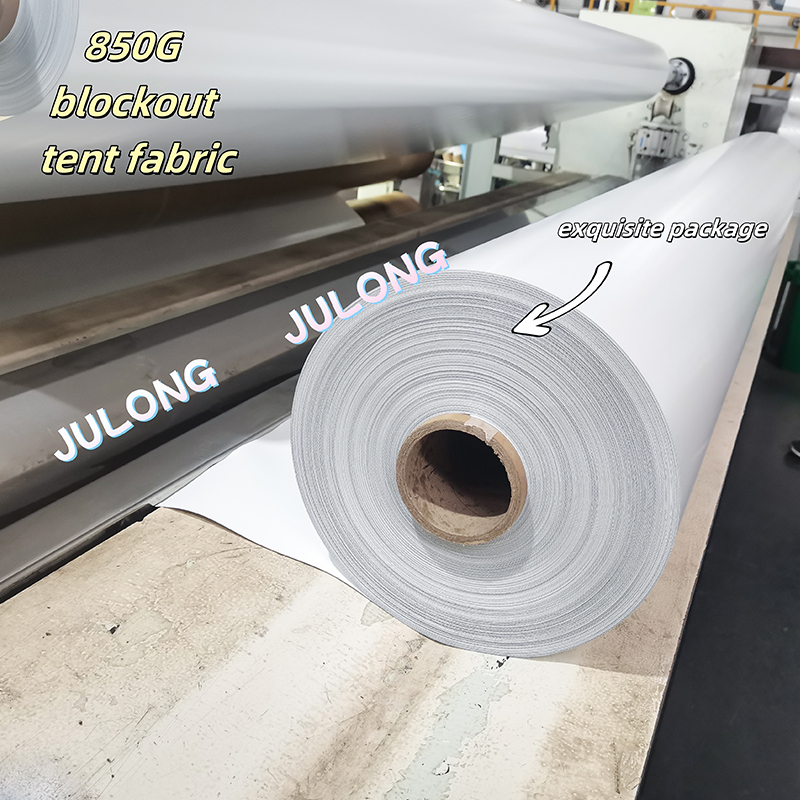 850G PVC Coated Marquee Tent FabricApplication: The products are widely used in professional exhibitions, fairs, festivals, outdoor weddings, sports activities, temporary factories, disaster relief, etc...View Product →
Experienced designers run through a short list at the end of every project, and it saves a great deal of rework:
Even a carefully engineered design depends on the material that actually arrives on site. We keep the specification conversation open from sample stage to delivery, so that the gram weight, coating type, width and roll length you approve are the ones that leave the factory. If a project needs a functional variant, such as an anti-condensation membrane, a high-transparency film or a titanium dioxide surface, we prefer to discuss it early rather than after the tendering stage.
If you are at the specification stage, you can review our coated fabric range for architectural membranes, tent fabrics, mesh fabrics, industrial cloths and tarpaulins. Send us your drawings, span information and local load conditions, and our team will suggest a fabric structure design that balances performance, service life and budget.
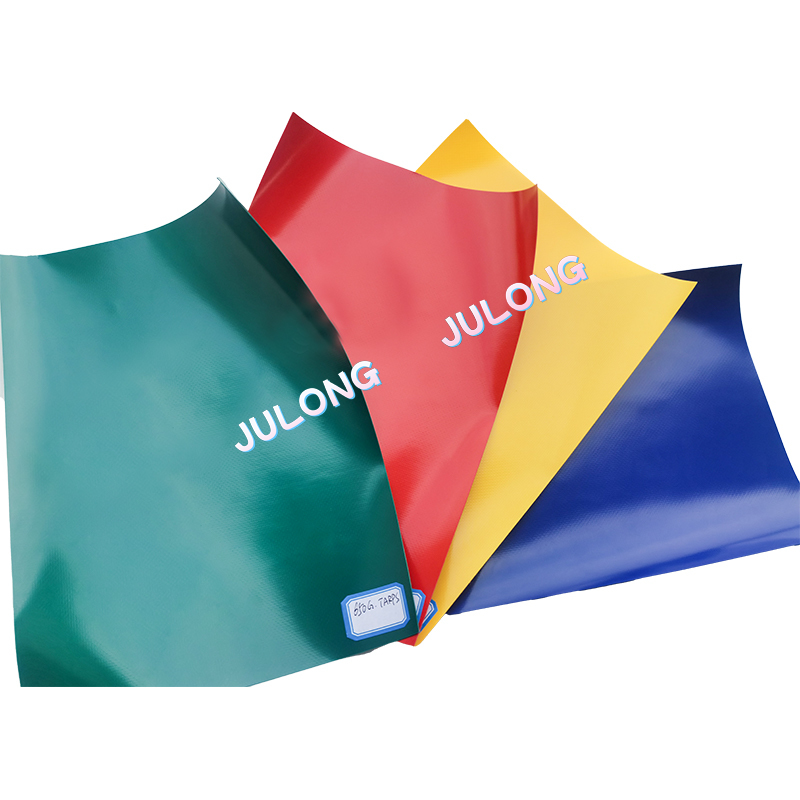
Win-win cooperation with new and old customers, create the future.

No. 9, Xingang Avenue, Ningguo City, Anhui Province, China.


+86 15397280550
Copyright © Anhui Longsheng New Material Technology Co., Ltd. Architecture Membrane Material Manufacturers Outdoor PVC Waterproof Fabric Supplier
