
 English
 عربى
عربىTarp for Truck Cover




Content
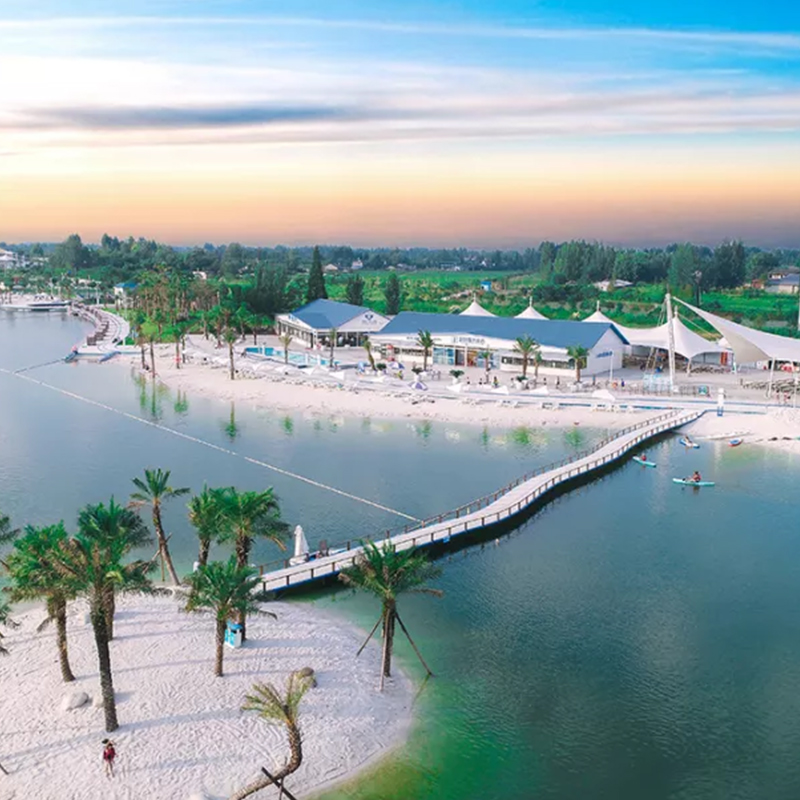
An awning is more than a shade structure. It is a long-term investment that protects people, equipment, and building envelopes from sun, rain, wind, and snow. In regions that experience extreme weather, the fabric selected determines whether an awning lasts for years or fails in a single season. Knowing what makes a durable fabric awning material, and comparing the available options, can help you choose with confidence.
Extreme weather is rarely one single condition. It is often a combination of ultraviolet radiation, temperature swings, moisture, and wind load. A truly durable awning fabric must handle all of these stresses without losing shape, color, or strength.
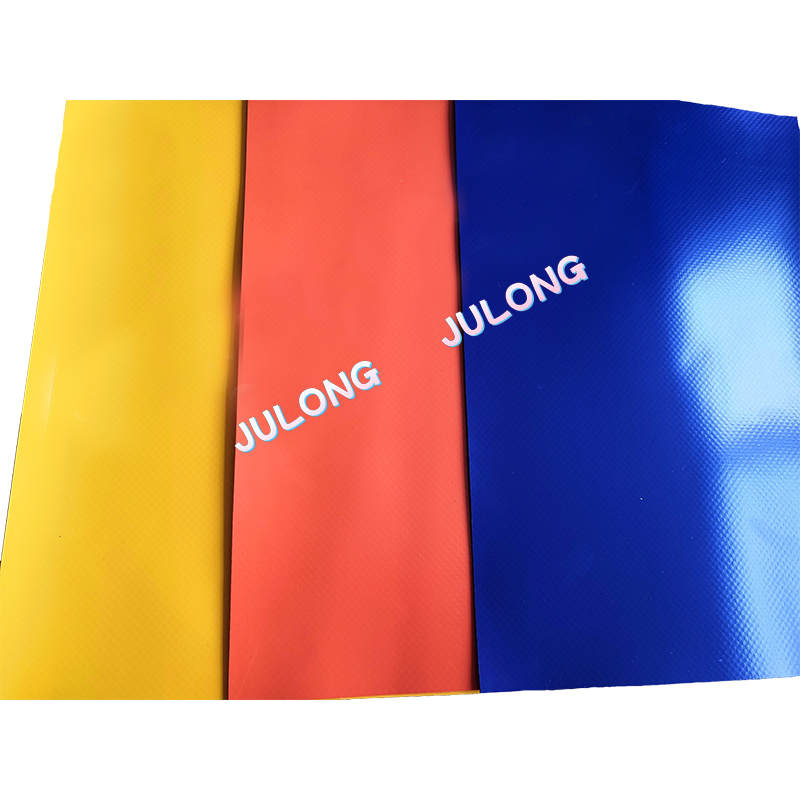
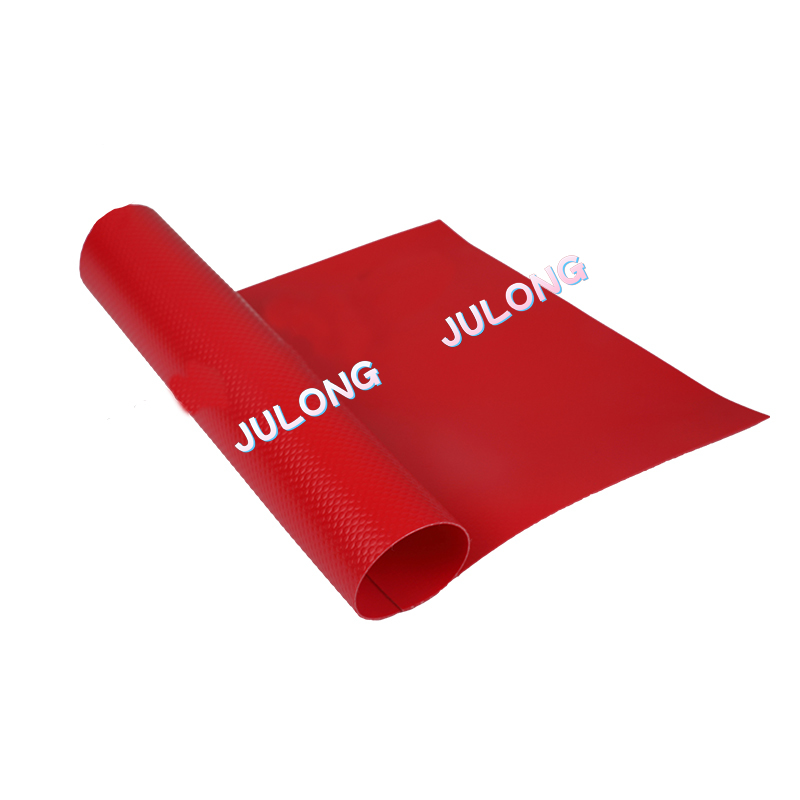
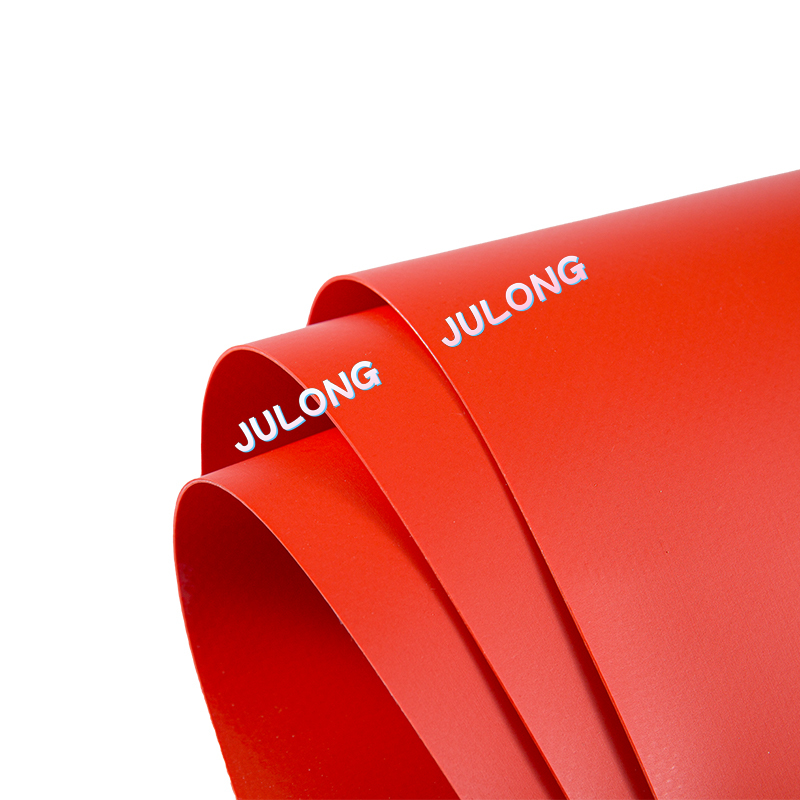
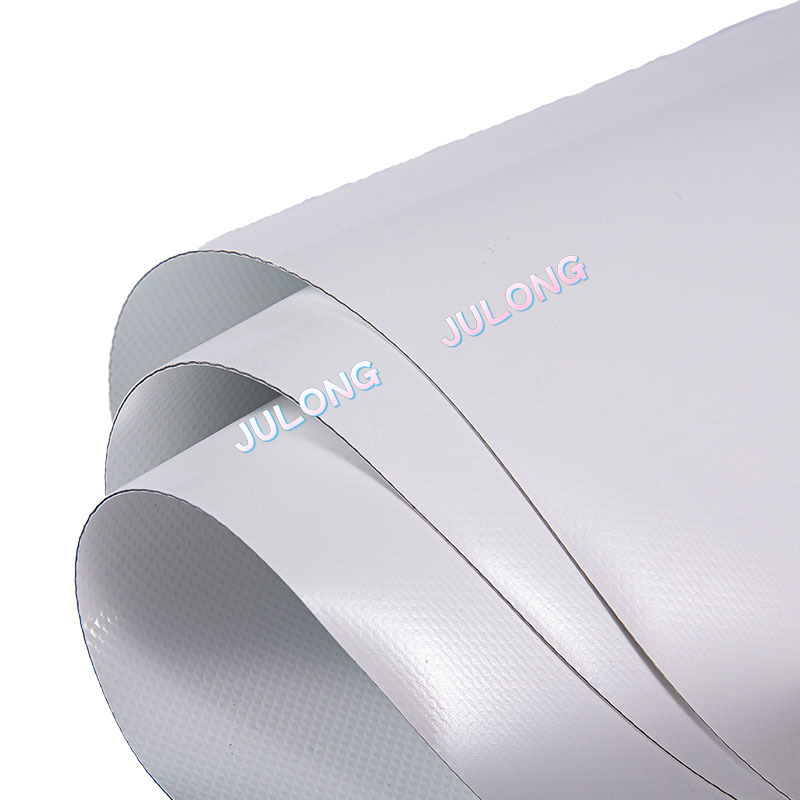
PVC-coated polyester is one of the most dependable material families for these requirements because it combines a strong woven base with a flexible protective layer.
There is no single fabric that works perfectly for every situation, but some materials perform far better than others under extreme weather. The table below summarizes the main options.
| Material | Best For | Key Strength | Consideration |
|---|---|---|---|
| PVC-coated polyester | Commercial awnings, canopies, shelters | Balanced strength, waterproofing, UV resistance | Needs quality coating and UV stabilizers |
| PVDF-coated PVC polyester | Architectural canopies, long-term structures | Self-cleaning surface, long service life | Higher cost, more strict fabrication requirements |
| PVC-coated mesh | Sunshades, windbreak awnings, covered walkways | Reduces wind load while blocking a large share of sunlight | Not fully waterproof |
| Acrylic fabric | Residential and decorative awnings | Colorfastness and breathable appearance | Generally lower tear strength than coated polyester |
For most extreme-weather applications, PVC-coated polyester offers the best combination of durability, weather resistance, and value.
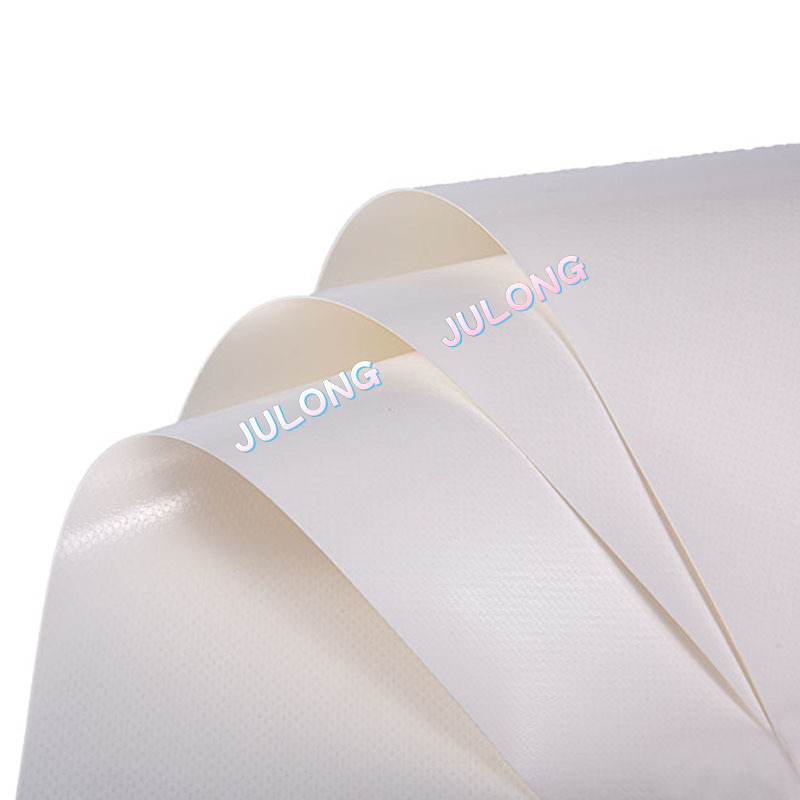
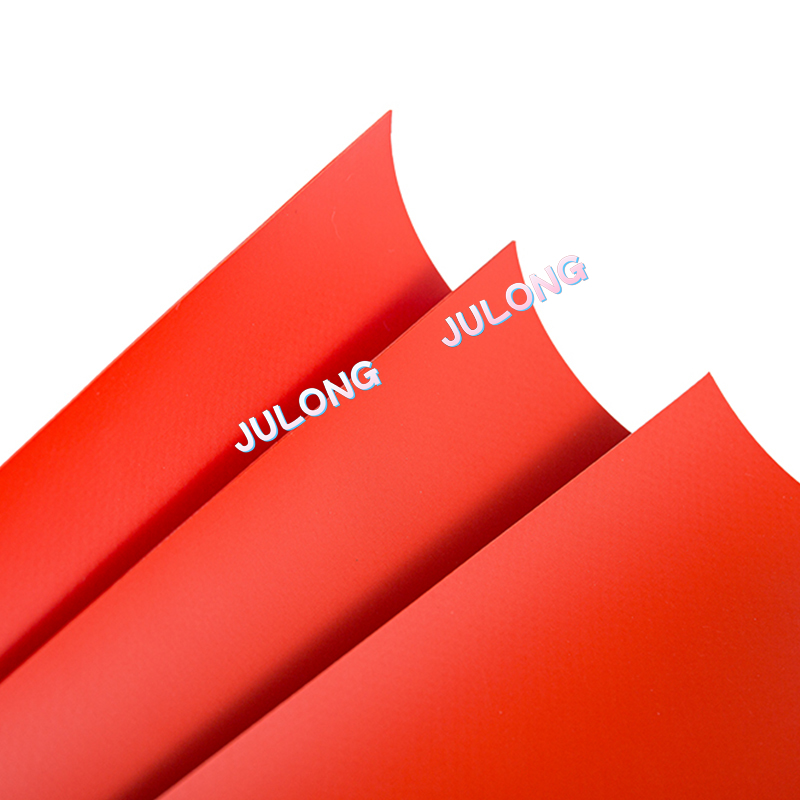
The best durable fabric awning materials share one important feature: a strong woven base protected by a reliable coating. In PVC-coated polyester fabric, the woven polyester base provides tensile strength and dimensional stability. The PVC coating then adds waterproofing, abrasion resistance, and protection from UV radiation.
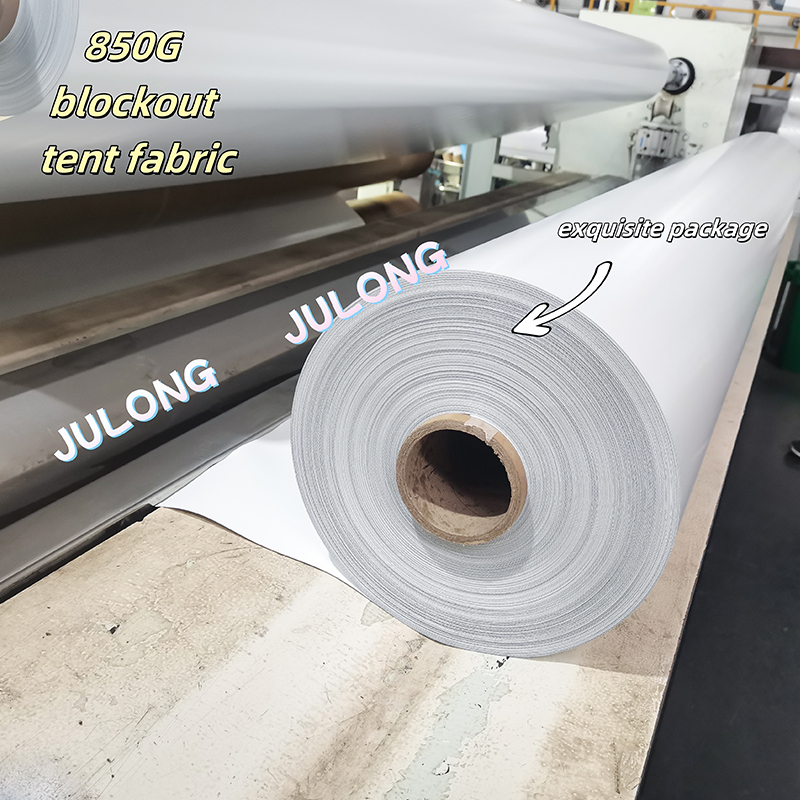 850G PVC Coated Marquee Tent Fabric for Heavy-Duty AwningsThis heavyweight coated polyester fabric offers strong waterproofing, UV protection, and tear resistance, making it a reliable choice for large canopies and event structures exposed to harsh weather.View Product →
Heavyweight coated polyester is especially useful for awnings that remain installed through all four seasons. The dense fabric structure resists punctures and tears, while the coating helps shed rain and snow. This is why 850g PVC-coated marquee fabric is often selected for large canopies, event structures, and industrial shade covers in demanding climates.
We have manufactured PVC-coated fabrics for more than a decade, and the most successful outdoor projects consistently use coated polyester rather than uncoated canvas or lightweight polyethylene. The coating not only protects the fabric from moisture but also makes it easier to clean and maintain.
Not every PVC-coated fabric performs the same in extreme weather. The base cloth density, coating formulation, and surface treatment all affect the final result. Before selecting an awning material, consider these performance points.
For areas with strong winds and intense sun, PVC-coated mesh fabric is another practical solution. The open structure reduces sail effect and allows airflow, which lowers the load on the frame while still providing shade. A 400g PVC-coated polyester mesh fabric is a common choice for outdoor sunshades, car park covers, and building facades where wind pressure is a serious concern.
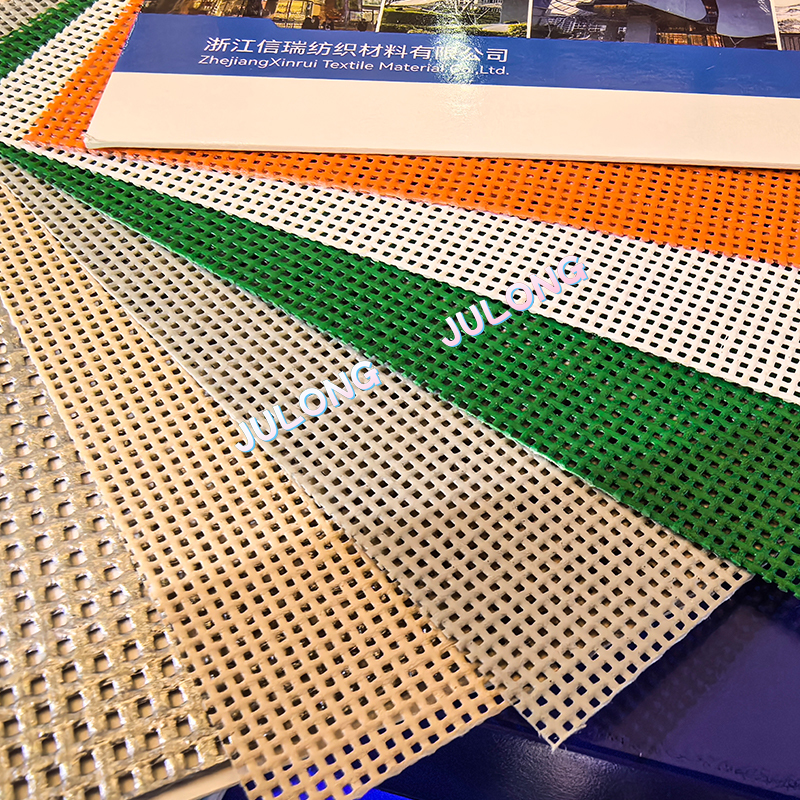 400G PVC Coated Polyester Mesh Fabric for Outdoor SunshadesThis breathable mesh fabric reduces wind load while providing shade, making it suitable for car park covers, building facades, and other outdoor areas where airflow and sun protection are needed.View Product →
If you want a deeper look at how coated fabrics respond to sunlight, moisture, and temperature changes, you can read our review of whether these materials resist UV rays, water, and extreme temperatures effectively.
Fabric weight is one of the most practical ways to match an awning material to local weather conditions. Coated polyester awning fabrics are usually described by grams per square meter, and higher weight generally means more strength and durability.
Hot climates also benefit from a blockout coating layer, which stops sunlight from passing directly through the fabric. This reduces heat buildup underneath the awning and protects furniture, vehicles, or customers from harsh glare.
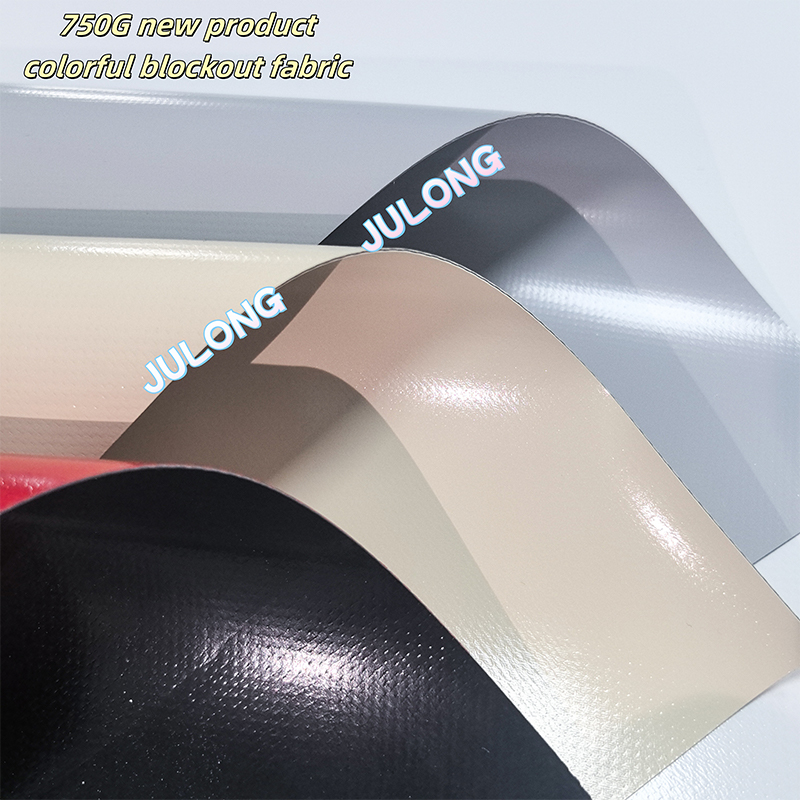 750G PVC Coated Blockout Marquee Tent Fabric for Cold ClimatesThis blockout fabric stops sunlight penetration to reduce heat buildup, while its flexible PVC coating stays workable in freezing temperatures, ensuring long-lasting waterproofing and durability.View Product →
For colder regions, the flexibility of the PVC coating is a critical factor. Cheap coatings can stiffen and crack in freezing temperatures. A quality 750g PVC-coated blockout fabric remains workable and retains its waterproofing properties through repeated freeze-thaw cycles.
If you are comparing coated fabrics for shelters or temporary structures, our guide to choosing PVC-coated polyester tarps for tents covers several of the same selection points, including weight, coating, and intended use.
Even the best durable fabric awning materials need proper installation and routine care. A well-maintained awning can last significantly longer than the same fabric left without attention.
Regular inspection is especially important after strong storms. A small tear in a coated fabric is much easier to repair when it is caught early.
Choosing the best durable fabric awning materials for extreme weather is not about finding one perfect product. It is about matching fabric construction, coating quality, weight, and structural support to the conditions at your site. PVC-coated polyester remains the most dependable all-round choice for harsh climates because it offers strong tear resistance, reliable waterproofing, UV protection, and the flexibility needed to handle temperature swings.
For projects that need airflow and wind relief, a PVC-coated mesh fabric works well as a shade screen. For heavy commercial and industrial awnings, a heavier coated fabric provides the margin of safety that extreme weather demands. By understanding how these materials perform, you can invest in an awning that will not only look good but also protect your space for years.
Win-win cooperation with new and old customers, create the future.

No. 9, Xingang Avenue, Ningguo City, Anhui Province, China.


+86 15397280550
Copyright © Anhui Longsheng New Material Technology Co., Ltd. Architecture Membrane Material Manufacturers Outdoor PVC Waterproof Fabric Supplier
