
 English
 عربى
عربىTarp for Truck Cover




Content
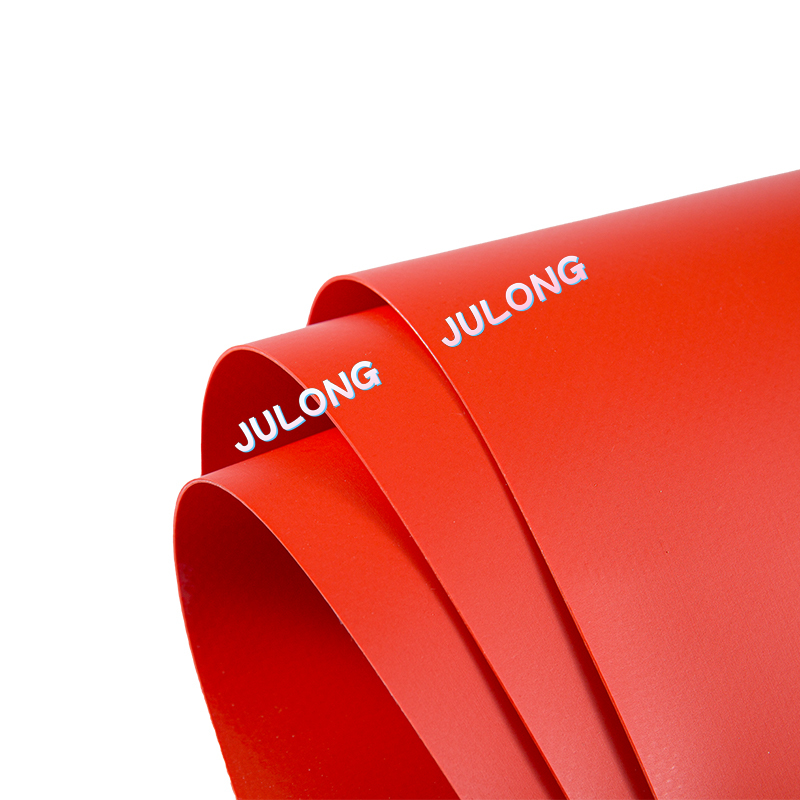
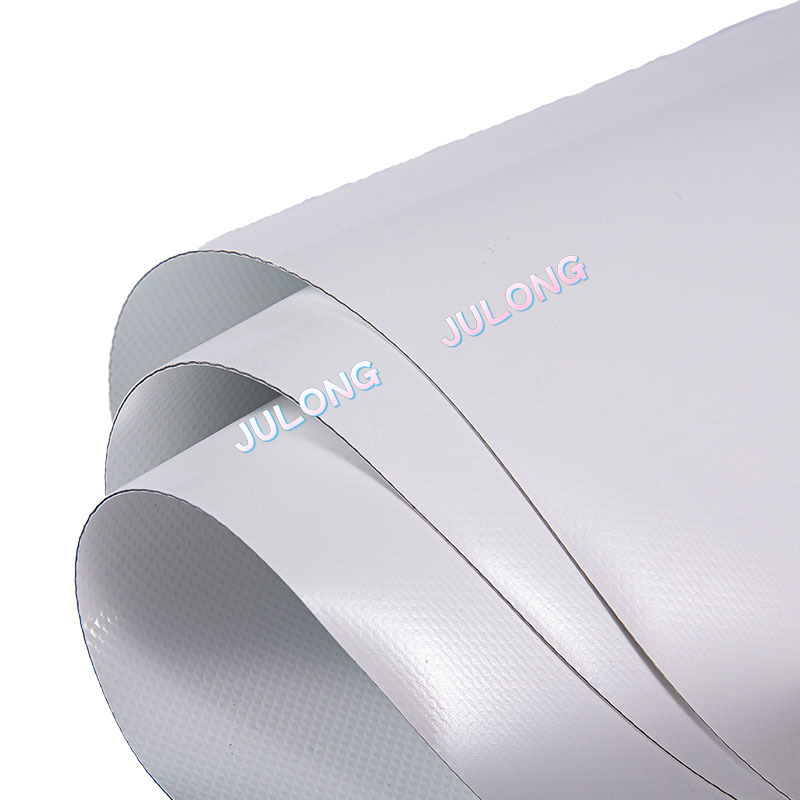
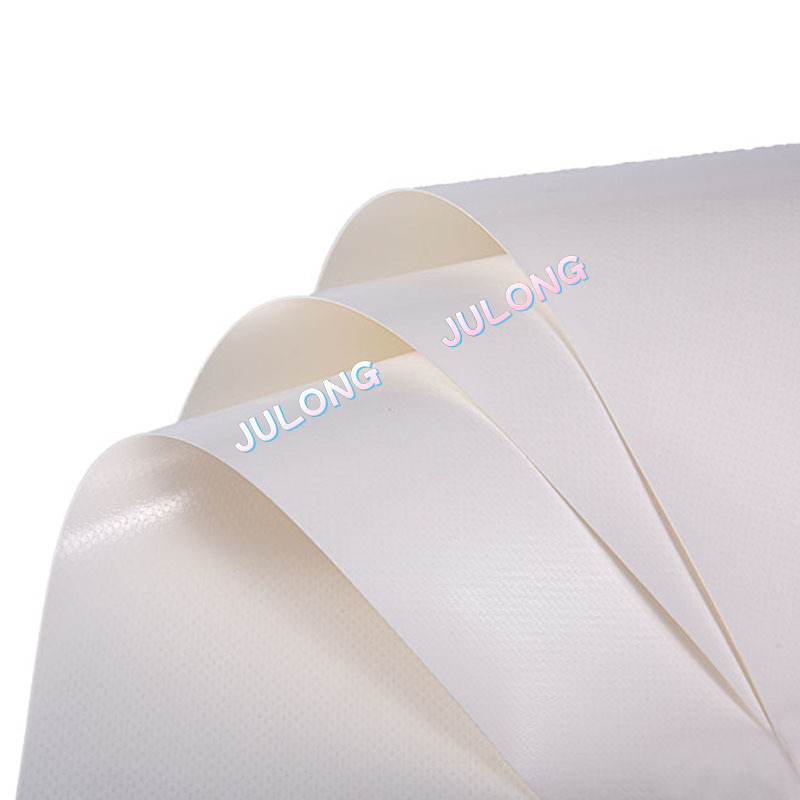
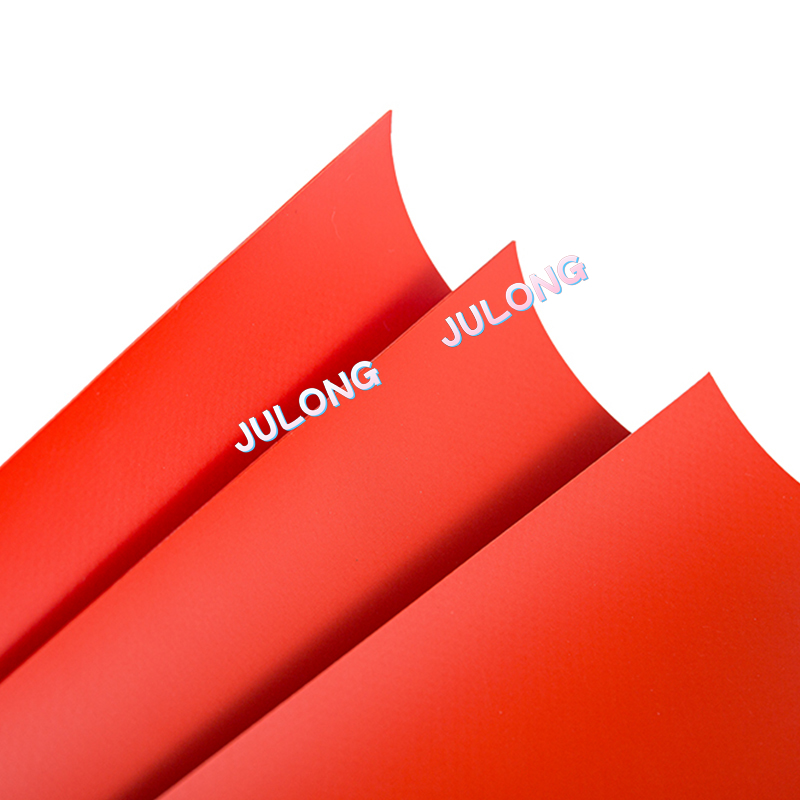
PVC high speed door fabric represents a critical component in modern industrial and commercial facilities, serving as the primary barrier material for rapid-action doors that facilitate efficient traffic flow while maintaining environmental separation. This specialized fabric consists of polyvinyl chloride polymers reinforced with high-tenacity polyester or nylon scrim, creating a durable, flexible material capable of withstanding thousands of daily operating cycles. The engineering behind these fabrics balances multiple performance requirements including mechanical strength, weather resistance, transparency or opacity, and the ability to recover quickly from impacts without permanent damage.
The fundamental construction of PVC high speed door fabric involves multiple layers bonded together through heat lamination or chemical adhesion processes. The core reinforcement layer, typically woven polyester fabric with thread counts ranging from nine by nine to twenty by twenty threads per inch, provides tensile strength and dimensional stability. This reinforcement is coated on both sides with PVC compounds formulated to deliver specific performance characteristics such as cold flexibility, flame resistance, chemical resistance, or enhanced visibility. Modern manufacturing techniques ensure consistent thickness, uniform coating distribution, and precise control over physical properties that directly impact door performance and longevity.
Selecting appropriate PVC fabric for high speed door applications requires thorough understanding of performance parameters that influence operational reliability, maintenance requirements, and total cost of ownership. These characteristics must align with specific environmental conditions, traffic patterns, and operational demands of each installation.
The mechanical integrity of PVC door fabric depends primarily on tensile strength measured in both warp and weft directions, typically ranging from one thousand to four thousand newtons per fifty millimeters of fabric width. Higher tensile values indicate greater resistance to stretching under load, which prevents fabric deformation during rapid opening and closing cycles. Tear propagation resistance is equally critical, as small punctures or cuts can rapidly extend across the fabric panel under stress. Quality fabrics incorporate tear-stop reinforcement patterns or utilize ripstop weave structures that arrest tear propagation, significantly extending service life in demanding applications where accidental impacts are common.
High speed doors must operate reliably across wide temperature ranges, particularly in cold storage facilities, loading docks, or outdoor installations exposed to winter conditions. Standard PVC formulations become stiff and brittle at temperatures below freezing, leading to cracking, reduced flexibility, and mechanical failure. Specialized cold-flexible PVC compounds maintain pliability at temperatures as low as negative thirty to negative forty degrees Celsius, enabling smooth door operation and preventing damage from repeated flexing in frozen conditions. The cold crack temperature, determined through standardized testing, provides a reliable metric for comparing fabric suitability for low-temperature applications.
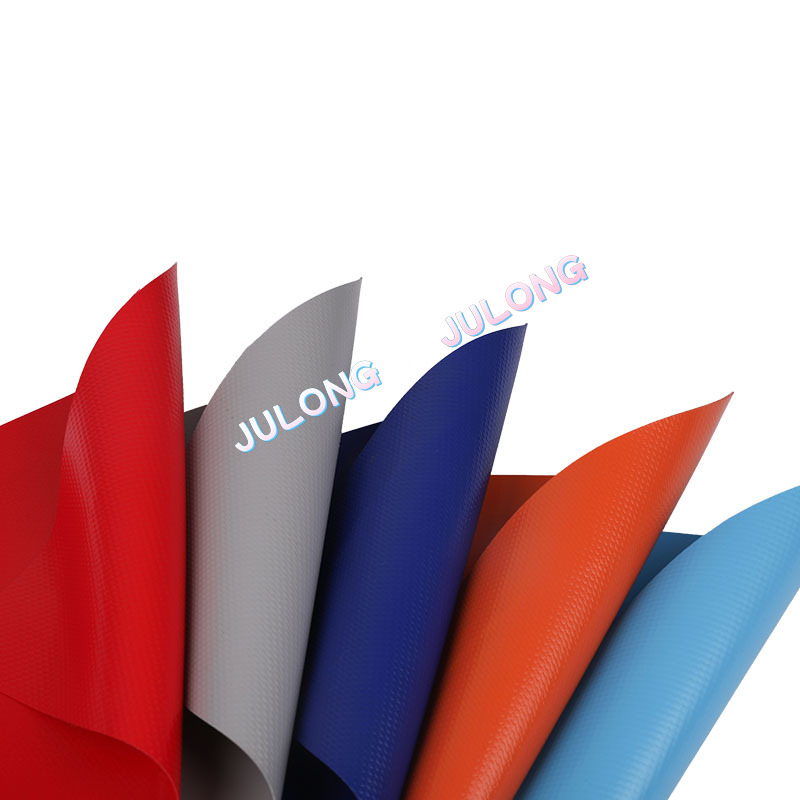
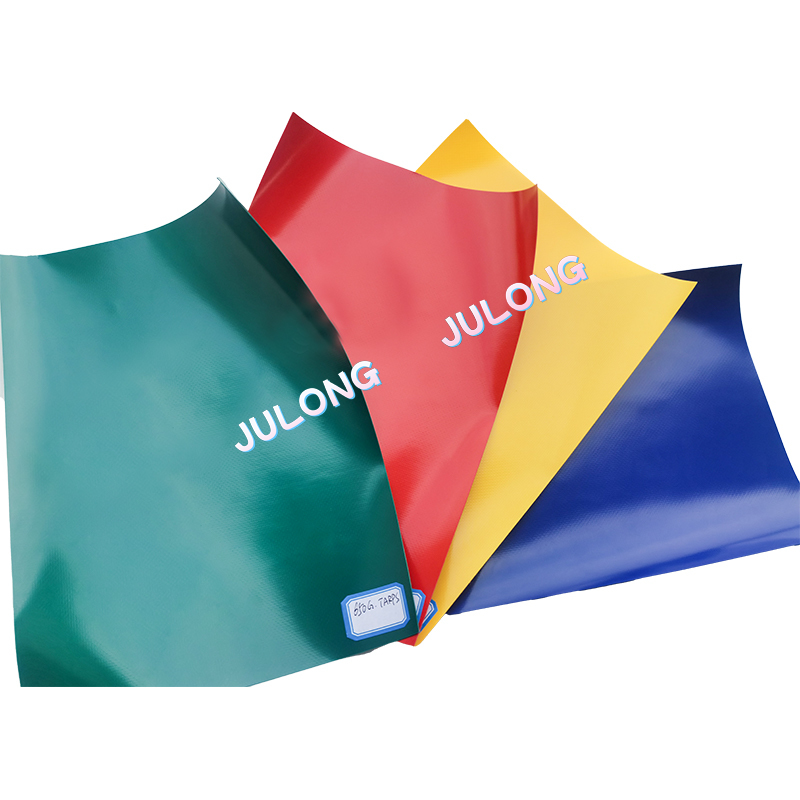
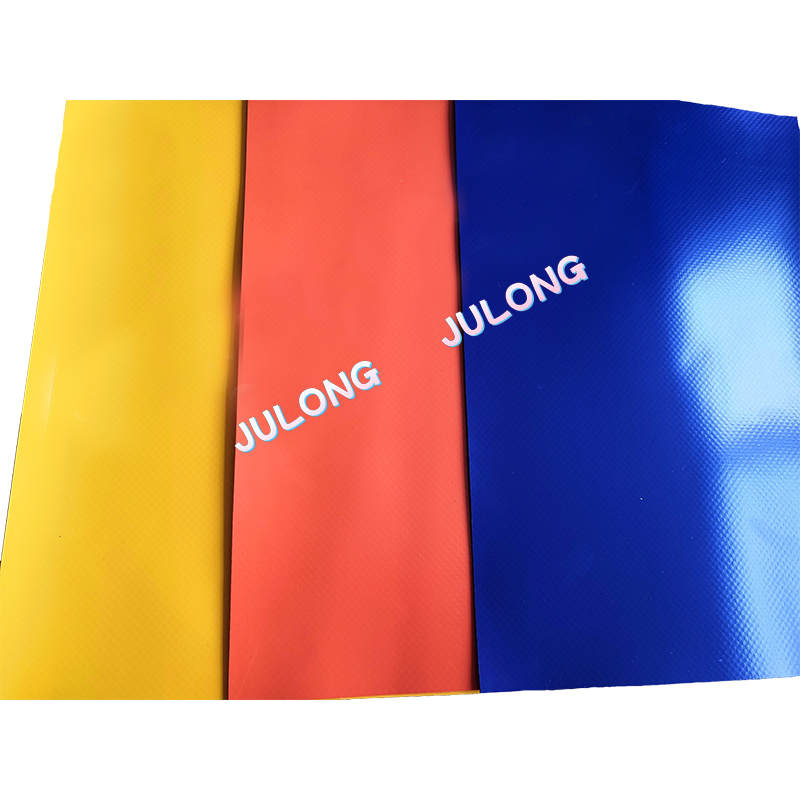
Transparency requirements vary significantly based on application safety considerations and operational workflows. Clear PVC fabrics with light transmission exceeding eighty percent enable visibility through closed doors, reducing collision risks and improving traffic flow efficiency in busy facilities. The clarity depends on PVC resin purity, plasticizer selection, and coating thickness, with premium grades maintaining transparency despite years of UV exposure and cleaning cycles. Opaque or translucent fabrics serve applications requiring privacy, light blocking, or aesthetic considerations, with pigmented formulations available in various colors to match corporate branding or facility design schemes.
The market offers diverse PVC fabric specifications engineered for distinct application requirements, environmental conditions, and performance expectations. Understanding these categories facilitates optimal material selection for specific operational contexts.
General-purpose PVC fabrics suitable for moderate-duty applications feature fabric weights ranging from four hundred to seven hundred grams per square meter, tensile strengths between one thousand five hundred and two thousand five hundred newtons, and operating temperature ranges from negative ten to positive fifty degrees Celsius. These materials provide cost-effective solutions for interior doors, warehouse partitions, and applications with moderate traffic volumes where environmental conditions remain relatively controlled. Standard fabrics typically offer service lives of three to five years under normal operating conditions with appropriate maintenance protocols.
Facilities with intensive door usage, frequent forklift traffic, or exposure to mechanical abuse require reinforced PVC fabrics engineered for extreme durability. Heavy-duty variants feature fabric weights exceeding one thousand grams per square meter, enhanced reinforcement scrims with higher thread counts, and additional protective coatings that resist abrasion, puncture, and tear propagation. These premium materials withstand hundreds of operating cycles daily, recover from minor impacts without damage, and deliver service lives exceeding seven to ten years in demanding industrial environments. The increased initial investment is offset by reduced replacement frequency and lower maintenance costs.
Unique operational requirements drive development of specialized PVC formulations with enhanced specific properties. Food processing facilities utilize FDA-approved fabrics meeting stringent hygiene standards with smooth, non-porous surfaces that resist bacterial growth and facilitate thorough cleaning. Pharmaceutical and cleanroom applications demand low-particulate fabrics that minimize contamination risks. Chemical processing environments require fabrics with enhanced resistance to acids, bases, solvents, or oils. Fire-rated fabrics incorporating flame retardant additives meet building code requirements for fire separation barriers while maintaining high-speed operation capabilities.
Proper fabric selection requires systematic evaluation of operational parameters, environmental conditions, and long-term performance expectations. Overlooking critical factors during specification can result in premature failure, excessive maintenance, or inadequate environmental separation.
| Application Type | Recommended Weight | Key Properties | Typical Lifespan |
| Interior Warehouse | 400-600 g/m² | Standard flexibility, moderate strength | 3-5 years |
| Loading Dock | 700-900 g/m² | Weather resistance, impact recovery | 5-7 years |
| Cold Storage | 600-800 g/m² | Cold flexibility, insulation | 4-6 years |
| Heavy Industrial | 1000+ g/m² | Maximum durability, tear resistance | 7-10 years |
The anticipated number of daily operating cycles directly influences fabric durability requirements and expected service life. Doors operating fewer than fifty cycles daily can utilize lighter-weight fabrics with lower tensile ratings, while high-traffic installations exceeding two hundred cycles daily demand heavy-duty materials with enhanced fatigue resistance. Facilities operating continuous shifts with frequent door activations should specify premium fabrics engineered for extreme duty cycles, even if initial costs are substantially higher, as the reduced replacement frequency delivers superior long-term value.
External environmental factors significantly impact fabric performance and longevity. Outdoor installations or doors separating climate-controlled spaces from external conditions face UV radiation, temperature extremes, wind loading, and precipitation exposure requiring weather-resistant formulations. Chemical exposure from cleaning agents, process materials, or airborne contaminants necessitates verification of chemical compatibility to prevent premature degradation. High-humidity environments may promote mildew growth on fabric surfaces unless antimicrobial additives are incorporated into the PVC compound.
Proper installation of PVC high speed door fabric ensures optimal performance, extends service life, and prevents operational problems that compromise door functionality or safety. Professional installation following manufacturer specifications and industry best practices delivers reliable operation and maximizes return on investment.
Joining fabric sections or attaching reinforcement components requires appropriate welding methods that create bonds stronger than the base material. Hot air welding uses controlled heated air streams to soften PVC surfaces before pressing them together, creating molecular fusion without external adhesives. Radio frequency welding applies electromagnetic energy to heat and fuse materials from within, producing exceptionally strong seams ideal for critical applications. Solvent welding dissolves surface layers before pressing materials together, though this method is less common for high-stress applications. Proper welding requires operator training, calibrated equipment, and testing to verify seam strength meets or exceeds fabric specifications.
Regular maintenance preserves PVC fabric appearance, maintains operational performance, and identifies developing issues before they escalate into costly failures. Establishing systematic inspection and cleaning schedules appropriate to facility conditions extends fabric service life and ensures consistent door operation.
PVC fabric surfaces accumulate dust, dirt, oils, and other contaminants during normal operation, reducing transparency, promoting degradation, and creating unsightly appearance. Regular cleaning using mild detergent solutions and soft brushes or cloths removes surface contamination without damaging the PVC coating. High-pressure washing should be avoided as excessive force can damage fabric structure or drive water into seams and mounting areas. Food processing and pharmaceutical facilities require more frequent cleaning with approved sanitizing agents to maintain hygiene standards. Clear fabrics benefit from periodic polishing with vinyl cleaners that restore transparency and provide protective coatings against future soiling.
Systematic inspection programs identify wear patterns, developing damage, or installation issues requiring corrective action. Monthly visual inspections should assess fabric condition including tears, punctures, edge wear, seam integrity, and mounting hardware security. Particular attention should focus on high-stress areas including bottom bar attachments, guide channel contact surfaces, and locations where fabric folds during storage. Minor damage detected early can often be repaired using PVC patches and appropriate welding techniques, preventing small problems from expanding into costly fabric replacement. Tracking inspection findings over time reveals patterns that guide operational adjustments or installation modifications to reduce accelerated wear.
Despite proper selection and installation, PVC high speed door fabrics occasionally develop operational problems requiring diagnosis and corrective action. Understanding common failure modes enables rapid resolution and prevents extended downtime.
Excessive fabric stretch manifests as sagging, wrinkling, or improper sealing against guide channels and bottom seals. Root causes include initial fabric tension set too low, fabric weight inadequate for door dimensions, excessive operating speed causing dynamic loading, or degraded fabric losing dimensional stability from age or environmental exposure. Corrective measures involve retensioning the fabric if material condition permits, reducing door operating speed to minimize dynamic forces, or replacing fabric with heavier-weight material better suited to application demands.
Tears originating at fabric edges near mounting points or guide channels indicate inadequate edge reinforcement, improper installation creating stress concentrations, or guide channel misalignment causing excessive friction. Inspection should verify guide channel alignment, confirm mounting hardware does not create sharp edges or pinch points, and assess edge reinforcement adequacy. Repairs require removing damaged sections, installing proper reinforcement, and addressing underlying installation or alignment issues to prevent recurrence.
Initial fabric costs represent only one component of total ownership expenses over the door's operational life. Comprehensive cost analysis should include installation labor, expected service life, maintenance requirements, energy efficiency impacts, and replacement frequency. Premium fabrics with higher initial costs often deliver superior long-term value through extended service life, reduced maintenance, and improved operational reliability. Conversely, selecting inadequate materials to minimize initial investment typically results in frequent replacements, operational disruptions, and ultimately higher total costs. Facilities should evaluate fabric options using lifecycle cost analysis rather than simple purchase price comparison to identify optimal solutions balancing performance, durability, and economic efficiency throughout the expected operational period.

Win-win cooperation with new and old customers, create the future.

No. 9, Xingang Avenue, Ningguo City, Anhui Province, China.


+86 15397280550
Copyright © Anhui Longsheng New Material Technology Co., Ltd. Architecture Membrane Material Manufacturers Outdoor PVC Waterproof Fabric Supplier
