
 English
 عربى
عربىTarp for Truck Cover




Content
Tent fabric — particularly the heavy-duty PVC coated material used in marquee and event tents — represents a significant investment. A well-maintained marquee tent can last 10 to 15 years or longer, while one that is cleaned carelessly or stored dirty may deteriorate within a fraction of that time. Incorrect cleaning methods strip protective coatings, introduce microscopic abrasions that accelerate UV degradation, and compromise the waterproof performance that PVC coated fabrics are specifically engineered to deliver. Understanding how to clean tent fabric correctly — and equally importantly, what to avoid — is the single most impactful maintenance decision you can make to protect that investment.
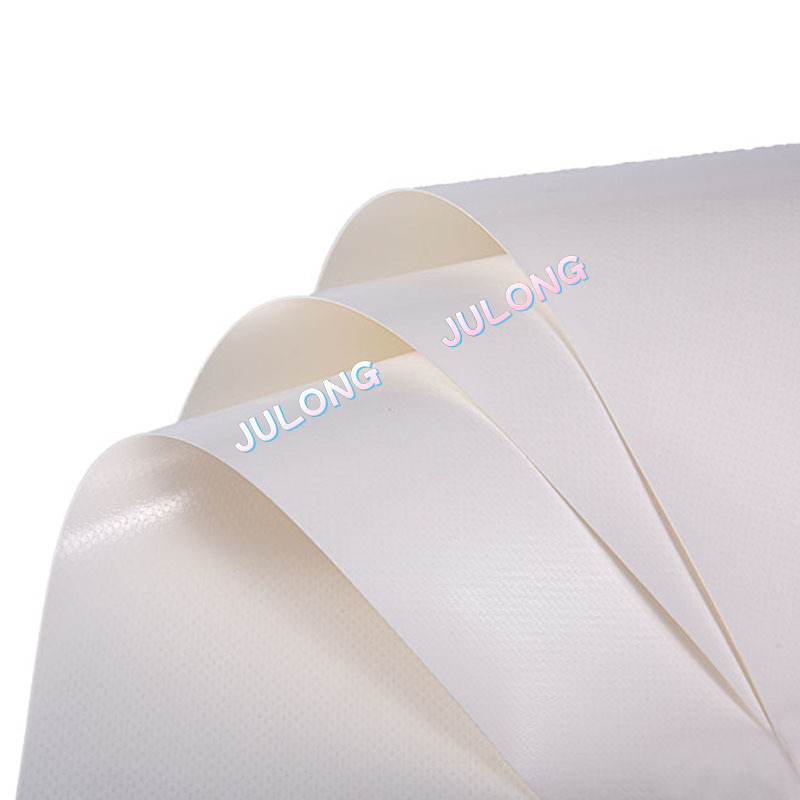
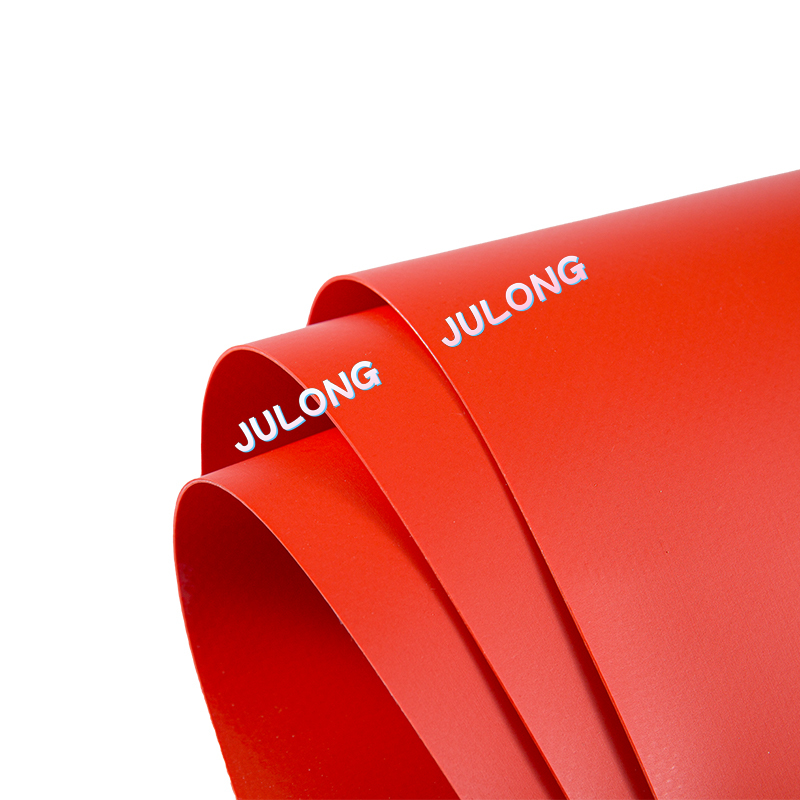
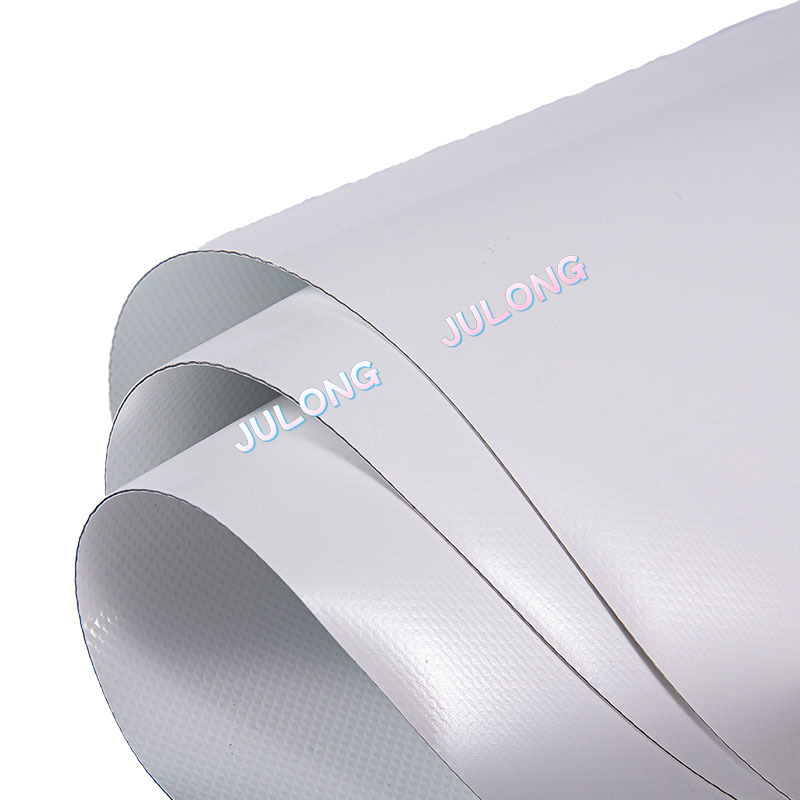
PVC coated marquee tent fabric differs fundamentally from the lightweight nylon or polyester used in camping tents. The material typically consists of a woven polyester scrim — the structural core — coated on both sides with a layer of plasticized PVC compound. This construction gives marquee fabric its characteristic combination of high tensile strength, dimensional stability, and weather resistance. But the PVC coating is also the element most vulnerable to aggressive cleaning chemicals, abrasive tools, and improper drying practices. Every cleaning method must be evaluated against the question of whether it cleans the surface without degrading the coating.
Assembling the right tools and cleaning agents before you begin saves time, prevents improvised mistakes, and ensures the process is safe for the fabric. For PVC coated marquee tent fabric, the following equipment and products represent the standard toolkit used by professional tent hire companies and event infrastructure specialists.
Cleaning a marquee tent fabric properly follows a logical sequence that removes contamination progressively without pushing it deeper into seams or saturating the material unnecessarily. Whether cleaning panels in situ on an erected structure or working on laid-flat panels, the same sequence applies.
Before applying any water or cleaning solution, remove loose surface debris — leaves, bird droppings, dust, and dried mud — by brushing gently with a soft-bristle brush or by shaking panels that have been removed from the frame. Wetting heavy debris before removing it can grind abrasive particles into the PVC surface during the cleaning process, causing micro-scratching that dulls the finish and creates channels for future dirt retention. On an erected tent, pay particular attention to seam lines, eyelets, and connection points where debris accumulates and is prone to holding moisture.
Mould and mildew on PVC coated tent fabric are among the most common and most damaging problems encountered in marquee maintenance. They appear as black, grey, or green patches — typically following storage when the fabric was packed away damp or when an erected tent has been in service in humid, shaded conditions for an extended period. Apply your mould treatment solution (diluted white vinegar, specialist mould remover, or a 1% sodium hypochlorite solution used very cautiously as a last resort) directly to affected areas using a sponge or soft brush. Allow it to dwell for the time specified by the product manufacturer — typically 5 to 15 minutes — then work it gently into the surface with the brush. Do not scrub aggressively; mould treatment works primarily through chemical action, and mechanical scrubbing adds little benefit while risking surface damage.
Mix your mild soap or specialist PVC cleaner with clean water according to the manufacturer's dilution ratio — for general soap, a ratio of approximately 1 tablespoon of mild liquid soap per 4 liters of warm water is a standard starting point. Apply the solution generously to a manageable section of the fabric using a sponge or soft brush, working in straight lines or gentle circular motions. Do not apply the solution to the entire tent surface at once; work in sections of approximately 1 to 2 square meters, completing the rinse on each section before moving on. This prevents the cleaning solution from drying on the surface and leaving residue deposits that attract further soiling.
Rinsing is as important as the cleaning itself. Soap residue left on PVC coated fabric becomes a dirt magnet, accelerating the rate at which the tent re-soils after cleaning. Rinse each cleaned section with a generous flow of clean water from a garden hose fitted with a soft-spray nozzle, working from the top of the panel downward so rinse water carries contamination away from already-cleaned areas rather than back over them. Continue rinsing until the water running off the panel is completely clear with no soap foam present.
Drying is the stage where most damage to tent fabric occurs through impatience. PVC coated marquee fabric must be completely dry — including seams, folds, hemlines, and reinforced edge zones — before it is folded, rolled, or packed for storage. Packing damp tent fabric is the primary cause of mould colonization between storage events. Where possible, leave the fabric erected or laid flat in a well-ventilated area in natural air. If panels must be dried indoors, use fans to circulate air and avoid stacking panels until each is confirmed dry to the touch throughout, including at doubled or reinforced sections.
The following summary provides a quick-reference guide to the most important dos and don'ts for PVC coated marquee tent fabric cleaning, capturing the practical rules that experienced tent operators apply consistently.
| DO | DON'T |
| Use mild pH-neutral soap or specialist PVC cleaner | Use bleach, ammonia, or solvent-based cleaners |
| Use soft brushes, sponges, or microfiber cloths | Use wire brushes, scouring pads, or abrasive tools |
| Rinse thoroughly until water runs completely clear | Leave soap or cleaner residue on the surface |
| Allow fabric to dry completely before packing | Pack or store fabric while damp or wet |
| Treat mould with appropriate solution before general cleaning | Scrub mould aggressively into the fabric surface |
| Apply PVC conditioner after cleaning and drying | Use petroleum-based or silicone-based polishes |
| Work in sections, rinsing each before moving on | Let cleaning solution dry on the fabric surface |
| Use low-pressure water spray for rinsing | Use high-pressure jet wash directly on the fabric |
This is one of the most frequently asked questions in tent maintenance, and the honest answer is: with extreme caution and only at very low pressure. High-pressure jet washing at typical domestic or commercial pressure washer settings (100–200 bar) will drive water into seams, delaminate the PVC coating from the base fabric, force water through needle holes, and physically erode the surface texture of the coating. The damage caused by a single aggressive pressure washing session can permanently compromise the waterproof performance of a tent panel that would otherwise have lasted many more years.
If you choose to use a pressure washer, set it to the lowest available pressure — ideally below 30 bar — use a wide fan nozzle rather than a narrow jet, and maintain a distance of at least 60 cm from the fabric surface. Keep the spray moving constantly rather than dwelling in one area, and never direct the spray at seams, hems, or eyelets. For the vast majority of marquee tent cleaning situations, a garden hose with a soft-spray attachment delivers entirely sufficient water volume and pressure to rinse the fabric effectively without any of the risk associated with pressure washing.
Different contamination types require slightly different treatment approaches. Applying the wrong approach to a specific stain type can set the stain permanently or cause more damage than the original contamination.
Dried bird droppings are acidic and will etch PVC coating if left in contact with the surface for extended periods. Remove them promptly by rehydrating with a damp cloth, allowing the dropping to soften for 2 to 3 minutes, then gently lifting it away rather than rubbing it across the surface. Follow with mild soap solution and thorough rinsing. Tree sap and pollen deposits respond similarly to rehydration with warm water before gentle mechanical removal.
Grease and oil stains from catering or machinery require a degreasing agent, but solvent-based degreasers must be avoided entirely as they will dissolve the plasticizers in PVC and cause permanent surface hardening and cracking in the treated area. Use a diluted washing-up liquid solution — the surfactant action of dish soap is effective against fatty contamination — applied with a soft brush and allowed to dwell for 5 minutes before agitation and rinsing. Repeat the cycle two or three times on persistent grease stains rather than increasing the concentration of the cleaning agent.
Rust staining around metal eyelets, tensioning fittings, or steel frame contact points is a common problem on older or poorly maintained marquee tents. Mild oxalic acid-based rust removers are compatible with PVC fabric when used in diluted form and rinsed promptly and thoroughly. Apply with a sponge to the stained area only, allow no more than 5 minutes contact time, and rinse completely. Simultaneously, the source of the rust — corroded fittings or frame components — should be treated or replaced to prevent recurrence.
Cleaning removes not just dirt but also some of the plasticizing compounds and surface treatments that keep PVC tent fabric flexible, UV-resistant, and water-repellent. Applying a dedicated PVC fabric conditioner or protectant after every thorough cleaning session replenishes these compounds and maintains the performance characteristics of the material. Products specifically formulated for PVC coated canvas or marquee fabric contain UV stabilizers, plasticizer replenishment agents, and sometimes additional water-repellent chemistry. Apply with a clean soft cloth in thin, even coats and allow to penetrate before any excess is buffed off. Avoid silicone-based spray products, as these create a surface layer that prevents future conditioning products from penetrating the PVC and can interfere with heat-weld repairs to seams.
For long-term storage, fold panels along their natural fold lines rather than creating new creases — repeated creasing along the same line eventually causes PVC coating fracture and cracking at those points. Store fabric rolls or folded panels in a cool, dry, dark environment away from direct sunlight, ozone sources (electric motors, fluorescent lighting ballasts), and rodents. A breathable cotton storage bag or cover is preferable to plastic sheeting, which traps residual moisture and accelerates mould growth even on apparently dry fabric. Inspect stored fabric at least once every six months for early signs of mould, plasticizer migration (surface oiliness or tackiness), or coating separation, and address any issues before the next event deployment.

Win-win cooperation with new and old customers, create the future.

No. 9, Xingang Avenue, Ningguo City, Anhui Province, China.


+86 15397280550
Copyright © Anhui Longsheng New Material Technology Co., Ltd. Architecture Membrane Material Manufacturers Outdoor PVC Waterproof Fabric Supplier
