
 English
 عربى
عربىTarp for Truck Cover




Content
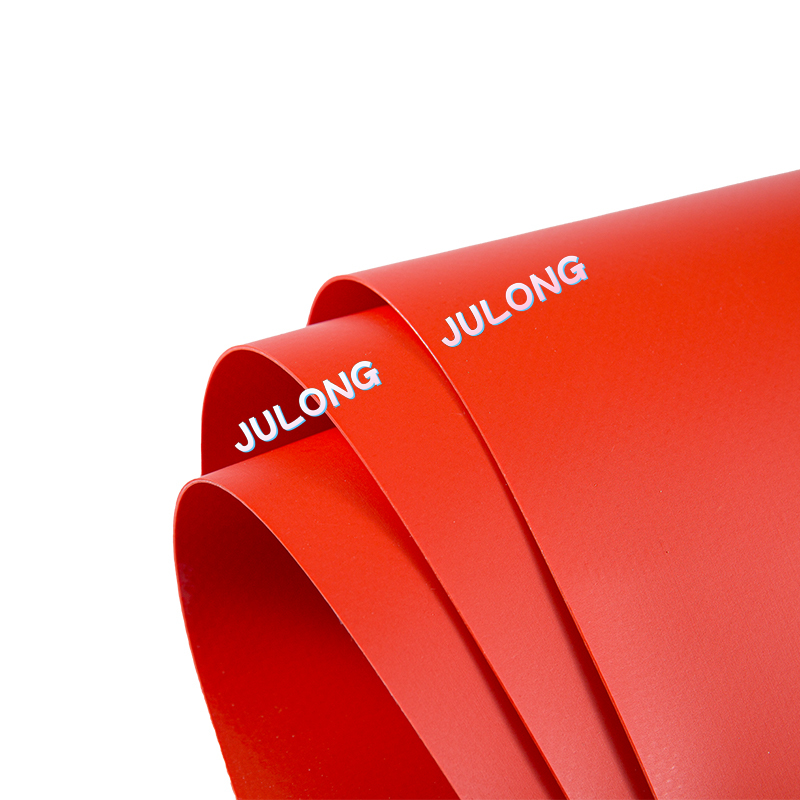
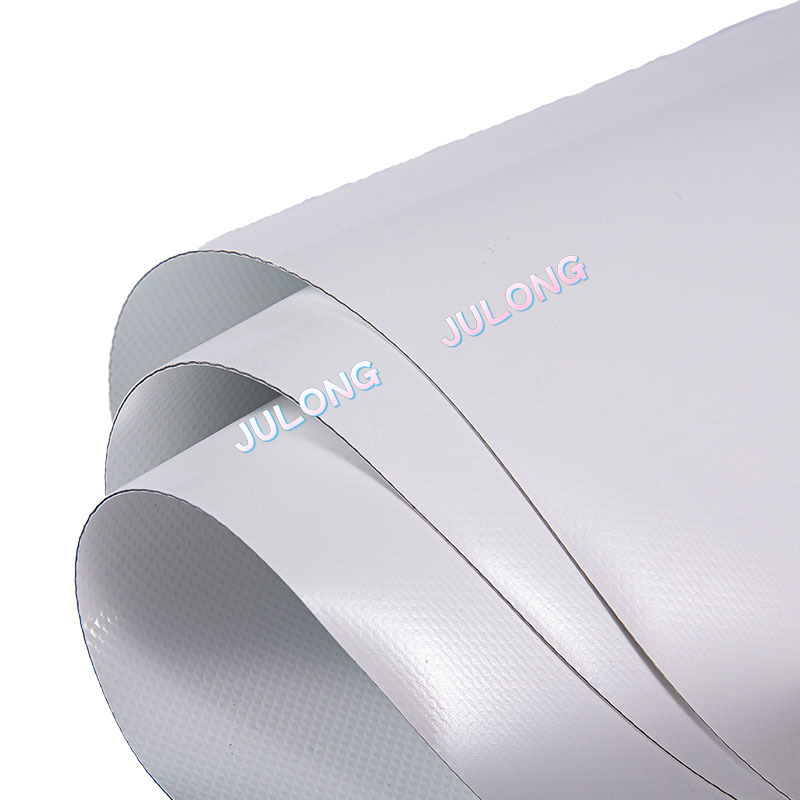
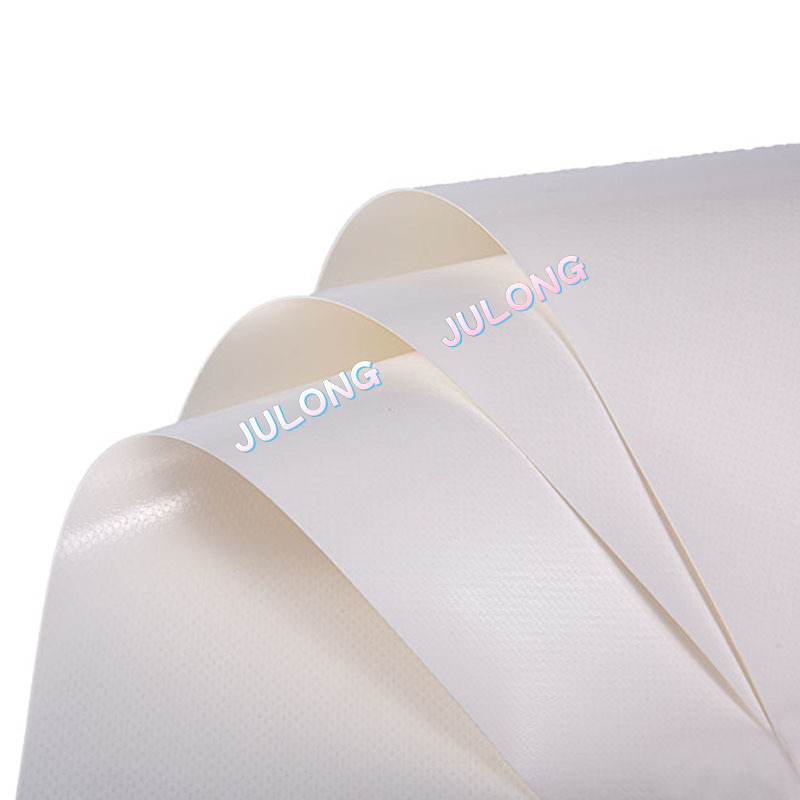
PVC coated fabric represents a engineered composite material where polyvinyl chloride (PVC) is applied to a base textile substrate, creating a versatile product with enhanced durability, weather resistance, and protective properties. This manufacturing process transforms ordinary fabrics into industrial-grade materials suitable for demanding applications ranging from outdoor furniture and truck tarps to inflatable structures and architectural membranes. The coating provides waterproofing, UV resistance, and mechanical strength while the base fabric contributes dimensional stability and tear resistance.
The production of PVC coated fabrics involves sophisticated chemical formulation and precision application techniques that determine the final product's performance characteristics. Manufacturers select base fabrics including polyester, nylon, fiberglass, or cotton depending on the intended application, then apply PVC compounds formulated with plasticizers, stabilizers, pigments, and other additives to achieve specific properties. Understanding how PVC coated fabric is manufactured, its key characteristics, and proper selection criteria enables informed decisions for both industrial procurement and consumer applications.
The manufacturing process begins with selecting and preparing the base fabric substrate. Polyester fabrics offer excellent strength-to-weight ratios and dimensional stability, making them the most common choice for general-purpose applications. High-tenacity polyester yarns woven in plain, twill, or basket weave patterns provide the structural foundation. The fabric undergoes thorough cleaning to remove sizing agents, oils, and contaminants that could interfere with coating adhesion. Pre-treatment processes may include heat setting to stabilize dimensions and corona or plasma treatment to improve surface energy for better PVC bonding.
Creating the PVC coating compound requires precise blending of multiple components to achieve desired performance characteristics. Base PVC resin provides the primary polymer matrix, while plasticizers like dioctyl phthalate (DOP) or non-phthalate alternatives control flexibility and softness. Heat stabilizers prevent degradation during processing and outdoor exposure. UV absorbers and light stabilizers protect against solar radiation breakdown. Pigments deliver color while fillers like calcium carbonate adjust properties and reduce costs. Manufacturers formulate proprietary blends optimizing the balance between flexibility, strength, weather resistance, and flame retardancy for specific applications.
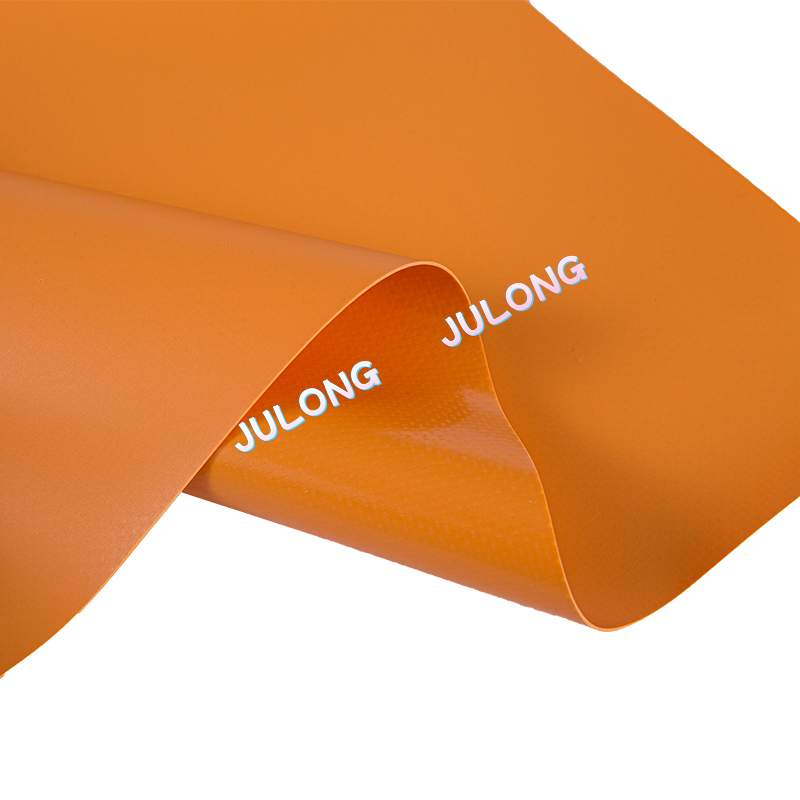
Several coating techniques apply PVC compounds to base fabrics, each offering distinct advantages. Knife coating passes fabric under a precision blade that spreads liquid PVC compound at controlled thickness, typically 0.15mm to 1.5mm per layer. Calendar coating uses heated rollers to press softened PVC into fabric, achieving excellent compound penetration and bond strength. Dip coating immerses fabric into PVC baths for uniform coverage on both sides. Spray coating applies liquid compounds through nozzles for specialized patterns or gradients. Most industrial processes apply multiple coating layers, curing each between applications to build thickness and ensure complete fabric encapsulation.
After coating application, the fabric passes through ovens where controlled heating fuses the PVC compound and evaporates solvents. Curing temperatures typically range from 300°F to 400°F depending on formulation, with precise temperature profiles preventing compound degradation while ensuring complete polymer cross-linking. The coated fabric then receives finishing treatments including embossing to create textured surfaces, top coating for additional protection or specific properties, and edge sealing to prevent delamination. Quality control testing verifies coating weight, thickness uniformity, adhesion strength, and conformance to specifications before cutting and packaging.
PVC coated fabrics exhibit a combination of properties that make them suitable for diverse demanding applications. Understanding these characteristics helps match materials to specific requirements and environmental conditions.
| Property | Typical Range | Significance |
| Tensile Strength | 200-600 kg/5cm | Resistance to tearing under load |
| Tear Strength | 15-50 kg | Resistance to propagating tears |
| Weight | 300-1200 g/m² | Overall material density |
| Waterproofness | 100% when intact | Complete moisture barrier |
| Temperature Range | -20°F to 180°F | Operational temperature limits |
PVC coatings provide exceptional resistance to water penetration, creating impermeable barriers that prevent moisture transmission. UV stabilizers incorporated in the compound protect against solar degradation, maintaining color and mechanical properties through years of outdoor exposure. The material resists mildew and fungal growth due to the synthetic polymer composition that offers no nutrient source for biological organisms. Chemical resistance varies with formulation but generally includes tolerance to mild acids, alkalis, oils, and most common cleaning agents. However, certain solvents and strong chemicals can attack PVC coatings, requiring compatibility verification for specific exposure scenarios.
The combination of high-strength base fabric and protective PVC coating delivers superior mechanical performance. Tensile strength resists stretching and deformation under load, while tear strength prevents damage propagation from punctures or edge failures. The coating stiffness depends on plasticizer content, with highly plasticized compounds remaining flexible at low temperatures while harder formulations provide better abrasion resistance. Coating thickness affects overall flexibility and weight, with thicker applications offering greater puncture resistance but reduced drapability. This versatility allows manufacturers to optimize formulations for applications ranging from flexible truck tarps to rigid architectural membranes.
The transportation industry relies extensively on PVC coated fabrics for truck tarps, trailer curtains, and cargo covers. These applications demand materials that withstand constant flexing, abrasion from loading operations, and exposure to diverse weather conditions. Heavy-duty formulations with reinforced weaves handle the mechanical stress of securing and releasing tie-down straps while maintaining weatherproof protection for cargo. Railroad car covers, boat covers, and equipment tarps utilize similar materials tailored to specific dimensional and strength requirements. The fabric's ability to shed water, resist tearing, and maintain flexibility across temperature ranges makes it ideal for protecting valuable goods during transit and storage.
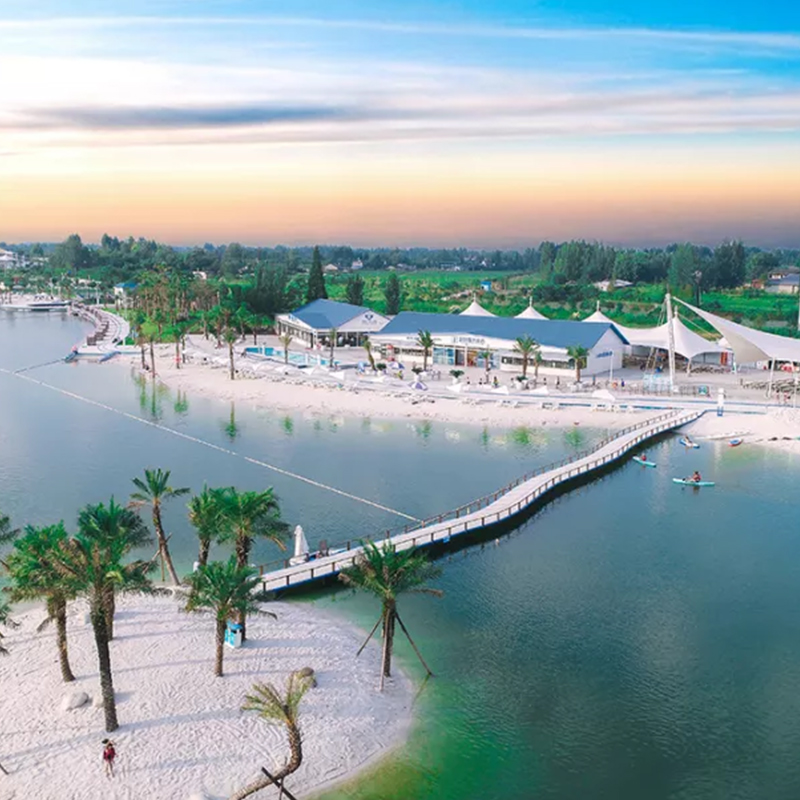
Architectural membrane structures use high-performance PVC coated fabrics for tensile roofing, stadium canopies, and temporary buildings. These applications require materials meeting strict fire safety standards, offering high light transmission or reflection properties, and providing years of maintenance-free outdoor service. Polyester scrim-reinforced PVC membranes span large distances under tension, creating dramatic architectural forms while protecting occupants from weather. Temporary structures including event tents, storage buildings, and disaster relief shelters employ PVC coated fabrics for quick deployment, portability, and reliable weather protection. The material's ability to be welded into complex shapes enables creative architectural solutions impossible with traditional building materials.
Industrial applications leverage PVC coated fabric properties for specialized equipment and products. Inflatable structures including swimming pools, boats, and containment berms use airtight coated fabrics that maintain pressure while resisting environmental degradation. Conveyor belts in food processing and manufacturing utilize PVC coatings formulated for FDA compliance and easy cleaning. Tank liners and spill containment systems employ chemically resistant formulations that prevent leakage of hazardous materials. Safety curtains, welding screens, and protective barriers rely on flame-retardant PVC coatings that contain fires and protect workers from hazards. Each application demands specific formulation adjustments to meet unique performance requirements.
Selecting appropriate PVC coated fabric requires evaluating multiple quality factors and matching material characteristics to application requirements. Informed selection ensures optimal performance and cost-effectiveness.
Proper maintenance extends PVC coated fabric service life and maintains appearance. Regular cleaning removes dirt, organic matter, and pollutants that can degrade coatings over time. Use mild soap solutions with soft brushes or low-pressure water spray to clean surfaces without damaging the coating. Avoid harsh solvents, abrasive cleaners, or high-pressure washing that can strip plasticizers, cause surface crazing, or penetrate coating layers. Allow fabrics to dry completely before folding or storage to prevent mildew formation in trapped moisture. For stubborn stains, specialized vinyl cleaners formulated for PVC materials provide effective cleaning without chemical damage.
Correct storage practices prevent damage during periods of non-use. Store PVC coated fabrics in cool, dry locations away from direct sunlight and heat sources that accelerate plasticizer migration and UV degradation. Fold materials loosely rather than creating sharp creases that stress coating and base fabric. For long-term storage, roll fabrics on cores to minimize folding and prevent permanent creases. Avoid contact with solvents, oils, or chemically reactive materials that could damage coatings. Inspect stored materials periodically for signs of degradation, mildew, or pest damage, addressing issues promptly to prevent progressive deterioration.
Minor damage to PVC coated fabrics can often be repaired, extending usable life and preventing further deterioration. Small punctures and tears respond well to PVC adhesive patches applied to clean, dry surfaces. Hot air welding provides strong permanent repairs for larger damages, fusing new material into existing fabric using controlled heat and pressure. For critical applications or extensive damage, professional repair services ensure proper technique and material compatibility. Regular inspection identifies developing issues like edge fraying, seam separation, or coating delamination before they progress to major failures requiring complete replacement.
Environmental concerns surrounding PVC materials drive industry evolution toward more sustainable practices. Traditional phthalate plasticizers face regulatory restrictions due to health concerns, prompting development of alternative plasticizers including adipates, citrates, and bio-based options. Recycling programs collect end-of-life PVC coated fabrics, separating and reprocessing materials into new products though the composite nature complicates recycling compared to pure materials. Some manufacturers offer take-back programs for worn products, ensuring responsible disposal or recycling. Life cycle assessments compare environmental impacts of PVC coated fabrics against alternatives, considering durability advantages that reduce replacement frequency and associated environmental costs.
Regulatory frameworks govern PVC coated fabric composition to protect human health and environmental quality. REACH regulations in Europe restrict hazardous substances in materials, driving reformulation of traditional compounds. California Proposition 65 requires warnings for materials containing certain phthalates and heavy metals, influencing formulations for US markets. Food-contact applications demand FDA-compliant formulations free from prohibited additives that could migrate into consumables. Indoor applications require low-VOC formulations and emissions testing to ensure acceptable air quality. Manufacturers provide material safety data sheets documenting chemical composition and handling precautions for safe use throughout product lifecycles.
Understanding how PVC coated fabric is manufactured, its properties, applications, and proper care enables informed material selection and optimal performance across diverse applications. The sophisticated coating processes, carefully formulated compounds, and rigorous quality standards produce versatile materials serving critical functions in transportation, architecture, industrial equipment, and consumer products. As environmental awareness increases and technology advances, PVC coated fabric manufacturing continues evolving to deliver improved performance with reduced environmental impact while maintaining the durability and cost-effectiveness that established these materials as industry standards.
Win-win cooperation with new and old customers, create the future.

No. 9, Xingang Avenue, Ningguo City, Anhui Province, China.


+86 15397280550
Copyright © Anhui Longsheng New Material Technology Co., Ltd. Architecture Membrane Material Manufacturers Outdoor PVC Waterproof Fabric Supplier
