
 English
 عربى
عربىTarp for Truck Cover




Content
Outdoor PVC waterproof fabric is one of the most widely used technical textiles in the world, appearing in applications ranging from truck tarps and boat covers to marquee tents, stadium seating, and industrial curtain walls. Its combination of waterproofing, mechanical strength, UV resistance, and affordability makes it the default choice for countless outdoor and semi-outdoor applications. But not all PVC fabric is created equal — weight, coating thickness, base fabric construction, and additive packages vary significantly between products, and choosing the wrong specification for your application leads to premature failure, poor aesthetics, or unnecessary cost. This guide breaks down everything you need to make an informed decision.
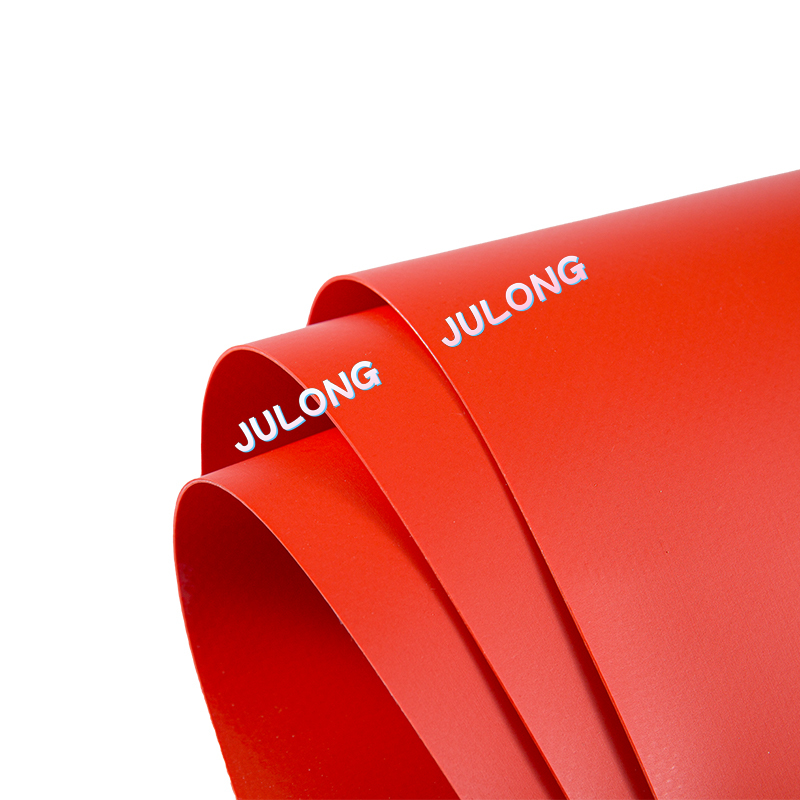
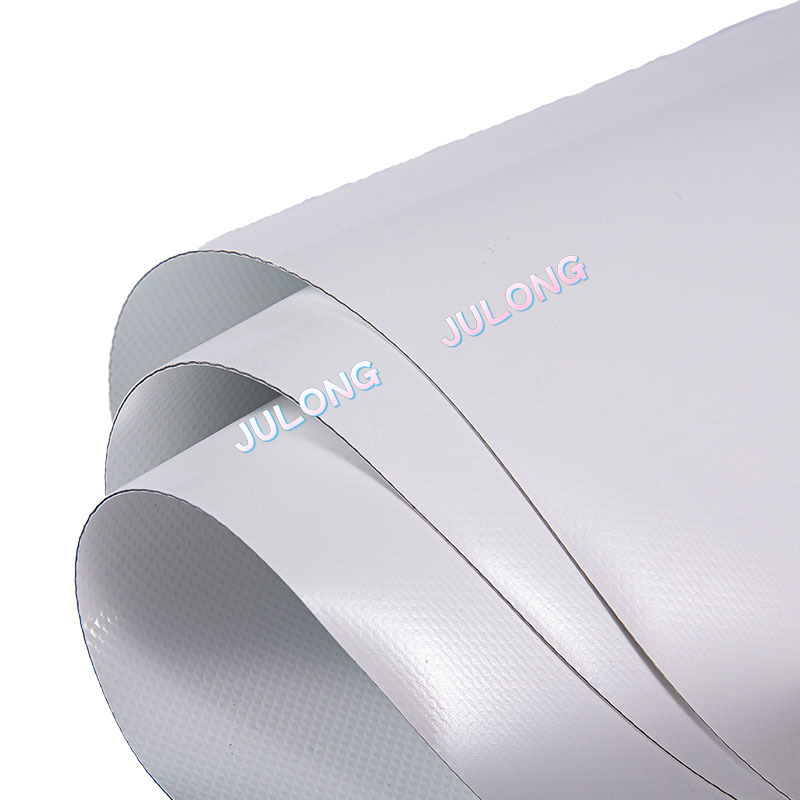
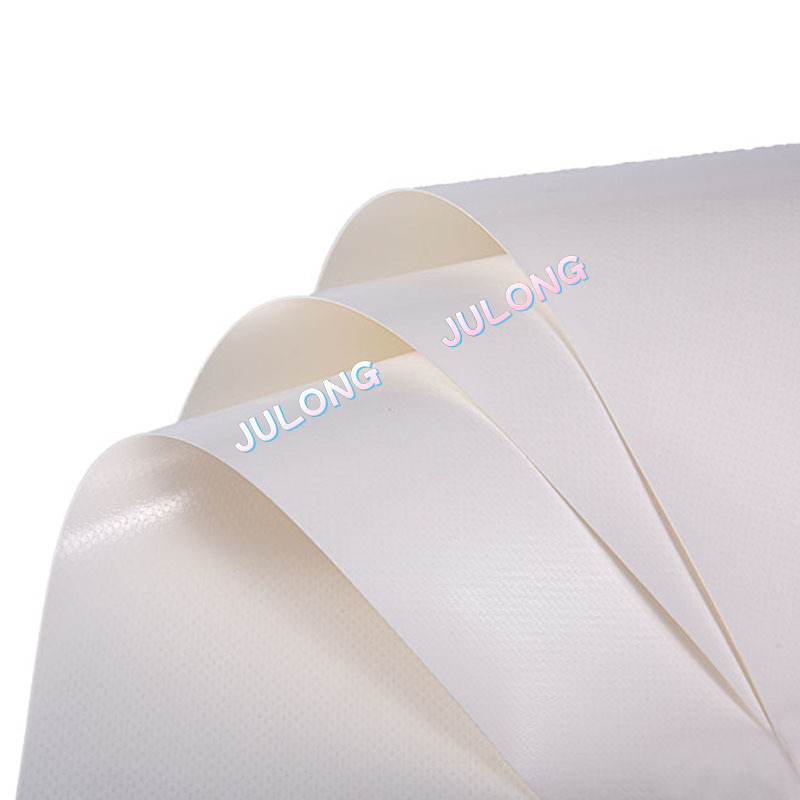
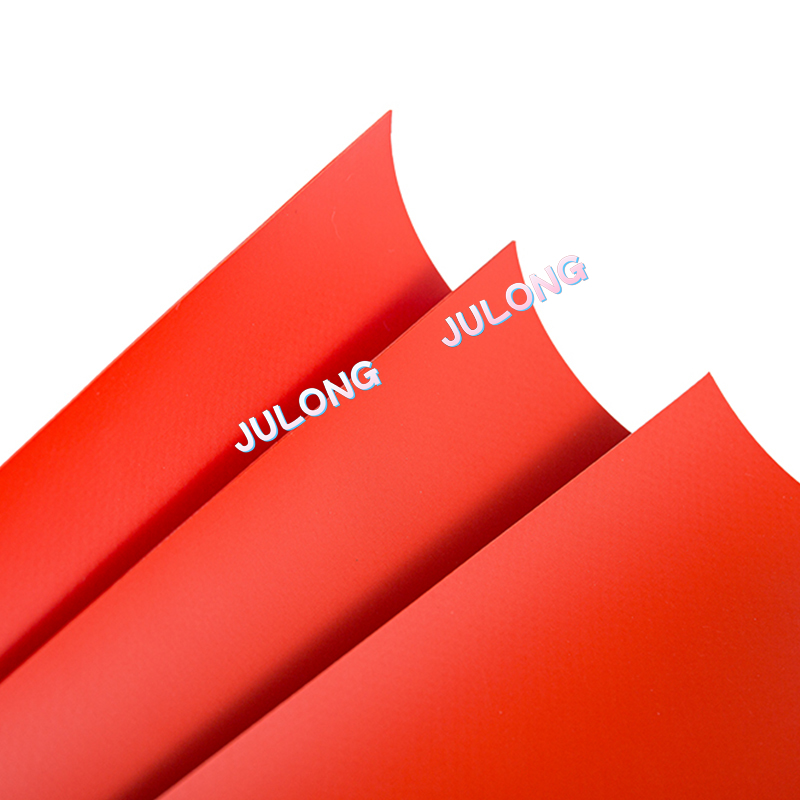
PVC waterproof fabric is a composite material, not a simple woven cloth. It consists of a base fabric — almost always a woven polyester or nylon scrim — that is coated, laminated, or calendered with polyvinyl chloride (PVC) compound on one or both sides. The base fabric provides tensile strength, tear resistance, and dimensional stability, while the PVC layer delivers waterproofing, UV protection, chemical resistance, and surface durability. The two components are bonded together either by knife-over-roll coating, where liquid PVC paste is spread across the fabric and then cured in an oven, or by calendering, where heated PVC sheets are pressed onto the fabric under rollers.
The PVC compound itself is not pure polymer — it contains plasticizers to give flexibility, stabilizers to resist heat and UV degradation, pigments for color, and functional additives such as flame retardants, anti-mold agents, and anti-static compounds depending on the intended application. The quality and concentration of these additives are among the most important factors determining long-term performance, particularly in outdoor environments where the fabric faces continuous UV radiation, temperature cycling, and moisture exposure.
When evaluating outdoor PVC waterproof fabric, several measurable performance properties determine whether a material is suitable for a given application. Understanding these properties — and how they are tested — allows you to compare products objectively rather than relying on marketing descriptions alone.
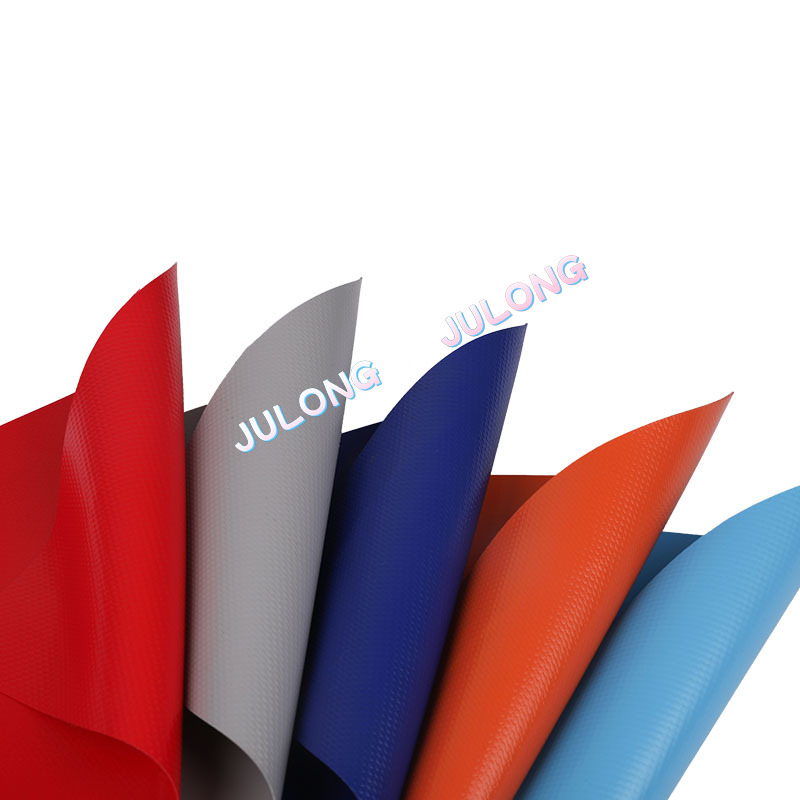
Fabric weight is expressed in grams per square meter (gsm) and is a primary indicator of the overall material volume and coating thickness. Lightweight PVC fabrics for applications like disposable covers or lightweight shelter panels typically range from 200 to 350 gsm. Medium-weight fabrics from 400 to 650 gsm are widely used for truck tarps, camping tents, and awnings. Heavy-duty grades from 700 to 1,100 gsm and above are specified for permanent structures, industrial curtains, and high-load applications such as inflatable buildings. Weight alone does not tell the full story — the ratio of base fabric weight to PVC coating weight matters, and a heavier fabric is not always stronger if the extra weight comes from excessive plasticizer rather than additional reinforcement.
Tensile strength measures the force required to pull a fabric strip apart, while tear strength measures resistance to a propagating tear from an existing cut or hole. Both are critical for outdoor applications where wind loading, mechanical stress during installation, and accidental impacts are common. These properties are largely determined by the base fabric construction — the thread count, yarn denier, and weave pattern of the polyester scrim. High-tenacity polyester yarns in a tight weave pattern deliver the highest strength-to-weight ratios. Tensile strength is typically reported in Newtons per 5cm strip width, with heavy-duty outdoor fabrics achieving values of 3,000 N/5cm or higher in both warp and weft directions.
The waterproofing capability of PVC fabric is measured by hydrostatic head pressure — the height of a water column that the fabric can sustain without water penetrating through. Because PVC is a continuous film rather than a fibrous material, well-manufactured PVC fabric inherently achieves very high hydrostatic head values, often exceeding 1,500mm and frequently reaching 3,000mm or more, which is more than sufficient for almost all outdoor applications. The practical risk for waterproofing failure in PVC fabric is not the fabric itself but seams, welds, and edge finishes — areas where the continuous PVC surface is interrupted. High-frequency (HF) welding or heat sealing of seams is essential to maintain waterproof integrity across the full surface area of a fabricated product.
Ultraviolet radiation is the primary cause of premature aging in outdoor PVC fabrics. UV degrades both the PVC compound — causing it to become brittle, crack, and lose plasticizer — and the polyester base fabric underneath. Quality outdoor PVC fabrics incorporate UV stabilizers and absorbers into the PVC compound to slow this process. Accelerated weathering tests using xenon arc or UV fluorescent lamps simulate years of outdoor exposure and allow comparison between products. Premium outdoor PVC fabrics from reputable manufacturers are rated for service lives of 10 to 15 years in full outdoor exposure, while budget materials may begin showing significant degradation within two to three years.
The outdoor PVC fabric market offers several distinct product categories, each optimized for a specific group of applications. Selecting the right category before comparing individual products saves significant time and avoids mismatched specifications.
| Fabric Type | Typical Weight | Key Properties | Primary Applications |
| Tarpaulin / Truck Cover Fabric | 400–750 gsm | High tear strength, abrasion resistance | Truck tarps, cargo covers, ground sheets |
| Tent and Marquee Fabric | 500–900 gsm | Flame retardancy, translucency options | Event tents, storage structures, canopies |
| Awning and Shade Fabric | 300–550 gsm | UV resistance, color fastness, flexibility | Retractable awnings, pergola covers, sun shades |
| Marine and Boat Cover Fabric | 450–700 gsm | Salt resistance, mold resistance, flexibility in cold | Boat covers, bimini tops, dock covers |
| Industrial Curtain Fabric | 600–1,100 gsm | Weld spark resistance, anti-static, heavy duty | Warehouse dividers, welding screens, industrial doors |
| Inflatable Structure Fabric | 650–1,000 gsm | Airtight coating, high tensile, weldability | Inflatable buildings, air domes, bouncy castles |
For any outdoor PVC fabric used in public or semi-public structures — event tents, temporary buildings, grandstand covers, market awnings, or transport terminals — flame retardancy is not optional; it is a legal and safety requirement in most jurisdictions. PVC is naturally less flammable than polyester or polyethylene because the chlorine content in the polymer suppresses combustion, but standard PVC fabrics still need additional flame retardant additives to meet formal classification standards.
The most widely referenced standards for outdoor PVC fabric flame retardancy include EN 13501-1 (European fire classification, with Class B and Class C commonly required for tents and temporary structures), DIN 4102-B1 (German standard, widely specified in European markets), NFPA 701 (North American standard for flame resistance of textiles and films used in public buildings), and BS 7837 (UK standard for flame retardant fabrics used in furniture and furnishings in public places). When purchasing PVC fabric for any application where public access is involved, always request third-party test certificates confirming compliance with the relevant standard — not just the manufacturer's self-declaration.
Even among products that meet the same nominal weight and strength specifications, outdoor service life can vary enormously depending on the quality of materials and manufacturing. The following factors have the greatest impact on how long PVC waterproof fabric performs reliably in outdoor conditions:
Sourcing outdoor PVC waterproof fabric — whether for a fabrication business, a construction project, or a large-volume purchasing program — requires asking the right questions before committing to a supplier. Price per square meter is rarely the most useful metric when total cost of ownership over the product's service life is considered.
Even the highest-quality outdoor PVC waterproof fabric will benefit from basic maintenance that extends its service life and keeps it performing and looking its best. The maintenance requirements for PVC fabric are straightforward compared to natural fiber alternatives, but a few practices make a significant difference over the years.
Regular cleaning with mild soap and warm water removes dirt, bird droppings, and organic deposits that can harbor mold spores and chemically attack the PVC surface over time. Avoid abrasive cleaning tools or solvent-based cleaners, which can damage the surface coating and accelerate plasticizer migration. For stubborn stains, diluted isopropyl alcohol or specialist PVC cleaners are safe options. After cleaning, allow the fabric to dry fully before folding or rolling for storage to prevent mold growth in trapped moisture.
When storing PVC fabric for extended periods — particularly seasonal products like awnings or boat covers — store the material loosely rolled rather than tightly folded. Tight folds create permanent crease marks in the PVC surface and, in cold storage conditions, can cause the material to crack along fold lines if the plasticizer has begun to migrate. Store away from direct sunlight, heat sources, and sharp objects, and inspect stored fabric periodically for any signs of surface degradation or seam separation that should be repaired before the next use season.
Win-win cooperation with new and old customers, create the future.

No. 9, Xingang Avenue, Ningguo City, Anhui Province, China.


+86 15397280550
Copyright © Anhui Longsheng New Material Technology Co., Ltd. Architecture Membrane Material Manufacturers Outdoor PVC Waterproof Fabric Supplier
