
 English
 عربى
عربىTarp for Truck Cover




Content
An oil isolation fence, also known as an oil containment boom, is a floating barrier deployed on water surfaces to prevent the spread of oil spills, fuel leaks, or hydrocarbon contamination. These fences are used by port authorities, offshore oil platforms, marine terminals, inland waterway operators, and emergency response teams. Their primary function is to confine a spill to a manageable area so that recovery equipment such as skimmers and absorbent materials can remove the oil efficiently before it damages ecosystems, shorelines, or drinking water sources.
The performance of an oil isolation fence depends entirely on the material from which it is constructed. The barrier must float reliably, resist tearing under tension from currents and waves, remain impermeable to oil and fuel, withstand prolonged UV exposure, and endure repeated deployment and retrieval without degrading. PVC coated fabric has become the dominant material for oil isolation fence construction because it addresses all of these requirements within a single, cost-effective composite structure. Understanding what this material is and how it behaves in real-world conditions is essential for anyone responsible for spill response equipment procurement or maintenance.
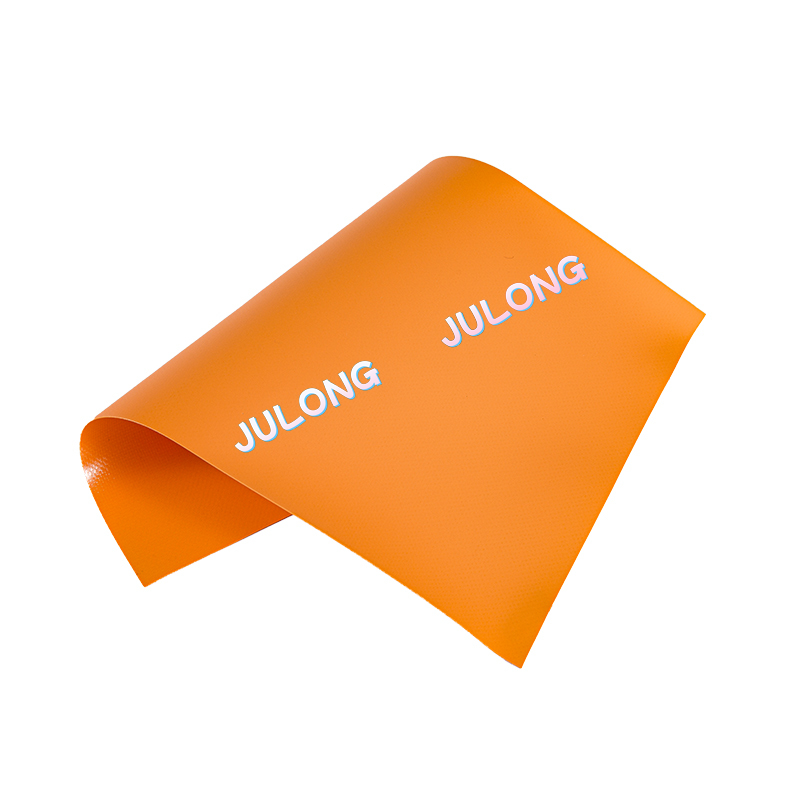
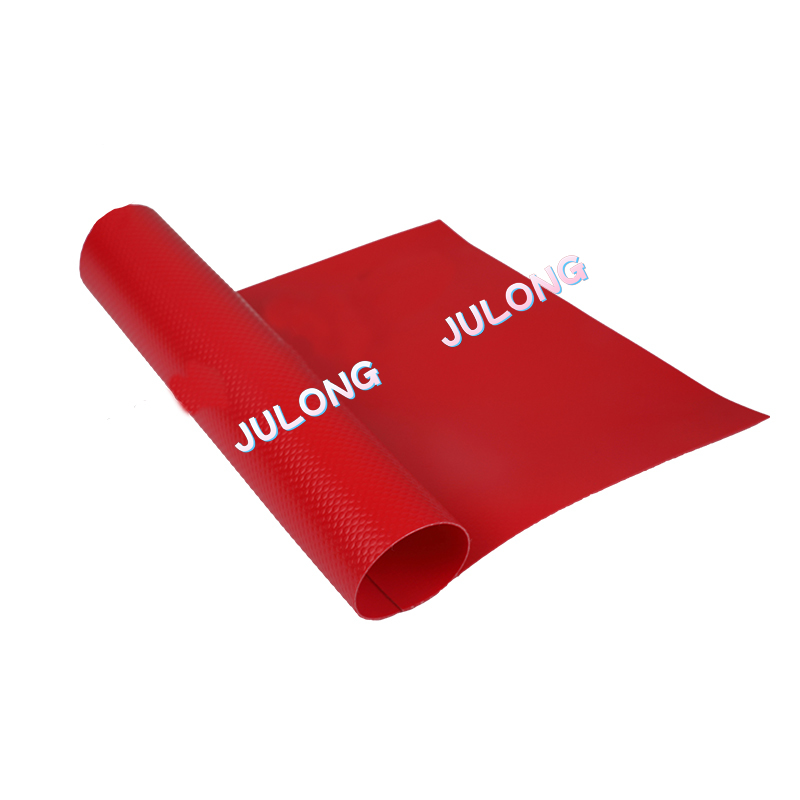
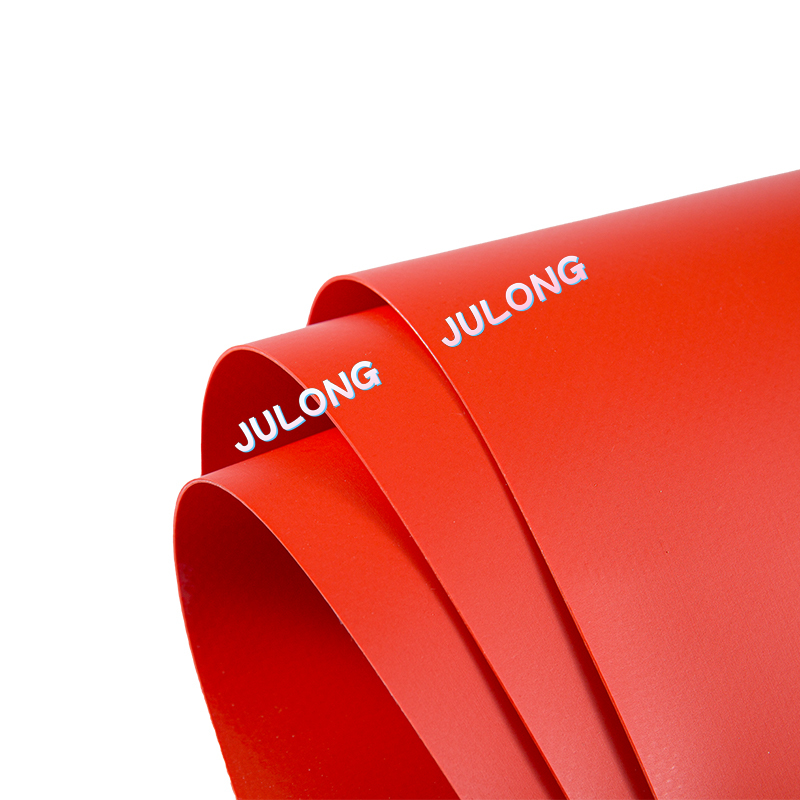
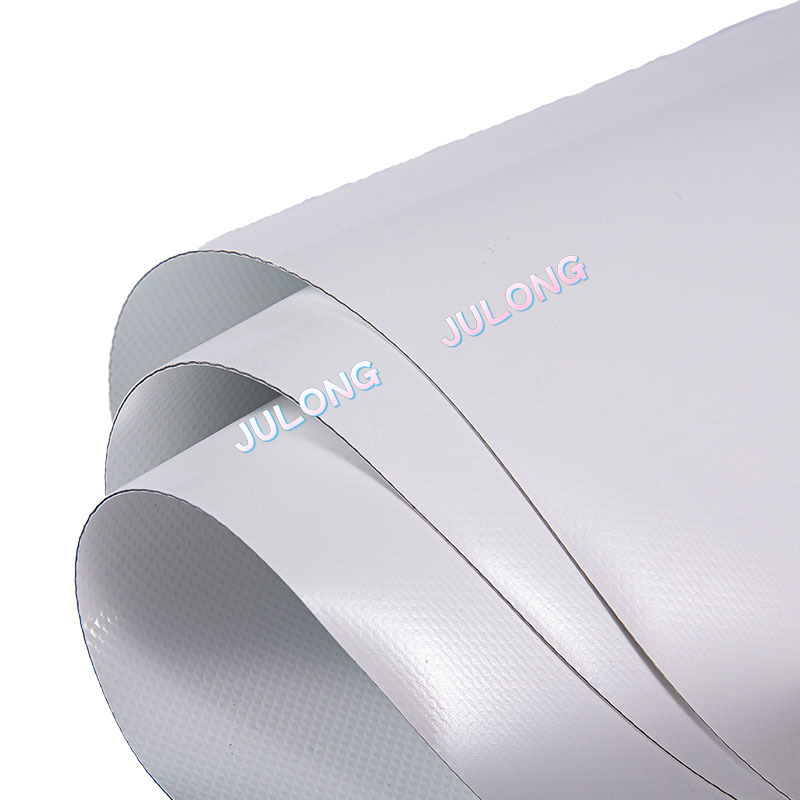
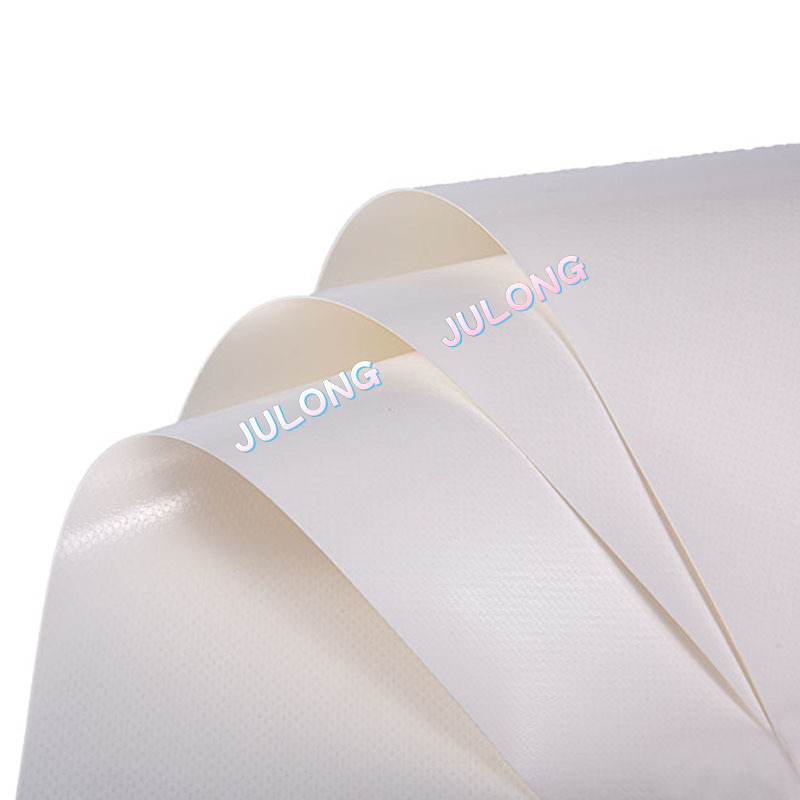
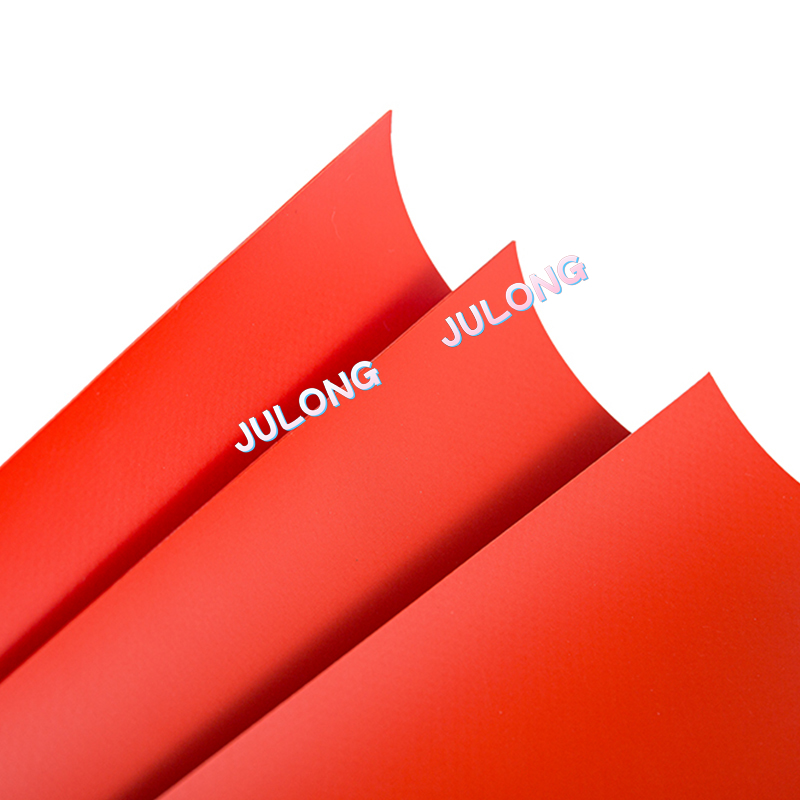
PVC coated fabric is a composite material made by applying one or more layers of polyvinyl chloride compound to a base fabric substrate. The substrate is typically a woven polyester or nylon mesh, chosen for its high tensile strength and dimensional stability. The PVC coating is applied through calendering, knife-over-roll coating, or lamination processes, embedding the coating into the weave of the fabric or bonding it firmly to both surfaces. The result is a unified sheet material that combines the mechanical strength of the textile reinforcement with the chemical resistance and impermeability of the PVC compound.
For oil isolation fence applications specifically, the PVC formulation used in the coating is engineered to resist swelling, softening, or dissolving when exposed to hydrocarbons including crude oil, diesel, gasoline, lubricating oils, and jet fuel. Plasticizers within the PVC compound are selected to maintain flexibility across a wide temperature range, ensuring the fence remains pliable in cold seawater without becoming brittle. Stabilizers are added to protect the compound from UV degradation, ozone attack, and oxidative breakdown during extended outdoor storage and deployment.
When evaluating PVC coated fabric for oil isolation fence manufacturing or procurement, specific technical parameters determine whether the material will perform adequately under operational conditions. The table below outlines the key specifications and their significance:
| Specification | Typical Range | Importance for Oil Fences |
| Fabric Weight | 650–1500 g/m² | Heavier weights provide greater strength and durability for open-water deployment |
| Tensile Strength | ≥3000 N/5cm (warp and weft) | Determines resistance to tearing under current and wave-induced tension |
| Tear Strength | ≥500 N | Prevents propagation of punctures or cuts during deployment around debris |
| Oil Resistance | No swelling >5% after 72h immersion | Ensures the skirt remains impermeable and dimensionally stable during spill containment |
| UV Resistance | Retain ≥80% strength after 500h UV exposure | Critical for fences stored outdoors or deployed in tropical and subtropical regions |
| Temperature Range | -30°C to +70°C | Maintains flexibility in arctic operations and stability in hot-climate deployments |
| Seam Strength | ≥85% of base fabric strength | Welded or bonded seams must not become weak points under load |
Oil isolation fences are not a single product but a family of designs adapted to different water conditions and spill scenarios. PVC coated fabric is used across all major fence types, though the specific fabric weight and construction vary according to the demands of each application.
Curtain booms use a continuous sheet of PVC coated fabric as the skirt, suspended below a floating freeboard section and held down by a ballast chain or weighted hem. The skirt prevents oil from passing beneath the fence driven by subsurface currents. For calm harbor and inland waterway use, fabrics in the 650–900 g/m² range are adequate. The key requirement is flexibility for storage on reels and rapid deployment. The PVC coating must remain pliable after extended reel storage to avoid cracking when the boom is unrolled under cold conditions.
Open-water and offshore booms face significantly higher mechanical stress from ocean swells, tidal currents, and wind-driven wave action. These applications demand heavier PVC coated fabrics, typically 1100–1500 g/m², with reinforced edges and high-frequency welded seams. The fabric must withstand cyclical tensile loading without fatigue failure across hundreds of wave cycles per hour. Fabric constructions with high-tenacity polyester multifilament yarn substrates are preferred for offshore booms because they offer the best combination of strength-to-weight ratio and elongation resistance.
Shoreline protection fences are deployed close to sensitive coastal habitats, beaches, and mangrove areas to prevent oil from making landfall. These barriers are often anchored to stakes or fixed structures and must conform to irregular shoreline topography. Lighter, more flexible PVC coated fabrics work well in these applications because the fence experiences less dynamic loading. The emphasis shifts to oil impermeability and UV resistance since shoreline barriers may remain deployed for weeks or months during extended cleanup operations.
Beyond the base material properties, several construction details in the PVC coated fabric itself determine how well an oil isolation fence performs and how long it lasts in field conditions.
PVC coated fabric oil isolation fences represent a significant investment in spill response capability, and proper maintenance extends their operational lifespan considerably. After each deployment, the fence should be rinsed with fresh water to remove salt, oil residue, and sediment. Residual oil on the surface should be cleaned with mild detergents rather than harsh solvents, which can attack the plasticizers in the PVC coating and cause the material to stiffen prematurely. Inspect the fabric surface, seams, and hardware attachment points for cuts, abrasions, or delamination before returning the fence to storage.
Storage conditions significantly affect the service life of PVC coated fabric. The fence should be stored away from direct sunlight, ozone sources such as electric motors, and heat above 50°C. When rolled for storage, avoid tight rolls that create permanent creases, and do not stack heavy equipment on top of rolled booms as this can crush the floatation chambers and permanently deform the fabric. With proper care, high-quality PVC coated fabric oil isolation fences typically achieve service lives of five to ten years, though annual inspection against manufacturer specifications is recommended to confirm continued fitness for service.
Not all PVC coated fabrics marketed for oil isolation fence applications meet the performance requirements demanded by professional spill response operations. When evaluating suppliers, request independent laboratory test reports for tensile strength, tear strength, oil resistance, and UV resistance rather than relying solely on manufacturer data sheets. Look for fabrics that comply with recognized standards such as ASTM F625 for oil spill response equipment or equivalent national standards applicable to your region.
Established suppliers will provide traceability documentation for the raw materials used in their PVC compound, including confirmation of plasticizer type and stabilizer system. This matters because cheaper PVC formulations may use phthalate plasticizers that leach into oil-contaminated water, creating secondary environmental contamination — the opposite of the fence's intended purpose. For government contracts and international spill response operations, compliance with MARPOL regulations and IMO guidelines may also be required, and the supplier should be able to demonstrate that their product meets these standards. Investing in properly certified PVC coated fabric from the outset prevents costly equipment failures and regulatory issues during actual spill response situations when reliable performance is most critical.
Win-win cooperation with new and old customers, create the future.

No. 9, Xingang Avenue, Ningguo City, Anhui Province, China.


+86 15397280550
Copyright © Anhui Longsheng New Material Technology Co., Ltd. Architecture Membrane Material Manufacturers Outdoor PVC Waterproof Fabric Supplier
