
 English
 عربى
عربىTarp for Truck Cover




Content
Truck tarps are one of the most practical and legally important pieces of equipment a commercial hauler can carry. Whether you are transporting construction debris, agricultural produce, steel coils, or landscaping materials, an unsecured or improperly covered load creates serious risks — flying debris can cause fatal accidents, cargo can arrive damaged, and drivers can face significant fines for non-compliance with load securement regulations. In the United States, the Federal Motor Carrier Safety Administration (FMCSA) requires that loads be covered whenever material could become airborne during transit, and similar regulations apply across Canada, the European Union, and most other jurisdictions with commercial vehicle frameworks.
Beyond the legal dimension, truck tarps protect cargo value. Moisture damage, UV degradation, contamination from road spray, and physical abrasion during transit can all render a payload unsellable or unusable, creating direct financial losses that dwarf the cost of a quality tarp. Understanding which tarp type suits which hauling application — and how to use it correctly — is practical knowledge that pays for itself on every load. This guide covers the most important uses for truck tarps, the material and construction options available, and the specific considerations that determine whether a tarp performs reliably across thousands of hauls.
The truck tarp market offers a wide range of purpose-built designs, and selecting the correct type for a specific cargo category is the foundation of effective load protection. Using a tarp designed for a different application often results in premature failure, inadequate coverage, or cargo damage despite the tarp being in place.
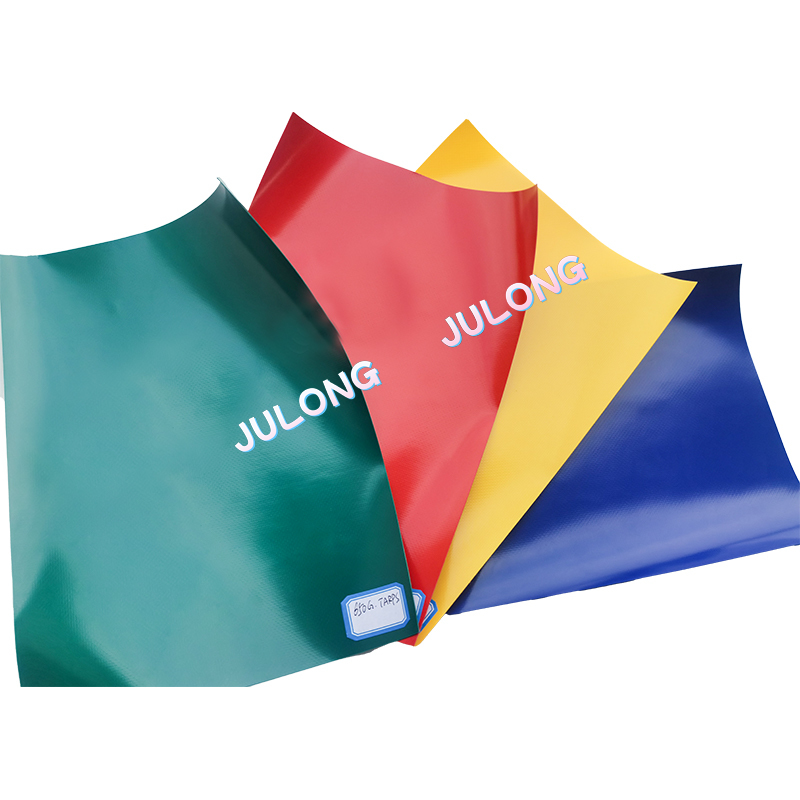
Flatbed tarps are the most widely used category in commercial trucking and are specifically designed to cover cargo carried on open flatbed trailers. They are available in several sub-types based on the cargo they are intended to protect. Steel tarps — also called machinery tarps — are shorter in drop height, typically 4 feet, and are designed to cover metal cargo including structural steel, pipe, plate, and heavy equipment where only top and partial side coverage is needed. Lumber tarps have a much larger drop, commonly 8 to 10 feet on each side, to fully enclose the sides of stacked timber, plywood, or dimensional lumber loads that must be protected from rain and road spray across the entire depth of the load. Smoke tarps are smaller tarps positioned at the front of the trailer to protect the front face of the load from exhaust particulates and to prevent leading-edge wind damage to tarp systems behind them.
Dump truck tarps are purpose-built for use on end-dump and side-dump trucks that carry loose bulk materials including gravel, sand, dirt, demolition debris, and asphalt. Because these trucks must cover and uncover their loads repeatedly throughout a working day, dump truck tarp systems are almost always mechanically operated — using electric motors, hydraulic actuators, or spring-loaded arms — to allow the driver to cover the load from the cab without manual handling. The tarps themselves are typically made from heavy-duty mesh or solid vinyl and are sized to span the full box length and width with adequate overhang to prevent material from escaping at the edges during transit. Regulatory requirements in most states mandate that dump trucks operating on public roads have a functional tarp system installed and in use whenever the box is loaded.
Coil tarps are designed specifically for hauling steel and aluminium coils on flatbed trailers. These coils are typically transported standing upright in coil cradles and present a distinctive domed profile that requires a tarp with extra width and a centre peak or reinforced midsection to accommodate the curved top surface without pooling water or creating excessive wind resistance. Coil tarps are manufactured with heavy-gauge corner patches and reinforced grommet placements to handle the concentrated tie-down forces that occur when the tarp is secured over a dense, smooth-sided metal load. Many coil tarps include additional side coverage panels that extend down to the trailer deck to provide complete circumferential protection against road spray and moisture.
Container tarps are large, heavy-duty covers used to protect intermodal shipping containers stored in yards or transported on rail and road when the container doors cannot be fully secured or when the container top is open. They are also used to cover open-top containers carrying bulk commodities including scrap metal, coal, and agricultural products. Container tarps are made to standardised dimensions matching 20-foot and 40-foot container footprints and feature reinforced perimeter webbing and corner rings for secure attachment to container corner castings.
The material from which a truck tarp is manufactured determines its weight, durability, water resistance, UV stability, temperature tolerance, and expected service life. Understanding the trade-offs between material options allows fleet operators and owner-operators to select tarps that match their specific operating conditions and budget constraints.
| Material | Weight | Water Resistance | Best Use Case | Typical Lifespan |
| Vinyl-coated polyester | Heavy | Excellent | Flatbed, lumber, steel loads | 5–10 years |
| Mesh / woven poly | Light | Partial (airflow through) | Dump trucks, aggregate, debris | 2–5 years |
| Canvas / cotton duck | Very heavy | Good (when treated) | Heavy machinery, specialty loads | 3–7 years |
| Polyethylene (PE) laminate | Medium | Very good | General purpose, agriculture | 1–3 years |
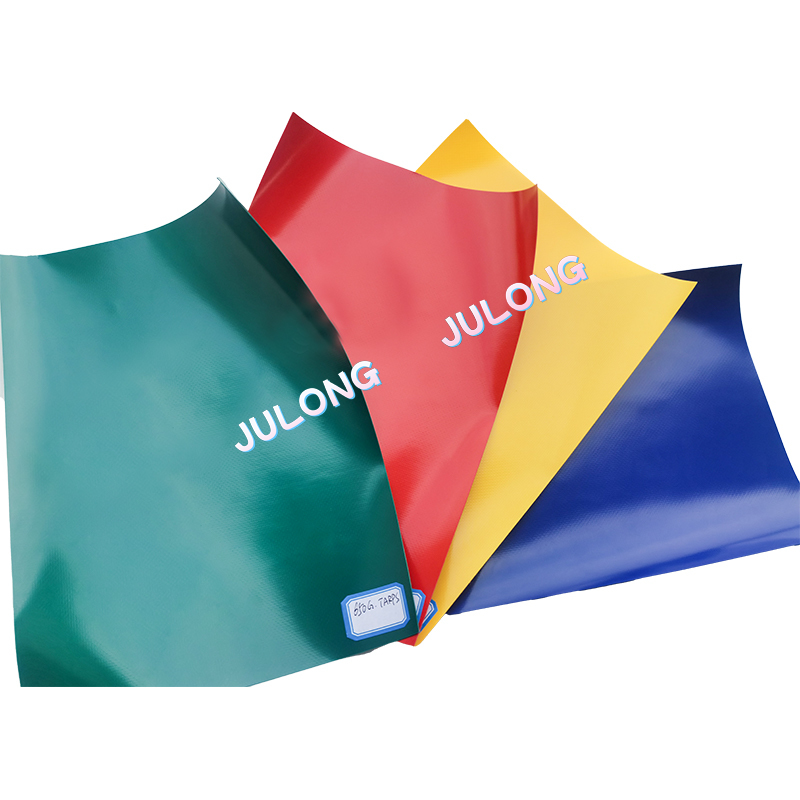
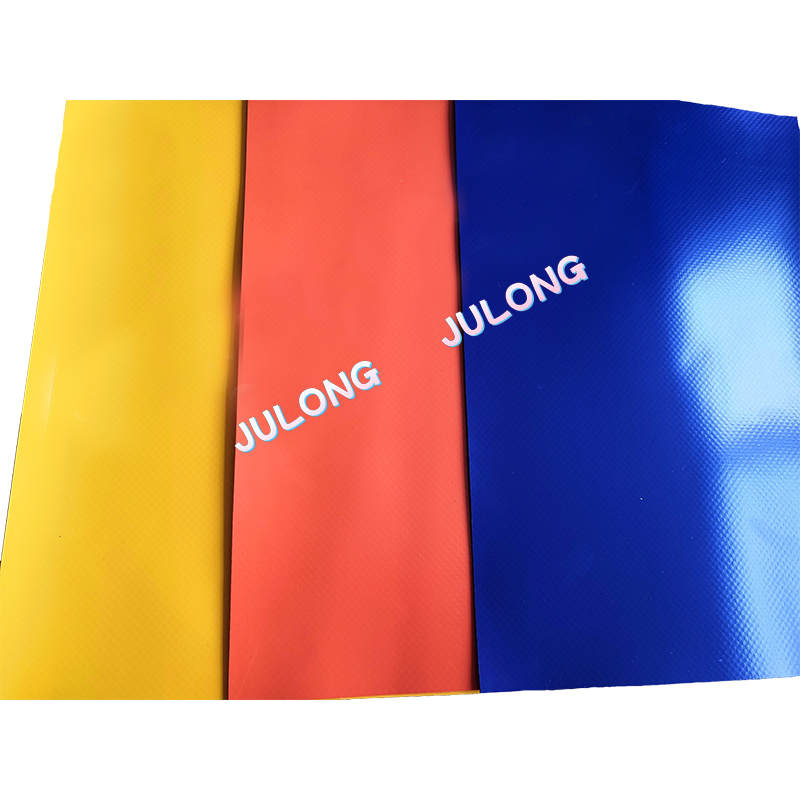
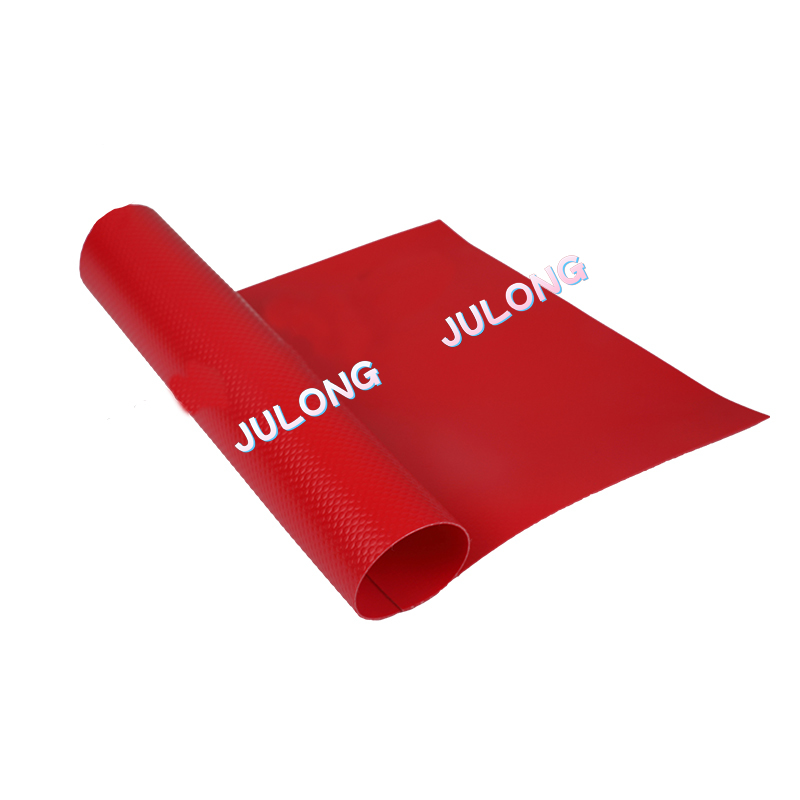
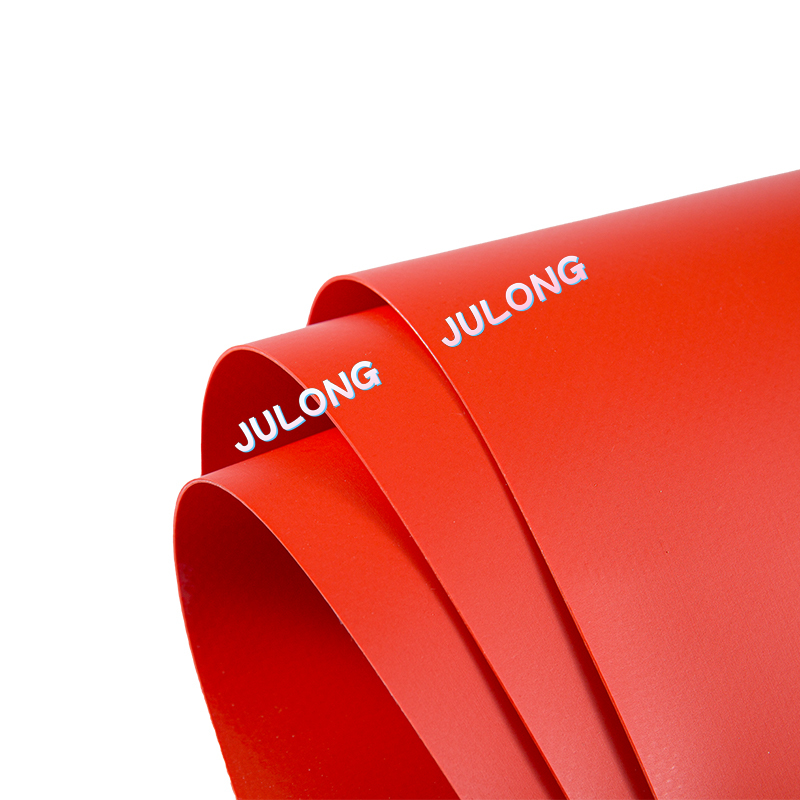
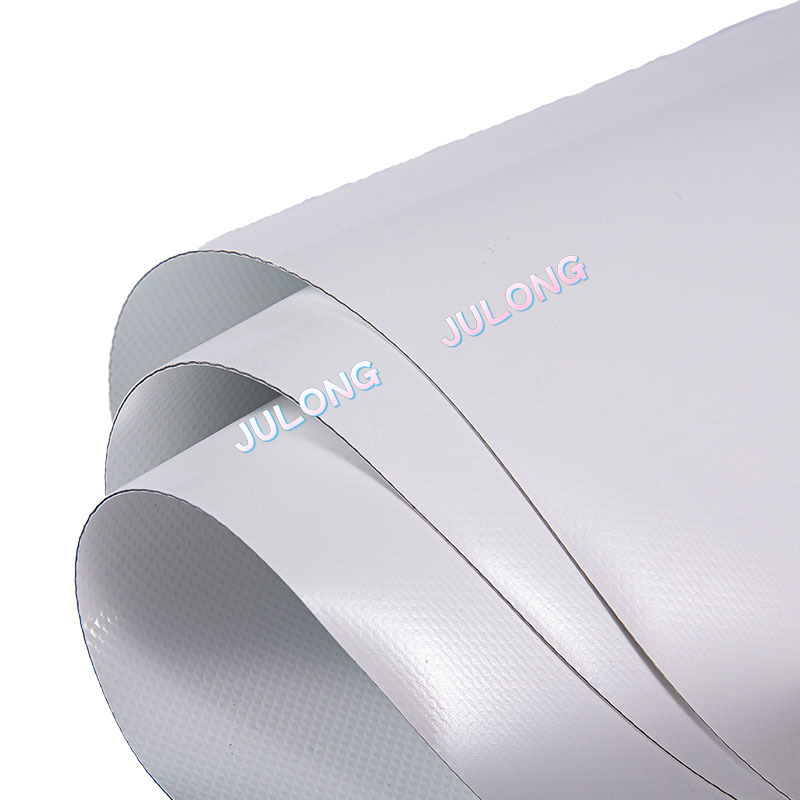
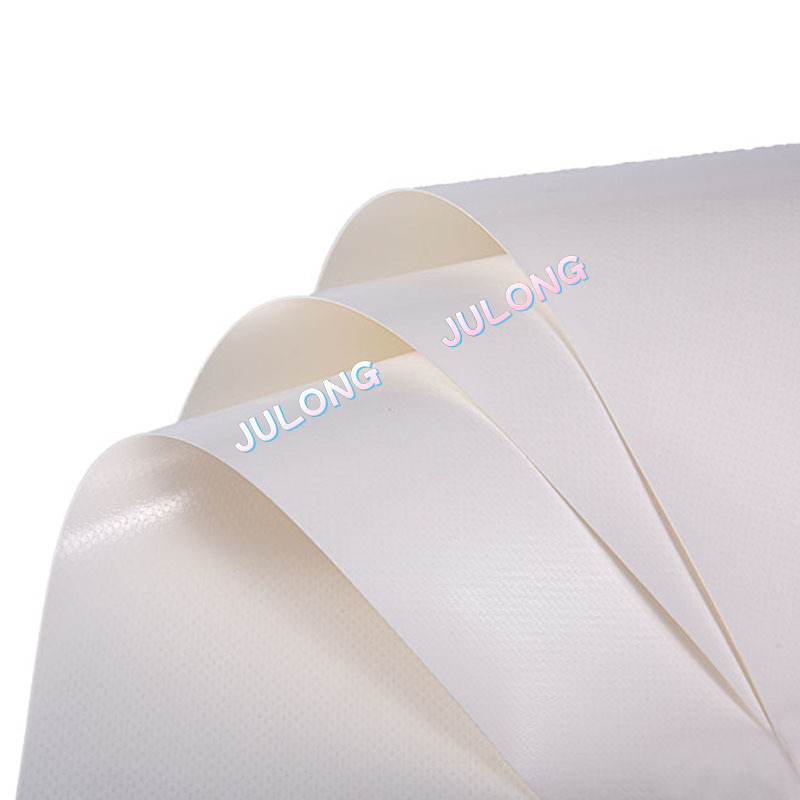
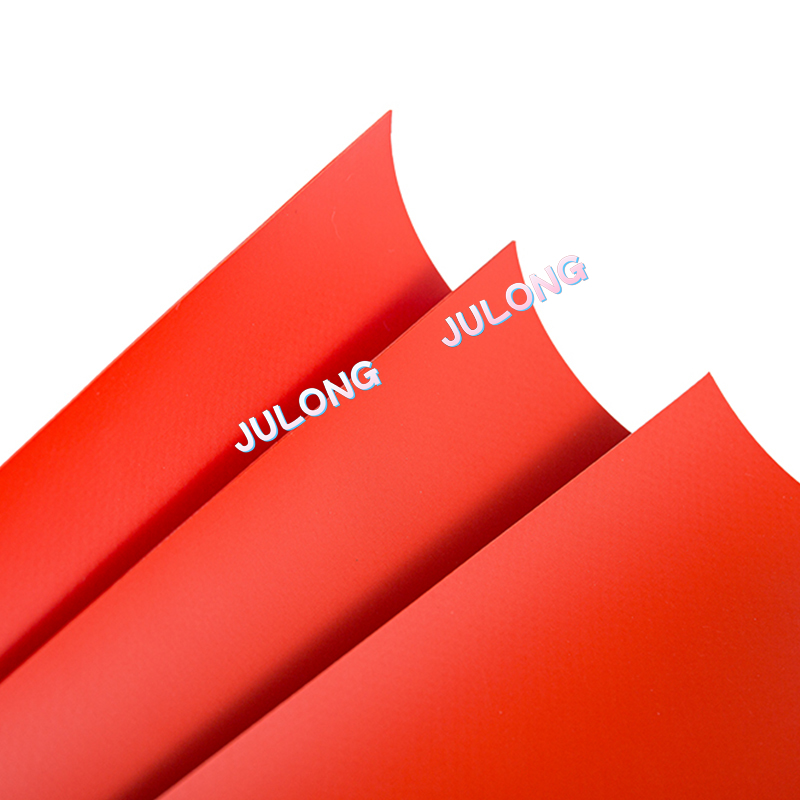
Vinyl-coated polyester is the premium standard for professional flatbed trucking because it combines a woven polyester scrim for tensile strength with a PVC vinyl coating on both faces that provides complete waterproofing and UV resistance. The coating weight — specified in ounces per square yard, typically ranging from 13 oz to 22 oz for truck tarps — determines thickness, tear resistance, and cold-weather flexibility. Heavier coatings resist puncture and abrasion more effectively but add significant weight, which becomes a fatigue issue when tarps must be manually handled repeatedly throughout a shift. Many experienced drivers prefer 18 oz vinyl as the practical optimum between durability and manageability for daily flatbed work.
Different industries place different demands on truck tarps, and understanding the specific requirements of each hauling context helps operators choose and deploy tarps more effectively.
Construction debris including broken concrete, brick rubble, mixed demolition waste, and excavated soil must be covered during road transport to prevent fragments from becoming projectiles. Mesh tarps are commonly used for this application because the material is lighter and easier to deploy than solid vinyl, and the load does not require protection from moisture. The mesh construction also reduces wind resistance on the tarp system itself, which matters on loaded dump trucks where the tarp spans a high, open box. For loads containing fine particulates such as dry soil or powdered demolition materials, a solid tarp is required to prevent dust from escaping through mesh openings, which would create visibility hazards and potential regulatory violations.
Agricultural loads including loose grain, silage, harvested produce, and bulk feed require protection from rain, which can cause spoilage, mould growth, and significant weight gain that affects payload economics. Solid vinyl or PE laminate tarps are used on grain trailers and flatbed loads of bagged agricultural products to create a waterproof barrier across the top of the load. Tarps used in agricultural contexts must also resist contamination — agricultural commodities intended for food or feed use can be rejected by processors if the load arrives contaminated with tarp residues, so tarps should be kept clean and free from chemical contamination between uses.
Steel products including structural beams, plate, pipe, rebar, and coils are vulnerable to rust formation when exposed to moisture during transit, particularly on multi-day hauls or when loads sit on trailers overnight in wet conditions. A single transit in rain without tarp coverage can initiate surface rust on bright steel products that renders them commercially unacceptable to customers with quality specifications. Steel tarps and coil tarps designed for this application provide top and side coverage that keeps rain and road spray off the metal surface throughout the haul. The tarp must also be secured tightly enough to prevent flapping in transit, as a moving tarp in contact with steel edges will be cut through rapidly.
Hot mix asphalt (HMA) must be delivered to the paving site within a specific temperature window to remain workable and achieve the compaction density required by road construction specifications. Heat loss during transport directly affects paving quality and can cause load rejection if the mix arrives below the minimum lay temperature. Insulated tarps — featuring a reflective or insulating inner layer bonded to a durable outer face — are used on dump trucks and transfer trailers carrying hot mix to reduce radiant and convective heat loss during the haul. These tarps are engineered to withstand repeated contact with hot asphalt vapours and elevated surface temperatures without degrading, a performance requirement that standard vinyl tarps cannot meet.
Even the highest-quality truck tarp will fail prematurely if it is not secured correctly or maintained consistently. Most tarp damage — tears, grommet failures, coating delamination — originates from installation errors and inadequate care rather than from inherent material deficiencies.
A well-chosen, correctly installed, and properly maintained truck tarp protects cargo, keeps other road users safe, keeps drivers compliant with load securement regulations, and pays back its purchase cost many times over across its service life. Understanding the specific demands of your hauling application and matching those demands to the right tarp type and material is the foundation of that return on investment.

Win-win cooperation with new and old customers, create the future.

No. 9, Xingang Avenue, Ningguo City, Anhui Province, China.


+86 15397280550
Copyright © Anhui Longsheng New Material Technology Co., Ltd. Architecture Membrane Material Manufacturers Outdoor PVC Waterproof Fabric Supplier
