
 English
 عربى
عربىTarp for Truck Cover




Content
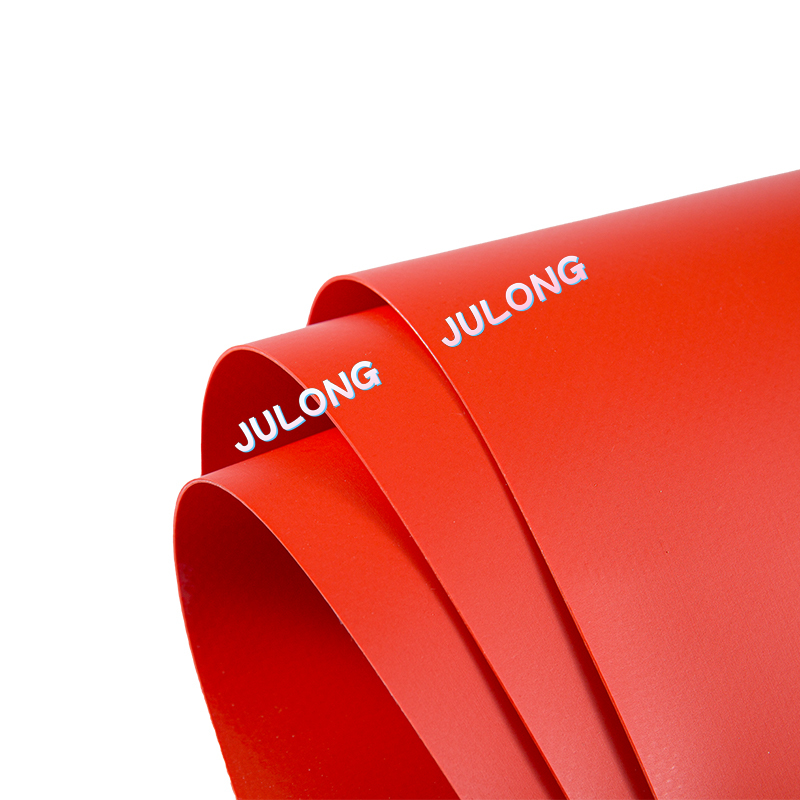
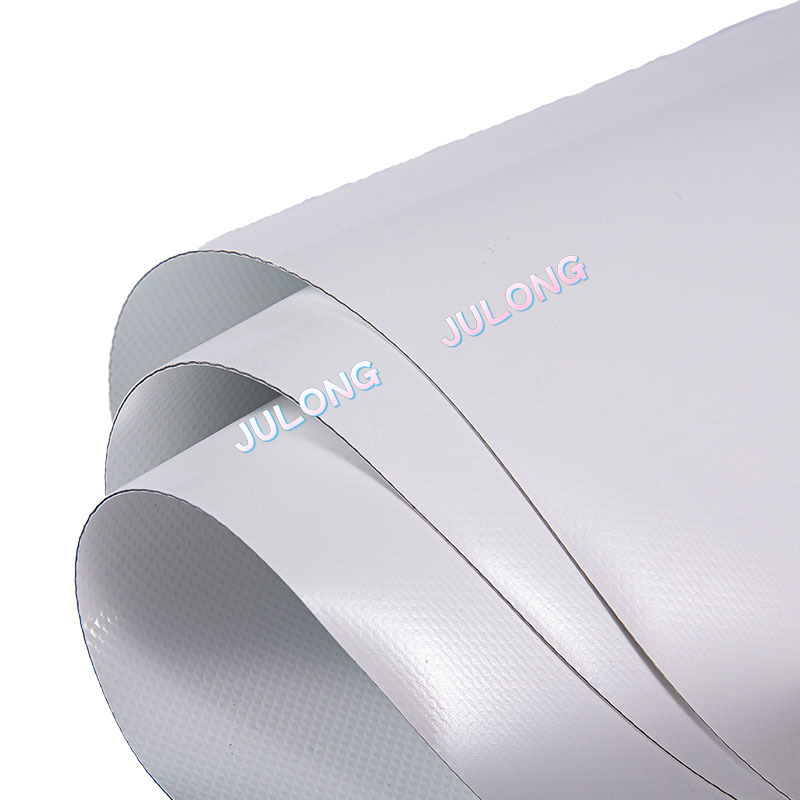
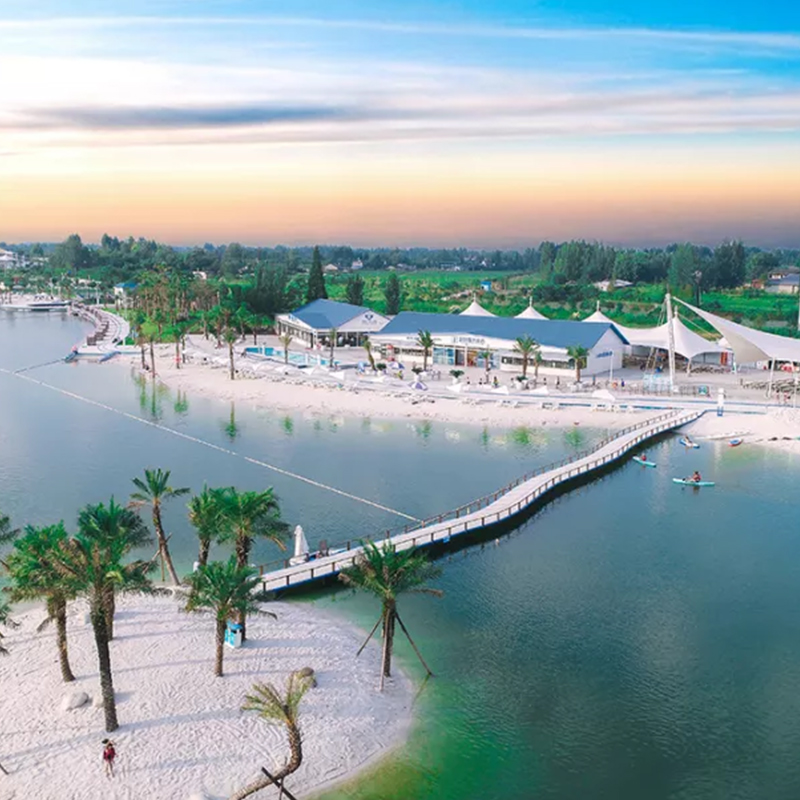
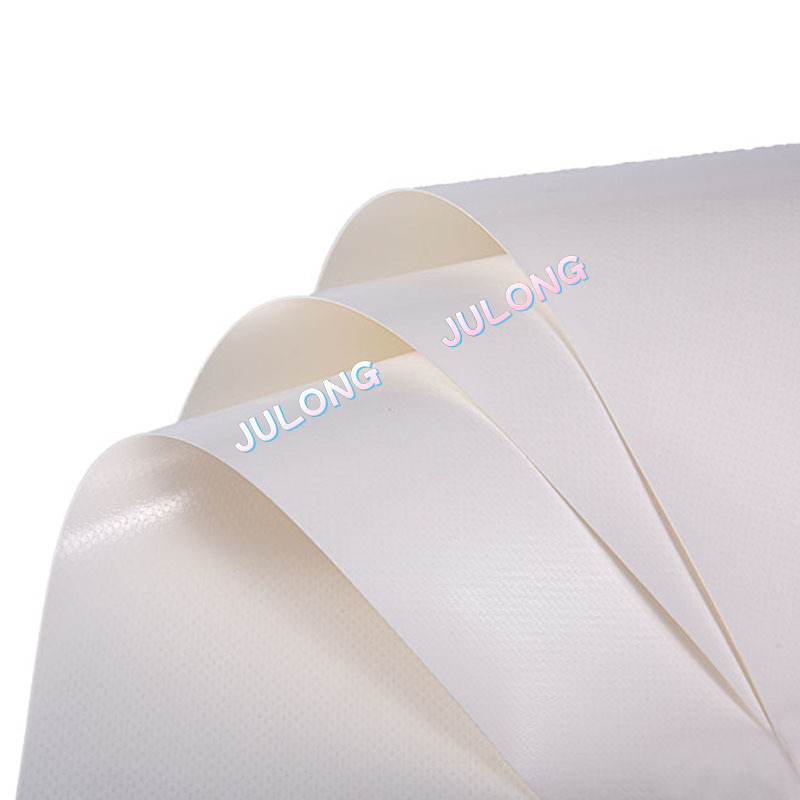
PVC coated cloth is a high-performance composite material made by applying a polyvinyl chloride coating onto a base fabric, typically polyester. This combination creates a strong, flexible, waterproof, and weather-resistant textile that is widely used in tents, tarpaulins, truck covers, industrial curtains, inflatable products, and outdoor shelters.
The polyester base provides tensile strength and tear resistance, while the PVC coating adds waterproofing, UV protection, flame retardancy, and abrasion resistance. Because of this balance between durability and flexibility, PVC coated cloth has become one of the most practical materials for both outdoor and industrial environments.
Choosing the right PVC coated cloth requires understanding the specific performance requirements of the intended application. Different products demand different fabric weights, thicknesses, and surface treatments.
Before selecting a material specification, the first step is to define the actual use case. PVC coated cloth for tents is not always the same as material used for heavy-duty industrial tarps or equipment covers.
Tent applications require flexibility, waterproofing, UV resistance, and good foldability. Lightweight to medium-weight fabrics are generally preferred for easier installation and transportation.
Tarpaulins and cargo covers need stronger tear resistance and puncture strength, especially for long-term outdoor exposure.
Industrial applications such as welding curtains, partition walls, machine covers, and ventilation ducts often require flame retardancy, chemical resistance, and enhanced durability.
Weight and thickness are among the most important technical parameters when selecting PVC coated cloth.
| Application | Recommended Weight | Typical Thickness |
| Camping tents | 450–650 gsm | 0.35–0.55 mm |
| Truck tarps | 650–900 gsm | 0.55–0.75 mm |
| Industrial curtains | 700–1200 gsm | 0.60–1.00 mm |
Heavier materials generally provide better strength and service life, while lighter fabrics improve portability and ease of installation.
For tents, tarps, and industrial covers, mechanical strength is critical. The base fabric density, yarn count, and weaving structure determine tensile strength and tear resistance.
High-density polyester fabrics such as 1000D or 1100D are commonly used for heavy-duty applications because they can withstand pulling forces, wind loads, and repeated folding.
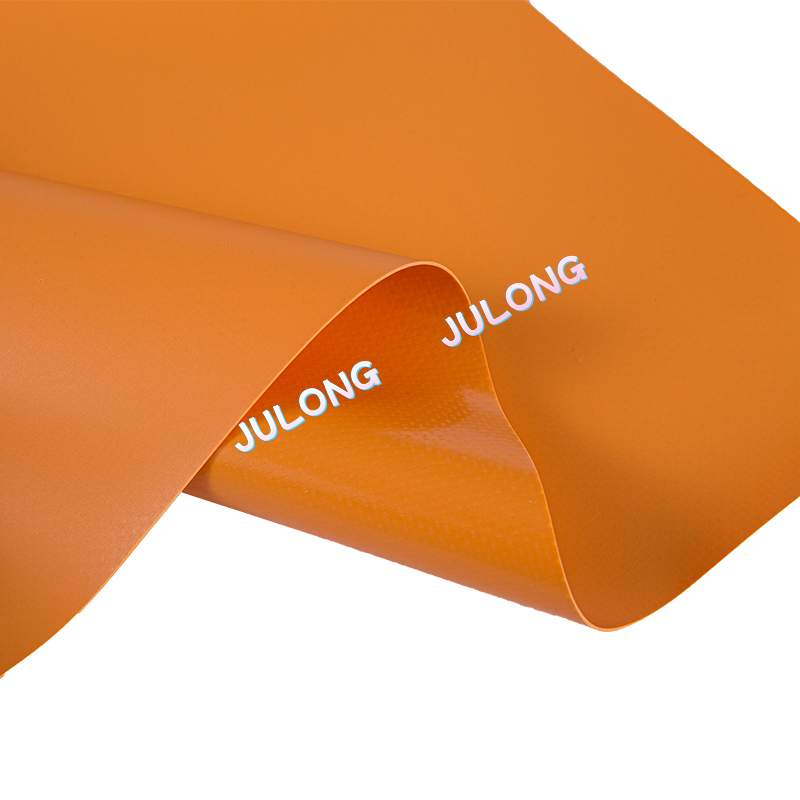
Not all PVC coatings are the same. The coating process directly affects product durability, appearance, and performance.
Knife coating creates a smooth and even surface with excellent durability. This is widely used for premium tents and industrial fabrics.
Laminated fabrics are more cost-effective and suitable for lighter applications such as temporary covers and standard tarps.
Acrylic or PVDF top coatings improve self-cleaning, UV stability, and weather resistance, which is especially important for long-term outdoor use.
PVC coated cloth used outdoors must withstand various environmental challenges.
For outdoor tents and tarps, UV resistance is one of the most important factors affecting service life.
For industrial applications and event tents, flame retardancy is often a mandatory requirement. Many markets require compliance with standards such as B1, NFPA 701, or CPAI-84.
If the material will be used near machinery, heaters, welding zones, or public event structures, choosing flame-retardant PVC coated cloth is highly recommended.
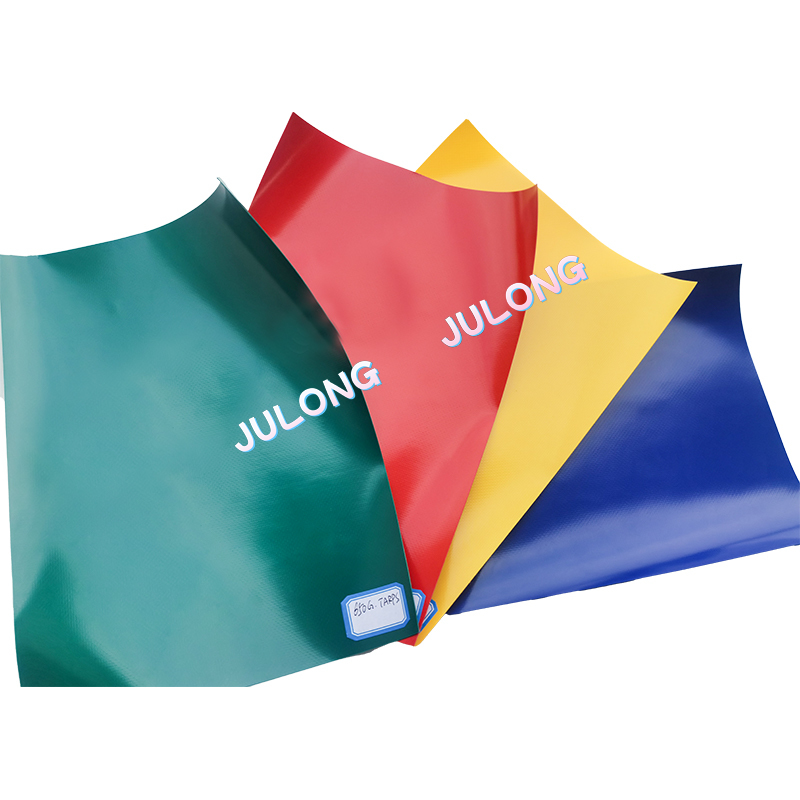
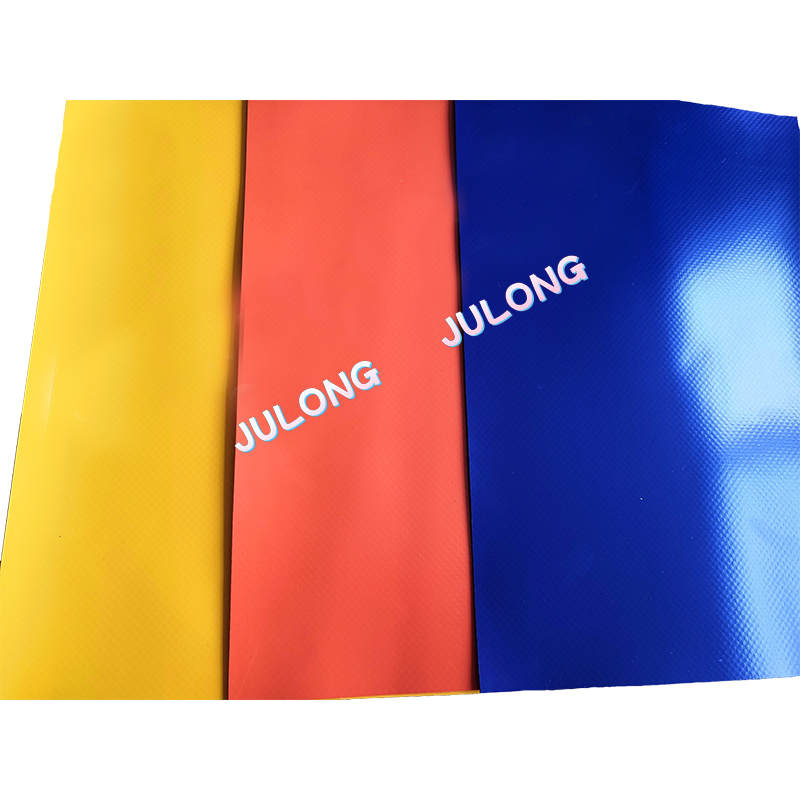
Color selection is not only about aesthetics. Different colors can affect heat absorption, branding, and visibility.
Choosing PVC coated cloth for tents, tarps, and industrial use depends on balancing weight, durability, coating quality, and environmental resistance. For tents, prioritize waterproofing and flexibility. For tarps, focus on tear strength and UV resistance. For industrial use, chemical resistance and flame retardancy are often the key factors.
By carefully matching material specifications to the actual application, you can significantly improve product lifespan, safety, and overall performance.
Win-win cooperation with new and old customers, create the future.

No. 9, Xingang Avenue, Ningguo City, Anhui Province, China.


+86 15397280550
Copyright © Anhui Longsheng New Material Technology Co., Ltd. Architecture Membrane Material Manufacturers Outdoor PVC Waterproof Fabric Supplier
