
 English
 عربى
عربىTarp for Truck Cover




Content
Tensile architecture membrane fabric is a high-performance flexible material engineered for lightweight structural applications where the primary load is carried through tension rather than compression. Unlike traditional construction materials such as concrete, steel panels, or masonry, membrane fabrics rely on pre-stressed tension systems and supporting frameworks to create durable, elegant, and highly efficient architectural forms.
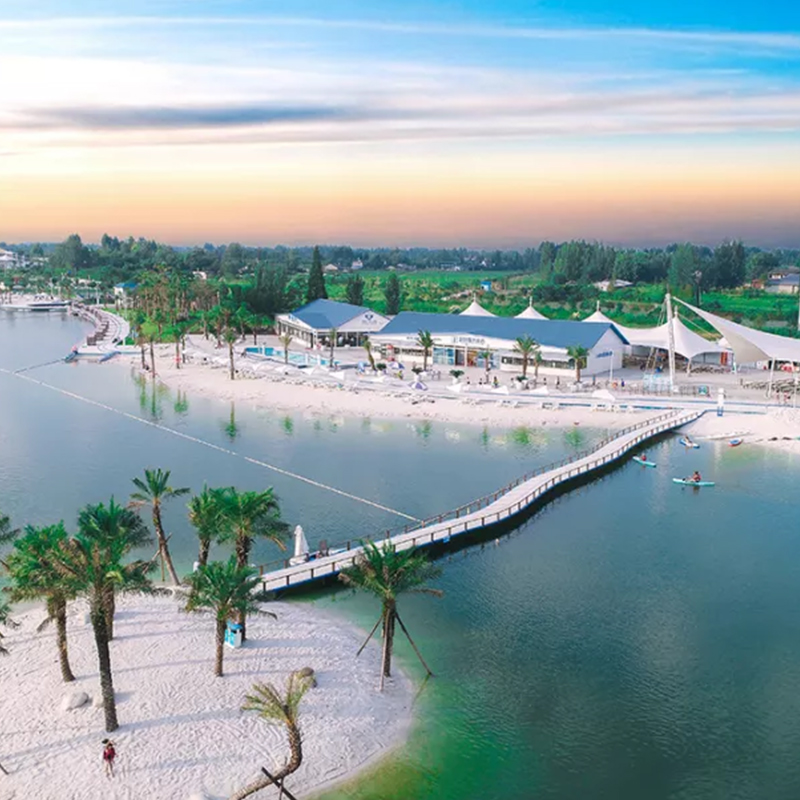
These fabrics are widely used in stadium roofs, transportation hubs, commercial canopies, exhibition centers, public walkways, and outdoor leisure spaces. Their ability to span large distances with minimal supporting structure makes them one of the most innovative materials in contemporary architectural engineering.
The growing popularity of tensile membrane structures comes from their unique combination of aesthetics, structural performance, weather resistance, and cost-effective installation.
The performance of tensile architecture membrane fabric largely depends on the base textile and surface coating. Different material combinations are selected according to structural requirements, climate conditions, and expected lifespan.
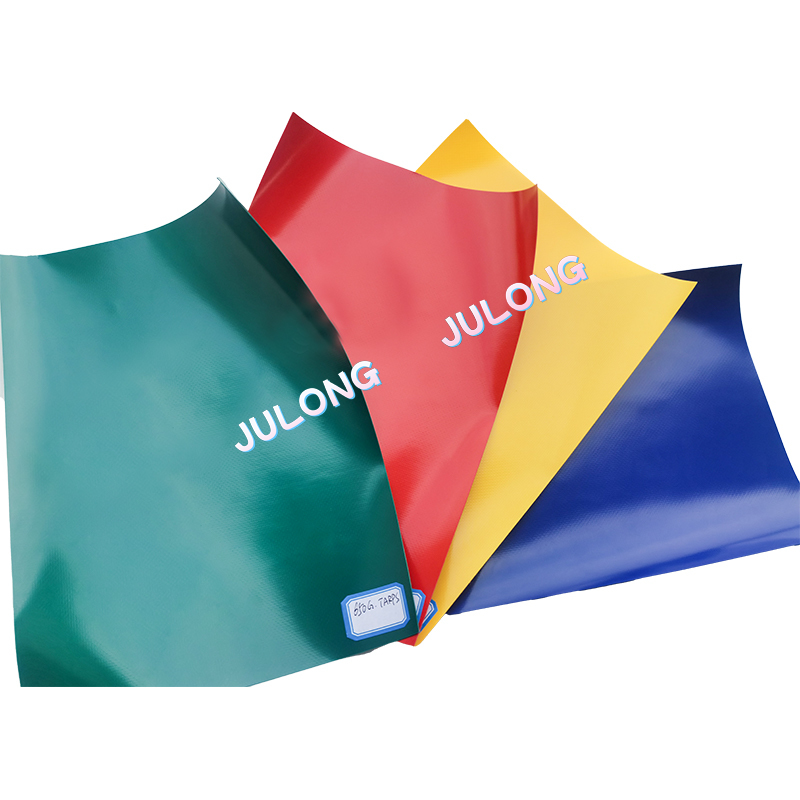
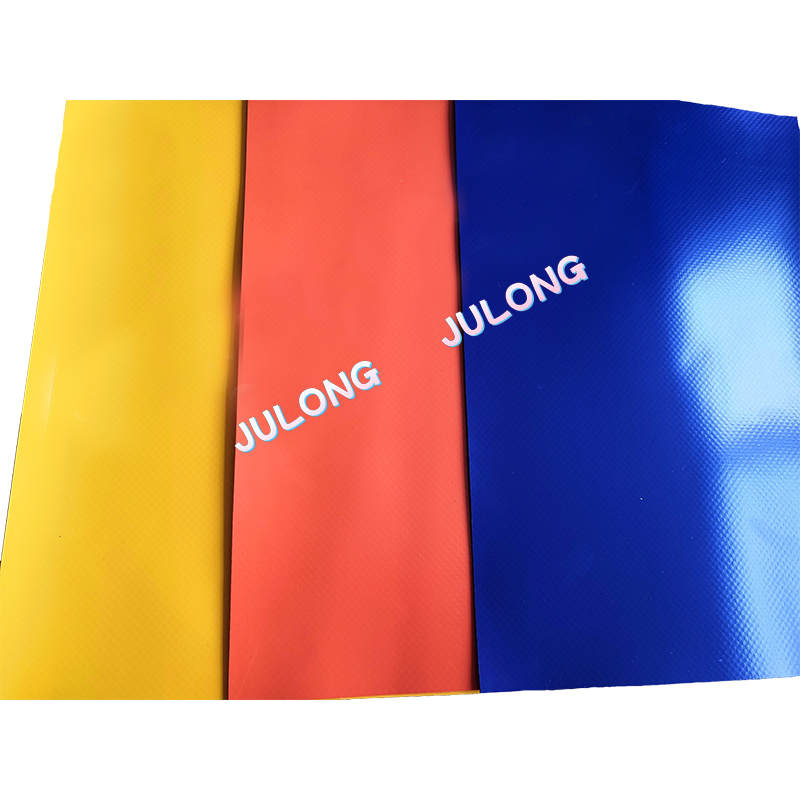
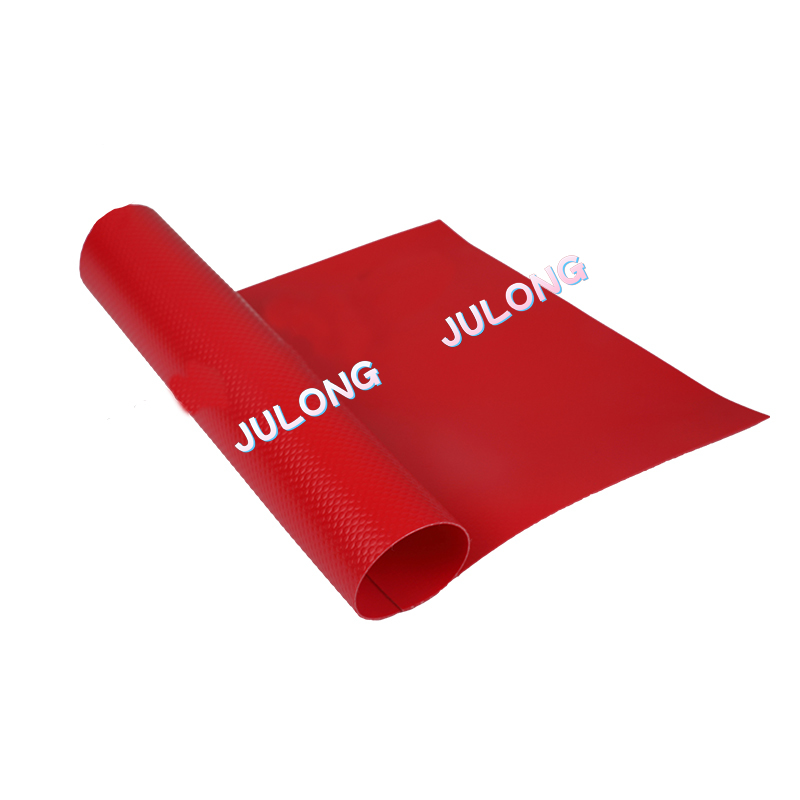
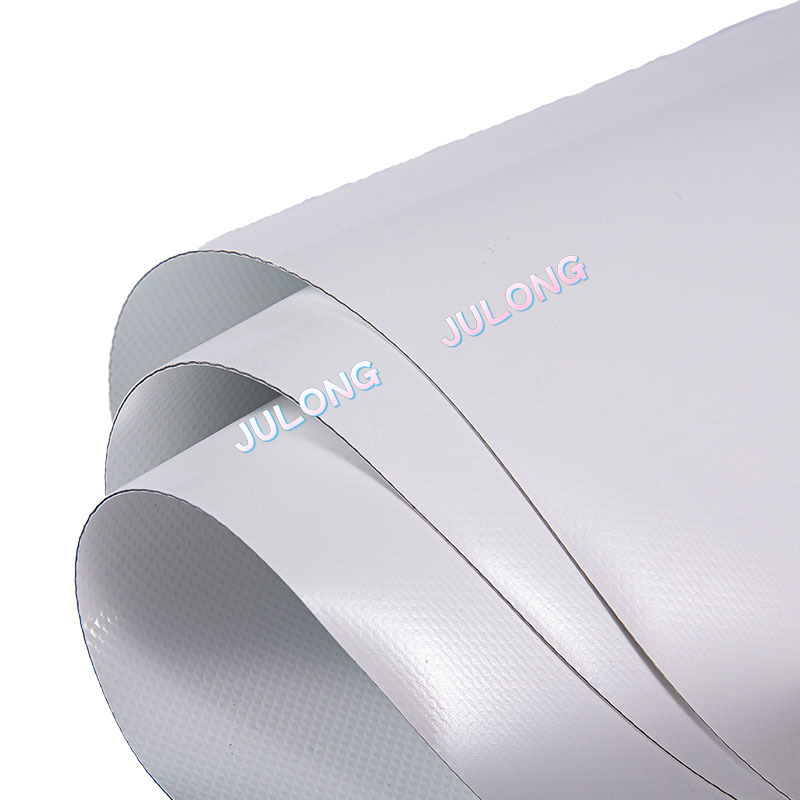
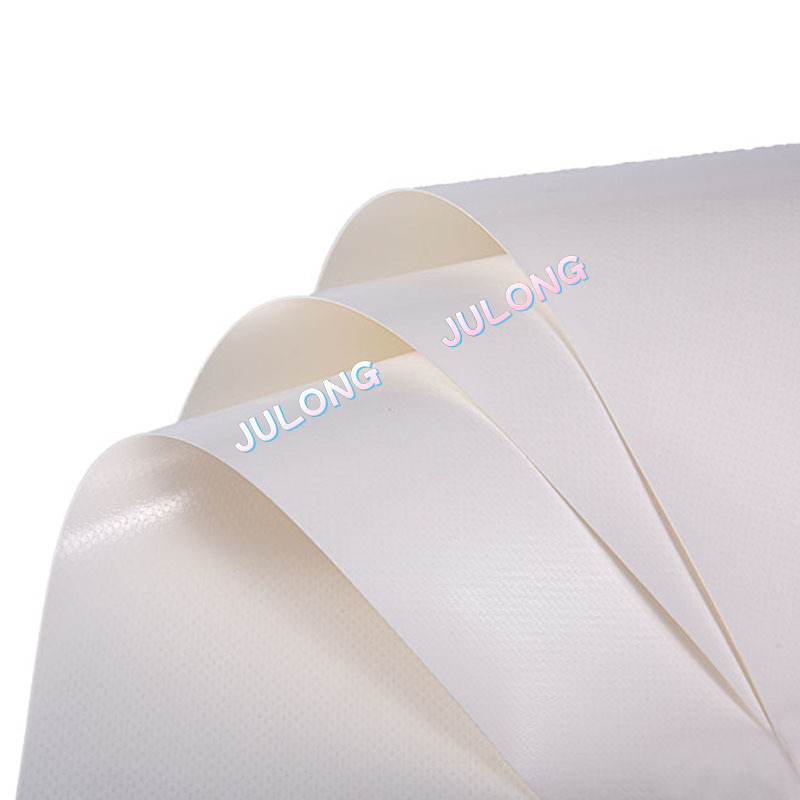
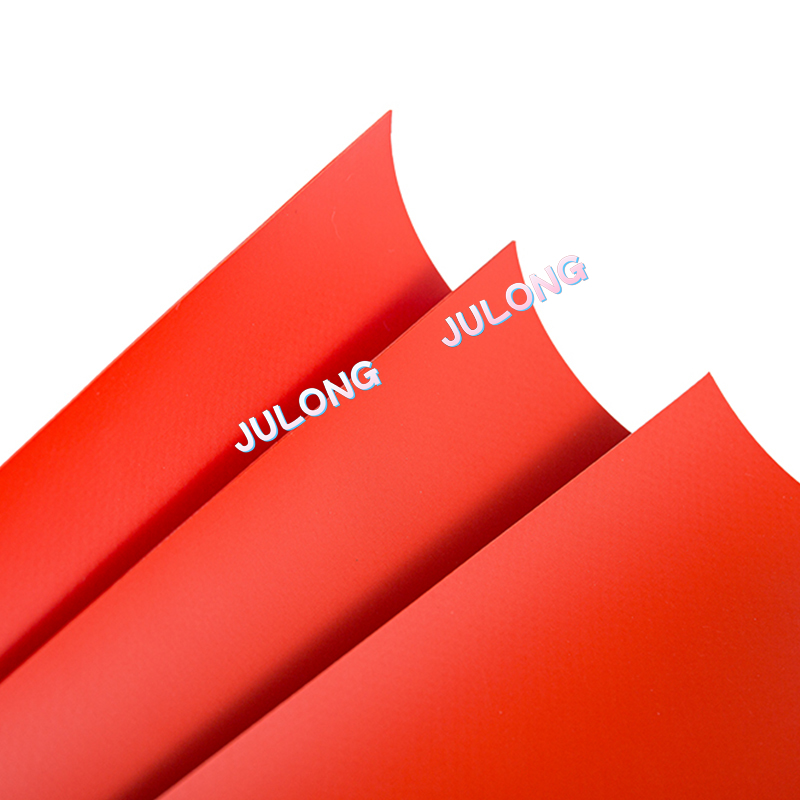
PVC-coated polyester is one of the most commonly used membrane materials due to its affordability, flexibility, and good weather resistance. It is widely applied in commercial shading systems and medium-span structures.
PTFE-coated fiberglass offers superior strength, fire resistance, and long service life. It is often selected for high-end public architecture and permanent large-span roofs.
Although technically a film rather than a woven fabric, ETFE is frequently used in tensile architecture because of its exceptional light transmission and lightweight properties.
| Material Type | Main Advantage | Typical Use |
| PVC Polyester | Cost-effective | Canopies, walkways |
| PTFE Fiberglass | Long lifespan | Stadium roofs |
| ETFE Film | High transparency | Atriums, skylights |
One of the most practical advantages of tensile architecture membrane fabric is structural efficiency. Because the material works mainly under tension, it can achieve large unsupported spans while using significantly less material than traditional roof systems.
This reduces dead load on the supporting structure and lowers foundation requirements, which often leads to faster construction and lower overall project costs.
The membrane distributes loads such as wind, rain, and snow through a carefully calculated tension network, ensuring stability and resilience.
Tensile membrane fabric allows architects to create organic, flowing, and visually striking forms that are difficult to achieve with rigid materials.
Its flexibility supports curved surfaces, free-form geometries, saddle shapes, cone structures, and wave-like roof profiles.
This design freedom is one reason tensile architecture is increasingly chosen for commercial and cultural projects.
Outdoor durability is critical for tensile structures. High-quality membrane fabrics are specifically engineered to resist UV radiation, moisture, mildew, temperature fluctuations, and pollution exposure.
Special coatings prevent material degradation caused by prolonged sun exposure.
The coated surface creates a waterproof barrier that protects interior spaces from rain and moisture intrusion.
Advanced PTFE membranes often feature self-cleaning properties, reducing maintenance requirements.
The practical applications are broad and continue to expand across multiple sectors.
Large stadium roofs and spectator shading systems commonly use PTFE membrane fabrics.
Shopping centers, hotels, and restaurants use tensile canopies to create modern and inviting outdoor areas.
Airports, train stations, and bus terminals benefit from lightweight roofing systems with fast installation.
Parks, plazas, and pedestrian walkways frequently adopt membrane shading structures.
For practical project selection, buyers should evaluate the following factors carefully.
Selecting the right fabric type directly affects project safety, durability, and lifecycle cost.
As sustainable and lightweight construction solutions become increasingly important, tensile architecture membrane fabric offers clear advantages in material efficiency, design freedom, reduced installation time, and environmental adaptability.
Its ability to combine engineering performance with modern visual appeal makes it a preferred material for future urban architecture and landmark projects.
Tensile architecture membrane fabric is transforming how modern spaces are designed and built. By offering lightweight strength, exceptional aesthetics, and outstanding weather durability, it provides a practical and forward-looking solution for a wide range of architectural applications. For designers, engineers, and project developers seeking innovative structural materials, tensile membrane fabric remains one of the most versatile choices available today.
Win-win cooperation with new and old customers, create the future.

No. 9, Xingang Avenue, Ningguo City, Anhui Province, China.


+86 15397280550
Copyright © Anhui Longsheng New Material Technology Co., Ltd. Architecture Membrane Material Manufacturers Outdoor PVC Waterproof Fabric Supplier
