
 English
 عربى
عربىTarp for Truck Cover




Content
Tensile architecture membranes are engineered fabric structures held under continuous tension by a supporting framework of cables, masts, and anchoring points, forming the curved, lightweight roofs and canopies seen in stadiums, airports, and public plazas around the world. While these structures are designed for long-term durability, the fabric membrane remains exposed to constant environmental stress, including sun exposure, wind loading, precipitation, and temperature fluctuation, all of which gradually affect the material over time.
Without a consistent maintenance program, even a well-engineered tensile membrane can experience premature material degradation, tension loss, or localized damage that compromises both its appearance and structural performance. Because these structures often serve as prominent architectural features in public spaces, maintaining their condition is important not only for structural safety but also for preserving the visual impact that originally justified their design and installation cost.
The maintenance requirements for a tensile membrane structure depend significantly on the specific fabric material used in its construction, since different membrane materials age and respond to environmental stress in different ways.
PTFE-coated fiberglass membranes are known for their exceptional durability and resistance to UV degradation, often maintaining structural performance for 25 years or more with proper care. This material's smooth, non-stick surface also tends to shed dirt more effectively during rainfall, reducing the frequency of manual cleaning required compared to other membrane types.
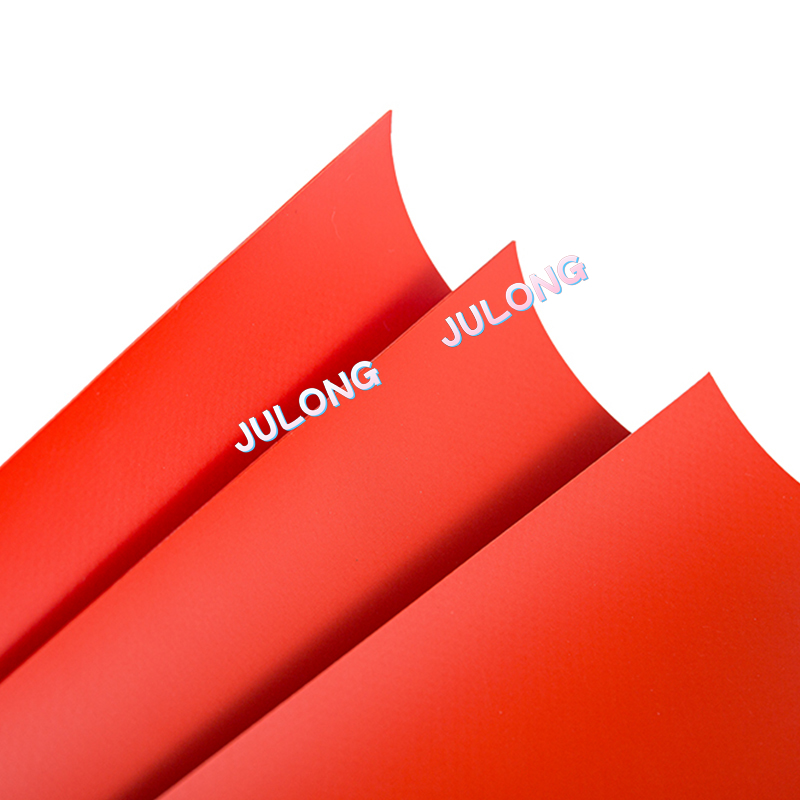
PVC-coated polyester membranes offer a more cost-effective option with good flexibility and tensile strength, though they generally have a shorter expected service life, often in the range of 15 to 20 years, and require more frequent attention to surface cleaning and coating maintenance to prevent premature degradation from UV exposure.
ETFE film is used in specific tensile applications, typically in pneumatic cushion systems, and offers excellent light transmission along with strong resistance to weathering. Maintenance for ETFE systems often includes monitoring the air pressure within the cushions, in addition to standard surface inspection practices used for other membrane types.
| Membrane Material | Expected Lifespan | Maintenance Frequency |
| PTFE-Coated Fiberglass | 25+ years | Low to moderate |
| PVC-Coated Polyester | 15 to 20 years | Moderate to high |
| ETFE Film | 25+ years | Moderate (includes air pressure checks) |
Regular inspection is the foundation of any effective tensile membrane maintenance program, allowing potential issues to be identified and addressed before they develop into more significant structural or aesthetic problems. Most maintenance guidelines recommend a general visual inspection at least twice per year, with additional inspections scheduled after severe weather events such as heavy storms, high winds, or significant snow accumulation.
During routine inspections, attention should be given to the overall membrane surface, cable tension points, mast connections, and anchoring hardware, since issues in any of these areas can affect the structure's overall performance. Documenting inspection findings over time, including photographs of specific areas of concern, helps maintenance teams track how conditions change and supports more informed decisions about when repairs or more significant maintenance interventions are needed.
A thorough tensile membrane inspection should cover several specific areas, each of which can develop distinct issues over time that require different types of attention.
Regular cleaning helps maintain both the visual appearance and long-term durability of a tensile membrane structure, since accumulated dirt, pollutants, and organic growth can accelerate coating degradation if left unaddressed for extended periods. Most membrane manufacturers recommend cleaning with low-pressure water and a mild, non-abrasive detergent, since high-pressure washing or abrasive cleaning tools can damage the protective surface coating.
In areas prone to algae or mold growth, particularly on the underside of the membrane or in shaded sections that retain moisture longer, more frequent spot cleaning may be necessary to prevent staining or material degradation. Cleaning frequency should be adjusted based on the structure's location and local environmental conditions, with structures near coastal areas, industrial zones, or heavy vehicle traffic generally requiring more frequent attention due to higher levels of airborne contaminants.
Even well-maintained tensile membranes will eventually require repairs, and addressing issues promptly generally results in simpler, less costly interventions than waiting until damage becomes more extensive.
Minor punctures or small tears can often be repaired using patch kits specifically formulated for the membrane's material type, applied according to manufacturer specifications to ensure a durable bond. Delaying repair of even small damage areas can allow the tear to spread under continued tension and wind loading, turning a minor repair into a much larger and more expensive fix.
Over time, cables within a tensile structure may require retensioning to maintain the membrane's designed shape and load distribution. This work should generally be performed by qualified structural technicians familiar with the specific design tolerances of the structure, since improper tensioning can create uneven stress across the membrane surface.
Tensile membrane structures often face different maintenance demands depending on seasonal weather patterns, and adjusting maintenance practices accordingly helps address these varying conditions effectively. In regions with significant snowfall, monitoring snow accumulation on the membrane surface is important, since excessive buildup can create loads beyond the structure's designed capacity if not managed through proper drainage design or, in some cases, manual snow removal.
During periods of high wind activity, such as storm seasons in certain regions, more frequent inspections following severe weather events help confirm that cable tension and anchoring points have not been affected by the additional stress placed on the structure. Preparing a seasonal maintenance calendar that accounts for these regional weather patterns helps facility managers stay ahead of potential issues rather than responding only after visible damage has occurred.
While routine visual inspections and basic cleaning can often be managed by general facility staff, more technical maintenance tasks, such as cable retensioning, structural connection repairs, or significant membrane patching, generally require specialized expertise from professionals experienced specifically with tensile membrane systems. Working with the original structure's manufacturer or an experienced tensile membrane maintenance contractor helps ensure that any repairs or adjustments are performed in a way that preserves the structure's designed performance and safety margins.
By combining regular visual inspection, consistent cleaning practices, prompt attention to minor repairs, and seasonal awareness of regional weather demands, facility managers can significantly extend the service life of their tensile membrane structures while preserving both their structural integrity and the striking architectural appearance that made them a valuable design investment in the first place.
Win-win cooperation with new and old customers, create the future.

No. 9, Xingang Avenue, Ningguo City, Anhui Province, China.


+86 15397280550
Copyright © Anhui Longsheng New Material Technology Co., Ltd. Architecture Membrane Material Manufacturers Outdoor PVC Waterproof Fabric Supplier
