
 English
 عربى
عربىTarp for Truck Cover




Content
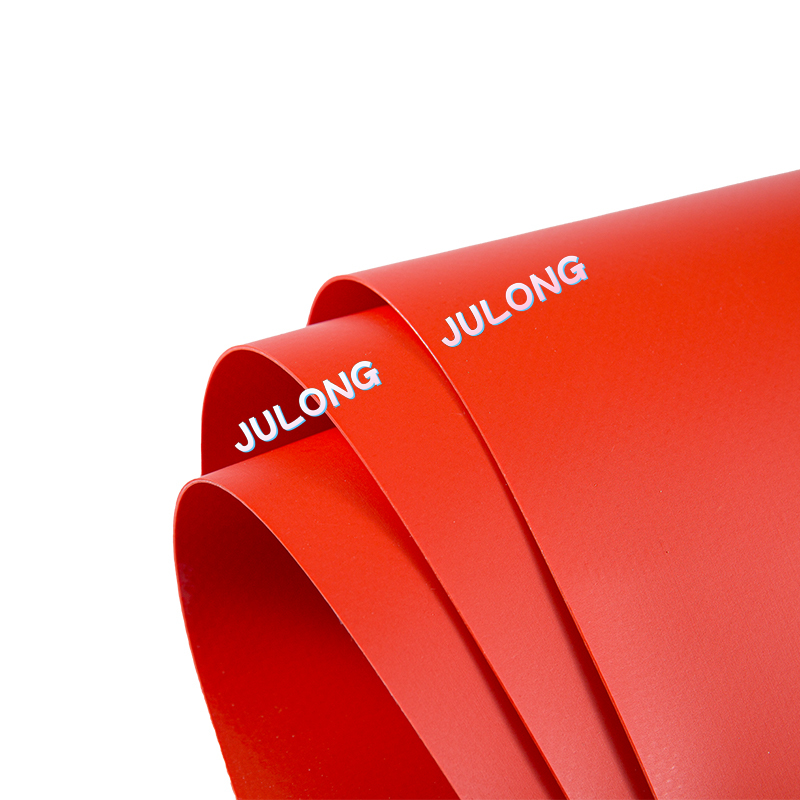
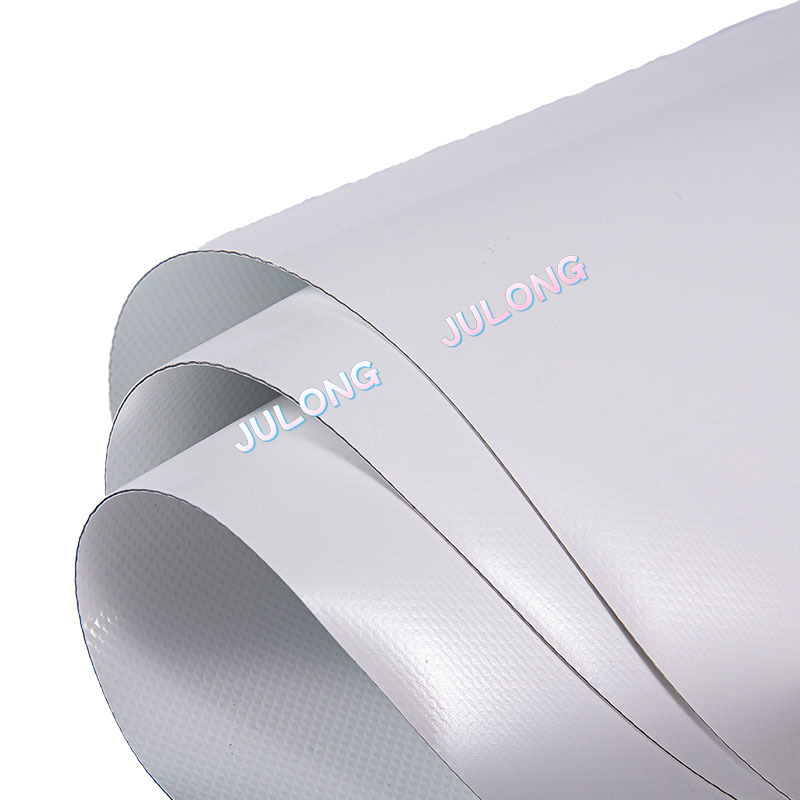
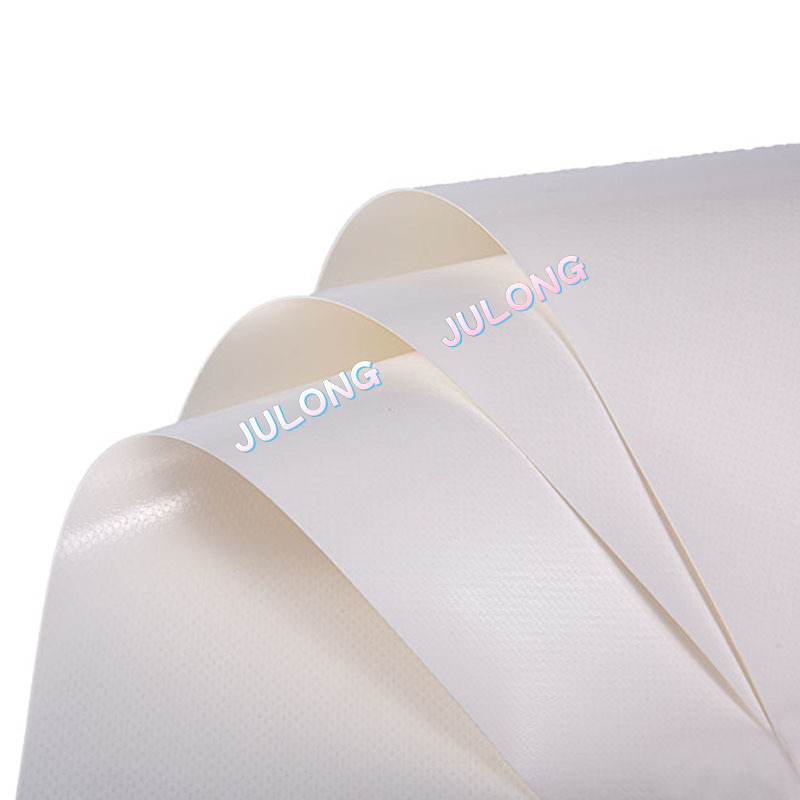
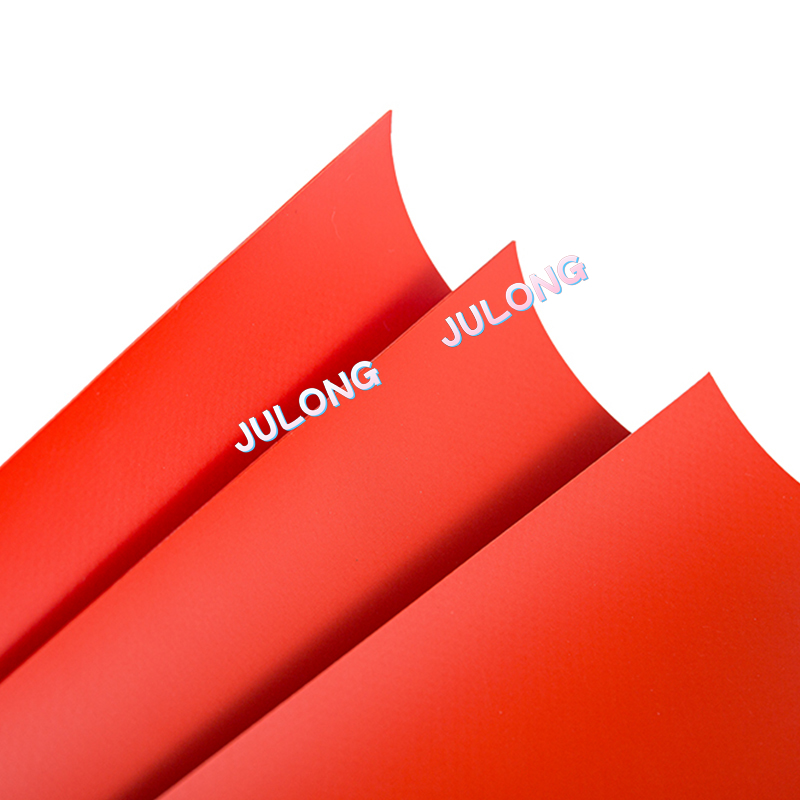
PVC coated fabric is a versatile composite material made by bonding a polyvinyl chloride (PVC) coating to a woven substrate (typically polyester or nylon). The result is a durable, waterproof, flame-retardant, and easily fabricated sheet used across many industrial and outdoor applications. This article surveys the principal uses, explains why PVC coated fabric is chosen for each application, and provides practical guidance on specification, fabrication methods (welding, sewing), maintenance, and procurement considerations.
Key performance attributes make PVC coated fabric attractive: excellent water resistance, good tensile and tear strength due to the woven scrim, UV and weather resistance when formulated correctly, flame retardancy, and the ability to be heat-welded into large, leak-tight panels. It balances cost and performance—more durable and repairable than basic polyethylene tarpaulins and less expensive than high-end fluoropolymer membranes—so it occupies a large portion of the market for covered structures and protective applications.
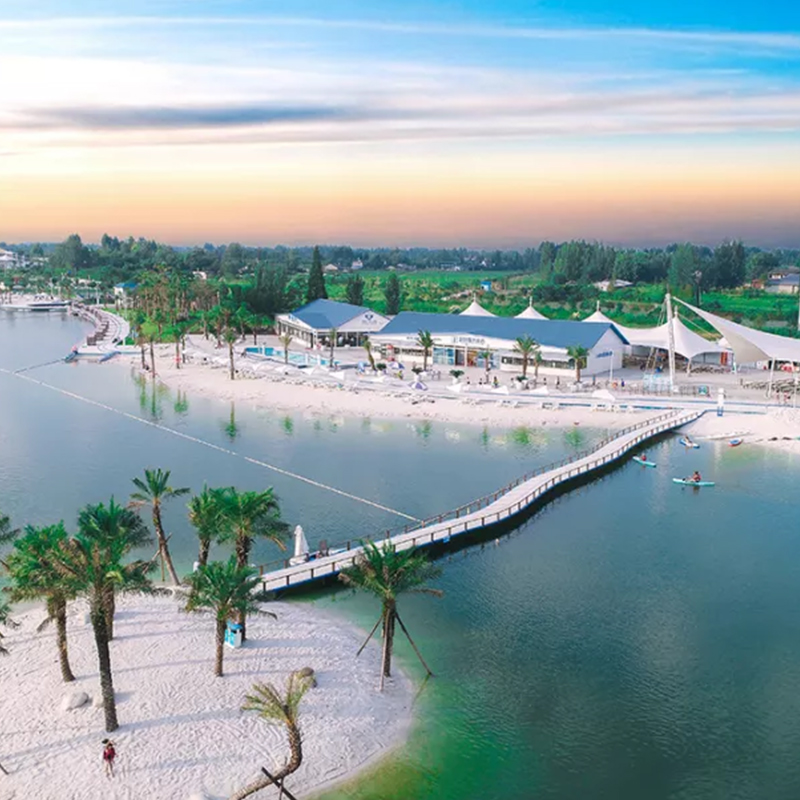
One of the largest applications for PVC coated fabric is fabric architecture: marquee tents, event canopies, circus tents, and exhibition halls. The material is ideal because large panels can be welded on-site to create continuous, weatherproof roofs and sidewalls. Flame-retardant PVC formulations meet many local fire codes for public-assembly spaces, and colored or printed PVC allows branded, aesthetic facades.
Designers specify PVC fabric weight (GSM), tensile strength, and coated thickness depending on span and expected wind/snow loads. Seaming is typically executed by hot-air or hot-wedge welding to produce strong, waterproof seams. Reinforcements (webbing, hem tapes, and gussets) at load points extend service life.
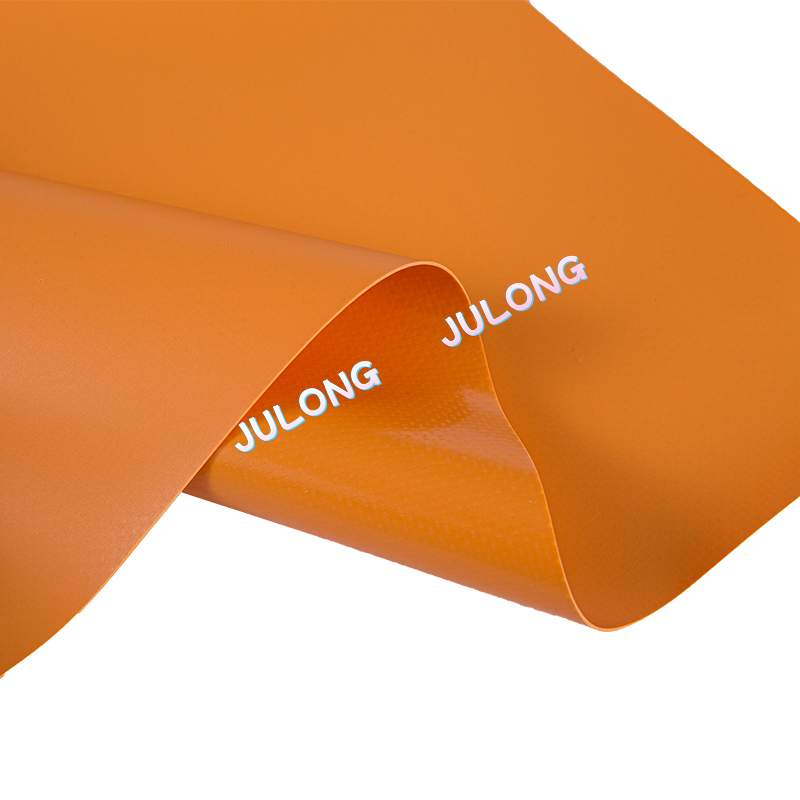
PVC coated fabrics are a staple for tarpaulins, curtainside trailers, and flatbed covers. They resist abrasion from cargo, handle frequent tensioning, and can be repaired in the field. For curtainside systems, PVC’s flexibility allows smooth curtain travel while maintaining weather protection.
Use heavier GSM fabrics (e.g., 650–1200 gsm) with coated weights and UV stabilizers for trailer covers. Choose anti-slip coatings where cargo movement is an issue, and specify reinforced corners and edge hems to avoid premature tearing under load cycles.
Air-supported domes for sports halls, temporary warehouses, and emergency shelters commonly use PVC coated fabric because it combines airtightness with the mechanical strength needed to resist pressurization stresses. PVC’s weldability is critical to create continuous panels that maintain internal pressure without leakage.
Architectural projects employ PVC coated fabric as a cladding or tensile element where lightweight coverage, translucency, and aesthetic form are desired. Translucent PVC allows diffused daylight while protecting from weather, making it suitable for canopies and atrium roofs. High-grade PVC fabrics with PVDF topcoats improve weathering and reduce dirt pickup.
In factories and warehouses, PVC coated fabric is used for roll-up doors, dust curtains, and process partitions. The material’s chemical resistance and easy-clean surface are useful in food processing and chemical plants where hygiene and quick reconfiguration are necessary.
Residential and commercial awnings use PVC coated fabric because it sheds water, resists mildew when treated, and can be printed with logos. Marine-grade PVC formulations resist salt spray and UV degradation for marinas and seaside restaurants.
Heavier PVC coated fabrics function as liners for pools, ponds, and containment basins. Their chemical resistance to chlorine and ability to be heat-welded into leak-proof seams make them cost-effective alternatives to specialized geomembranes in many applications.
PVC-coated scrim is the industry standard for printed banners and billboards: it accepts high-resolution UV-cured or solvent inks, resists tearing, and can be hemmed and reinforced for long-term outdoor display. Mesh variants reduce wind loading for large installations.
Farm uses include silage covers, greenhouse cladding, and irrigation canal liners where resistance to UV, moisture, and agricultural chemicals is needed. Specialized anti-condensation or light-diffusing coatings enhance plant growth environments when required.
In some sectors, coated fabrics provide splash protection in protective garments or durable outer shells in luggage and bags. PVC coated fabric also appears in conveyor belts and material-handling applications where surface grip, oil resistance, and easy cleaning are needed.
Choosing the right PVC coated fabric requires attention to substrate (polyester/nylon denier), coating thickness (microns), GSM, tensile/tear strength, elongation, hydrostatic head, UV rating, and fire classification (e.g., M2, B1, NFPA 701). Consider environmental exposures (salt, chemicals), expected mechanical loads (wind, abrasion), and whether translucency or printability is important.
Hot-wedge and hot-air welding produce the strongest seams for structural and liquid-retaining applications. Ultrasonic sealing is used for thin, specialized laminates. Sewing combined with seam tape remains common for truck tarpaulins. Field repairs can be made using heat-welded patches or adhesive patch kits for emergency fixes.
Routine cleaning with mild detergents, avoidance of solvent-based cleaners that can attack the PVC surface, and inspection of welded seams prolong service life. Periodic top-coat reapplication (for anti-UV or anti-graffiti finishes) can restore performance. Expected lifespan ranges from 3–5 years for low-cost grades up to 15+ years for premium, architecturally specified membranes under proper maintenance.
| Application | Typical Spec | Key Requirement |
| Tents / Fabric Architecture | 550–900 gsm, welded seams | Flame retardancy, UV stability |
| Truck Tarpaulins | 650–1200 gsm, anti-abrasion | High tensile, reinforced edges |
| Printed Banners | 300–550 gsm, printable face | Ink adhesion, tear strength |
| Pool / Pond Liners | 800–1200 gsm, chemical resistant | Hydrostatic resistance, weldable |
When sourcing PVC coated fabric, request technical data sheets (TDS) with standardized test results (ISO/ASTM), sample swatches, and test welds. Confirm warranty terms and ask for reference installations. Consider lifecycle cost—not just price per square meter—because higher-grade fabrics often reduce replacement frequency and maintenance expense.
PVC coated fabric is a pragmatic, high-value material for a wide array of industrial and outdoor applications—tents and canopies, truck tarpaulins, architectural membranes, industrial curtains, printed banners, and liners among them. Choosing the correct grade, ensuring proper fabrication and seam methods, and following maintenance best practices will maximize performance and lifespan. Match material properties to real-world stresses and validate supplier claims with test data to ensure successful outcomes.
Win-win cooperation with new and old customers, create the future.

No. 9, Xingang Avenue, Ningguo City, Anhui Province, China.


+86 15397280550
Copyright © Anhui Longsheng New Material Technology Co., Ltd. Architecture Membrane Material Manufacturers Outdoor PVC Waterproof Fabric Supplier
