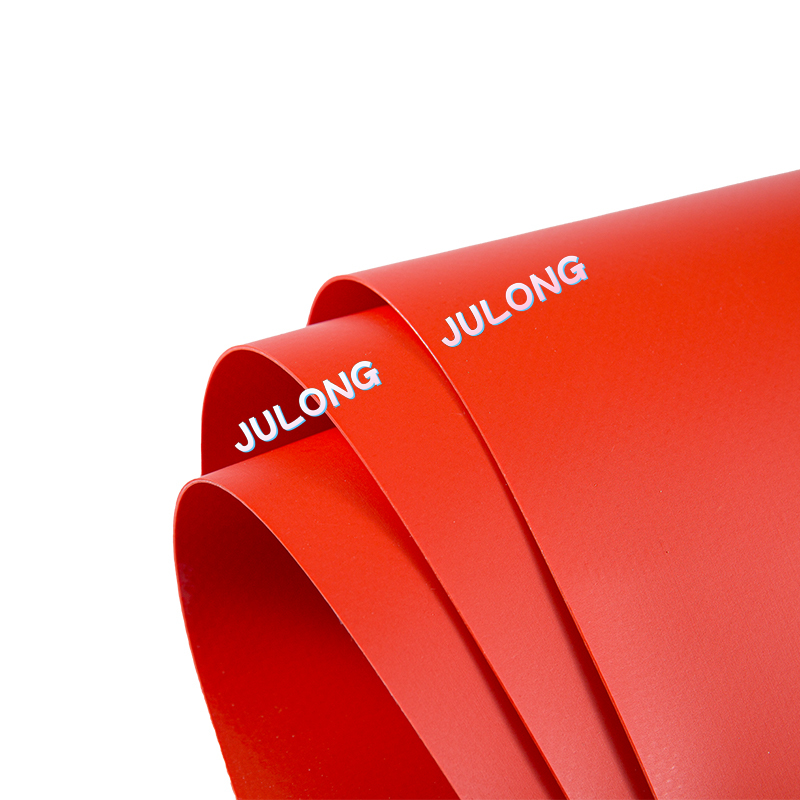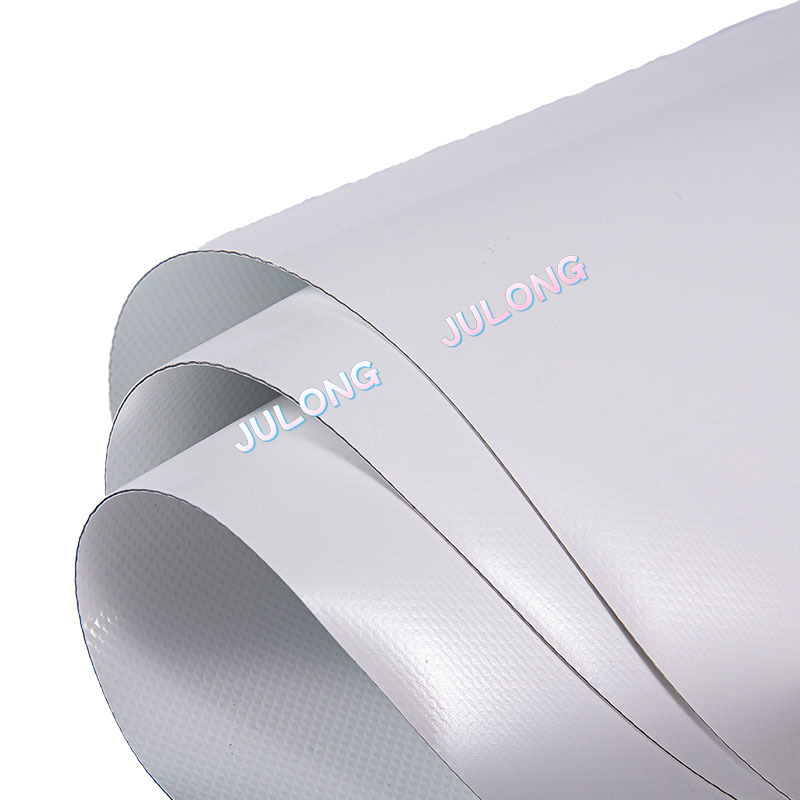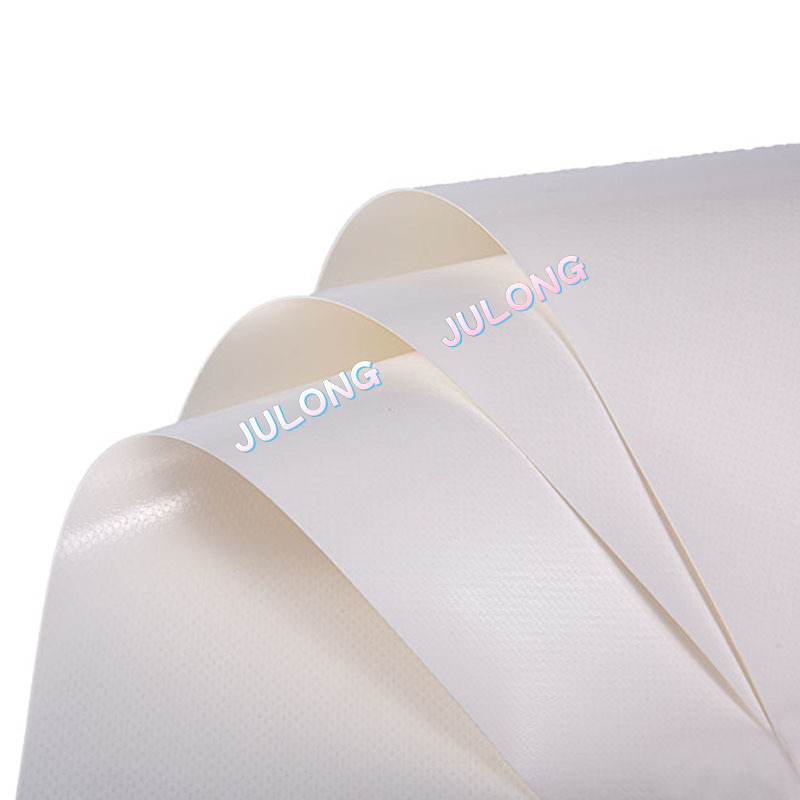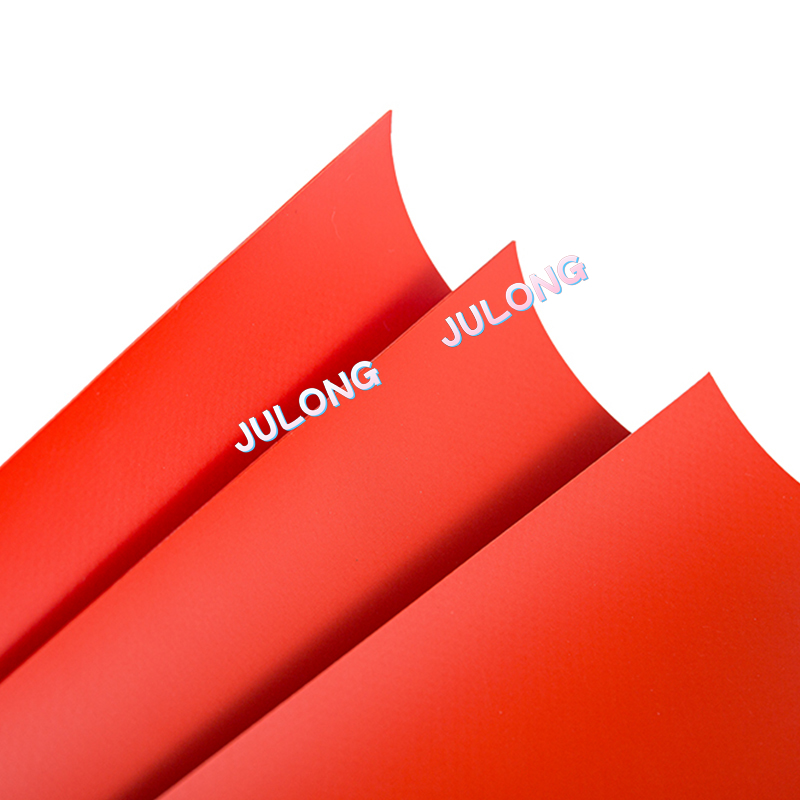
PVC coated polyester fabric is a versatile material made by applying a layer of polyvinyl chloride (PVC) to a strong polyester base. The coating enhances the fabric's durability, water resistance, and UV protection, making it suitable for a wide range of industrial, commercial, and outdoor applications. This combination of polyester strength and PVC flexibility allows the fabric to resist tearing, abrasion, and environmental stress.
Why Is PVC Coated Polyester Fabric Popular?
The popularity of PVC coated polyester fabric stems from its unique properties that meet the demands of multiple industries. Key advantages include:
- High tensile strength from the polyester base, which provides durability and resistance to wear and tear.
- Waterproofing due to the PVC coating, protecting the fabric from moisture and liquid damage.
- Chemical resistance, allowing use in environments where oils, acids, or other chemicals may be present.
- UV resistance, reducing fading and degradation when exposed to sunlight for extended periods.
- Easy cleaning and maintenance compared to natural fabrics, due to the smooth PVC surface.

What Are the Types of PVC Coated Polyester Fabric?
PVC coated polyester fabrics come in various types depending on thickness, coating techniques, and finishes. These types affect performance and suitability for different applications.
Single-Sided Coated Fabric
Single-sided coated fabric has PVC applied only to one side of the polyester base. This type is often used for applications where waterproofing is required on only one surface, such as protective covers or tarpaulins.
Double-Sided Coated Fabric
Double-sided coated fabric has PVC applied to both sides, providing enhanced durability, chemical resistance, and a smoother surface. This makes it suitable for heavy-duty applications such as truck covers, industrial curtains, and inflatable structures.
Flame-Retardant PVC Fabric
Flame-retardant PVC coated polyester fabric is treated with chemicals to resist ignition and limit fire spread. This is essential for applications in public spaces, tents, and indoor industrial curtains where safety standards require fire resistance.
What Are the Key Applications of PVC Coated Polyester Fabric?
Due to its durability, waterproofing, and resistance to environmental factors, PVC coated polyester fabric is used in diverse industries:
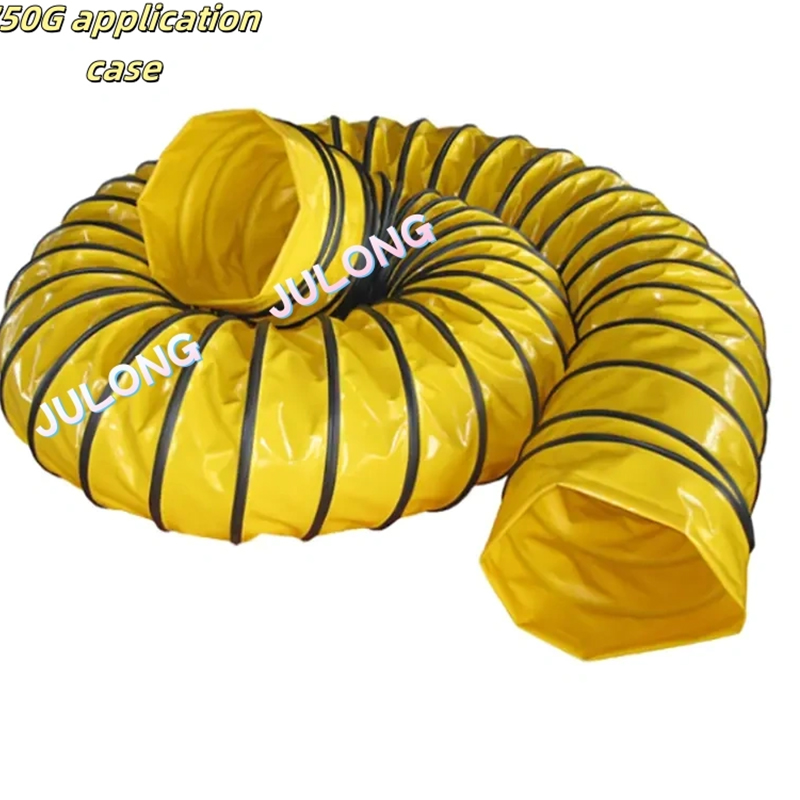
- Industrial Covers: Protect machinery, equipment, and raw materials from dust, moisture, and chemicals.
- Outdoor Structures: Tents, canopies, inflatable boats, and shelters utilize its UV resistance and waterproofing.
- Transportation: Truck tarpaulins, cargo covers, and vehicle upholstery benefit from the fabric's strength and durability.
- Medical and Hygiene: Sterile curtains and protective covers leverage the chemical resistance and easy-to-clean surfaces.
- Advertising and Branding: Banners and inflatable advertising structures rely on the fabric's printable surface and weather resistance.
How Is PVC Coated Polyester Fabric Manufactured?
The manufacturing process involves several steps to ensure quality and performance:
- Polyester Base Fabric Production: The polyester yarn is woven into a strong and uniform fabric, which provides tensile strength.
- Surface Treatment: The polyester base may be pre-treated with primer or adhesion chemicals to ensure proper PVC bonding.
- PVC Coating: PVC compound is applied via calendering, spreading, or coating machines to one or both sides of the fabric.
- Finishing: Optional surface treatments such as embossing, lamination, or UV protection enhance appearance and performance.
- Curing: The coated fabric is heated to ensure proper bonding and chemical stabilization, improving durability.
What Are the Advantages and Disadvantages of PVC Coated Polyester Fabric?
Understanding both strengths and limitations helps in selecting the right material for specific applications.
Advantages
- High strength and tear resistance due to the polyester base.
- Waterproof, UV-resistant, and chemical-resistant surfaces.
- Long service life and low maintenance requirements.
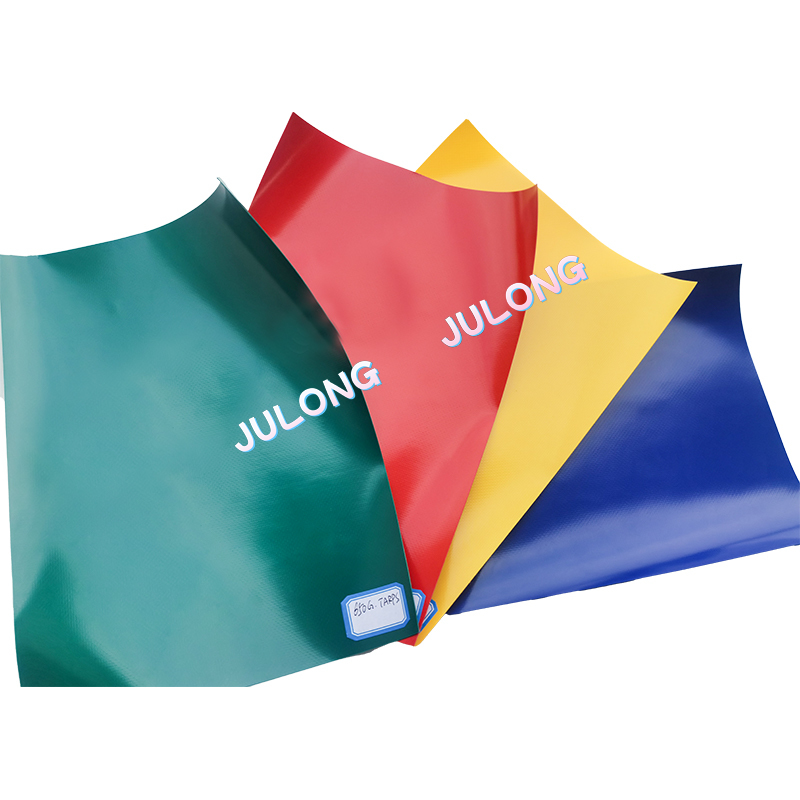
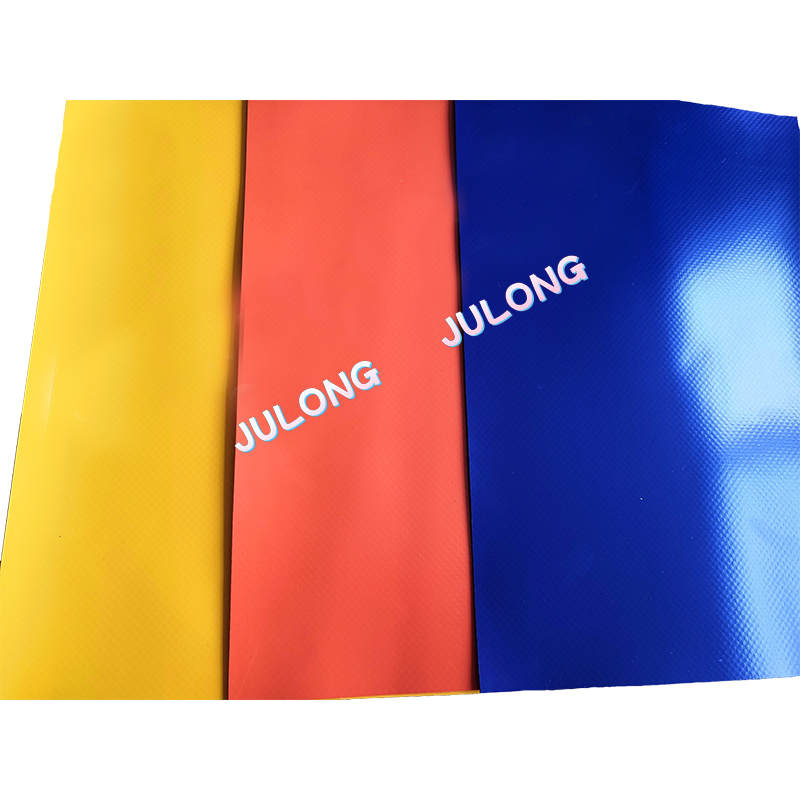
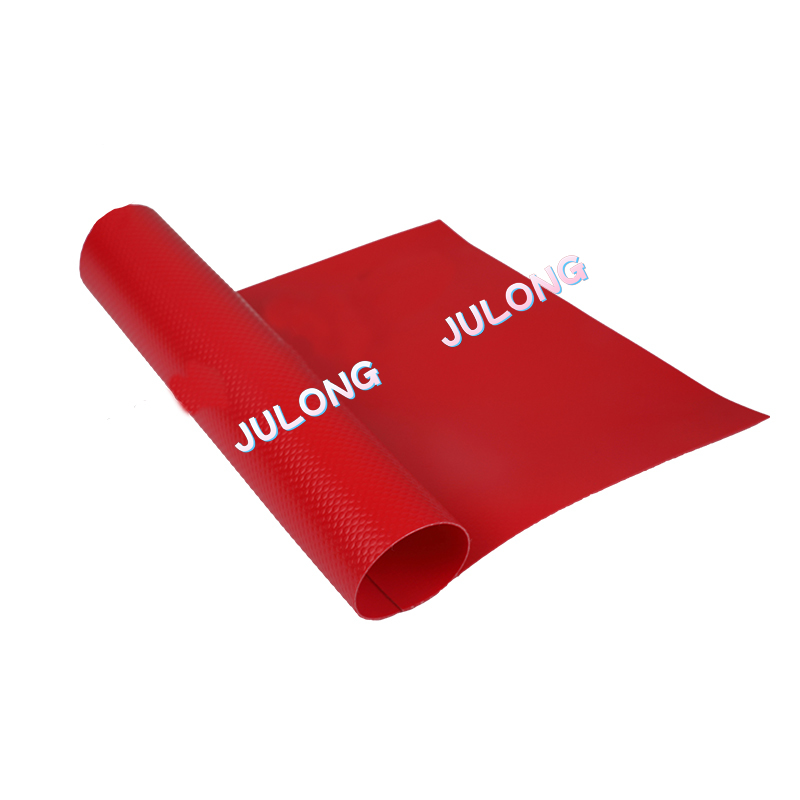
- Customizable thickness, color, texture, and coating properties.
- Printable surface suitable for branding and advertising applications.
Disadvantages
- Limited flexibility in extremely cold temperatures; may become stiff and brittle.
- PVC coatings may release small amounts of plasticizers over time under heat.
- Environmental concerns regarding PVC disposal and recyclability.
How Should PVC Coated Polyester Fabric Be Maintained?
Proper maintenance ensures long-term performance:
- Clean with mild detergent and water; avoid abrasive brushes or harsh chemicals.
- Store in dry, ventilated areas to prevent mold or moisture damage.
- Inspect for tears or coating damage periodically and repair with PVC adhesive or patches.
- Avoid prolonged exposure to extreme heat or open flames.
Conclusion: Is PVC Coated Polyester Fabric the Right Choice?
PVC coated polyester fabric offers an excellent balance of strength, waterproofing, UV resistance, and versatility. It is suitable for a wide range of industrial, commercial, and outdoor applications. Understanding its types, advantages, limitations, and proper maintenance ensures optimal performance and long service life.
English
عربى