
 English
 عربى
عربىTarp for Truck Cover




Content
PVC high speed door fabric is the flexible curtain material used in rapid roll doors — also known as high speed doors, fast action doors, or rapid doors — that open and close at speeds typically ranging from 0.5 to 3 meters per second. Unlike rigid panel doors, these doors rely entirely on the mechanical and chemical properties of the fabric panel to withstand repeated cycling, seal the opening against environmental conditions, and resist damage from accidental impact. The fabric is therefore the single most critical component in a high speed door system, directly determining the door's durability, thermal performance, hygiene suitability, and operational lifespan.
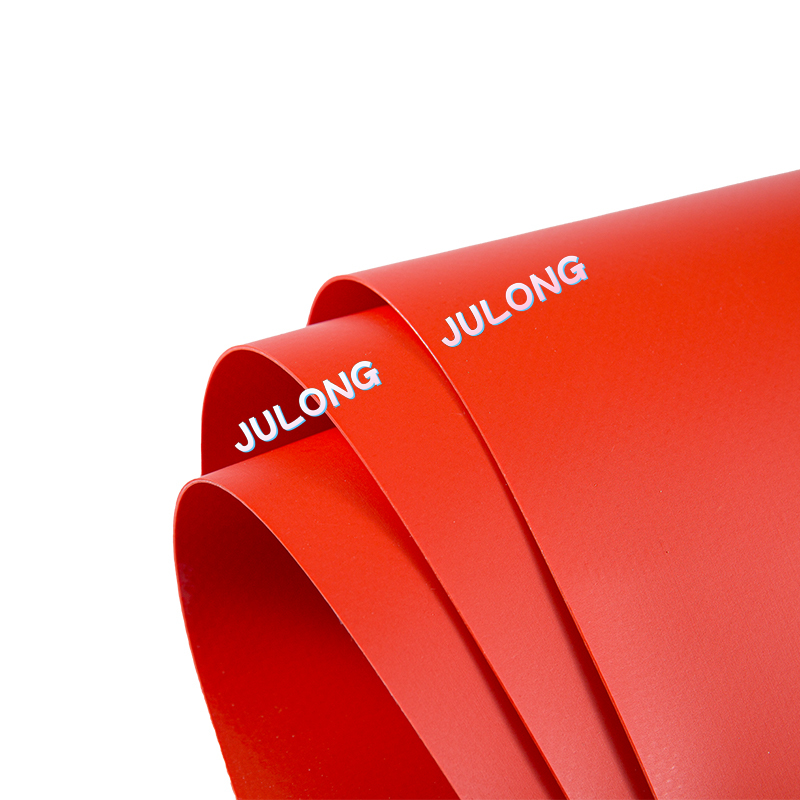
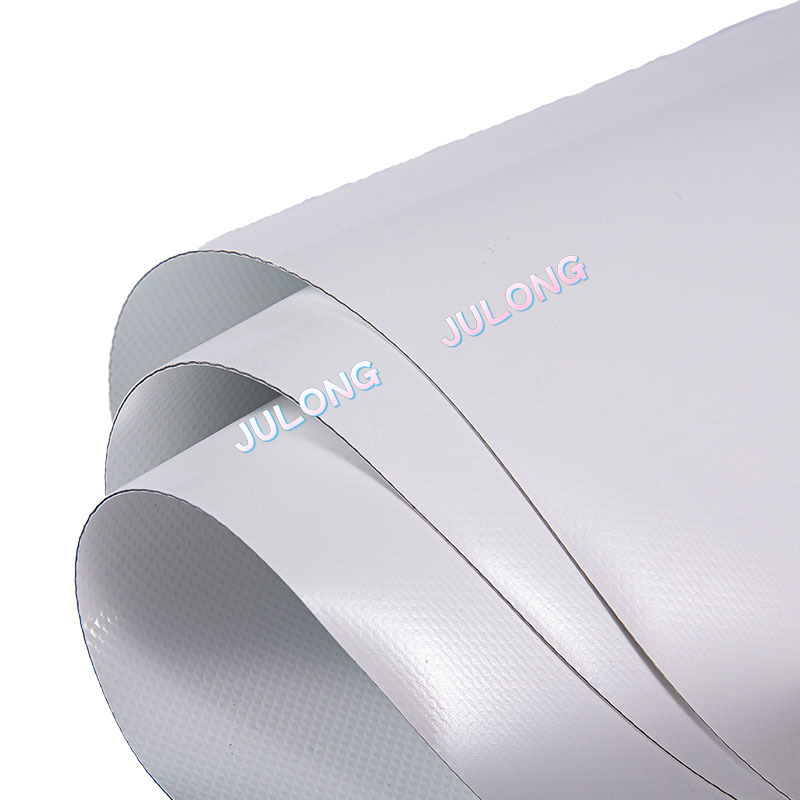
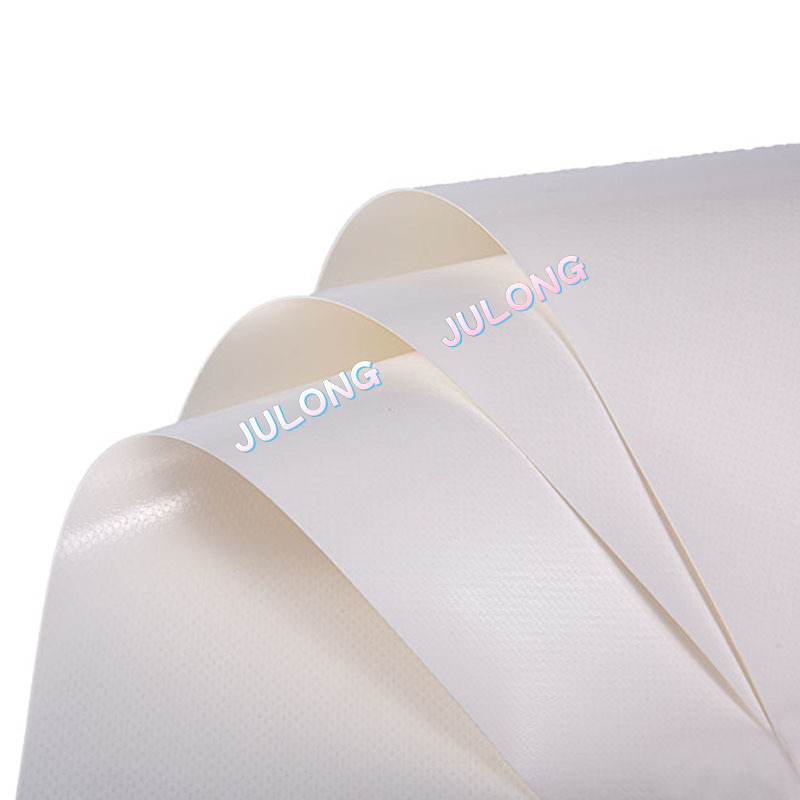
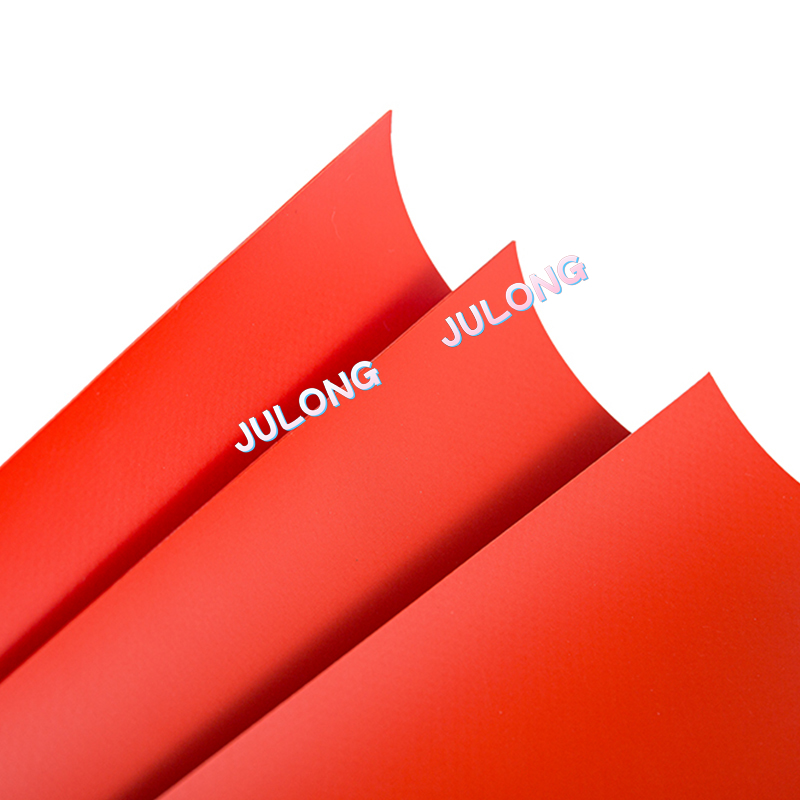
PVC (polyvinyl chloride) is the dominant material used for high speed door curtains because it combines excellent flexibility with high tensile strength, chemical resistance, and the ability to be formulated for a wide range of performance characteristics. The fabric is typically produced as a coated or laminated textile, where a polyester or glass fiber woven base cloth is coated on one or both sides with PVC compound. The resulting composite material inherits the structural strength of the fiber reinforcement and the surface and sealing properties of the PVC coating. Understanding what makes a quality PVC high speed door fabric — and how to match it to the application — is essential for facility managers, door system specifiers, and procurement engineers.
The performance of PVC high speed door fabric is determined by two main structural elements: the reinforcing textile substrate and the PVC coating compound. Each element is engineered to contribute specific properties to the finished fabric.
The reinforcing fabric base is most commonly a woven polyester grid — typically a plain weave or leno weave structure with threads spaced at regular intervals to form a visible grid pattern. The density and denier of the polyester yarns determine the fabric's tensile strength, tear resistance, and dimensional stability. Higher thread counts and heavier denier yarns produce fabrics capable of withstanding higher wind loads and more aggressive impact cycles. In specialized high-temperature or fire-retardant applications, glass fiber reinforcement may be used instead of polyester, offering superior thermal stability at the cost of reduced flexibility.
The polyester or glass fiber base cloth is coated with a PVC compound formulated to meet specific performance targets. The coating provides the surface's resistance to chemicals, moisture, UV radiation, and microbiological growth. Plasticizers are added to the PVC compound to control flexibility — particularly important for cold storage applications where the fabric must remain pliable at temperatures as low as -30°C. Stabilizers are incorporated to prevent UV-induced degradation in outdoor or sunlit applications. The total weight of the finished fabric — typically expressed in grams per square meter (gsm) — reflects the combined weight of the textile and coating, with commercial high speed door fabrics ranging from approximately 700 gsm to over 1,400 gsm depending on application demands.
A high-quality PVC high speed door fabric must deliver a consistent combination of mechanical, thermal, and hygienic performance properties throughout its service life. The following are the most critical parameters evaluated during specification:
| Property | Test Method | Importance |
| Tensile strength (warp/weft) | ISO 1421 | Resists tearing under wind load and impact |
| Tear resistance | ISO 4674 | Prevents propagation of punctures or cuts |
| Cold flexibility | EN 495-5 | Essential for cold room and freezer applications |
| Flame retardancy | DIN 4102-B1, EN 13501 | Required in fire-rated or hazardous area doors |
| Antistatic properties | EN 1149-3 | Critical in electronics, pharmaceutical, and ATEX zones |
| UV resistance | ISO 4892 | Required for outdoor or sun-exposed installations |
| Chemical resistance | Immersion/spot testing | Necessary in food processing and chemical plants |
PVC high speed door fabrics are not one-size-fits-all products. Manufacturers produce distinct grades and formulations tailored to the specific demands of different industrial environments. Selecting the wrong fabric type for a given application leads to premature failure, contamination risks, or safety non-compliance.
Standard industrial PVC fabrics are designed for general-purpose warehousing, logistics, and light manufacturing environments. They typically offer a fabric weight of 700–900 gsm, good tensile strength for normal wind loads, and a surface that is easy to clean with standard detergents. These fabrics are available in a range of colors — grey, yellow, and white being most common — and may incorporate a transparent vision panel to allow visibility through the door. They are suited for indoor applications with moderate temperature ranges (typically -10°C to +50°C) and no special hygienic or chemical resistance requirements.
Cold storage environments — blast freezers, cold rooms, and refrigerated distribution centers — impose severe demands on door fabric. The PVC compound must remain fully flexible at temperatures as low as -30°C without becoming brittle, cracking, or losing its sealing properties. Cold-grade fabrics use specially formulated high-plasticizer PVC compounds and may incorporate insulating foam core layers to improve thermal resistance and reduce condensation on the door surface. The fabric's ability to maintain a consistent seal at low temperatures directly impacts energy consumption in the cold chain, making the specification of the correct cold-grade fabric an important factor in facility operating costs.
Food processing and beverage production facilities require PVC door fabrics that meet stringent hygienic standards. These fabrics are formulated without plasticizers or stabilizers that could migrate into food products, and their surfaces are engineered to resist the growth of bacteria, mold, and other microorganisms. Key characteristics include smooth, non-porous surface textures that do not harbor contamination, resistance to high-pressure hot water wash-down and steam cleaning, and compatibility with food-grade cleaning chemicals and disinfectants. Food-grade PVC fabrics often carry certification under EU Regulation 10/2011 on plastic materials in contact with food, or equivalent national standards.
Semiconductor fabrication, pharmaceutical manufacturing, and electronics assembly facilities operate under strict cleanliness and electrostatic discharge (ESD) control requirements. Cleanroom-grade PVC door fabrics are manufactured with minimal particle emission, smooth surfaces that do not shed fibers, and antistatic treatments or carbon fiber inclusions that dissipate static charge to prevent ESD events. These fabrics comply with ISO 14644 cleanroom standards and EN 1149 antistatic standards as appropriate to the facility's cleanliness classification.
In high-traffic industrial environments — automotive plants, steel mills, large distribution hubs — forklifts and other vehicles inevitably collide with door curtains. Heavy-duty PVC fabrics use thicker polyester reinforcement grids and heavier PVC coatings (typically 1,000–1,400 gsm or more) to maximize impact resistance and tear propagation resistance. Many high-speed door systems in these environments incorporate a self-repairing or re-insertable curtain design, where the fabric panel pops out of its side guides on impact and automatically re-inserts when the door cycles again. The fabric must be sufficiently flexible and elastically resilient to accommodate this repeated pop-out and re-engagement without damage.
Many high speed door applications require at least a degree of visibility through the door curtain for safety reasons — allowing forklift operators and pedestrians to see approaching traffic from the other side of the door before it opens. PVC door fabrics address this in two main ways:
Transparency in PVC panels degrades over time due to UV exposure, chemical contact, and mechanical abrasion. Specifying UV-stabilized transparent PVC and including regular inspection of vision panel clarity in the maintenance schedule helps maintain safety visibility throughout the door's service life.
PVC high speed door curtains are not simply cut from a roll — they are precision-fabricated assemblies that incorporate welded seams, reinforced edges, bottom seal profiles, and guide rail engagement features. High-frequency (HF) welding is the standard joining technique for PVC fabric, using electromagnetic energy to fuse the PVC coating of adjacent fabric panels into a homogeneous bond without stitching or adhesive. HF-welded seams in quality fabrics achieve strength equal to or greater than the surrounding fabric, eliminating the seam as a failure point.
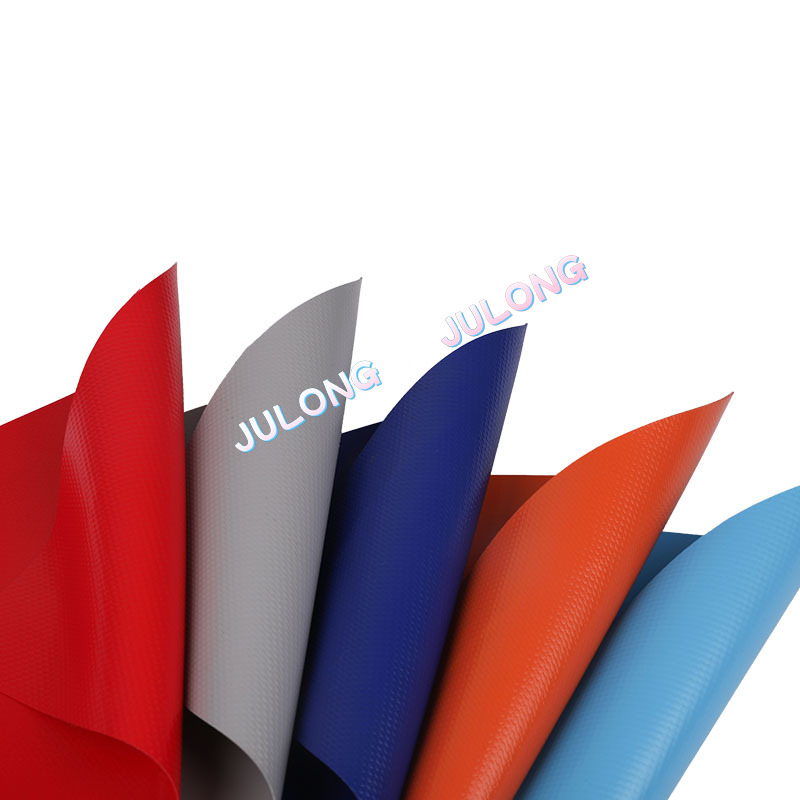
When a curtain reaches the end of its service life or sustains damage beyond self-repair, replacement fabric panels must be sourced to exactly match the original specification — including fabric weight, grid pattern, color, and edge profile geometry — to ensure proper fit and function within the door frame. Many high speed door manufacturers supply replacement curtains as spare parts, and using OEM-specified fabric ensures compatibility with the door's safety sensor systems and guide rail dimensions.
The service life of a PVC high speed door fabric depends heavily on the operating environment, cycle frequency, and maintenance regime. A well-maintained fabric in a standard industrial application may last five to ten years through millions of operating cycles, while a fabric in a harsh chemical or high-impact environment may require replacement in two to three years. Key maintenance practices that extend fabric life include:
When specifying PVC high speed door fabric for a new installation or replacement project, the following checklist ensures that the correct material grade is identified and that suppliers can provide comparable quotations:
PVC high speed door fabric is a highly engineered composite material that plays a defining role in the safety, energy efficiency, hygiene, and durability of rapid door systems across industrial, food processing, pharmaceutical, and logistics applications. Far from being a commodity product, the fabric specification requires careful matching of material grade, performance properties, and certification requirements to the specific demands of the installation environment. By understanding the construction principles, available types, and key selection criteria outlined in this guide, facility engineers and door system specifiers can make informed decisions that maximize door performance and minimize total cost of ownership over the system's service life.

Win-win cooperation with new and old customers, create the future.

No. 9, Xingang Avenue, Ningguo City, Anhui Province, China.


+86 15397280550
Copyright © Anhui Longsheng New Material Technology Co., Ltd. Architecture Membrane Material Manufacturers Outdoor PVC Waterproof Fabric Supplier
