
 English
 عربى
عربىTarp for Truck Cover




Content
PVC high speed door fabric is the flexible curtain material used in rapid roll-up doors — a category of industrial door designed to open and close at speeds typically between 0.8 m/s and 3.0 m/s. These doors are installed in environments where frequent traffic movement, temperature separation, dust control, and hygiene management are critical operational priorities. The fabric panel is the core functional component of the door system, and its material composition directly determines how well the door performs across all these dimensions. Unlike rigid sectional or sliding doors, high speed doors rely entirely on the mechanical and chemical properties of their fabric to maintain a reliable environmental seal under thousands of daily cycles.
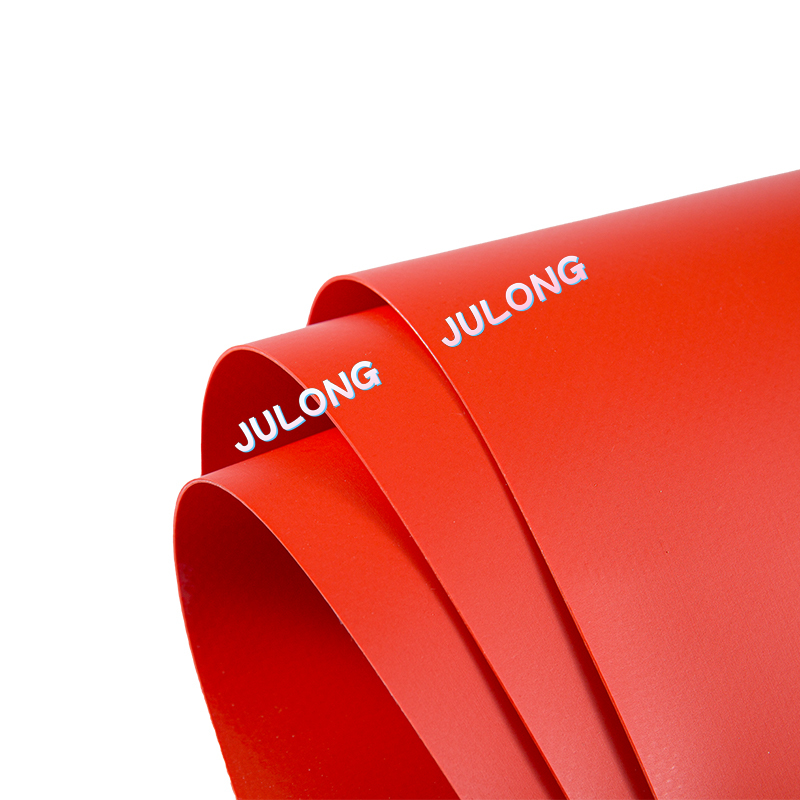
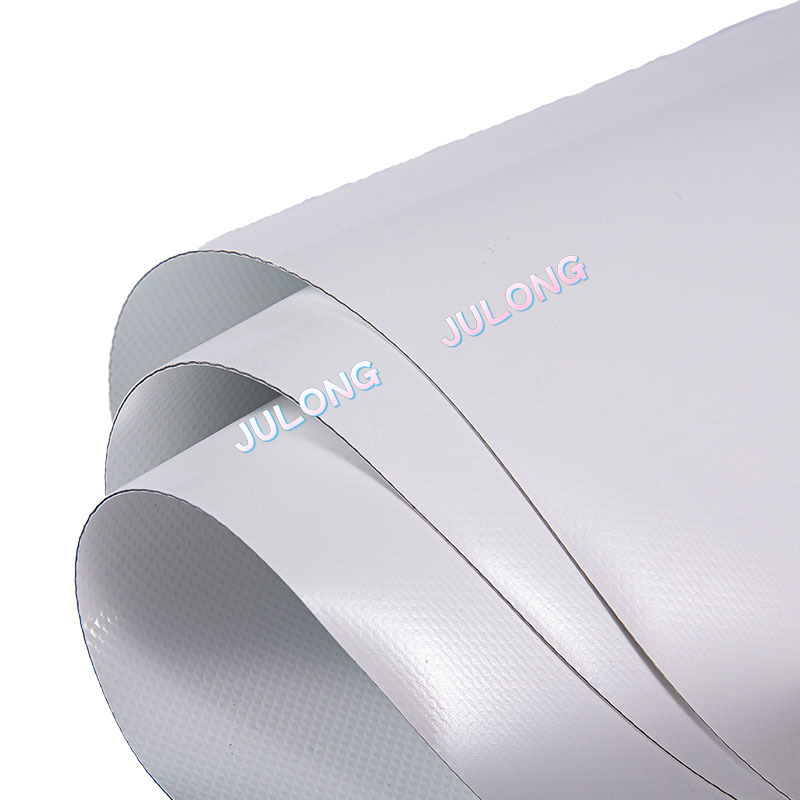
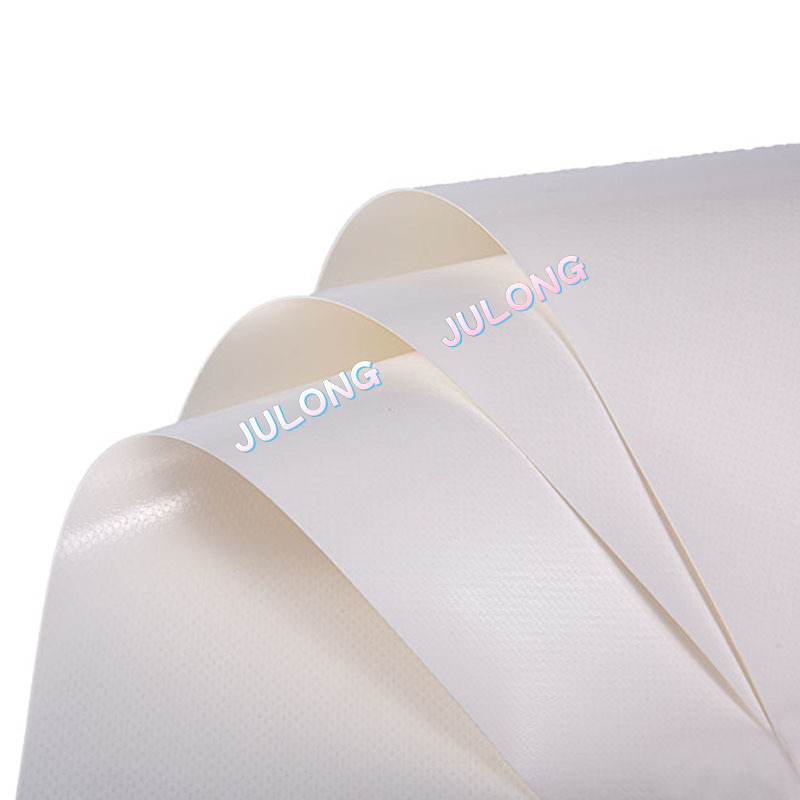
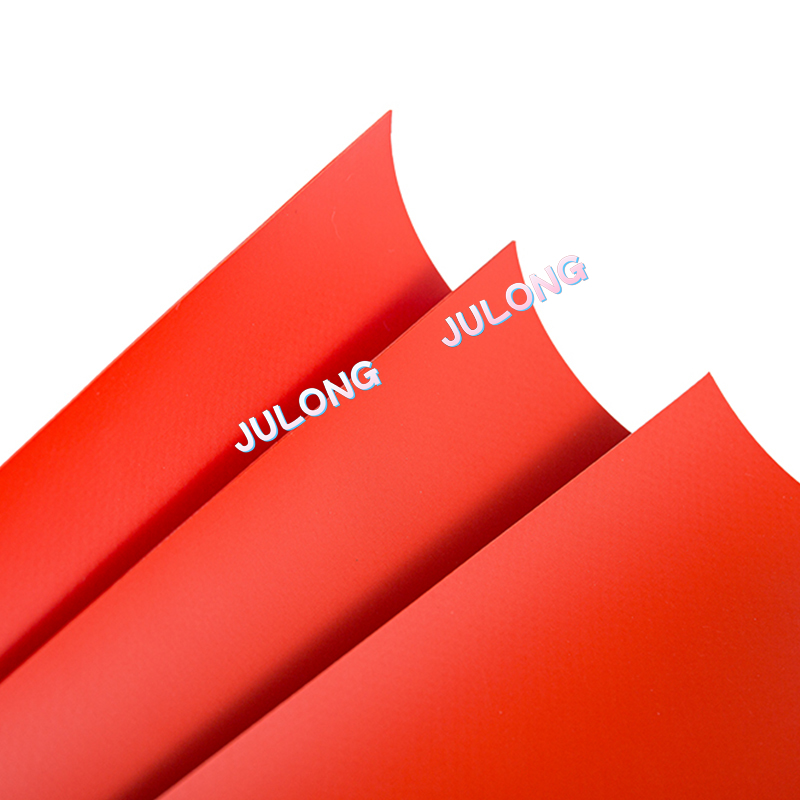
PVC — polyvinyl chloride — is the dominant material choice for high speed door curtains because it combines flexibility, strength, chemical resistance, and cost-effectiveness in a way that no other single material currently matches at scale. The fabric is typically constructed as a coated textile: a base fabric of polyester yarn is woven into a tight grid structure, then coated on both sides with PVC compound. This laminated construction gives the curtain panel its load-bearing strength while retaining the flexibility required for rapid rolling and unrolling without fatigue cracking. The result is a material that can endure hundreds of thousands of operating cycles — often exceeding one million cycles over a door system's service life — when properly specified and maintained.
Not all PVC high speed door fabrics are manufactured to the same specification. The performance gap between a budget-grade fabric and an engineered industrial-grade product can be substantial, and understanding the key physical properties allows facility managers and procurement engineers to make meaningful comparisons between supplier offerings.
Fabric weight is typically expressed in grams per square meter (g/m²) and ranges from approximately 650 g/m² for light-duty interior applications to over 1,200 g/m² for heavy industrial or exterior-rated curtains. Thickness follows a similar gradient, generally ranging from 0.8 mm to 2.5 mm. Heavier fabrics provide greater tear resistance and wind load capacity but require more powerful drive motors and generate higher stress on guide rails and bottom bars during high-cycle operation. Selecting the minimum weight that meets the application's environmental and safety requirements is usually the optimal approach from a mechanical longevity perspective.
Tensile strength is measured in Newtons per 5 cm strip (N/5cm) and quantifies the force required to pull the fabric apart along its warp and weft directions. High-quality industrial PVC door fabric typically achieves tensile strengths of 3,000–6,000 N/5cm in the warp direction. Tear strength, measured in Newtons, reflects the fabric's resistance to propagation of an existing cut or puncture — a critical property in environments where forklift contact or impact from goods is a real operating risk. Fabrics with high tear strength prevent a minor impact damage event from escalating into full panel replacement.
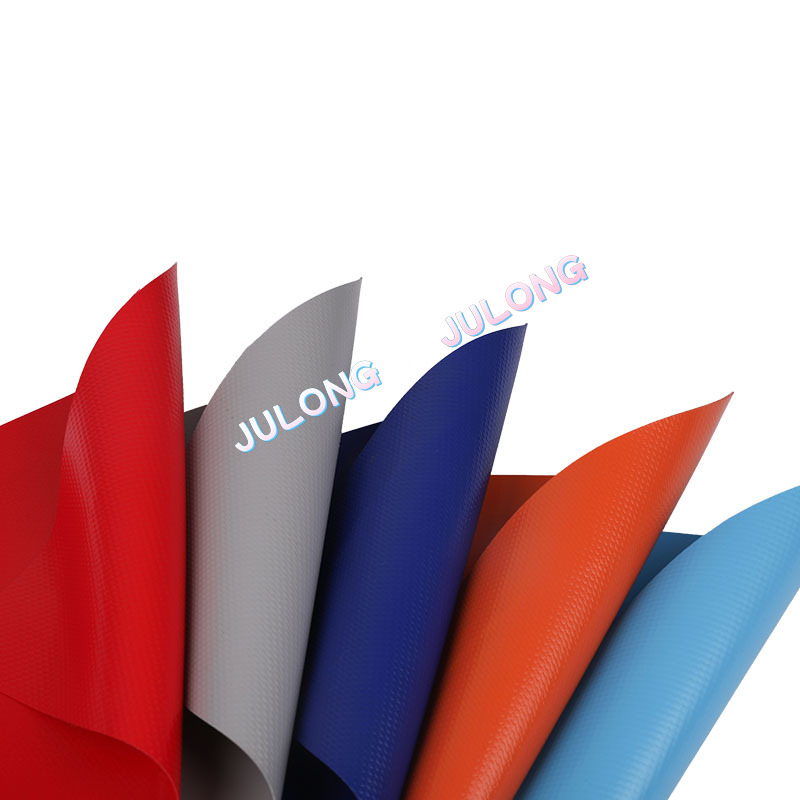
Standard PVC door fabric performs reliably within a temperature range of approximately -10°C to +70°C. However, cold storage facilities operating at -20°C to -30°C require specially formulated low-temperature PVC compounds that maintain flexibility without becoming brittle. Brittle fabric at low temperatures is one of the most common causes of curtain cracking and panel failure in refrigerated warehouse applications. High-temperature formulations are available for laundry facilities, food processing areas near ovens, or automotive paint shop environments, where ambient temperatures can approach or exceed 60°C continuously.
The base PVC-coated textile construction can be modified or enhanced in numerous ways to serve specific operational environments. Choosing the correct variant for the application is at least as important as the base material quality. The table below summarizes the most widely used functional fabric types and their primary differentiators.
| Fabric Type | Key Feature | Typical Application |
| Standard Clear/Opaque PVC | General purpose, cost-effective | Warehouses, logistics centers |
| Transparent PVC Panel | Vision windows for safety | Forklift traffic zones, production floors |
| Antistatic PVC Fabric | Surface resistivity <10⁹ Ω | Electronics, semiconductor cleanrooms |
| Food-Grade PVC Fabric | FDA/EC compliant, antimicrobial | Food processing, pharmaceutical plants |
| Cold Storage PVC Fabric | Flexible to -30°C | Refrigerated warehouses, freezer rooms |
| Fire-Retardant PVC Fabric | DIN 4102 B1 / EN 13501 rated | Chemical plants, airports, hazardous zones |
PVC high speed door fabric does not serve one universal market. Different industries impose very different performance demands on the curtain material, and the fabric specification must be matched to the operating environment with precision to deliver reliable service.
In food processing facilities, the door fabric must comply with food contact material regulations such as EU Regulation No. 10/2011 or FDA 21 CFR standards. This means the PVC compound and any plasticizers, pigments, or additives must be certified as safe for incidental food contact. Beyond regulatory compliance, antimicrobial surface treatments are frequently specified to inhibit the growth of bacteria and mold on the curtain surface, reducing the risk of cross-contamination between production zones. The fabric surface should also be smooth and non-porous to allow effective cleaning with standard food industry detergents and disinfectants without causing surface degradation.
Cold storage environments present two simultaneous challenges for PVC door fabric: the material must remain flexible enough to roll and unroll rapidly at sub-zero temperatures, while also providing a reliable thermal seal to prevent warm air ingress during door operation. Low-temperature PVC formulations use modified plasticizer systems that do not crystallize or harden at temperatures as low as -30°C. The door curtain's thermal insulation contribution is also relevant — thicker, denser fabrics with foam-core constructions can provide meaningful reduction in heat infiltration per door cycle, contributing to energy efficiency in large cold storage operations with hundreds of daily door movements.
Automotive paint shops, body assembly areas, and heavy manufacturing plants require door fabrics with high resistance to solvent splash, paint overspray, and weld spark exposure. Chemical-resistant PVC formulations with enhanced surface hardness and low surface energy are used in paint shop applications to prevent paint adhesion and allow easy wiping of overspray contamination. In welding zones, fabrics with fire-retardant classification are mandatory to prevent ignition from weld spatter. These environments also typically require high-visibility color options — yellow or orange — to maximize safety awareness in busy forklift traffic corridors.
When reviewing supplier datasheets or requesting fabric samples, the following checklist provides a structured framework for objective comparison. Focusing on quantified performance data rather than marketing language ensures that decisions are based on verifiable material properties.
Even the highest-specification PVC high speed door fabric will degrade faster than necessary without a disciplined maintenance program. The majority of premature fabric failures observed in industrial settings are attributable to preventable causes: accumulated debris in guide rails causing abrasion, improper tension adjustment leading to edge cracking, and delayed repair of minor impact damage that eventually propagates into panel failure. Establishing a routine inspection schedule — typically monthly for high-cycle doors operating more than 200 cycles per day — is the single most effective maintenance investment a facility can make.
During inspections, technicians should check the curtain surface for cracks, tears, delamination of the PVC coating from the base fabric, and discoloration indicating chemical attack. Guide rail seals and brush strips should be inspected for wear and replaced when they no longer provide a snug contact with the curtain edge, as gaps increase air leakage and accelerate edge abrasion. The bottom bar seal — the soft rubber or brush seal at the curtain's lower edge — should be checked for compression set and replaced if it has lost its profile, as it is a critical component for both hygiene sealing and obstacle detection system reliability. Cleaning the curtain surface with a mild pH-neutral detergent and soft cloth every two to four weeks removes accumulated dust, oil mist, and biological contaminants that can degrade the PVC surface chemistry over time.

Win-win cooperation with new and old customers, create the future.

No. 9, Xingang Avenue, Ningguo City, Anhui Province, China.


+86 15397280550
Copyright © Anhui Longsheng New Material Technology Co., Ltd. Architecture Membrane Material Manufacturers Outdoor PVC Waterproof Fabric Supplier
