
 English
 عربى
Tarp for Truck Cover




Content
Agricultural fabric buildings have earned a practical place on modern farms. They are not the right answer for every barn or workshop, but when you need clear-span shelter, fast site assembly, and good natural light, a fabric structure often makes more sense than timber or steel. As a manufacturer of PVC-coated and PVDF-coated fabrics, we have seen how the right membrane and the right detailing turn a simple cover into a building that works hard for years.
Our team at Anhui Longsheng New Material Technology has been working with coated fabrics since 2010, supplying agricultural, architectural, and industrial customers from our base in Haining. That experience has taught us one thing clearly: a fabric building is only as good as the material, the engineering, and the installation behind it. This guide shares what we look at when we help farmers and project teams choose a fabric building for agricultural use.
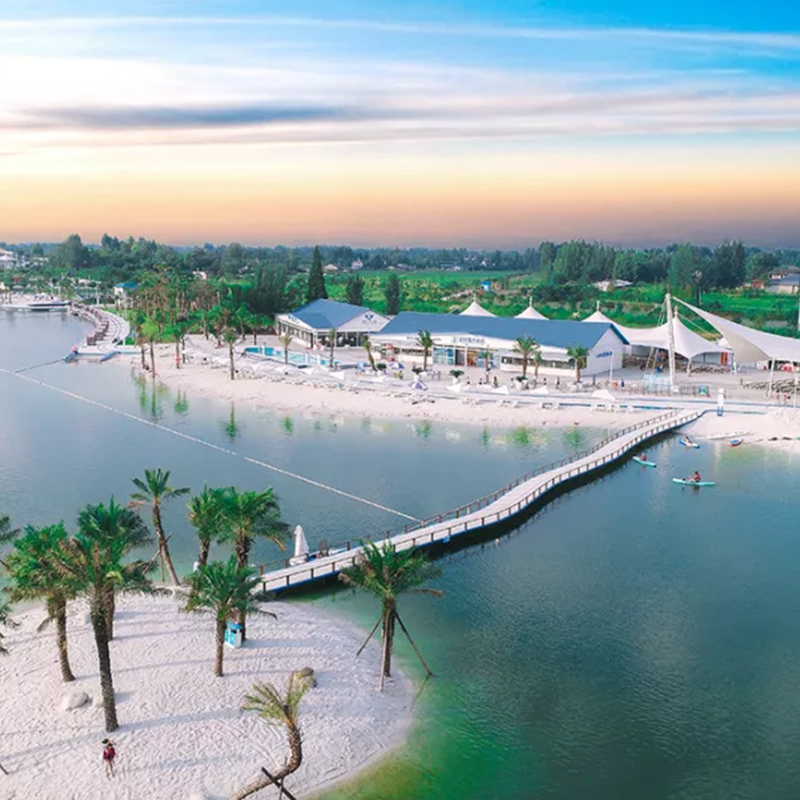
Fabric buildings are popular on farms because they solve several problems at once. A well-designed structure can be erected quickly, cover a wide span without internal columns, and create a bright interior that feels more comfortable than a dark shed. For livestock, equipment, and feed, that combination is often more useful than a conventional building with a heavier foundation and a slower build programme.
The trade-off is that fabric buildings need thoughtful design. They are not simply a tarp stretched over a frame. Wind uplift, snow load, condensation, ventilation, and anchoring all need to be worked out before the first post goes into the ground.
A well-ventilated fabric barn gives cattle, sheep, goats, or pigs a dry, bright environment without the cost of a fully enclosed traditional building. The fabric roof can be paired with open sides, mesh panels, or removable curtains so that airflow changes with the season. The key is to avoid a sealed box: livestock produce moisture and ammonia, and both need a way out.
Clear-span fabric buildings keep tractors, balers, seed, and hay out of the weather. A waterproof cover is essential in wet climates, but so is airflow. Hay stored under a sealed roof can sweat and heat, so many farmers choose a structure with open eaves or ridge ventilation rather than a completely closed building.
Calf hutches, lambing pens, shearing sheds, and temporary grain covers often need shelter for a few weeks or months rather than a permanent building. A lighter fabric structure can be moved, stored, or re-covered as the season changes. This is where a practical PVC-coated marquee fabric often makes more sense than a heavy architectural membrane.
Open-sided shade structures are useful for livestock waiting areas, young stock, and crop protection. A coated mesh cover can cut solar gain while letting air move through, which is often more comfortable than a solid roof in hot weather. Shade fabric also protects workers and animals from direct sun without turning the area into a dark, airless space.
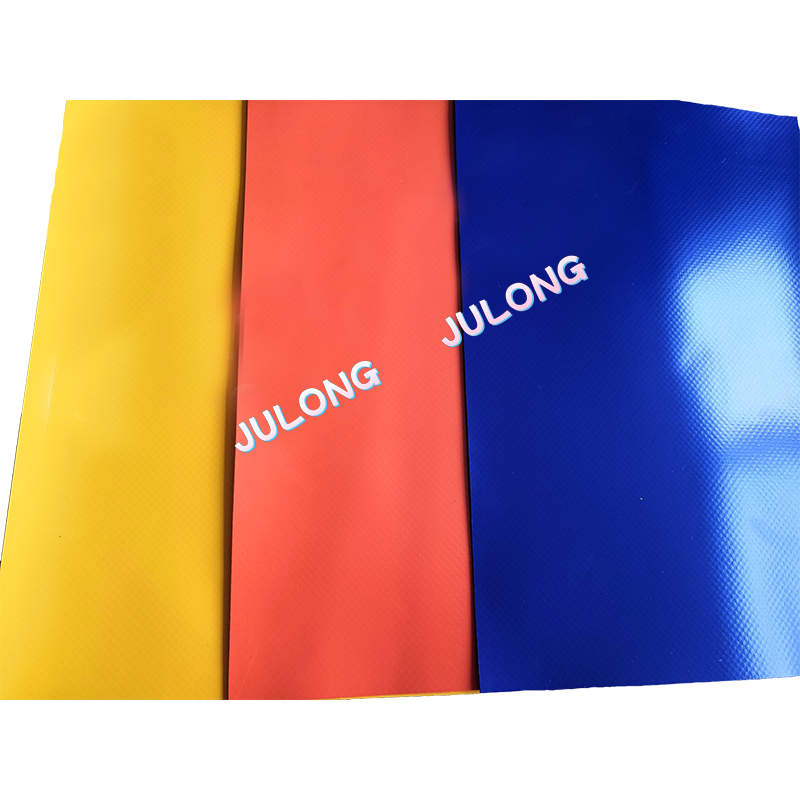
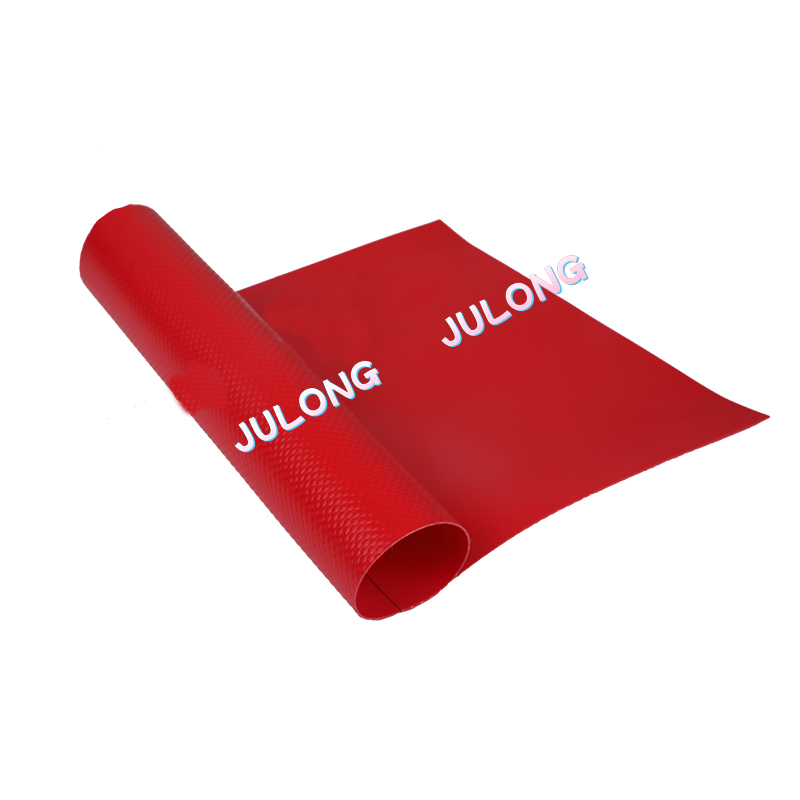
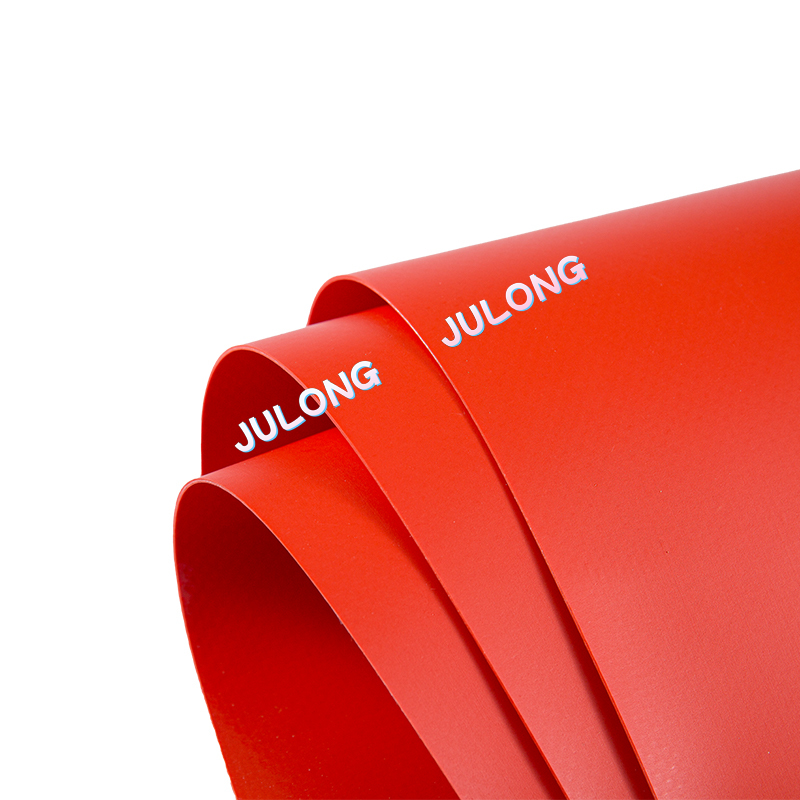
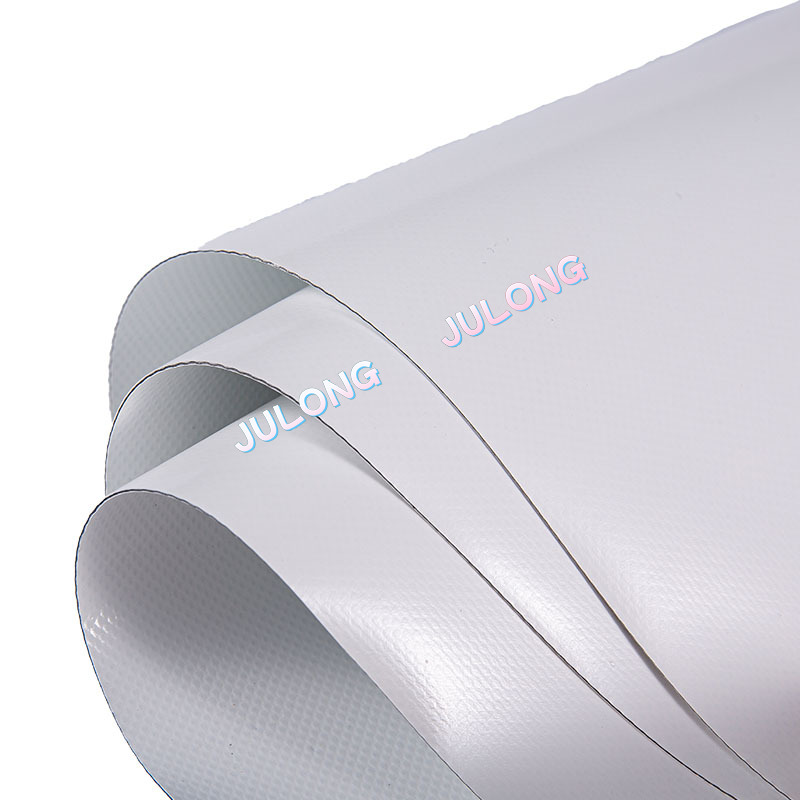
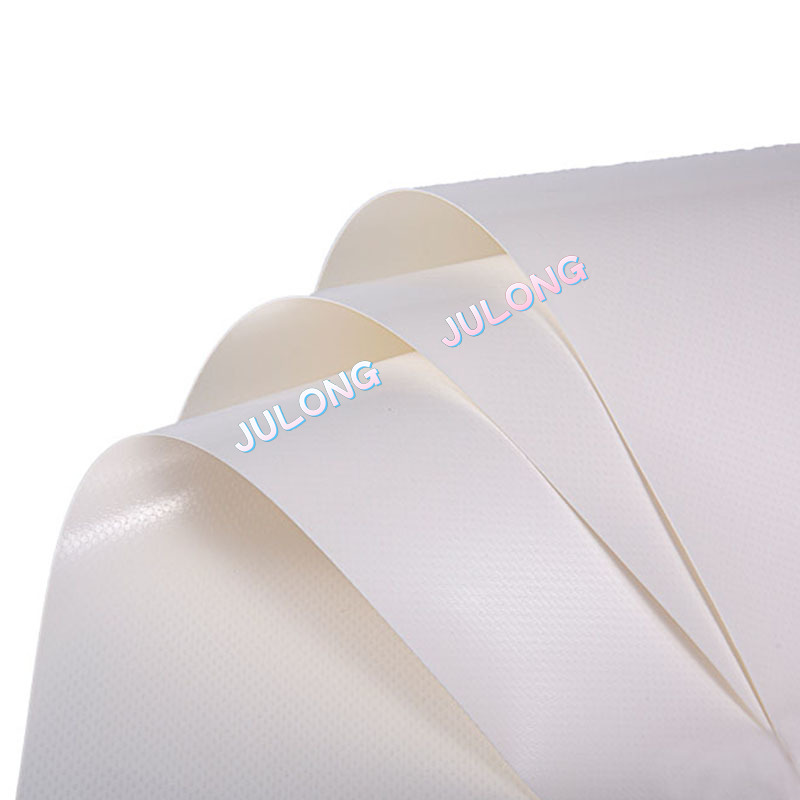
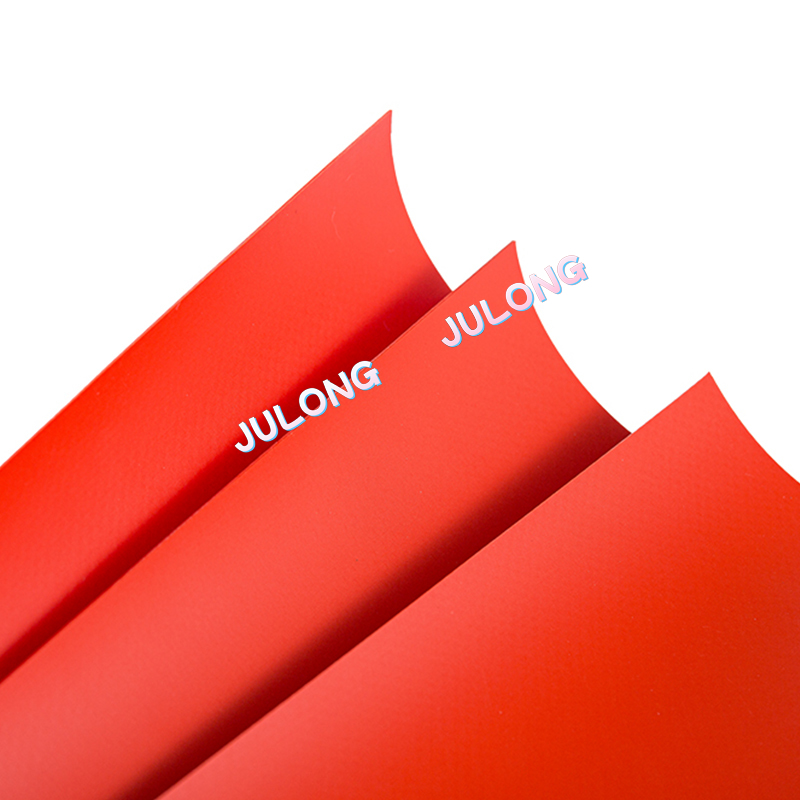
The cover is not a tarp thrown over a frame. It is the roof, the wall, and often the main weather barrier. Agricultural fabric buildings usually use one of three families of material: PVC-coated polyester, PVDF-coated polyester, or PVC-coated mesh. Each has a different job. If you are comparing membrane types, this overview of the advantages and characteristics of PVC membrane cloth is a useful next read.
| Building use | Fabric to consider | Why it suits the job |
|---|---|---|
| Permanent livestock shelter | PVDF-coated polyester, 1100–1250 g/m² | UV stability, high strength, easy-clean surface |
| Seasonal calf hutches and lambing pens | PVC-coated marquee fabric, 650–850 g/m² | Flexible, waterproof, good value for temporary use |
| Hay, feed, and machinery storage | PVC-coated polyester, 650–850 g/m² | Tear resistance, waterproof cover, quick installation |
| Open shade and ventilation panels | PVC-coated mesh, 280–400 g/m² | Airflow, solar shading, lightweight support |
For permanent agricultural buildings, such as a large livestock shelter or a clear-span machinery store, a PVDF-coated polyester membrane is usually the best long-term choice. The PVDF surface helps the fabric stay cleaner and resist UV degradation, while the heavier base fabric carries wind and snow loads. Our 1100g PVDF tensile membrane fabric is made for this kind of work: it offers high tensile strength, good light transmission, and a surface that sheds dirt rather than holding it.
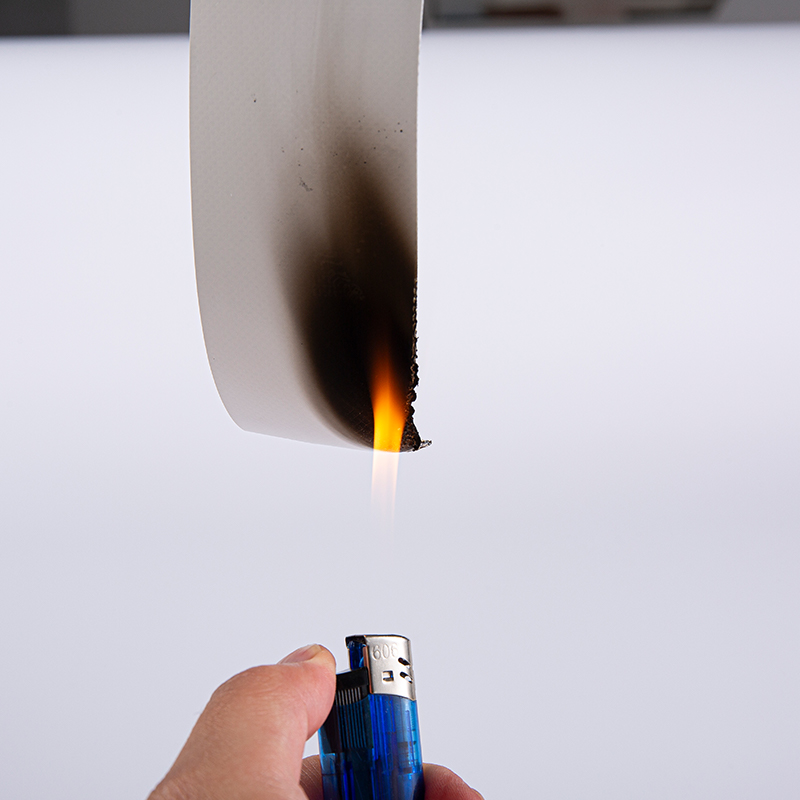 1100g PVDF-Coated Polyester Tensile Membrane FabricFor permanent agricultural shelters and clear-span stores, this heavy PVDF-coated polyester membrane offers high tensile strength, light transmission, and a dirt-shedding surface.View Product →
For seasonal calf housing, lambing pens, or a temporary hay cover, you do not always need a permanent architectural membrane. A 650g to 850g PVC-coated marquee fabric can be faster to install and easier to move. Our 850g PVC-coated marquee tent fabric is a practical middle ground: waterproof, UV-stabilised, and flexible enough to handle repeated tensioning.
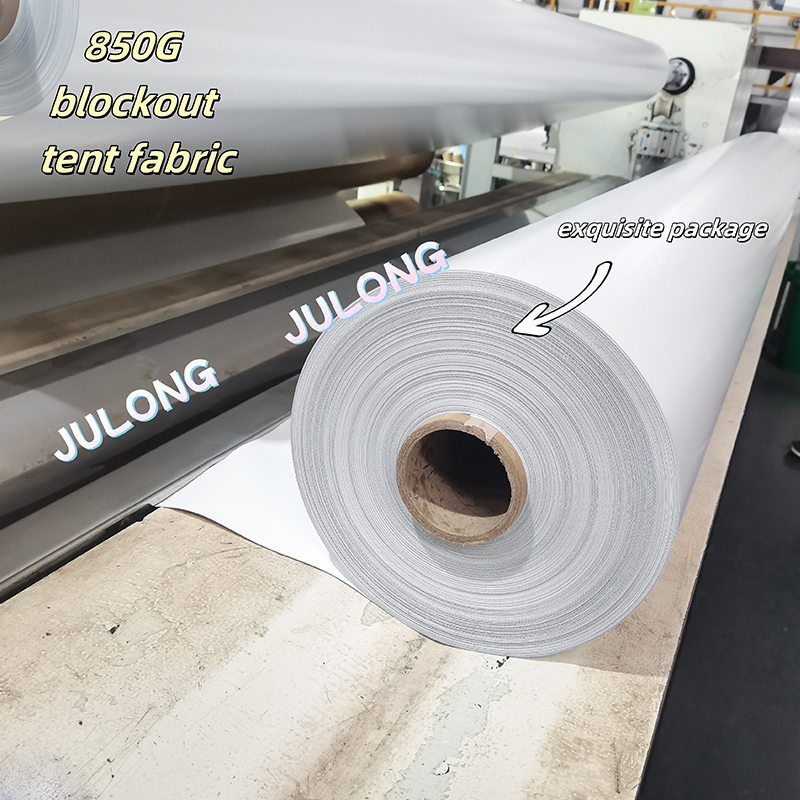 850g PVC-Coated Marquee Tent Fabric for Temporary StructuresA waterproof, UV-stabilised marquee fabric for seasonal calf housing, lambing pens or temporary hay covers, flexible enough for repeated tensioning and easy relocation.View Product →
For open shade areas, ventilation panels, or livestock shade without closing off airflow, a coated mesh is often more comfortable than a solid sheet. Our 400g PVC-coated polyester mesh fabric for outdoor sunshade blocks a useful amount of solar gain while letting air pass through, which helps reduce heat build-up under the roof.
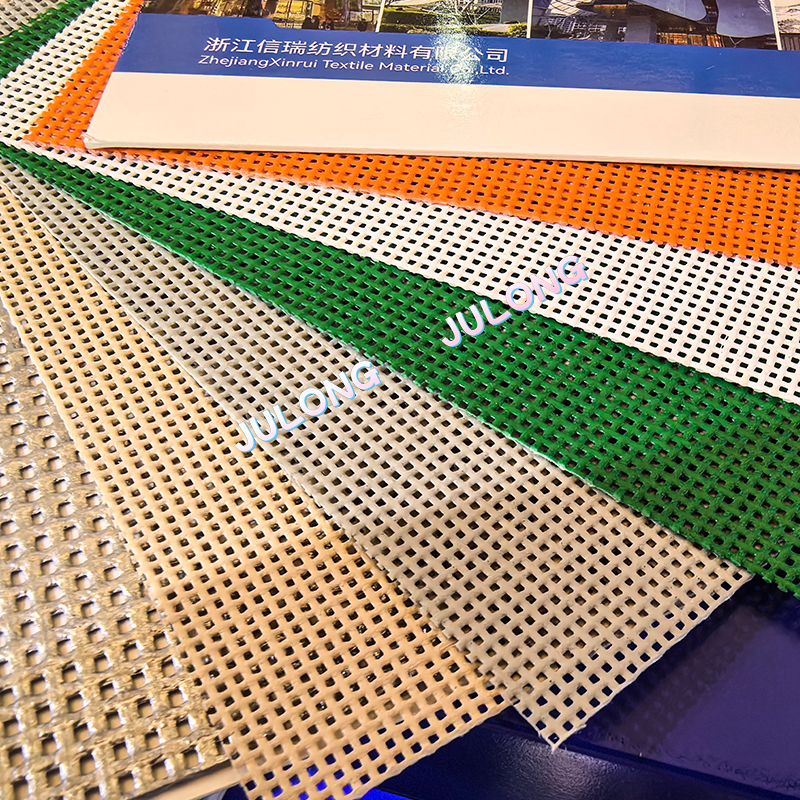 400g PVC-Coated Polyester Mesh Fabric for Outdoor SunshadeFor open shade areas and ventilation panels, this breathable coated mesh blocks solar gain while allowing airflow, helping reduce heat build-up under the roof.View Product →
Most problems with agricultural fabric buildings come from details that were skipped, not from the fabric itself. Before you order a cover, work through the practical questions below with your supplier and installer.
A coated fabric cover will last longer when it is kept under proper tension and checked after severe weather. Small issues are easy to fix; ignored ones become expensive. The routine is not complicated:
UV exposure, chemical contact, and repeated flexing all affect service life. A fabric with a well-applied coating and a stable base cloth will usually hold its strength longer than a cheap cover that looks similar on day one.
When you compare suppliers, ask for more than a price per square metre. Agricultural fabric buildings are long-term investments, and the cover is the part most exposed to sun, rain, wind, and animal waste. A good supplier should provide samples, coating weight data, tear and tensile information, and clear guidance on seaming, fixing, and compatible accessories.
We produce PVC-coated fabrics, PVC mesh, and architectural membranes in Haining, and we work with customers who need consistent coating weight, reliable colour, and technical support from the sample stage through to delivery. We are a materials manufacturer rather than a building contractor, so we are most useful when you need a fabric that matches a specific span, climate, and maintenance plan.
It also helps to ask how the fabric behaves during installation. A stiff, heavy membrane may be durable, but it needs the right lifting equipment and trained hands. A lighter fabric is easier to handle, but it may not suit a large clear-span roof. The best choice is the one your installer can tension correctly and your team can maintain.
Agricultural fabric buildings are a practical investment when they are matched to the farm's climate, workflow, and storage needs. Start with the job the building has to do, choose a coating and weight that suit the exposure, and design the ventilation and anchoring properly. When those pieces line up, a fabric structure can provide comfortable livestock housing, dry storage, and flexible shade for many years.
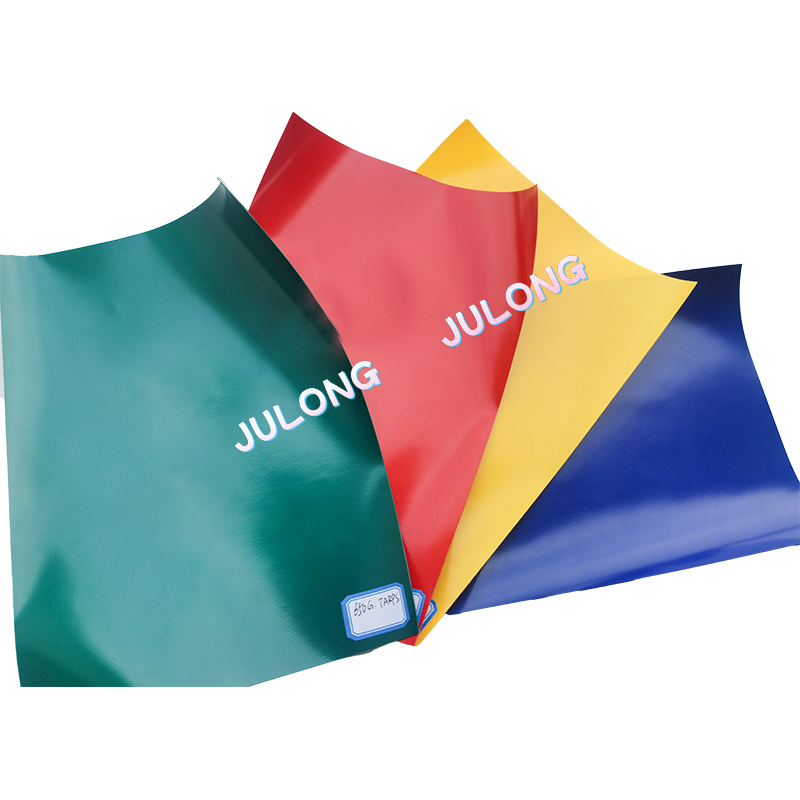
Win-win cooperation with new and old customers, create the future.

No. 9, Xingang Avenue, Ningguo City, Anhui Province, China.


+86 15397280550
Copyright © Anhui Longsheng New Material Technology Co., Ltd. Architecture Membrane Material Manufacturers Outdoor PVC Waterproof Fabric Supplier
