
 English
 عربى
Tarp for Truck Cover




Content
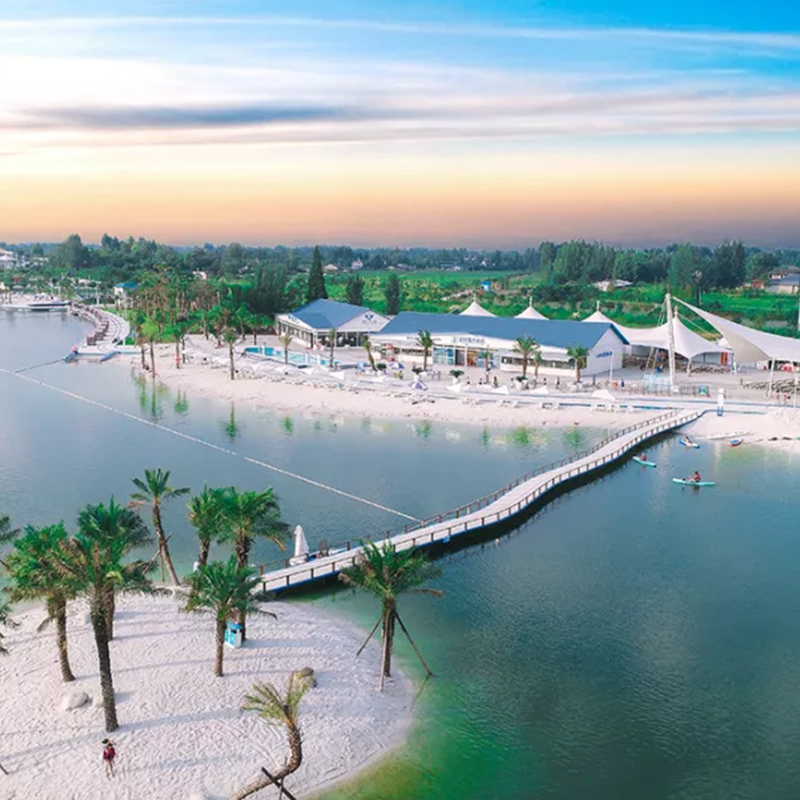
An agricultural fabric building is not simply a tarp stretched over poles. At its best, it is an engineered structure: a steel or aluminium frame, a tensioned technical textile, proper anchoring, and detailing that manages rain, wind, snow, ventilation, and condensation. Farmers use these buildings for livestock, hay and machinery storage, poultry, equestrian arenas, seasonal lambing or calving sheds, and shade. The appeal is practical: clear spans, faster construction, good daylight, and a weather-tight envelope that can be adapted as the operation changes. But fabric buildings only perform well when the membrane, frame, and climate loads are considered together.
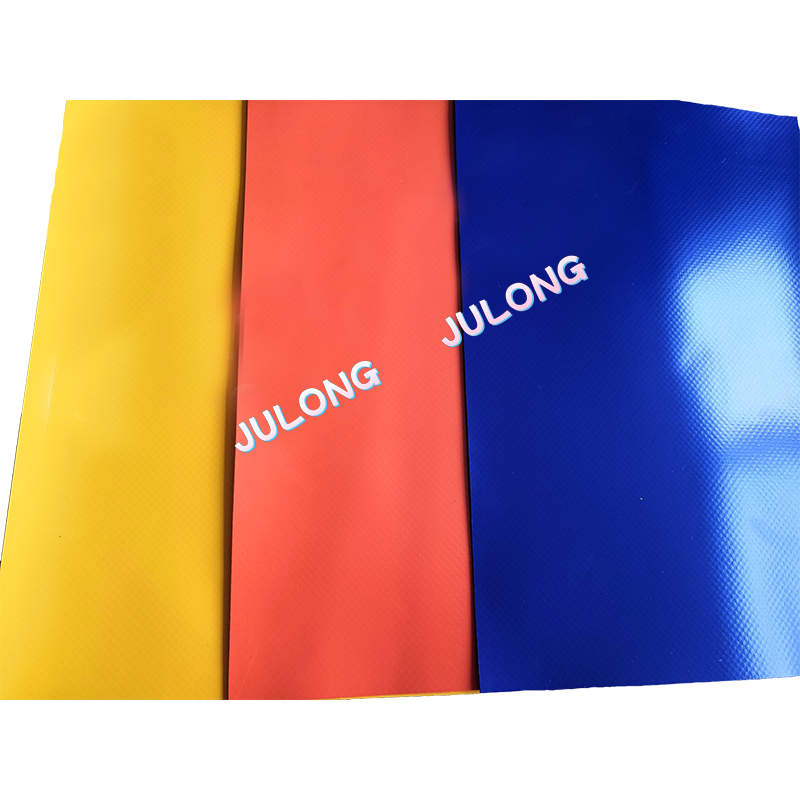
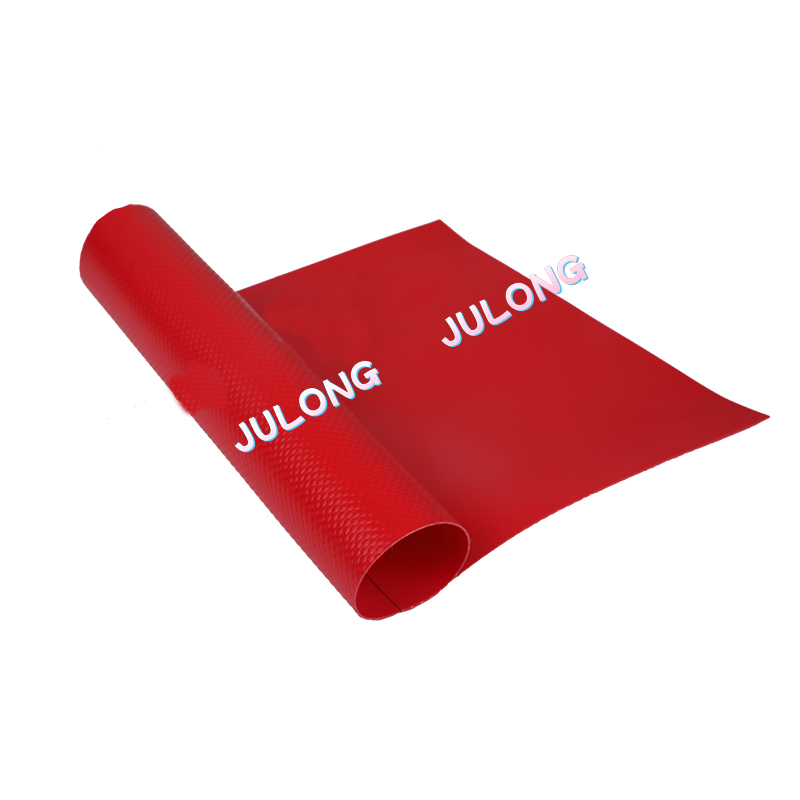
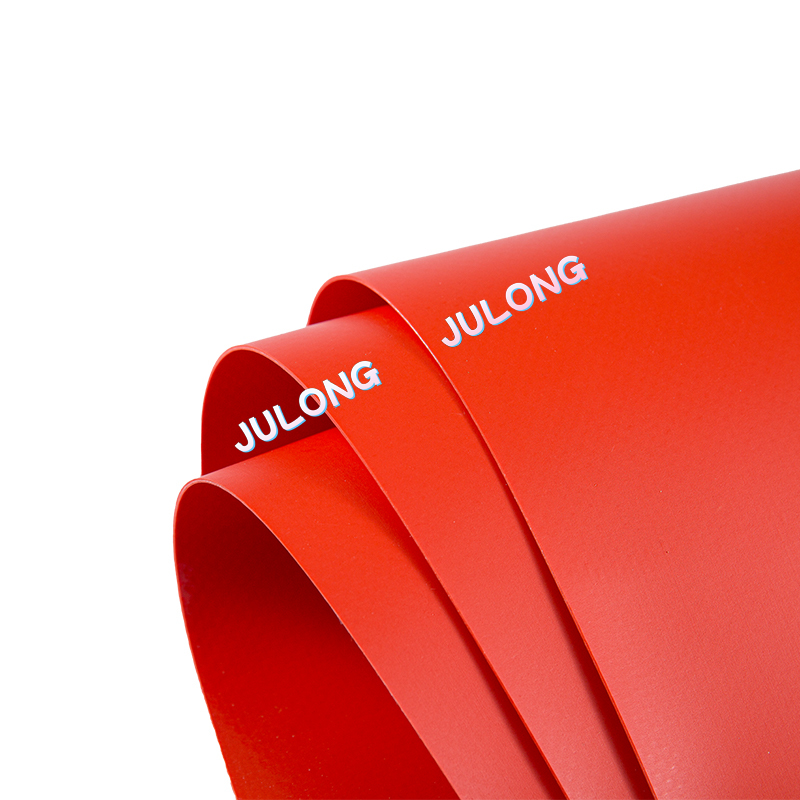
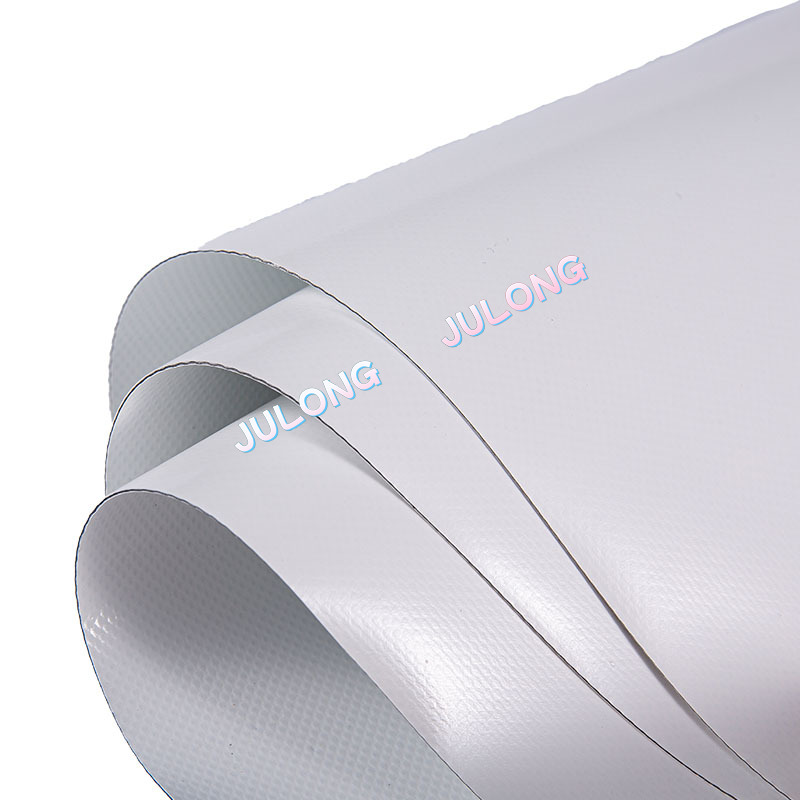
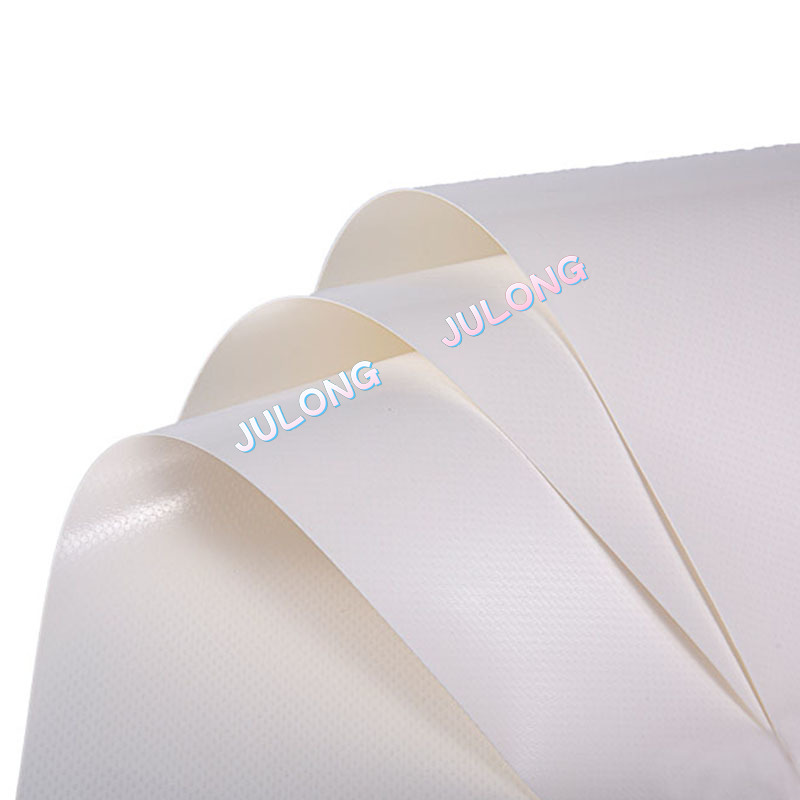
Fabric buildings are also called membrane-clad or tensioned fabric structures. The membrane is usually a polyester base cloth coated with PVC, sometimes with a PVDF topcoat for dirt resistance and colour retention. Agricultural versions need more than waterproofing: resistance to UV, ammonia, manure acids, silage effluent, and repeated cleaning. A 650–850 gsm PVC-coated fabric may suit seasonal or lighter-duty shelters, while 950–1250 gsm architectural membranes are used for permanent agricultural buildings. Mesh fabrics are different; they provide shade and airflow rather than a closed roof.
| Membrane type | Suitable agricultural use | What it does well | Points to check |
|---|---|---|---|
| PVC-coated polyester, 650–850 gsm | Seasonal livestock shelters, hay covers, equipment bays, temporary pens | Flexible, repairable, cost-effective | Condensation, plasticiser migration, UV life, fixing detail |
| PVDF-coated PVC architectural membrane, 950–1250 gsm | Permanent barns, clear-span storage, milking and equipment sheds | UV and dirt resistance, colour retention, long-span capability | Higher material cost, tensioning accuracy, structural design |
| PVC-coated polyester mesh, 280–400 gsm | Sidewalls, shade screens, ventilation panels, pen barriers | Airflow, solar shading, lightweight | Not a waterproof roof alone, edge reinforcement |
Speed and clear span are the obvious benefits. A fabric roof can cover a wide area without internal columns, which is useful for machinery, hay, or cattle handling. Diffused daylight reduces the need for artificial lighting, and light-coloured membranes can lower solar heat gain. Fabric also tolerates movement and can be repaired or retensioned. Compared with traditional roofing, the structure is often lighter, so foundations may be simpler—but they still need engineering. Fabric buildings are not automatically cheap if you need insulation, controlled ventilation, fire performance, or a long design life. Those requirements belong in the brief from day one.
Climate is the first filter. In hot, high-UV regions, a PVDF topcoat helps the surface shed dirt and retain colour. In cold regions, snow load and snow shedding matter more than a glossy finish; the frame and cable layout must be designed for drifting snow. In livestock buildings, ammonia and moisture are relentless. A standard membrane may work, but the coating, edges, and stitching need protection, and ventilation must keep humid air away from the cold underside of the roof. Condensation is the hidden issue: warm, moist air rises, meets a cooler membrane, and drips onto animals, feed, or machinery. Anti-condensation fleece or a controlled ventilation strategy can help. If the building will be washed frequently, check chemical resistance and seam durability.
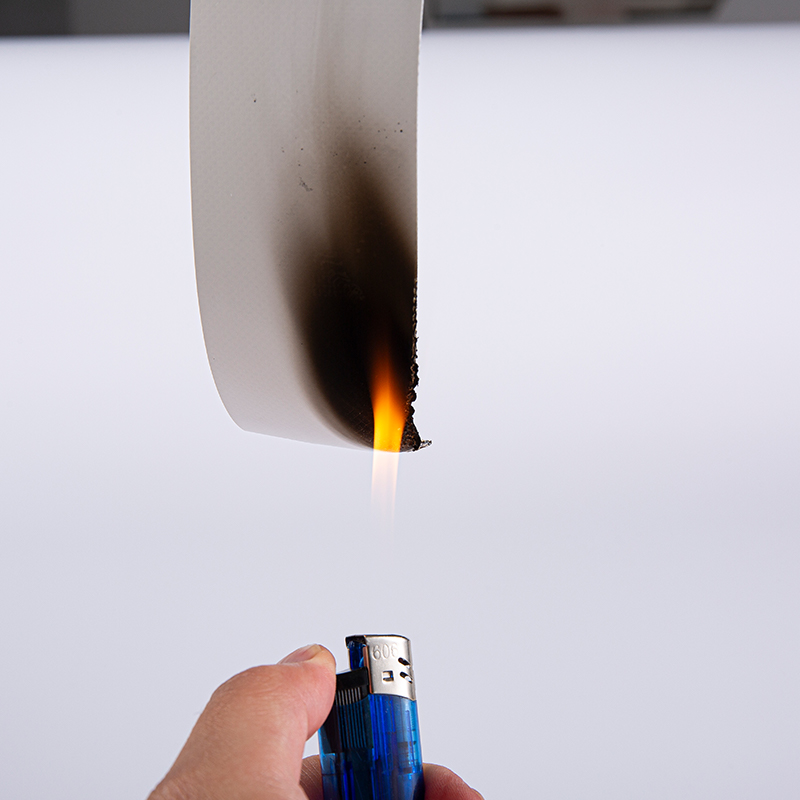 1100G PVDF Tensile Membrane Fabric R-515For permanent tensile architecture where a coated membrane is specified, this 1100 g/m² PVDF-topcoated polyester fabric provides B1 flame retardancy and a self-cleaning finish.View Product →
For permanent structures, our 1100g PVDF tensile membrane fabric is one option where a coated architectural membrane is specified. Confirm that its weight, coating, and fixing details match your structural design and local conditions rather than selecting by weight alone.
Small details decide whether the building is pleasant or troublesome. The membrane must be tensioned correctly—too loose and it flutters, ponds water, and wears at fixings; too tight and you risk overstressing the fabric or frame. Anchorages, base plates, and cable connections should be designed for local wind uplift. Doors need to suit livestock, machinery, and ventilation, not just people. Gutters and rainwater disposal should be planned so water does not run onto feed or into the pen. Ventilation openings should be protected from rain and birds while allowing air movement. Consider how the structure will be cleaned, how snow will be removed from the roof, and how a damaged panel can be replaced without dismantling the building.
Not every agricultural fabric building needs a permanent concrete foundation. Seasonal lambing sheds, calving pens, poultry shelters, hay covers, and machinery bays often use a demountable frame with 650–850 gsm PVC-coated fabric. These structures work well when they are braced properly, anchored against wind, and taken down dry. They are not disposable tents, however; the same attention to load paths, edge reinforcement, and ventilation still applies.
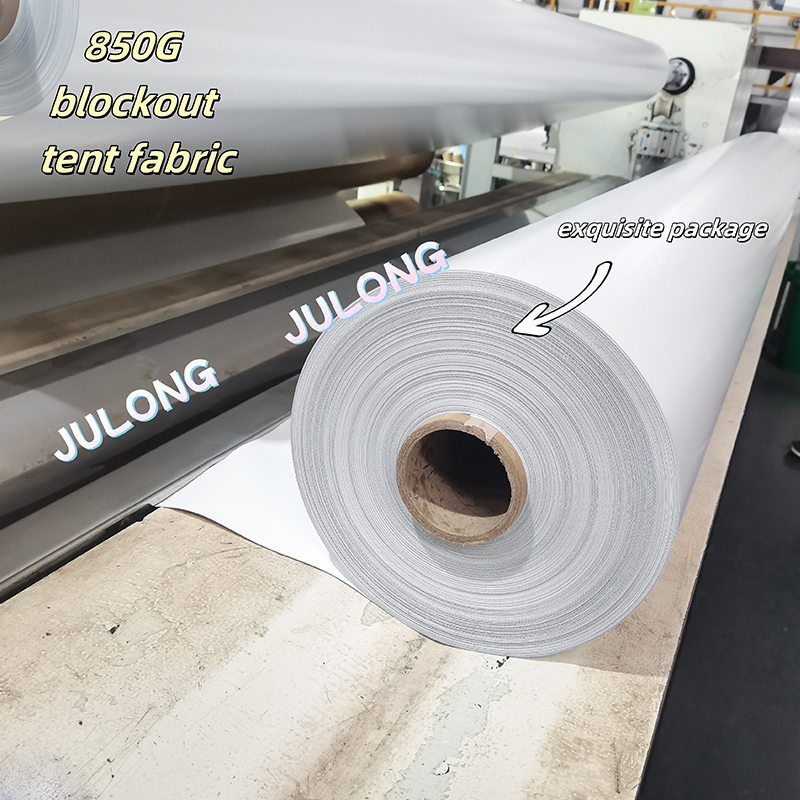 850G PVC Coated Marquee Tent FabricFor demountable seasonal shelters and temporary structures, this 850 g/m² PVC-coated polyester marquee fabric is waterproof, B1 flame retardant and available with a blackout middle layer.View Product →
For shade over livestock handling areas, a 280–400 gsm PVC-coated mesh lets air through and cuts solar glare without turning the area into a dark box. The same principle applies to outdoor working pens, sidewalls, and summer ventilation panels. Mesh is not a roof replacement; it is a comfort and ventilation layer that works best when edges are reinforced and fixing intervals are specified by the fabricator.
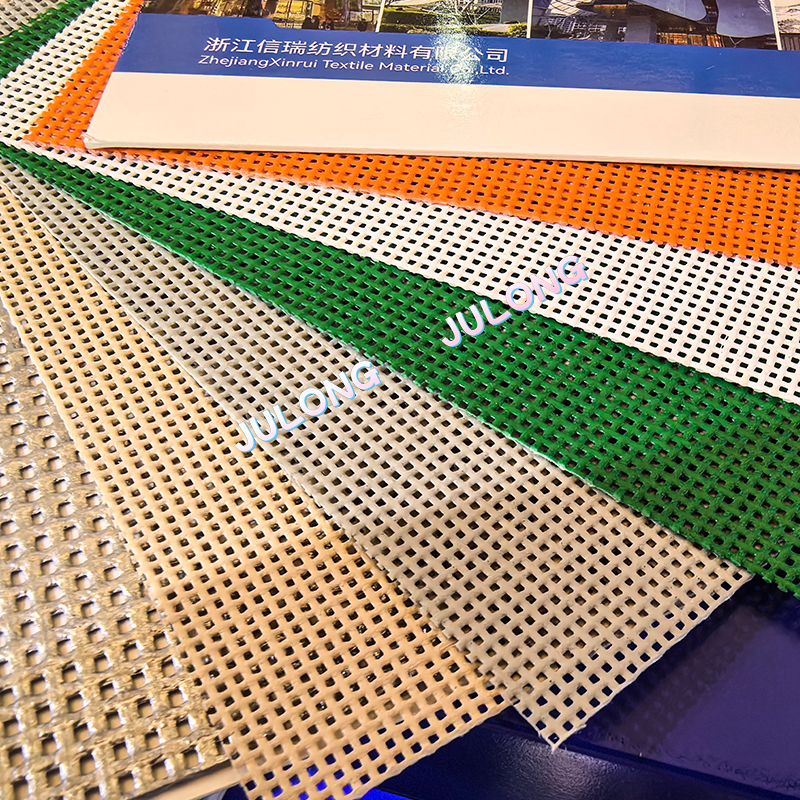 400G PVC-Coated Polyester Mesh Sunshade Fabric LM-10For ventilated shade over livestock areas and outdoor sunshades, this 400 g/m² PVC-coated polyester mesh allows airflow while providing UV and mildew resistance.View Product →
Fabric buildings are low-maintenance only when they are inspected. A simple routine—after storms, before winter, and at least twice a year—will catch loose tension, damaged edges, blocked drainage, and worn fixings. Clean with mild detergent and water; avoid aggressive solvents that attack the coating. Remove snow with soft tools, not sharp shovels. Repair small punctures before they grow, and keep a note of the membrane batch or specification so replacements match. UV exposure is cumulative, so even a tough PVDF surface will eventually chalk or fade. That is normal; what matters is whether the coating still protects the base cloth. Our guidance on architectural membrane maintenance goes into more detail on inspection points.
Before choosing a supplier, write a short brief: what will be stored or housed, how many animals, expected internal temperature and humidity, cleaning chemicals, snow and wind exposure, span, door sizes, and design life. Include whether the building needs to be relocatable, expandable, or visually acceptable in a public landscape. A fabric building for hay storage has different priorities from a poultry house or an equestrian arena. Hay needs ventilation and rain protection; livestock needs ammonia resistance and condensation control; machinery storage needs clear access and strong doors. Getting this brief right saves money later.
Ask for the membrane specification, coating type, weight, base cloth, topcoat, and available test data. Confirm how seams are made, how edges are reinforced, and what tolerance the frame design allows. A supplier who understands agricultural chemistry will ask about ammonia, silage, and wash-down before quoting. Our work at Anhui Longsheng focuses on PVC-coated fabrics, PVC mesh, and architectural membranes, including 950g PVDF and acrylic, 1100g PVDF, and 1250g PVDF building membranes. We can discuss the membrane, but the structural engineer must confirm loads and connections. That division of responsibility keeps the project honest.
Agricultural fabric buildings can be excellent value when they are treated as engineered buildings rather than temporary covers. Choose the membrane for the climate and the interior environment, design the frame and ventilation together, and plan maintenance from the start. If you are comparing materials for a livestock barn, hay store, equipment shed, or seasonal shelter, talk to a technical fabric supplier early—and bring real site conditions, not just a span measurement.
Win-win cooperation with new and old customers, create the future.

No. 9, Xingang Avenue, Ningguo City, Anhui Province, China.


+86 15397280550
Copyright © Anhui Longsheng New Material Technology Co., Ltd. Architecture Membrane Material Manufacturers Outdoor PVC Waterproof Fabric Supplier
