
 English
 عربى
Tarp for Truck Cover




Content
An awning is a covering of fabric or similar flexible material, stretched over a frame and attached to the exterior wall of a building, that shelters the space beneath it from sun, rain and glare. That is the definition in a single sentence. The more useful part comes next: what an awning is actually made of, where the word stops being accurate, and how to judge the material when you are the person signing off on the specification.
Most people meet awnings in two places: above a shopfront or cafe terrace, and over a domestic patio door or bedroom window. The same word also covers the fabric cassettes bolted to the side of caravans and trailers, and, more loosely, almost any shade cloth rigged over an opening. The core idea holds steady — a small, removable roof made of cloth instead of tiles, doing the work of a roof at a fraction of the weight.
Strip the word down and an awning is four parts working together as one system:
Anything that gives shade without attaching to a structure — a garden parasol, a pop-up gazebo, a freestanding tent — is not strictly an awning, even though the words get swapped constantly in everyday conversation. Attachment is the defining feature, and it is also what makes the wall fixing detail so important.
These terms overlap, and suppliers do not always use them consistently. The table below reflects the working distinction we apply when a customer describes a project over the phone or sends a photo of a site.
| Structure | Attachment | Movement | Typical covering | Usual purpose |
|---|---|---|---|---|
| Awning | Fixed to a wall | Retractable or fixed | Acrylic canvas, PVC-coated polyester | Shade and rain cover for a facade |
| Canopy | Wall-mounted or on posts | Usually fixed | PVC-coated fabric, mesh, rigid sheet | Shelter over an entrance or walkway |
| Pergola | Freestanding or attached | Fixed frame | Slats, louvres, tensioned fabric | Filtered shade, climbing plants, outdoor room |
| Marquee or tent | Self-supporting frame | Temporary or semi-permanent | Heavy PVC-coated polyester | Events, storage, temporary workspace |
Type is mostly a question of how the fabric is supported and whether it moves:
The frame is engineering; the fabric is chemistry. Four material families cover most of the market, and each one solves a different problem.
Woven acrylic fibres are dyed before weaving, so the colour sits inside the yarn rather than on top of it. The fabric breathes, stays colourfast under strong sun, and has a soft, textile hand that suits domestic architecture. It is also the most expensive option per square metre and needs more care around seams and stitching.
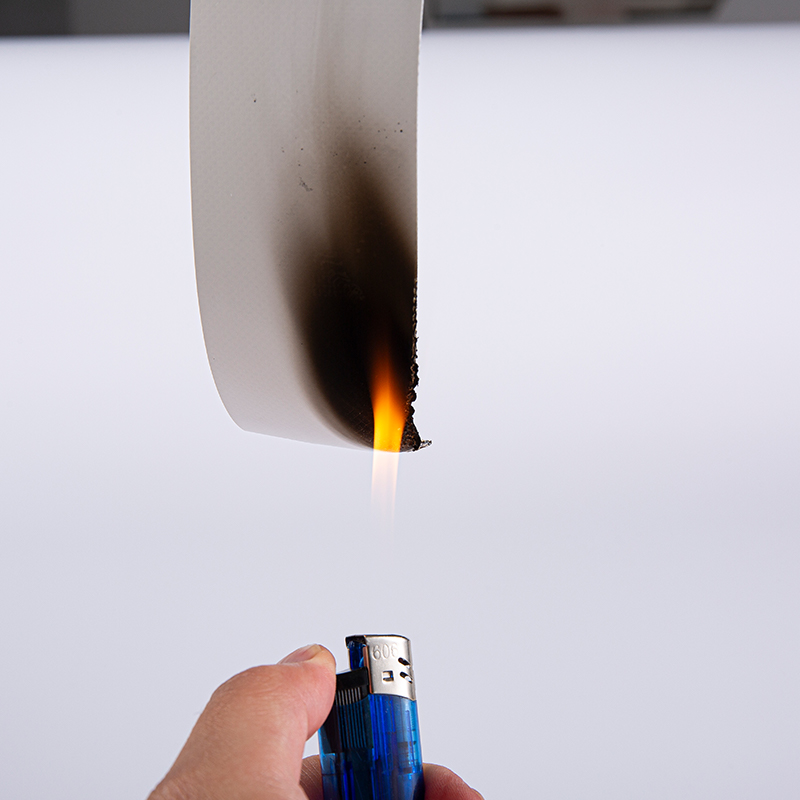
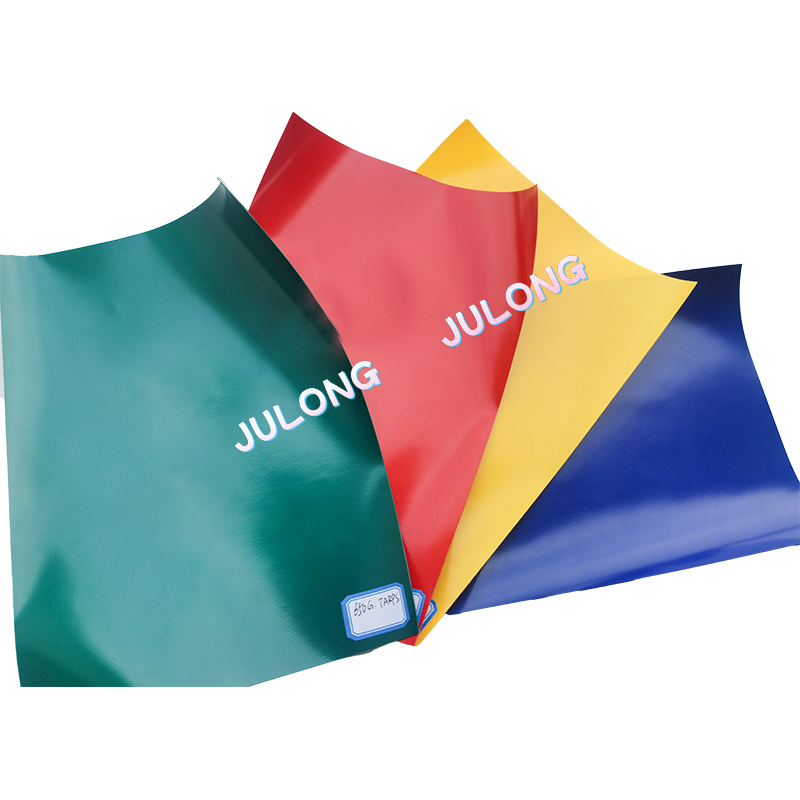
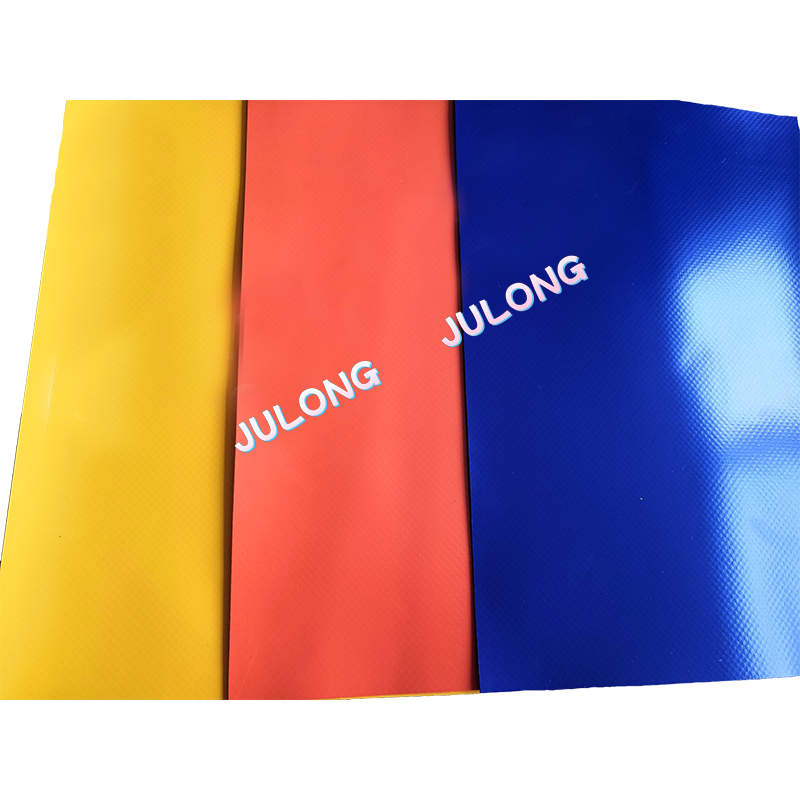
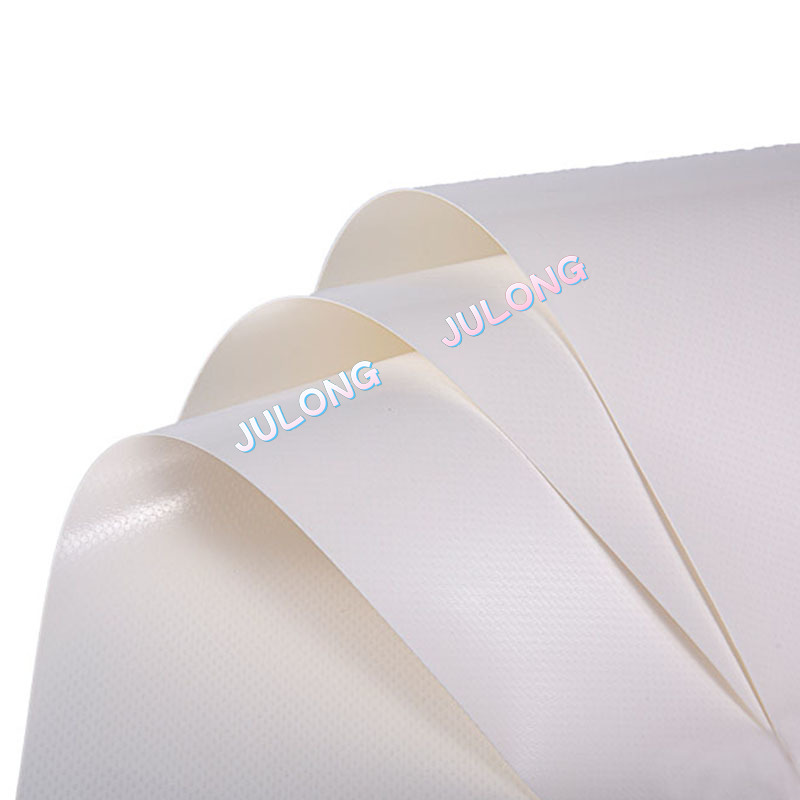
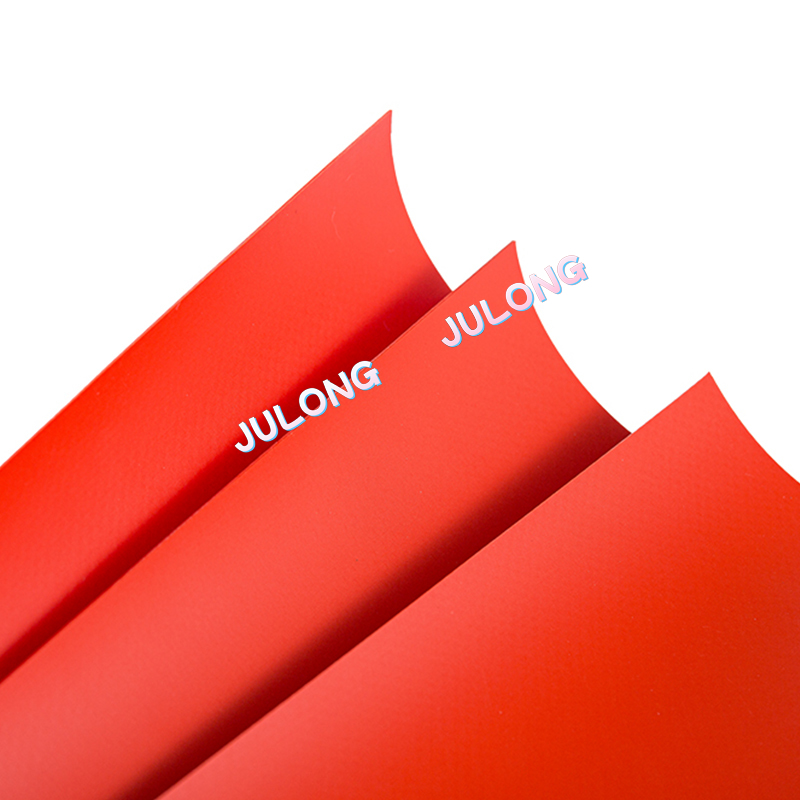
A woven polyester base cloth is coated on both sides with PVC, then finished for UV and dirt resistance. The result is fully waterproof, weldable, and strong enough for commercial terraces, marquees and shade structures that stay up for years. Where acrylic wins on appearance, coated polyester wins on abuse tolerance — and its UV and weather behaviour is well documented, including in this note on UV resistance and weatherability.
 650g PVC-Coated Marquee Tent FabricWaterproof, weldable coated polyester for large party tents and outdoor events, with B1 flame retardancy, anti-UV and anti-mildew performance.View Product →
Coated mesh lets air pass through the weave, cutting glare and heat without turning a terrace into a sealed box. It is the sensible choice for wind-exposed sites, pool surrounds and facade decoration, and the openness factor — how much of the surface is actually hole — controls how much light and breeze you keep. Our range of PVC-coated mesh fabrics is built around those different openness levels.
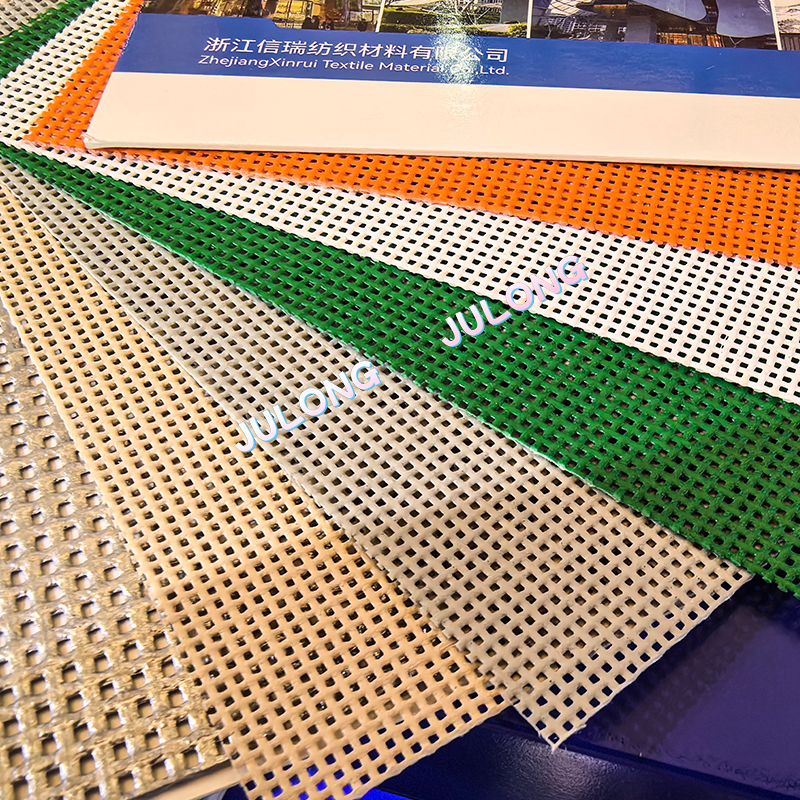 400g PVC-Coated Polyester Outdoor Sunshade MeshLightweight 400g mesh for awnings and patio sunshades, allowing air circulation while providing anti-UV and anti-mildew protection.View Product →
When an awning grows into a structure that shades an entire plaza, stadium entrance or car park, the material changes again. PVDF-coated architectural membranes carry the same basic idea — coated polyester fabric under tension — at spans measured in tens of metres, with seams welded and pretensioned rather than simply sewn.
 1100g PVDF-Coated Tensile Membrane FabricHeavy-duty architectural membrane with PVDF-lacquered surface for self-cleaning, weather resistance and high tensile strength in large shade structures.View Product →
The benefits are old-fashioned and still correct:
Fabric fails from three directions: UV degradation, dirt that traps moisture, and wind that works the seams loose. Brush off loose debris, wash with mild soap and water, and rinse thoroughly — detergent residue attracts dirt. Retract the awning in gusty conditions, and never let water pool on the fabric. Check stitching and welded seams once a year; a small repair costs far less than a replacement panel.
With reasonable care, a quality acrylic or coated polyester awning gives many years of service, and coated fabrics generally outlast uncoated canvas in wet climates because the coating keeps water out of the weave entirely.
So the definition stays simple — a fabric cover fixed to a building to keep sun and rain off — while everything underneath it, from weave to wall anchor, is a decision someone has to make.
Win-win cooperation with new and old customers, create the future.

No. 9, Xingang Avenue, Ningguo City, Anhui Province, China.


+86 15397280550
Copyright © Anhui Longsheng New Material Technology Co., Ltd. Architecture Membrane Material Manufacturers Outdoor PVC Waterproof Fabric Supplier
