
 English
 عربى
Tarp for Truck Cover




Content
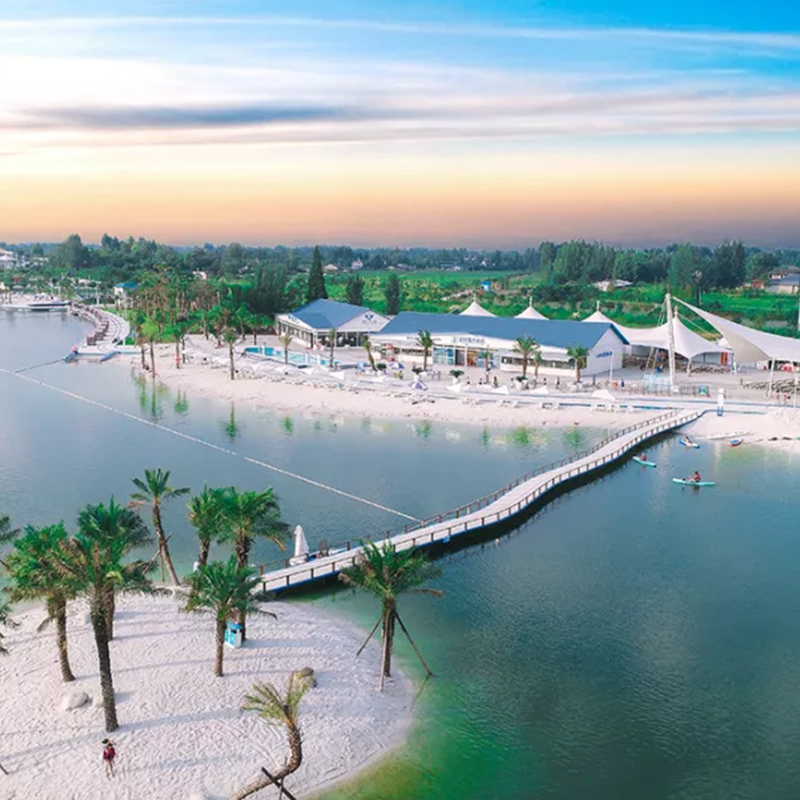
Architectural fabric structures have a way of making a site feel lighter. A membrane roof appears to float above the concourse, a walkway canopy throws almost no shadow, and a shade sail covers a car park without a single column standing in the middle of it. Behind that lightness sits some fairly unforgiving engineering, and the material at the centre of it has to do several jobs at once: carry tension, shed water, resist sunlight, and stay weldable and repairable for a decade or more.
We coat polyester fabrics for structures like these, from our base in Haining, and we have been doing it since 2010. What follows is a plain-language walk through how architectural fabric structures are put together, what the main membrane families do well, and where projects most often run into trouble. It is written for the people who specify, buy, fabricate and install these materials rather than for a materials science audience.
A fabric roof is not a sheet draped over a frame. It is a pre-tensioned surface shaped so that every part of it is in tension, and that tension is what gives the structure its stiffness. The shape is normally found through form-finding software before any material is cut, because the geometry and the stress pattern are decided together. Change the curvature and you change the loads; change the loads and you change the fabric you need.
Most tensile systems use double curvature. A saddle-shaped surface curves up in one direction and down in the other, which is what keeps the membrane stable under wind and snow. Air-supported and cushion structures work the other way, curving in a single direction and holding their shape with pressure rather than with masts and cables.
The load path usually runs through a small set of components:
When a fabric structure disappoints, the cause is rarely the shape alone. More often it is a membrane that was too light for the span, a clamp detail that concentrated stress, or a drainage route that let water sit on the surface.
Five material families cover the great majority of architectural fabric structures in service today. They differ in base cloth, coating chemistry and surface finish, and those differences decide how the material ages, how it is joined and what it costs to keep clean.
| Material | Typical build | Character in service | Common uses |
|---|---|---|---|
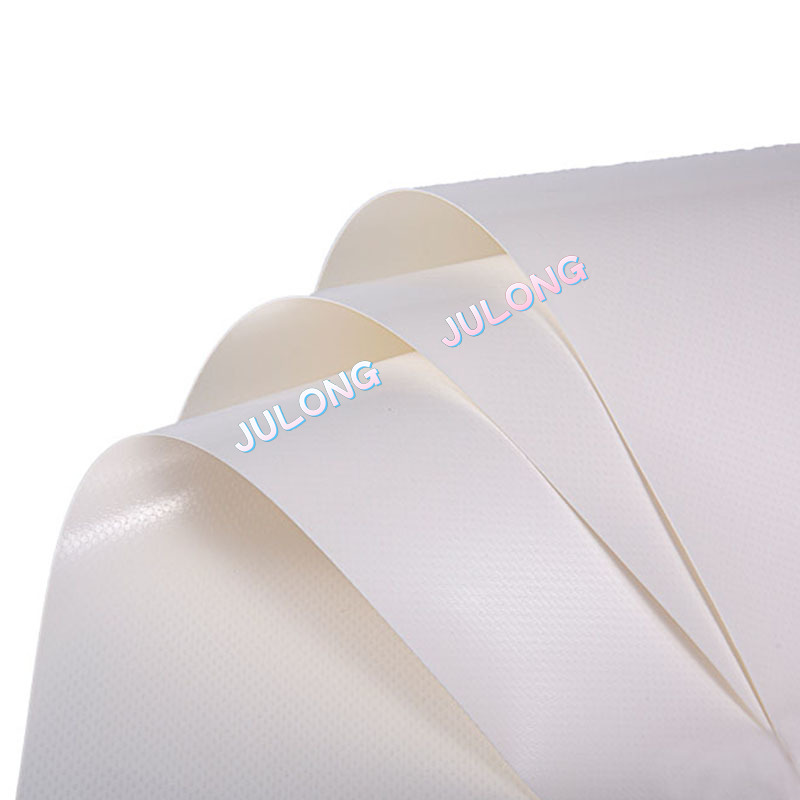
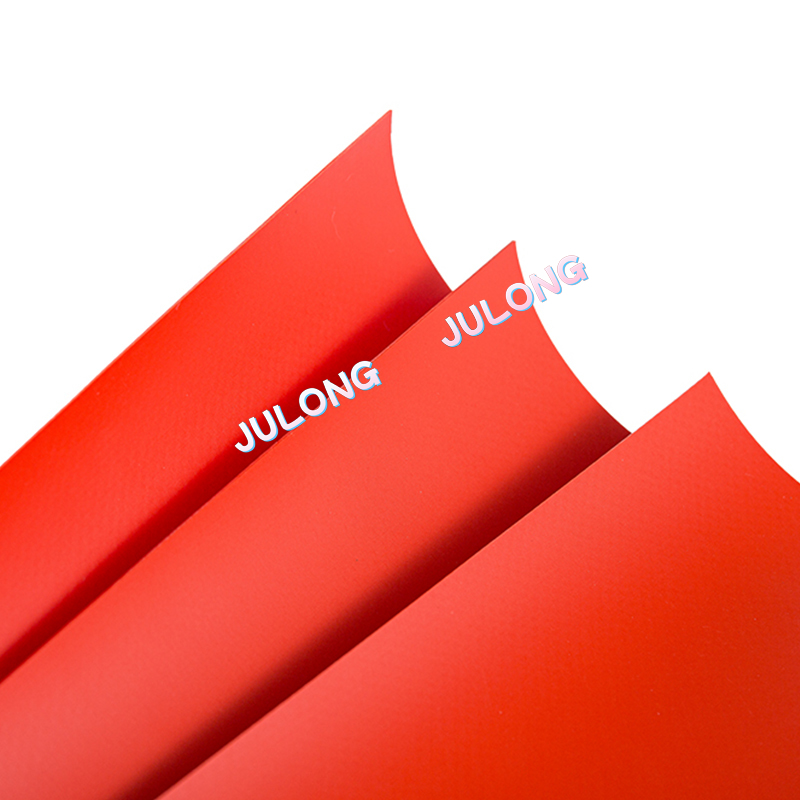
| PVC-coated polyester | Woven polyester base, PVC coating, 650-1250 g/m² | Economical, easy to high-frequency weld, wide colour range, needs a good topcoat for gloss retention | Canopies, walkways, car parks, tented halls, industrial covers |
| PVDF-topped PVC | PVC-coated polyester with a PVDF surface layer | Better dirt shedding and colour stability, longer intervals between cleaning | Public realm canopies and long-life architectural roofs |
| Acrylic-coated polyester | Lighter fabrics with an acrylic coating | Good UV stability, softer hand, lower gloss | Awnings, small shade elements, temporary structures |
| PTFE-coated glass fibre | Heavy glass cloth with PTFE coating | Very long service life, non-combustible, matt white, high light transmission | Landmark roofs, stadium and airport work |
| ETFE foil | Thin extruded film, often used in pressurised cushions | Very light, high daylight transmission, low self weight | Atria and roofs where daylight is the priority |
For most mid-size architectural work, coated polyester is the practical choice, and the interesting question is not "PVC or PTFE" but which grade of coated polyester a particular structure really needs.
A data sheet can be surprisingly thin on the detail that decides whether a structure still looks good in year eight. When you compare offers, strip them back to a few essentials.
Coating weight tells you how much polymer sits on the cloth. Fabric weight, yarn count and weave tell you what is carrying the load. Two membranes can both be quoted at 1100 g/m² and behave very differently, because one is built on a balanced weave with fine yarns and the other on a coarser, heavier yarn. Ask for warp and weft tensile strength and tear resistance as well as the total weight.
The topcoat is the part the weather actually touches. A PVDF surface layer holds gloss and releases dirt better than a bare PVC finish, while acrylic topcoats sit in between on cost and performance. Functional additions such as titanium dioxide help the surface stay cleaner and slow the dulling that comes from pollution and biological growth.
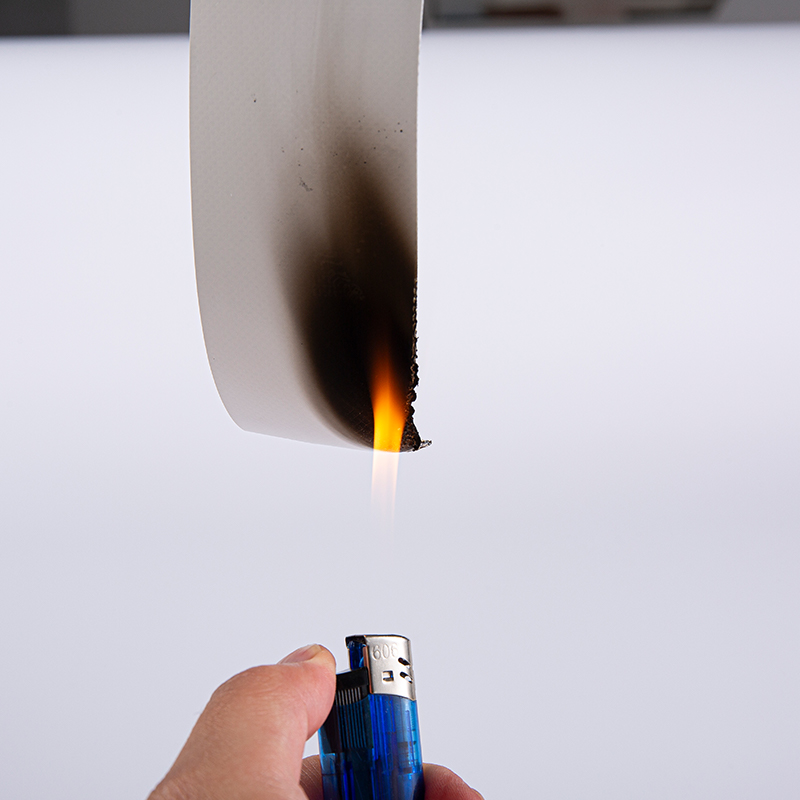 1100G PVDF Tensile Membrane Fabric R-515A 1100 g/m² PVC-coated polyester membrane with PVDF finish, B1 flame retardancy and self-cleaning performance for tensile architecture.View Product →
Not every structure needs the same cloth. The rough rule we use when talking with designers is to match weight to span, load and how close people will get to the surface.
Shorter spans over entrances, bike shelters, school yards and restaurant terraces are usually well served by fabrics in the 650-850 g/m² range. Where the brief is shade rather than rain cover, a coated mesh often does the job better than a solid membrane: it lets air through, cuts glare and reduces wind loading on the frame.
Once the span grows and the structure has to carry snow, 950-1100 g/m² grades with a PVDF finish become the sensible baseline. The extra coating thickness buys abrasion resistance at clamps and seams, which is exactly where a lighter fabric starts to look tired first.
Large public roofs, transport interchanges and anything with a design life beyond fifteen years push towards the heavier end of the range, around 1250 g/m², with careful attention to translucency and to how the surface will read under night lighting.
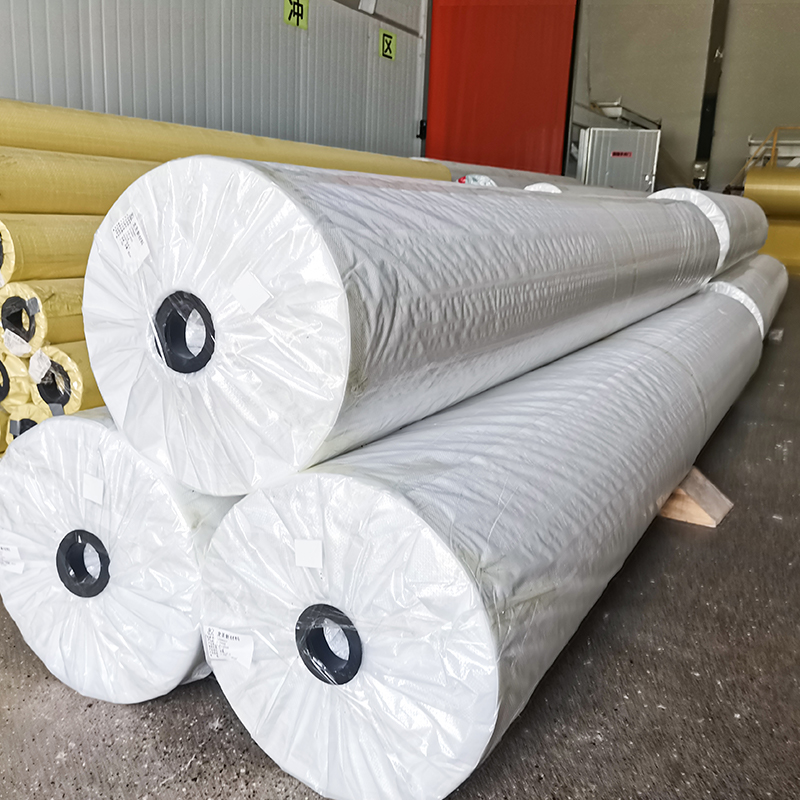 1250G PVDF Architectural Membrane TingHao L6A 1250 g/m² PVC-coated polyester membrane with TiO₂/PVDF finish, high tensile strength and B1 flame retardancy for large-span, high-UV public roofs.View Product →
Two identical structures in different places will not age identically. A coastal canopy faces salt and driven rain; an inland installation near industry faces airborne dirt that settles into any surface with a slightly tacky finish; a mountain site faces snow accumulation and repeated freeze-thaw at the seams.
Thermal movement deserves particular attention, because a membrane and its steel frame expand and contract at different rates. Over a wide temperature swing, that difference has to go somewhere, and it usually shows up first as wrinkled panels or as slack around a clamped edge. Our note on how architectural membrane handles thermal expansion and contraction goes into the practical side of that, and the typical applications for architectural membranes range from roofing and façades to modest street-level canopies, each with its own exposure pattern.
UV is the slow variable. Every coating loses some gloss and some plasticity over the years, and the question is how fast. A stable topcoat slows the process; good detailing, which keeps water from standing against a seam, slows it further.
Most of the durability of a fabric structure is designed before the first roll is cut. A few points come up again and again in our conversations with fabricators:
None of this is exotic, but each item depends on the material behaving predictably, batch after batch. That consistency is what a manufacturer actually supplies, alongside the roll.
A membrane roof is not a fit-and-forget product, but the routine is light. A simple schedule keeps most structures looking close to new:
Because the material is welded, tensioned and then left outdoors for years, the supplier conversation is worth having properly. These are the questions we think every buyer should ask:
For work that sits between a light canopy and a full tensile roof, a fabric with a PVDF surface over an acrylic-modified base often gives a good balance of cost, colour choice and weather resistance.
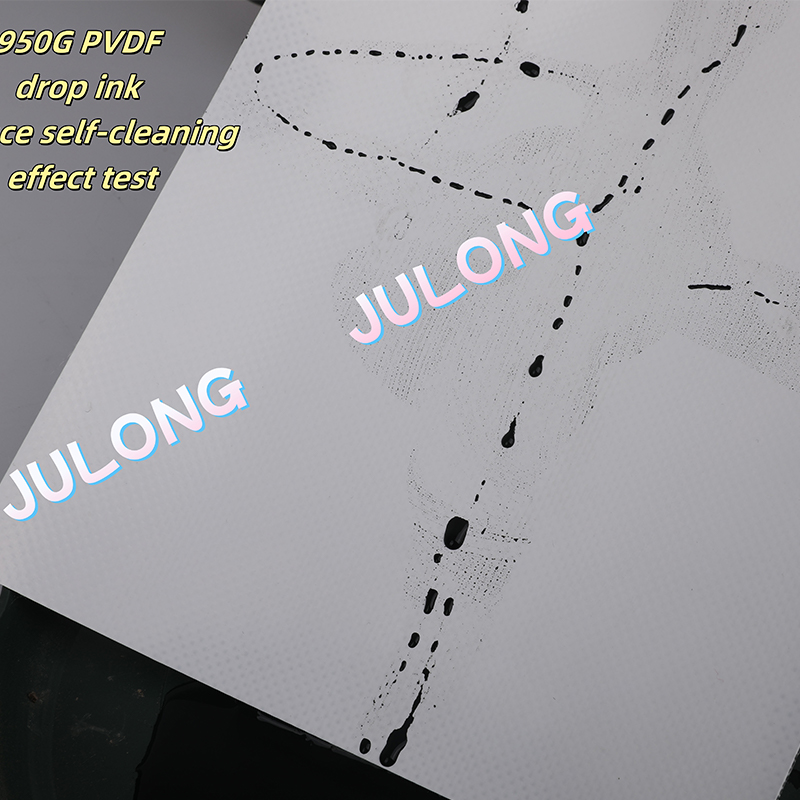 950G PVDF and Acrylic Building MembraneA 950 g/m² PVC-coated polyester fabric in PVDF or acrylic finish, offering a cost-balanced, self-cleaning option for small canopies and sunshades.View Product →
If you are working through a project at the moment, the most useful thing you can send us is not a long brief but a short one: the span, the site location, the expected service life, the colour direction and any fire requirement. With those five details we can usually point you to the right grade, send a sample, and tell you honestly whether a heavier fabric is worth the money for your structure. That is the part of the job we enjoy, and it is the same conversation whether you are ordering one roll for a prototype or a container for a stadium concourse.
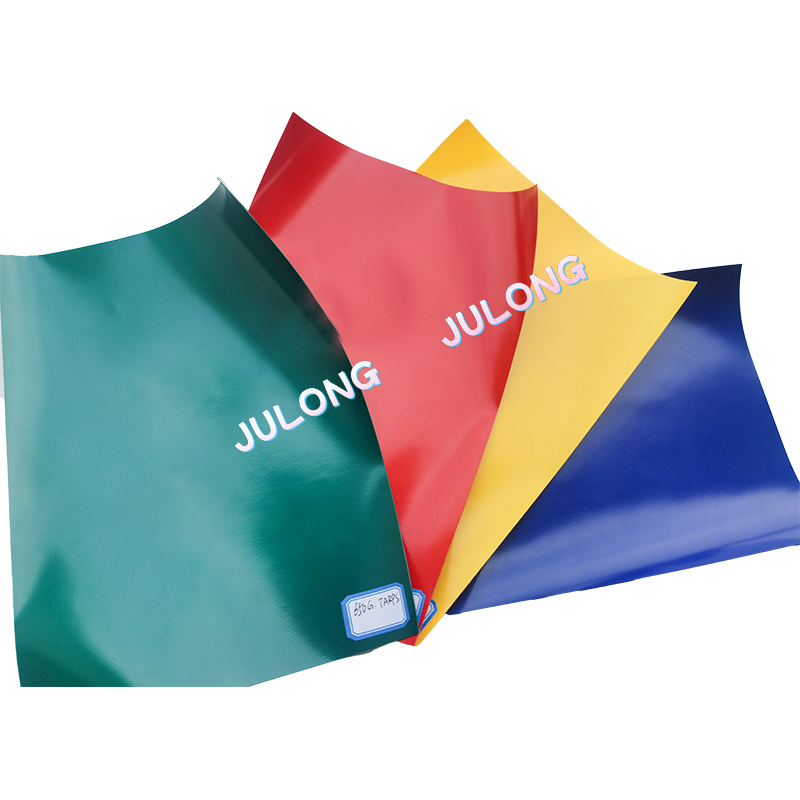
Win-win cooperation with new and old customers, create the future.

No. 9, Xingang Avenue, Ningguo City, Anhui Province, China.


+86 15397280550
Copyright © Anhui Longsheng New Material Technology Co., Ltd. Architecture Membrane Material Manufacturers Outdoor PVC Waterproof Fabric Supplier
