
 English
 عربى
عربىTarp for Truck Cover




Content
280G PVC mesh pool security barrier fabric is designed to provide reliable safety around swimming pools. Its durable PVC-coated mesh construction ensures long-lasting performance, preventing unauthorized or accidental access to the pool area. Proper installation is essential to maximize its effectiveness and comply with safety regulations.
This type of mesh combines strength, flexibility, and UV resistance, making it suitable for outdoor environments. When installed correctly, it acts as a highly visible and effective barrier, enhancing pool safety for children and pets while maintaining aesthetic appeal.
Before starting the installation process, careful planning is necessary. Measure the perimeter of your pool area to determine the total fabric required. Consider any gates, corners, or obstacles that may affect installation. A well-planned layout ensures the barrier is continuous, secure, and meets local pool safety codes.
Choose high-quality installation hardware, including posts, brackets, tensioning tools, and fasteners compatible with 280G PVC mesh. Using appropriate materials prevents sagging and ensures long-term stability.
Strong posts are critical to the effectiveness of a pool barrier. Steel or aluminum posts with corrosion-resistant coatings are preferred. Posts should be evenly spaced, typically every 1.5 to 2 meters, to support the mesh properly without sagging.
Anchor posts securely into the ground using concrete footings or reinforced brackets. This ensures the barrier remains stable under tension and prevents accidental displacement caused by wind or physical contact.
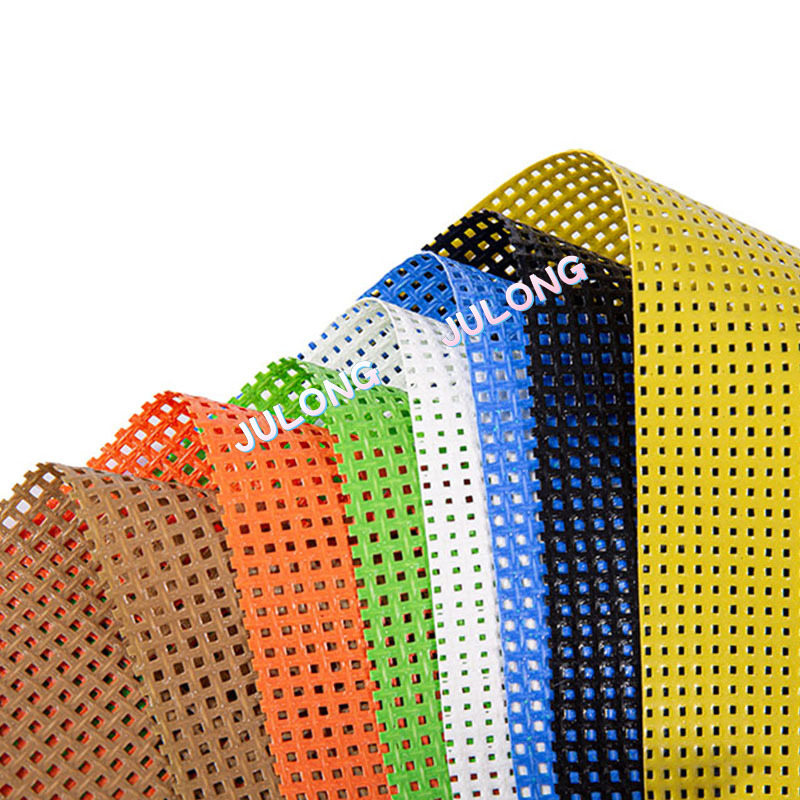
When unrolling 280G PVC mesh, avoid dragging it across rough surfaces to prevent damage. Lay the mesh out flat and inspect it for any defects or tears before installation. Cut the fabric to the measured lengths, leaving extra material for overlapping at corners and gates.
Handle the mesh with care to maintain its shape and tension properties. PVC mesh is strong but can stretch or deform if handled improperly, reducing its effectiveness as a security barrier.
Attach the mesh fabric to the posts using suitable fasteners such as cable ties, clips, or screws with washers. Start at one end and gradually work toward the other, ensuring consistent tension along the barrier. Avoid gaps between the mesh and the ground to prevent access underneath.
Pool barrier gates require special attention to maintain security. Ensure gates are self-closing and self-latching according to local safety regulations. Mesh around the gate must be firmly secured to posts and aligned with the rest of the barrier.
Use heavy-duty hinges and latches to withstand frequent use. Position latches out of reach of children to reduce the risk of accidental opening. Verify that the gate closes fully and maintains tension in the surrounding mesh.
Proper tension is key to barrier effectiveness. Use tensioning tools or winches to pull the mesh taut between posts. Check for uniform tension across all sections and adjust as needed to eliminate sagging or loose areas.
Avoid over-tensioning, which can damage the mesh or cause posts to bend. Regularly inspect tension and make adjustments as the fabric settles over time due to environmental exposure.
After installation, perform a thorough inspection. Ensure there are no gaps, loose fasteners, or sharp edges. Test gates and tension points for stability. Confirm that the barrier meets all local pool safety codes and standards.
Mark the barrier with visible warning signs if required, and educate pool users on proper safety protocols. Routine inspections and maintenance ensure the barrier remains effective over time.
PVC mesh is low-maintenance but requires periodic care. Clean the mesh with mild detergent and water to prevent dirt buildup, which can weaken material over time. Check for UV damage, abrasions, or tears, and replace damaged sections promptly.
Tighten fasteners and retension the mesh periodically to maintain security and prevent sagging. Properly maintained barriers can last for many years while providing reliable pool safety.
Installing 280G PVC mesh pool security barriers properly is essential for protecting children, pets, and unauthorized users. Careful planning, correct post selection, proper mesh tensioning, and secure gate installation are all key factors.
By following best practices and performing regular inspections and maintenance, pool owners can ensure their barriers remain strong, reliable, and compliant with safety regulations, providing peace of mind and enhanced pool security.
Win-win cooperation with new and old customers, create the future.

No. 9, Xingang Avenue, Ningguo City, Anhui Province, China.


+86 15397280550
Copyright © Anhui Longsheng New Material Technology Co., Ltd. Architecture Membrane Material Manufacturers Outdoor PVC Waterproof Fabric Supplier
