
 English
 عربى
عربىTarp for Truck Cover




Content
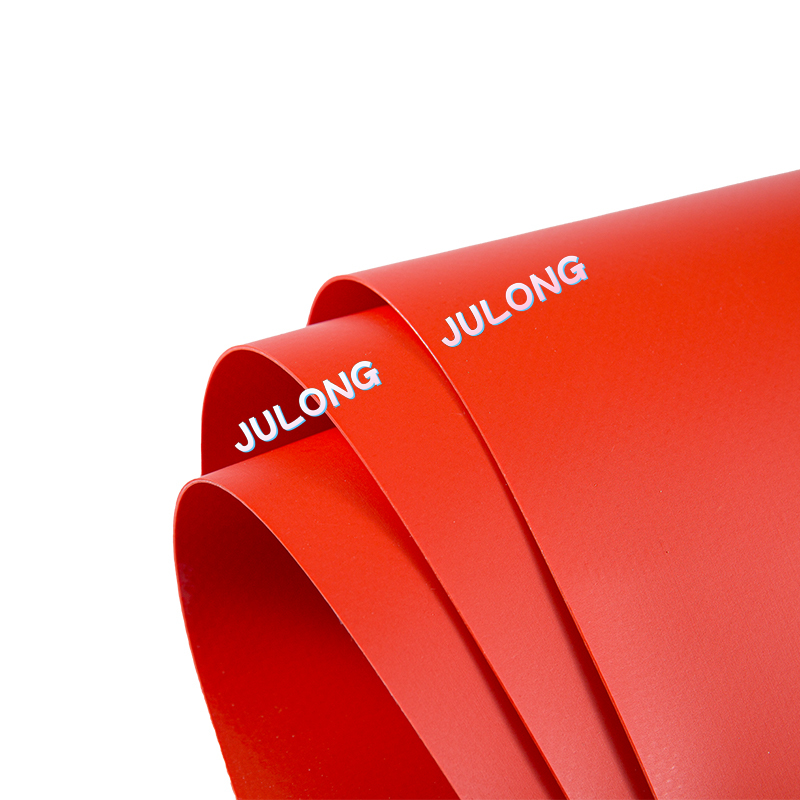
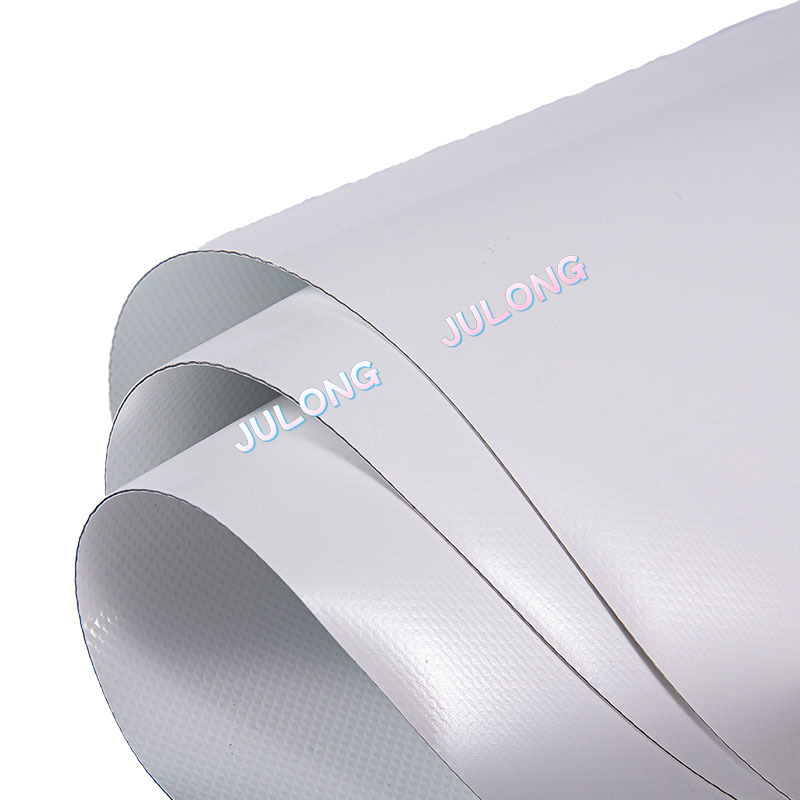
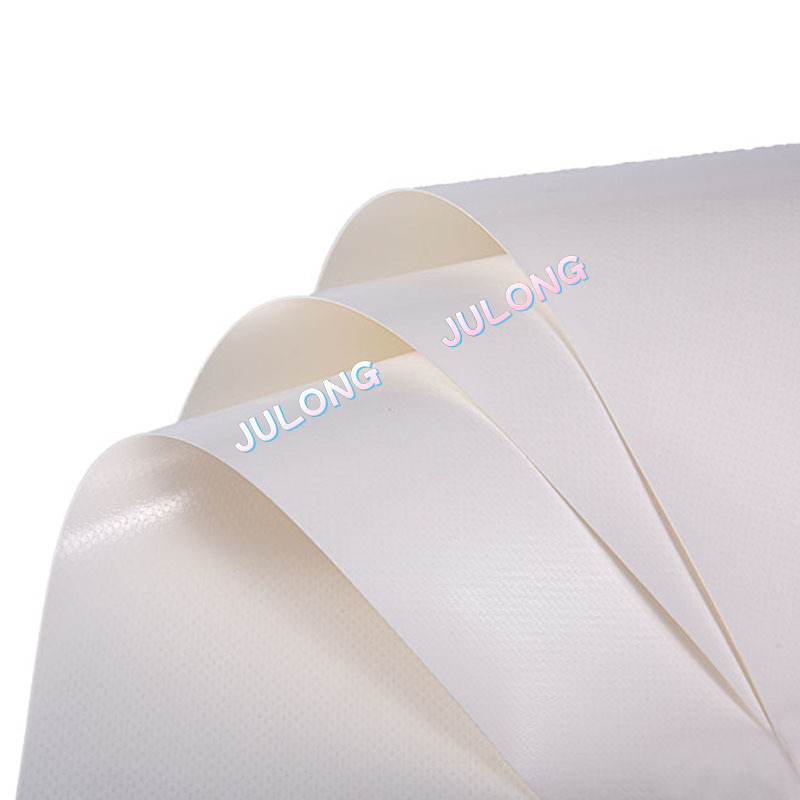
PVC-coated fabric is a composite material made by applying a layer of polyvinyl chloride (PVC) onto a textile base such as polyester, nylon, or cotton. The fabric substrate provides tensile strength and flexibility, while the PVC coating adds waterproofing, chemical resistance, and durability. This combination makes PVC-coated fabric widely used in outdoor and industrial environments where performance requirements are more demanding than those for conventional textiles.
When choosing PVC-coated fabric, it is important to understand that not all products are made the same. Differences in base fabric type, coating thickness, formulation additives, and surface treatments can significantly affect performance. A clear understanding of how these elements work together allows buyers to match the fabric precisely to their application rather than relying on generic specifications.
The base fabric is the foundation of any PVC-coated fabric and plays a critical role in determining its mechanical properties. Polyester is the most commonly used base due to its excellent strength-to-weight ratio, low stretch, and resistance to moisture absorption. It is well suited for outdoor covers, architectural membranes, and transportation tarpaulins.
Nylon base fabrics offer higher elasticity and abrasion resistance, making them useful in applications where repeated flexing or impact is expected. Cotton or blended fabrics are sometimes used for specialized industrial applications that require breathability or easier bonding, although they are generally less durable in harsh outdoor environments.
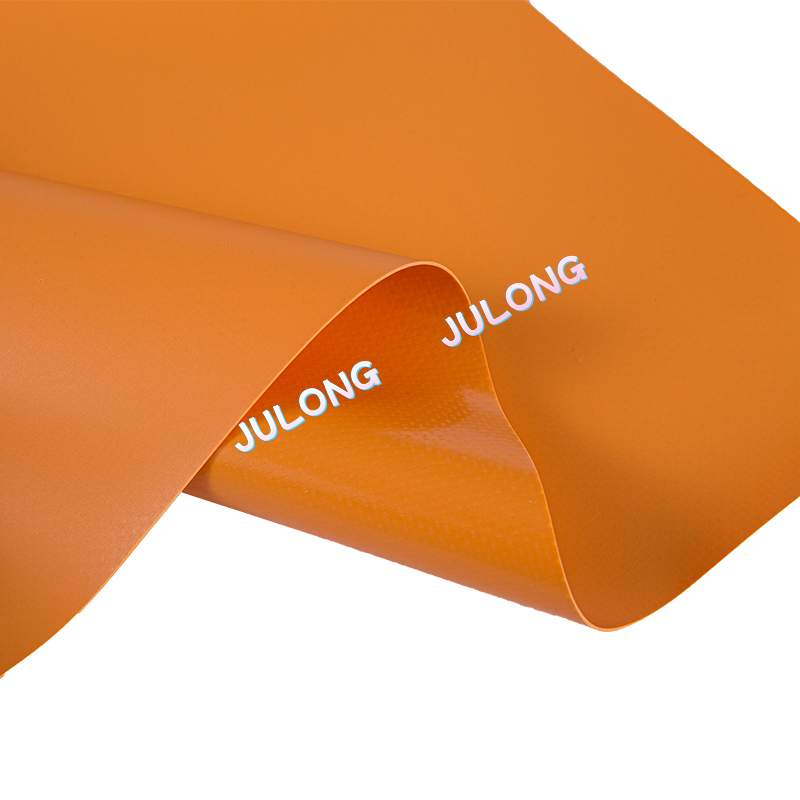
PVC coating thickness directly influences durability, flexibility, and service life. Thicker coatings generally provide better abrasion resistance, waterproofing, and chemical protection, which are essential for industrial environments. However, excessive thickness can reduce flexibility and increase material weight, making installation and handling more difficult.
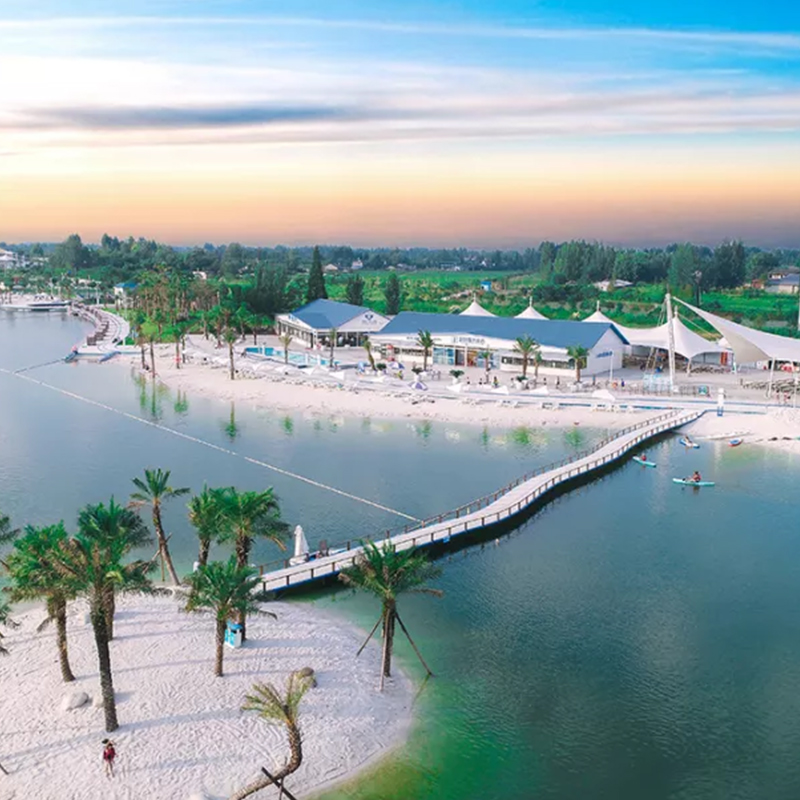
For outdoor applications such as awnings or inflatable structures, a balanced coating thickness is preferred to maintain flexibility while still offering adequate protection against UV radiation and rain. Industrial uses like conveyor belts or chemical covers may require heavier coatings to withstand continuous mechanical stress and exposure to harsh substances.
Outdoor PVC-coated fabric must withstand prolonged exposure to sunlight, temperature fluctuations, wind, and precipitation. UV resistance is particularly important, as prolonged UV exposure can cause PVC to become brittle, discolored, or cracked over time. High-quality formulations include UV stabilizers that slow down degradation and extend service life.
Temperature resistance should also be evaluated. In cold climates, PVC-coated fabric must remain flexible to avoid cracking, while in hot environments it must resist softening and deformation. Reviewing manufacturer test data for aging, UV exposure, and temperature cycling provides valuable insight into long-term performance.
Industrial applications often expose PVC-coated fabric to oils, fuels, solvents, and cleaning chemicals. The PVC formulation can be customized with additives to enhance resistance to specific substances. Selecting a fabric with proven chemical compatibility helps prevent swelling, surface degradation, or loss of strength.
Abrasion resistance is equally important in industrial settings where friction, dragging, or repetitive motion is common. Fabrics with reinforced coatings or textured surfaces can offer extended service life in demanding conditions such as mining, logistics, or manufacturing facilities.
In many industrial and public outdoor applications, fire performance is a critical selection criterion. PVC-coated fabrics can be manufactured to meet various fire-retardant standards, depending on regional regulations and end-use requirements. These fabrics are commonly used in tents, public shelters, and industrial curtains where safety compliance is mandatory.
Buyers should verify certifications and test standards rather than relying on general claims. Understanding whether a fabric is flame-retardant, self-extinguishing, or fire-resistant helps ensure compliance and reduces potential liability.
Surface treatments can significantly enhance the usability of PVC-coated fabric. Common finishes include anti-fungal coatings, dirt-repellent surfaces, and anti-slip textures. For outdoor applications, easy-clean surfaces help maintain appearance and reduce maintenance costs.
Industrial users may benefit from specialized coatings that reduce static buildup, improve weldability, or increase resistance to specific contaminants. Evaluating these functional finishes allows users to optimize performance for their specific operating environment.
| Application | Key Requirements | Recommended Features |
| Outdoor Awnings | UV resistance, flexibility | UV-stabilized PVC, polyester base |
| Industrial Curtains | Fire safety, durability | Flame-retardant coating, thick PVC |
| Truck Tarpaulins | Tear strength, waterproofing | High-denier fabric, reinforced edges |
While cost is always a factor, choosing PVC-coated fabric solely based on price often leads to higher long-term expenses. Lower-cost materials may lack adequate UV stabilizers or coating consistency, resulting in premature failure and replacement. Evaluating total lifecycle cost provides a more accurate basis for decision-making.
Investing in higher-quality PVC-coated fabric can reduce downtime, maintenance, and safety risks, especially in industrial environments. A balanced approach that considers performance requirements, expected lifespan, and operating conditions yields the best overall value.
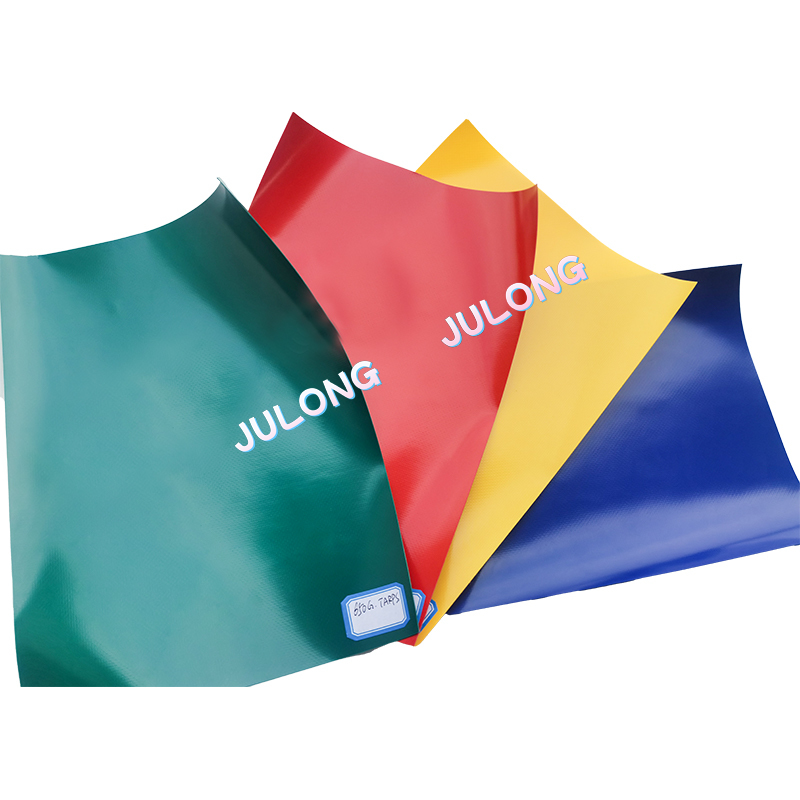
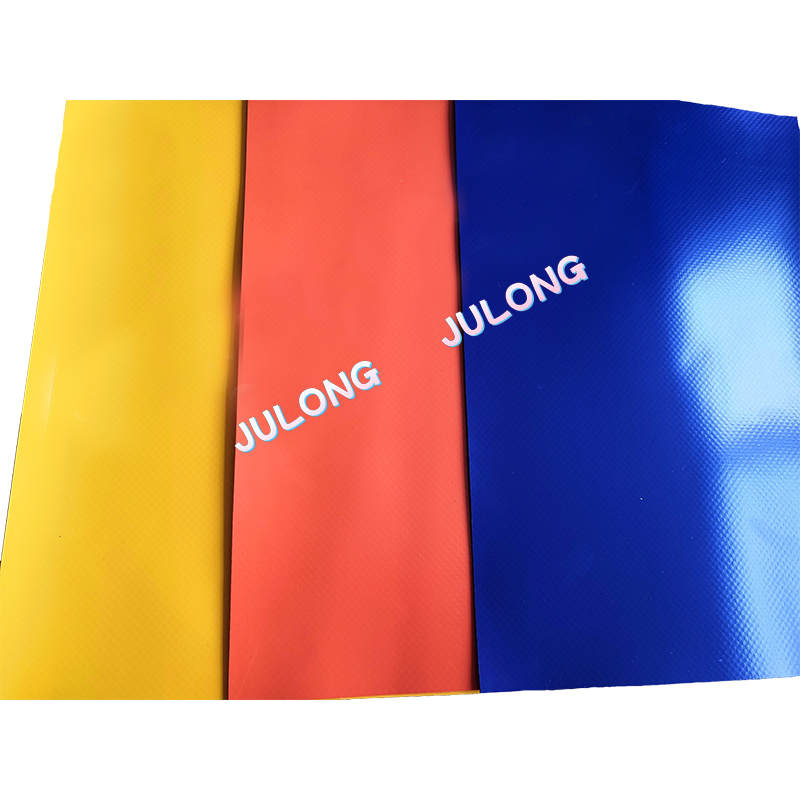
Reliable suppliers play a crucial role in selecting the right PVC-coated fabric. Experienced manufacturers can recommend suitable base fabrics, coating formulations, and surface finishes based on application details. Customization options such as color, embossing, and special additives further enhance suitability.
Clear communication about usage conditions, regulatory requirements, and performance expectations helps suppliers deliver a solution tailored to specific needs. Requesting samples and reviewing test reports before large-scale purchasing is a practical step in minimizing risk.
Choosing the best PVC-coated fabric for outdoor and industrial use requires a systematic evaluation of material structure, environmental exposure, and functional requirements. By focusing on measurable performance criteria rather than generic descriptions, buyers can make informed decisions that ensure durability, safety, and long-term value.
Careful comparison, supplier collaboration, and attention to application-specific details ultimately lead to a fabric solution that performs reliably under real-world conditions and supports efficient, trouble-free operation.
Win-win cooperation with new and old customers, create the future.

No. 9, Xingang Avenue, Ningguo City, Anhui Province, China.


+86 15397280550
Copyright © Anhui Longsheng New Material Technology Co., Ltd. Architecture Membrane Material Manufacturers Outdoor PVC Waterproof Fabric Supplier
