
 English
 عربى
عربىTarp for Truck Cover




Content
Ensuring safety around swimming pools is a critical concern for homeowners, facility managers, and public institutions. One of the most effective solutions is the use of PVC mesh pool security barrier fabric. This specialized fabric combines strength, durability, and visibility to provide a reliable barrier that prevents accidents while maintaining aesthetic appeal. Understanding why PVC mesh is widely chosen for pool safety barriers highlights its benefits in safety, installation, maintenance, and long-term performance.
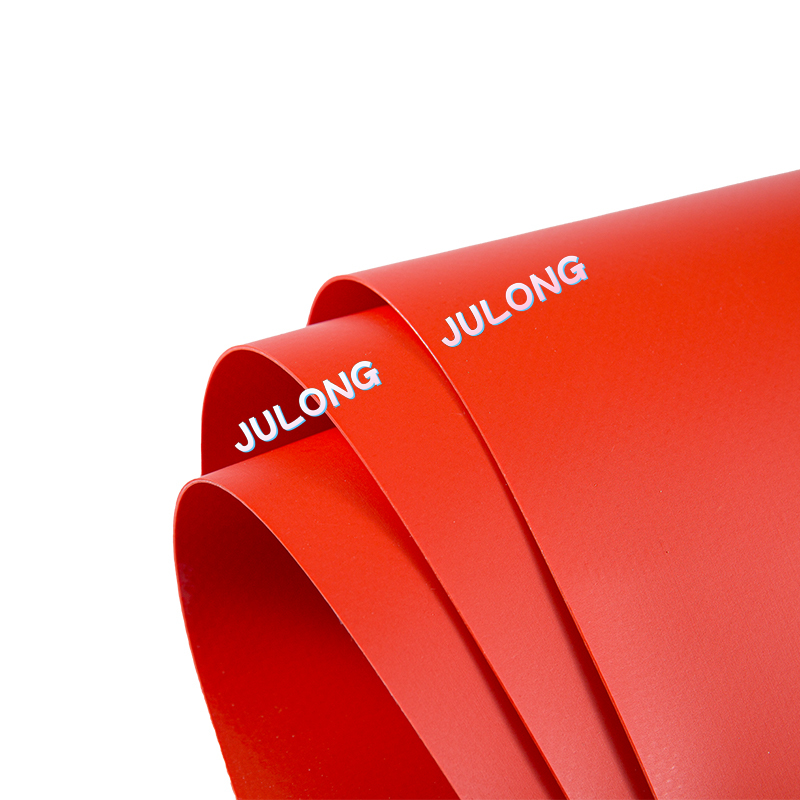
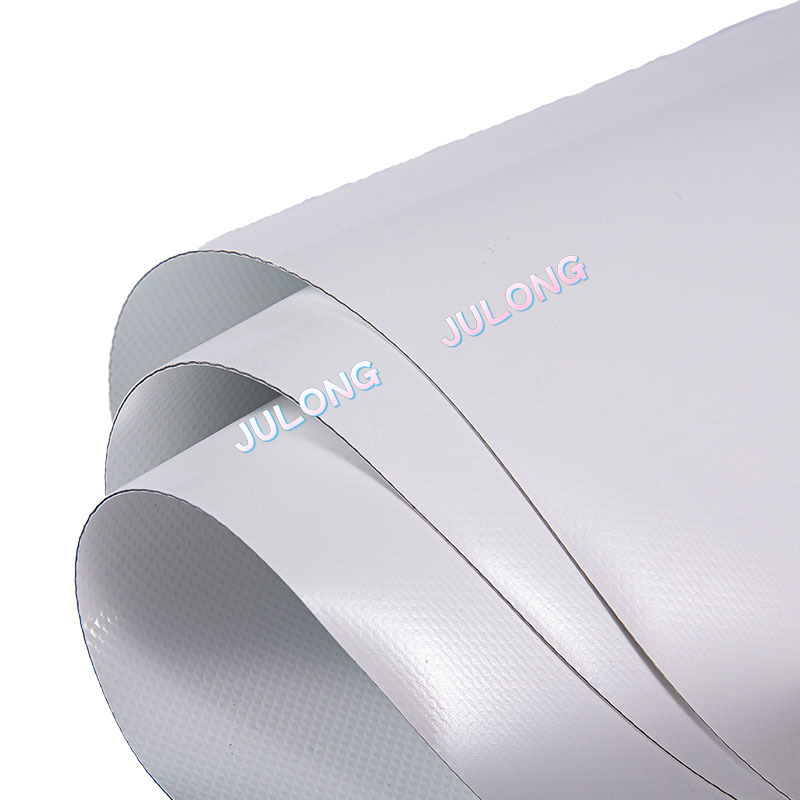
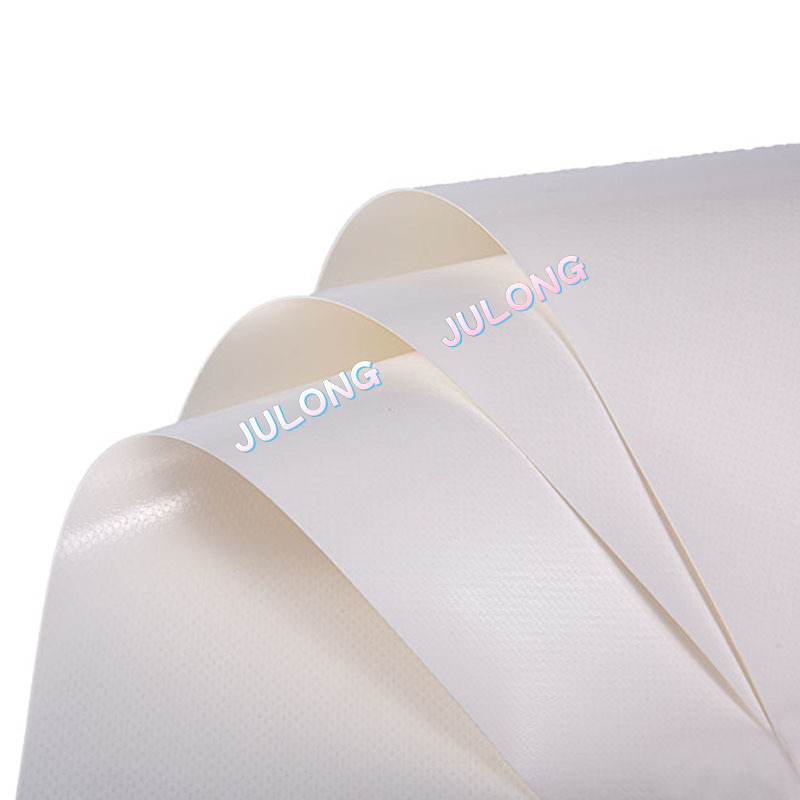
PVC mesh pool security barrier fabric is a woven or knitted material coated with polyvinyl chloride (PVC) that is designed to create a strong and flexible barrier around swimming pools. The PVC coating adds weather resistance, chemical resistance, and UV protection to the underlying mesh, ensuring that the fabric can withstand prolonged exposure to sun, water, and pool chemicals.
The mesh structure allows water to pass through while preventing small children, pets, or unauthorized individuals from entering the pool area, providing a balance between safety and airflow. PVC mesh fabric is commonly used in residential pools, hotel pools, community recreation centers, and commercial swimming facilities.
Durability is a major reason why PVC mesh fabric is preferred for pool safety barriers. The PVC coating protects the mesh from environmental stressors such as UV radiation, chlorine, saltwater, and fluctuating temperatures. Unlike natural fibers or untreated fabrics, PVC mesh does not rot, degrade, or lose structural integrity over time.
High tensile strength of the woven mesh prevents tearing or stretching, ensuring the barrier remains secure under daily use and occasional impact. This makes PVC mesh a reliable long-term solution, reducing the need for frequent replacements and maintenance.
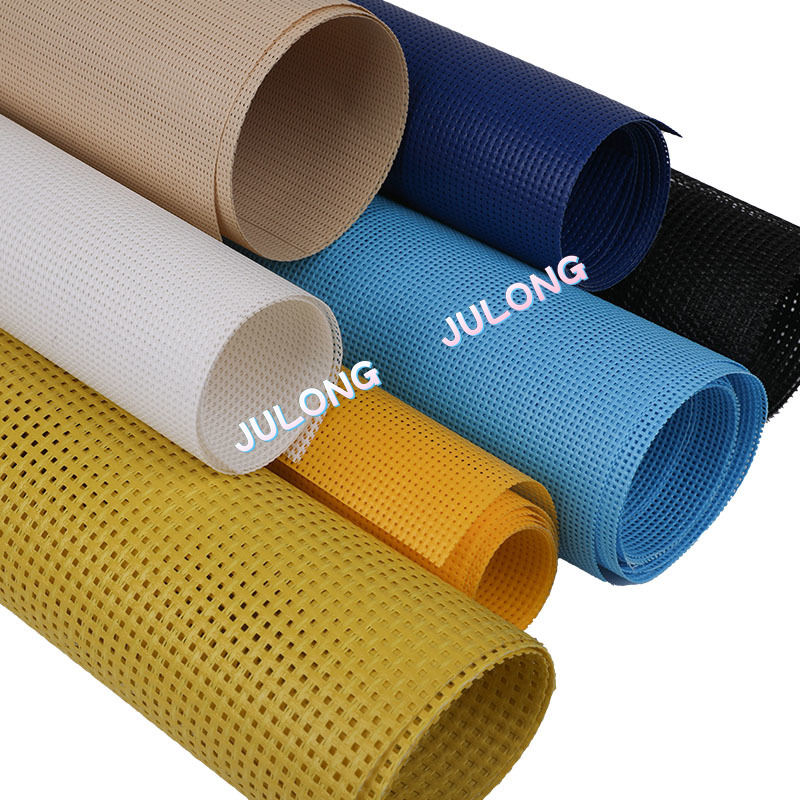
The primary function of any pool safety barrier is to prevent accidental drowning. PVC mesh barriers achieve this through a combination of small mesh openings and robust material construction. The mesh spacing is designed to prevent children from slipping through or climbing easily, while the reinforced edges and grommets allow for secure attachment to posts or frames.
In many regions, pool barriers must comply with local building codes and safety standards. PVC mesh fabrics are designed to meet or exceed these requirements, providing peace of mind to pool owners and operators. Compliance ensures legal adherence and enhances the overall safety of the pool environment.
Pools expose barriers to harsh environmental conditions, including sunlight, rain, and wind, as well as chemical exposure from chlorine or saltwater. PVC mesh fabric is inherently resistant to UV radiation, preventing color fading and material breakdown from prolonged sun exposure.
Additionally, the PVC coating resists chemical corrosion, ensuring that the barrier remains effective and visually appealing even in chlorinated pool water or saltwater environments. This resistance minimizes maintenance and extends the functional lifespan of the fabric.
PVC mesh pool safety barriers are designed for straightforward installation. The fabric is lightweight yet strong, making it easy to handle and attach to pool fencing or custom posts. Pre-installed grommets allow for secure fastening using hooks, ropes, or zip ties, ensuring a taut and stable barrier.
The adaptability of PVC mesh fabric allows it to fit various pool shapes and sizes, including rectangular, oval, or irregular layouts. It can also be cut to specific dimensions without compromising strength or safety, offering flexibility for both new installations and retrofits.
Unlike solid barriers, PVC mesh allows visibility of the pool area, which is important for supervision and aesthetic integration. Parents, lifeguards, or facility staff can monitor swimmers easily without removing the barrier, maintaining both safety and convenience.
Available in various colors and finishes, PVC mesh fabric can blend with landscaping, fencing, or poolside décor. This versatility ensures that safety measures do not compromise the visual appeal of the pool area.
PVC mesh fabric requires minimal maintenance compared to traditional wooden or metal barriers. Routine cleaning with mild soap and water is sufficient to remove dirt, debris, or algae buildup. The material’s resistance to corrosion and rot eliminates the need for painting, sealing, or chemical treatment, saving time and costs for pool owners.
Although the initial investment in high-quality PVC mesh may be slightly higher than some other temporary barriers, the long-term durability, minimal maintenance, and compliance with safety standards make it cost-effective. The fabric’s extended service life reduces replacement frequency and ensures continued safety for years, providing excellent value for residential and commercial pools.
| Feature | Benefit |
| UV Resistance | Prevents fading and degradation |
| Chemical Resistance | Resists chlorine and saltwater |
| Durability | Maintains strength under tension |
| Visibility | Allows monitoring of pool area |
| Low Maintenance | Easy cleaning, long lifespan |
PVC mesh pool security barrier fabric is an ideal choice for anyone seeking a durable, safe, and low-maintenance solution for pool safety. Its combination of strength, chemical and UV resistance, visibility, and ease of installation ensures both effective protection and aesthetic compatibility. By investing in high-quality PVC mesh fabric, pool owners and facility managers can enhance safety, comply with regulations, and enjoy a long-lasting, visually appealing barrier solution.
Win-win cooperation with new and old customers, create the future.

No. 9, Xingang Avenue, Ningguo City, Anhui Province, China.


+86 15397280550
Copyright © Anhui Longsheng New Material Technology Co., Ltd. Architecture Membrane Material Manufacturers Outdoor PVC Waterproof Fabric Supplier
