
 English
 عربى
عربىTarp for Truck Cover




Content
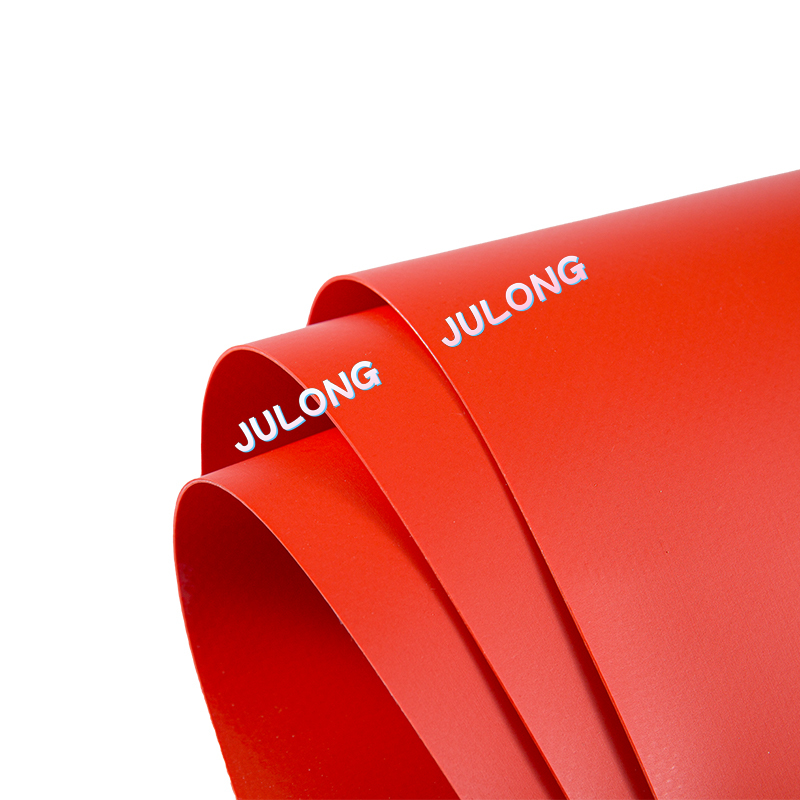
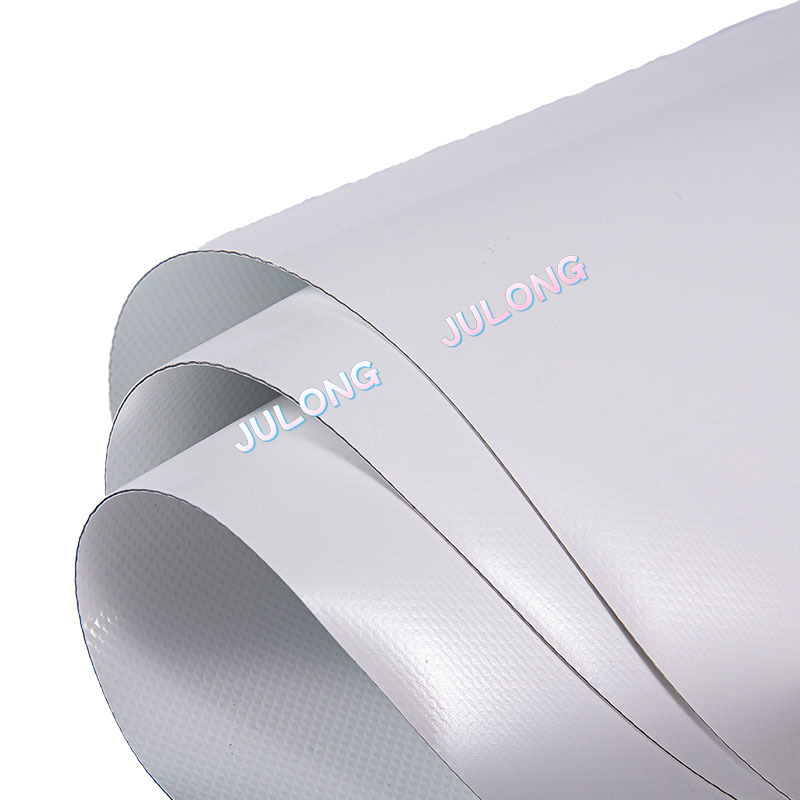
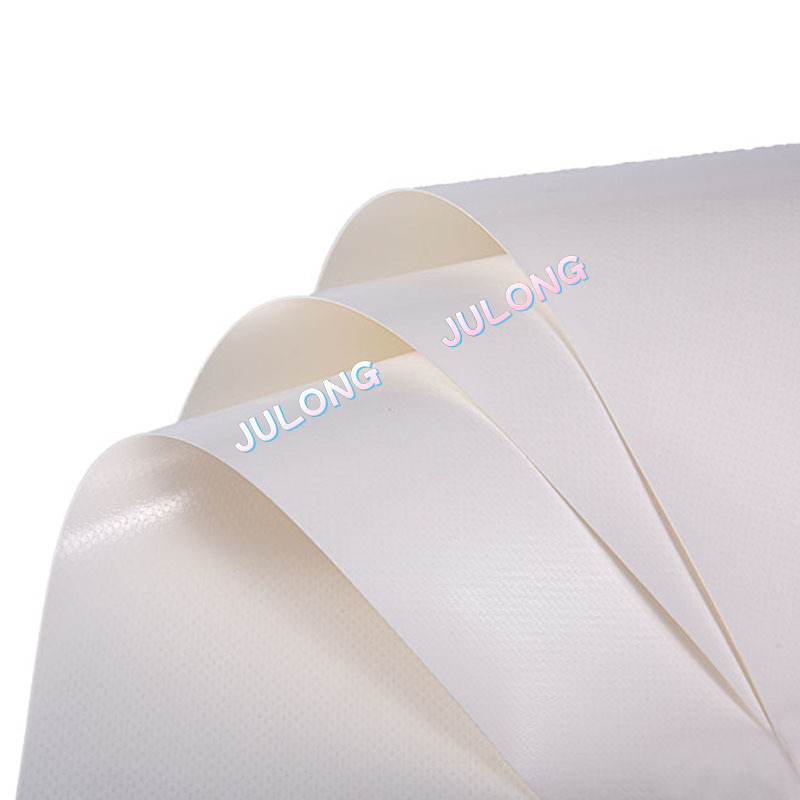
PVC coated mesh fabric is a composite material made by coating a woven base fabric, typically polyester, with polyvinyl chloride (PVC) resin. The result is a flexible, durable material that combines the open-weave structure of mesh with the protective and weatherproofing qualities of PVC coating. This combination allows airflow and light transmission through the fabric while still providing strength, water resistance, and protection against UV degradation.
The mesh structure consists of small openings between woven fibers, and the PVC coating encapsulates these fibers to lock the weave in place, prevent fraying, and add resistance to abrasion, chemicals, and environmental wear. This makes PVC coated mesh fabric a practical choice for a wide range of outdoor and industrial applications where both visibility through the material and protection from the elements are required.
Several characteristics make PVC coated mesh fabric suitable for demanding applications across construction, advertising, and transportation industries.
The open-weave design allows air to pass through the material, which significantly reduces wind load compared to solid PVC fabrics. This makes mesh fabric particularly useful for large outdoor structures like scaffolding wraps and banners, where wind resistance is a critical safety consideration.
PVC coatings typically include UV stabilizers that help the fabric resist fading, cracking, and brittleness from prolonged sun exposure. Quality mesh fabrics can withstand years of outdoor use without significant degradation, making them suitable for long-term installations.
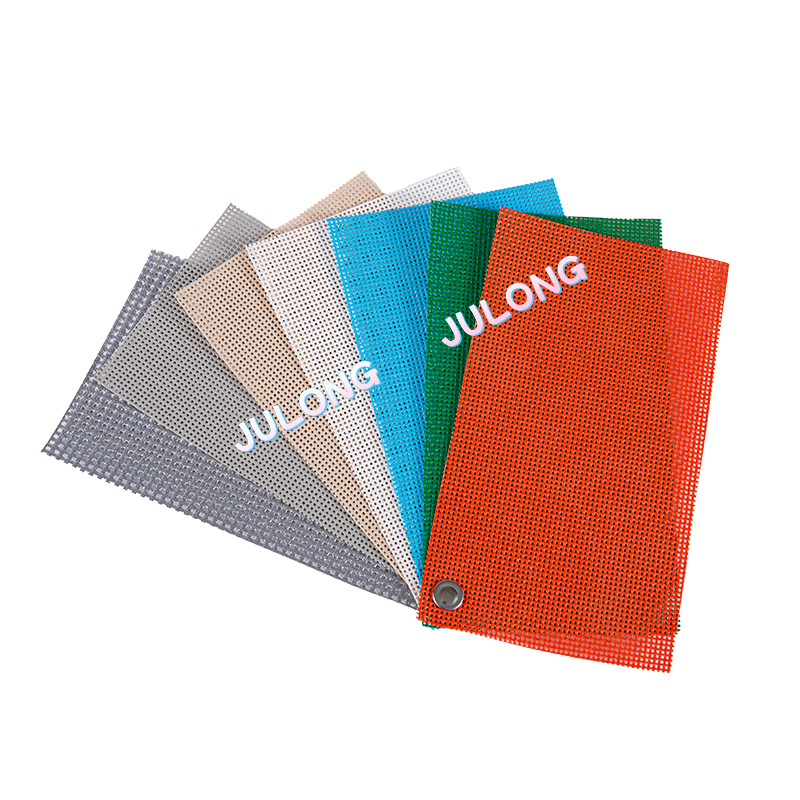
The polyester base fabric provides high tensile strength, while the PVC coating adds resistance to tearing at edges and grommet points. This combination allows the material to withstand repeated tensioning, flapping in wind, and contact with rough surfaces during installation and use.
Many PVC coated mesh products are manufactured to meet fire safety standards such as NFPA 701 or DIN 4102, making them suitable for use in public spaces, event tents, and construction sites where fire codes apply.
PVC coated mesh fabric is available in various mesh densities, often described as a percentage of open area versus solid material. The choice of density depends on the balance needed between visibility, airflow, and opacity for the intended application.
| Mesh Density | Open Area | Common Application |
| Low Density | 10-20% | High-impact banners, full-color graphics |
| Medium Density | 30-40% | Building wraps, fence screens |
| High Density | 50-70% | Scaffold debris netting, shade structures |
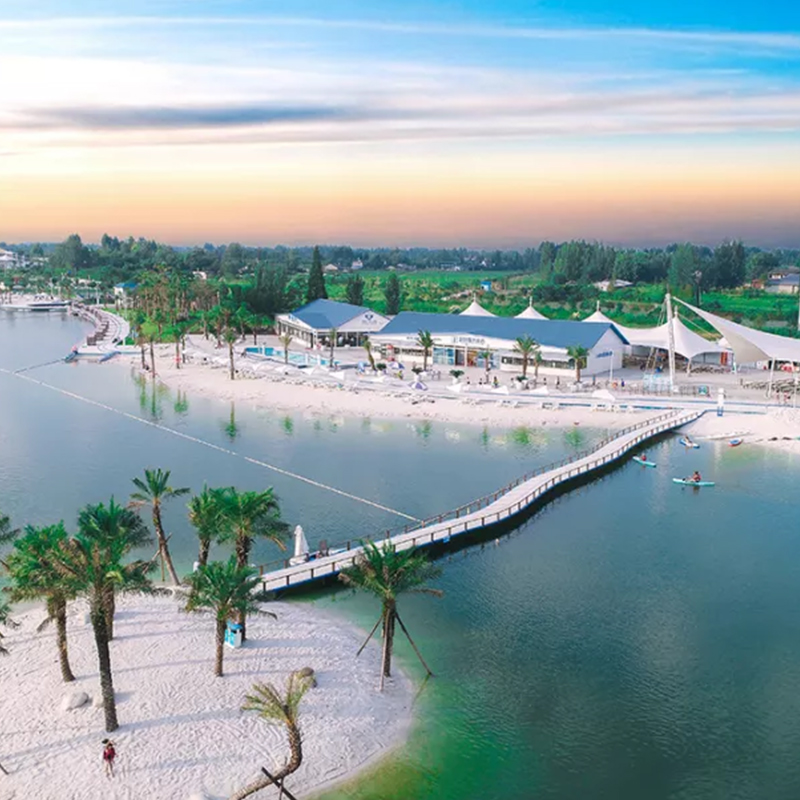
The versatility of PVC coated mesh fabric makes it suitable for a wide range of practical uses across multiple industries.
Choosing the right mesh fabric for a specific project involves evaluating several practical considerations beyond the basic material type.
Fabric weight, typically measured in grams per square meter, affects both durability and handling. Heavier fabrics generally offer greater longevity and tear resistance but may be more difficult to install and require stronger mounting hardware.
For advertising applications, the fabric's surface finish affects how well it accepts ink during digital printing processes. Smoother coatings tend to produce sharper graphics, while textured surfaces may be better suited for solid color applications.
Hemmed edges, reinforced corners, and grommet spacing affect how well the fabric withstands tensioning forces during installation. Projects involving large panels or high-wind areas benefit from reinforced edges that distribute stress more evenly across the material.
By matching mesh density, weight, and finishing details to the specific demands of a project, PVC coated mesh fabric can provide a cost-effective, durable solution for a wide range of outdoor and industrial applications, often outlasting alternative materials while requiring minimal maintenance throughout its service life.
Win-win cooperation with new and old customers, create the future.

No. 9, Xingang Avenue, Ningguo City, Anhui Province, China.


+86 15397280550
Copyright © Anhui Longsheng New Material Technology Co., Ltd. Architecture Membrane Material Manufacturers Outdoor PVC Waterproof Fabric Supplier
