
 English
 عربى
عربىTarp for Truck Cover




Content
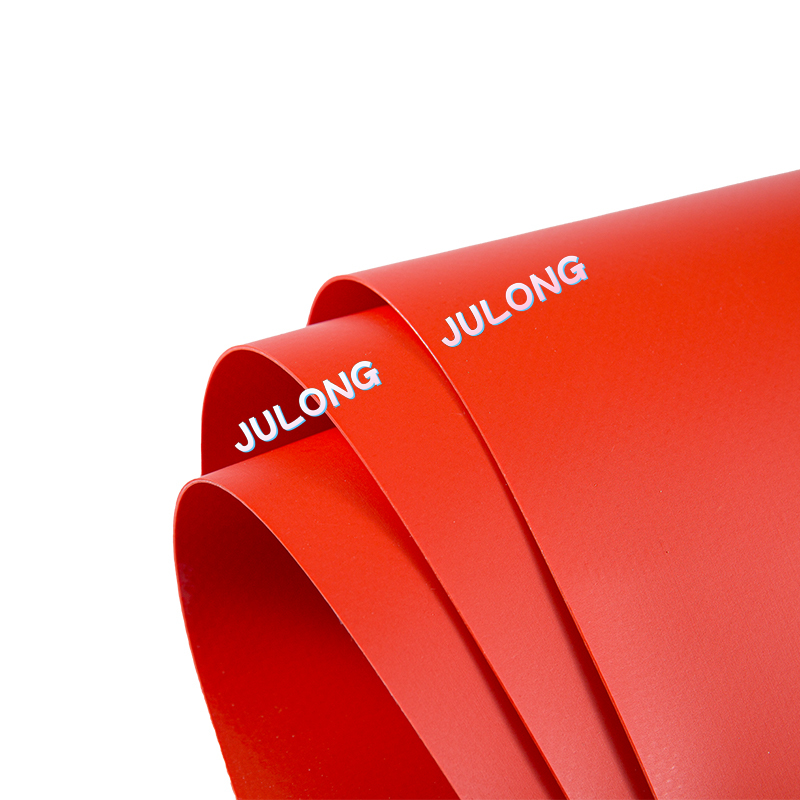
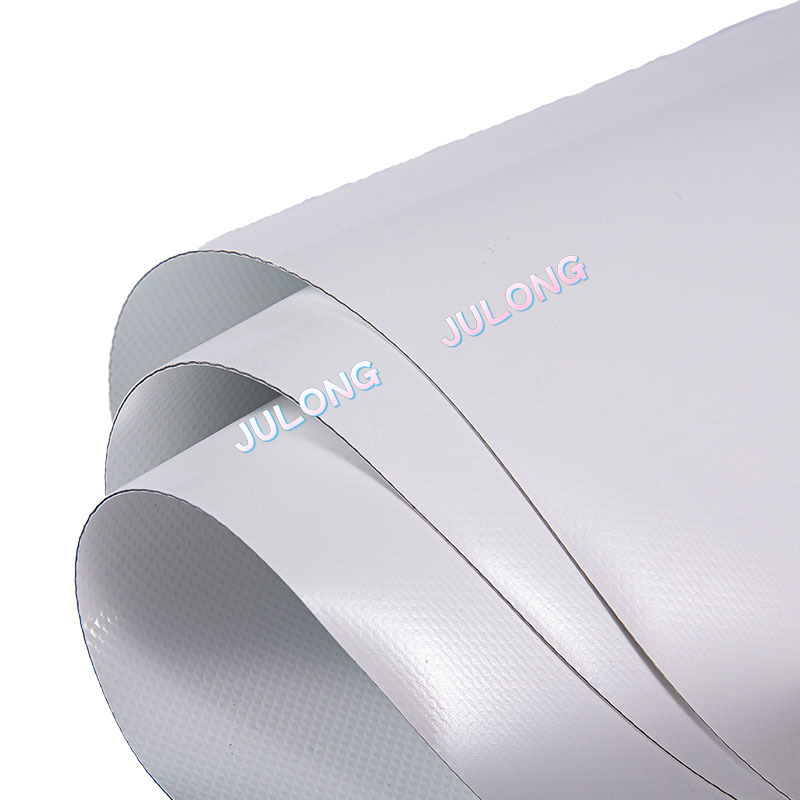
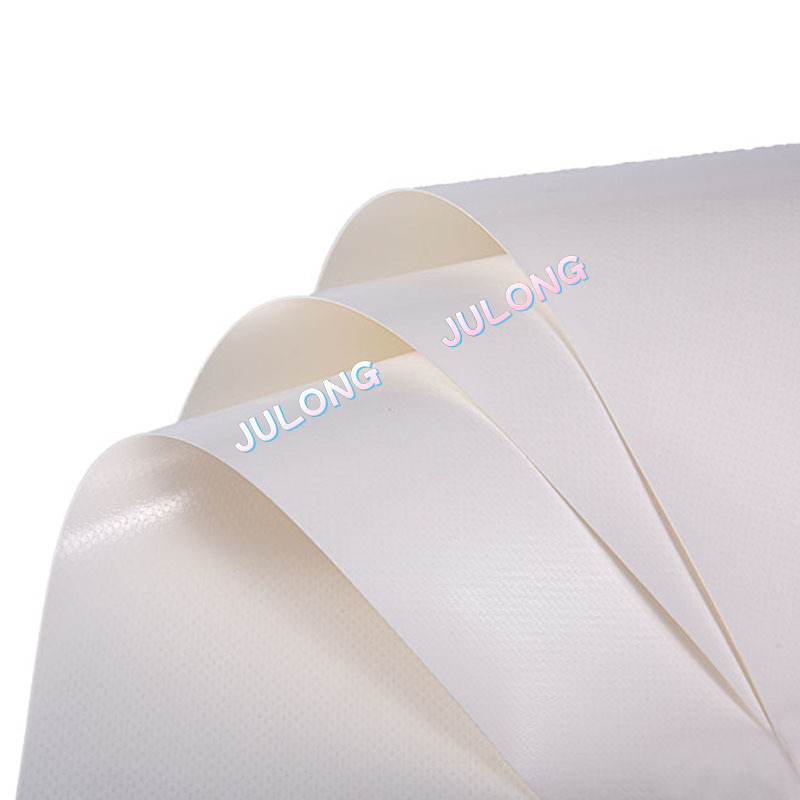
PVC-coated mesh fabric is a composite textile material made by applying a layer of polyvinyl chloride (PVC) compound onto a base mesh substrate — typically woven from polyester or fiberglass yarns. The coating process bonds the PVC compound to the yarn structure under heat and pressure, producing an open-weave fabric that combines mechanical strength with weather and chemical resistance.
The defining characteristic of this material is its dual nature: the mesh structure allows air, light, and water to pass through, while the PVC coating protects the underlying fibers from UV degradation, moisture absorption, and abrasion. The result is a fabric that performs reliably in demanding outdoor and industrial environments where untreated textiles would fail within months.
Typical PVC-coated mesh fabrics are available in a range of openness factors — usually between 3% and 15% — which determines how much light or airflow passes through the material. This variable makes the fabric adaptable across a wide range of uses, from solar shading systems that allow partial daylight to safety barriers that prioritize visibility.
Understanding the performance profile of PVC-coated mesh fabric requires examining several material properties in combination. No single attribute tells the full story — tensile strength, coating thickness, yarn count, and additive formulation all contribute to how the material behaves in real conditions.
The load-bearing capacity of PVC-coated mesh fabric is primarily determined by the denier and weave density of the base yarn. Heavy-duty grades used in truck tarps or stadium shade structures typically achieve tensile strengths above 3,000 N/5 cm in both warp and weft directions. Lighter architectural grades may range from 800 to 1,500 N/5 cm, which is still sufficient for fixed canopy installations under normal wind loads.
PVC formulations used in outdoor mesh fabrics include UV stabilizers and anti-oxidant additives that slow photodegradation. Quality products should retain at least 80% of their original tensile strength after 2,000 hours of accelerated UV exposure testing per ISO 4892-2. Without these additives, PVC becomes brittle and prone to cracking within two to three years of outdoor use.
Many applications — particularly those in public spaces, construction sites, or commercial buildings — require flame-retardant grades. PVC-coated mesh fabrics can be formulated to meet standards such as EN 13501-1 (Class B or C), NFPA 701, or ASTM E84. These certifications are critical for facade cladding, temporary enclosures around scaffolding, and event structures where fire safety regulations apply.
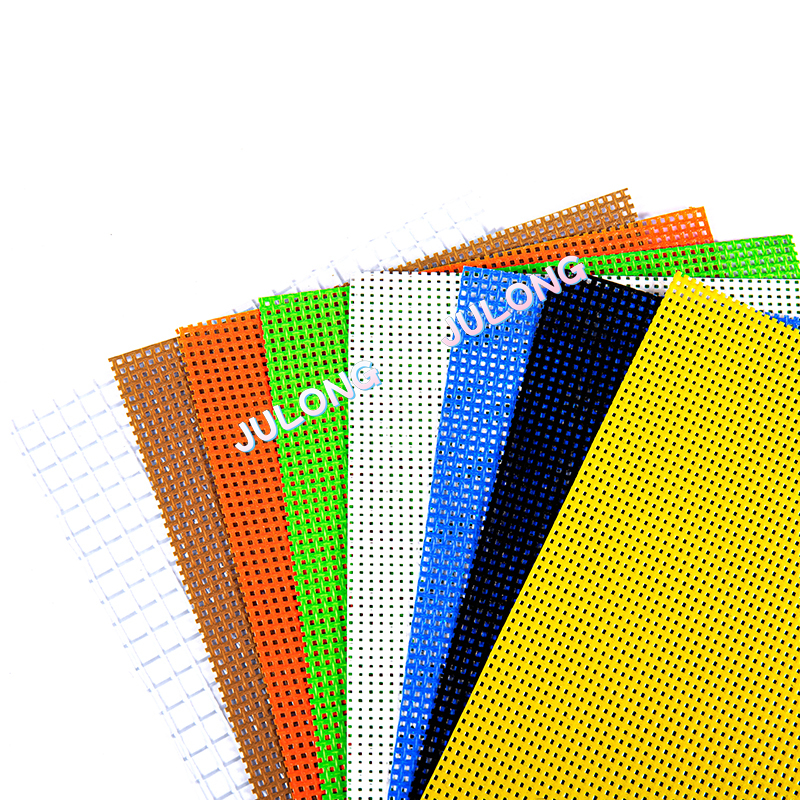
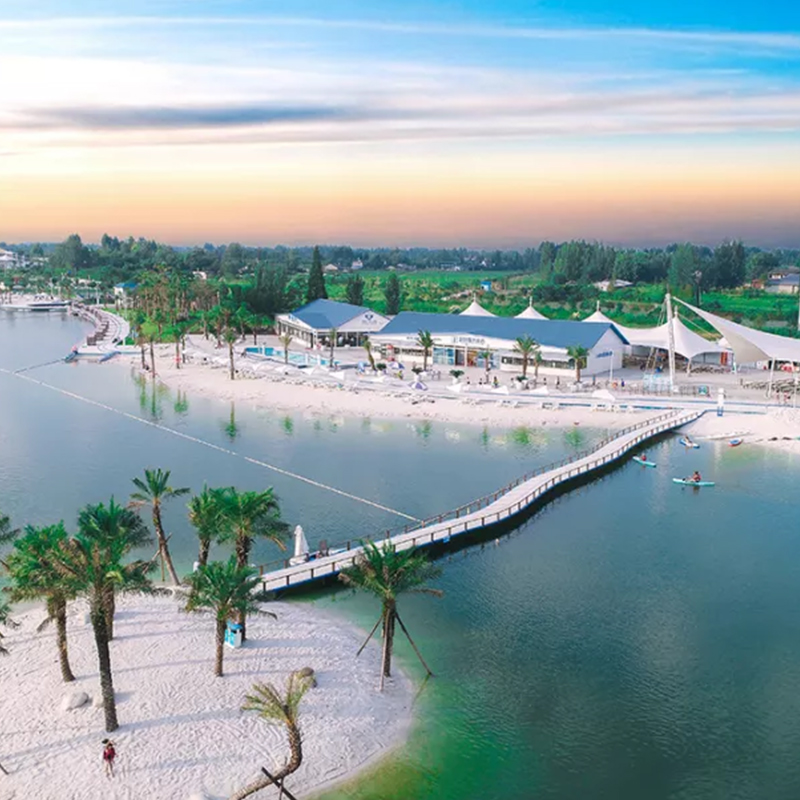
PVC-coated mesh fabric appears across a broader range of industries than most buyers initially expect. Its combination of strength, openness, and environmental resistance makes it suitable for both permanent installations and temporary structures.
Fabric weight — expressed in grams per square meter (g/m²) — is the most commonly used shorthand for grade selection, though it should be considered alongside coating thickness and yarn specification. The table below provides a practical reference for matching weight categories to typical use cases.
| Weight Range (g/m²) | Grade Classification | Typical Applications | Approx. Service Life (Outdoor) |
|---|---|---|---|
| 100–180 | Lightweight | Temporary shade sails, printed banners | 2–4 years |
| 180–300 | Medium | Scaffolding screens, sports windbreaks | 4–7 years |
| 300–500 | Heavy | Truck tarps, permanent architectural canopies | 7–12 years |
| 500+ | Industrial | Mining containment, industrial filtration | 10–15 years |
These service life figures assume proper installation without sharp contact points, periodic cleaning to remove organic debris, and storage out of UV exposure during extended periods of non-use. Failure to follow these practices can reduce service life by 30–40% even for premium-grade materials.
Sourcing PVC-coated mesh fabric at scale involves more than confirming weight and color. Several technical and commercial factors should be evaluated before committing to a supplier.
Specification sheets provided by manufacturers reflect ideal production conditions. Independent third-party test reports — issued by accredited laboratories such as SGS, TÜV, or Intertek — provide verified data on tensile strength, tear resistance, UV aging, and flame retardancy. For projects with contractual performance requirements, ensure that test reports reference the same product batch being quoted, not a representative sample from a different production run.
Delamination — where the PVC coating separates from the base mesh — is one of the most common failure modes in lower-quality products. Ask suppliers to provide peel strength data measured per ISO 2411. A minimum peel strength of 100 N/5 cm is a reasonable threshold for medium-duty outdoor applications; structural or heavy-duty uses should target 150 N/5 cm or higher.
Standard roll widths for PVC-coated mesh range from 1.5 m to 5 m, with wider rolls reducing the number of seams in large installations. Weight tolerance (typically ±5%) and width tolerance (±1%) can significantly affect cutting yield and total material cost on large projects. Confirm these tolerances in writing before finalizing the purchase order.
PVC formulations may contain plasticizers, stabilizers, and pigments that are subject to chemical restrictions in the EU and other markets. For projects in regulated environments — schools, hospitals, food processing facilities, or EU member state tenders — confirm that the material carries documentation of compliance with RoHS Directive 2011/65/EU and REACH Regulation (EC) 1907/2006, particularly regarding restricted phthalates and heavy metal stabilizers.
Even the highest-specification PVC-coated mesh fabric will underperform if installed incorrectly. The following practices apply across most application types and significantly extend usable service life.
Following these straightforward maintenance protocols typically adds two to four years to the service life of medium-grade PVC-coated mesh fabrics, making them one of the most cost-effective technical textiles available for long-term outdoor use.
Win-win cooperation with new and old customers, create the future.

No. 9, Xingang Avenue, Ningguo City, Anhui Province, China.


+86 15397280550
Copyright © Anhui Longsheng New Material Technology Co., Ltd. Architecture Membrane Material Manufacturers Outdoor PVC Waterproof Fabric Supplier
