
 English
 عربى
عربىTarp for Truck Cover




Content
A tarp for truck cover use is one of the most practical and frequently purchased pieces of equipment in the trucking, construction, agriculture, and landscaping industries — yet it is also one of the most commonly under-specified. Too many operators grab the nearest available tarp without considering material weight, UV resistance, grommets spacing, or the specific demands of their haul, only to find the cover shredded after a single highway run or soaked through after a moderate rainstorm. Choosing the right truck tarp is not complicated, but it does require understanding a handful of key variables that separate a reliable, long-lasting cover from a disposable one. This guide walks through every factor that matters — material types, sizing, fastening systems, maintenance, and legal compliance — so you can make a confident, cost-effective decision.
An inadequate tarp does more than let your load get wet. For flatbed and dump truck operators, an unsecured or improperly covered load is a legal and safety liability. Most U.S. states and many international jurisdictions have explicit regulations requiring that loose materials — gravel, sand, demolition debris, agricultural product — be fully covered during transport to prevent road scatter. Fines for uncovered loads can range from a few hundred to several thousand dollars per violation, and in the event that flying debris causes an accident, the operator's civil liability exposure is substantial.
Beyond legal requirements, the right tarp protects your cargo from rain, UV degradation, wind damage, and contamination during transit and storage. For agricultural operators transporting grain or feed, moisture intrusion can cause spoilage. For construction companies hauling roofing materials or insulation, UV exposure can degrade product quality before it even reaches the job site. For pickup truck owners using a bed tarp to protect tools and equipment, a poorly secured cover that flaps at highway speed can damage the cargo and create a hazard for other drivers. The investment in a correct, properly fitted tarp pays back in cargo protection, regulatory compliance, and operational reliability.
The material a tarp is made from determines almost everything about its performance: how heavy it is, how long it lasts, how well it seals against water, and whether it can handle the specific mechanical stresses of your application. There are four primary materials used in truck tarps, each with a distinct performance profile.
Polyethylene tarps are the most widely sold and least expensive option on the market. They are woven from high-density polyethylene (HDPE) strips and coated on both sides with low-density polyethylene laminate, creating a waterproof, lightweight cover. Standard PE tarps are available in weights ranging from 5 oz/sq yd (light-duty) to 12 oz/sq yd (heavy-duty). For occasional use — covering a pickup truck bed during a single trip or protecting stored equipment from rain — a mid-weight PE tarp at 8–10 oz/sq yd is adequate and cost-effective. However, PE tarps have significant limitations for continuous heavy-duty trucking use: they degrade relatively quickly under prolonged UV exposure, become brittle in cold temperatures, and tear at grommet points under repeated cinch strap tension. For daily commercial use on flatbed or dump trucks, PE tarps are a false economy.
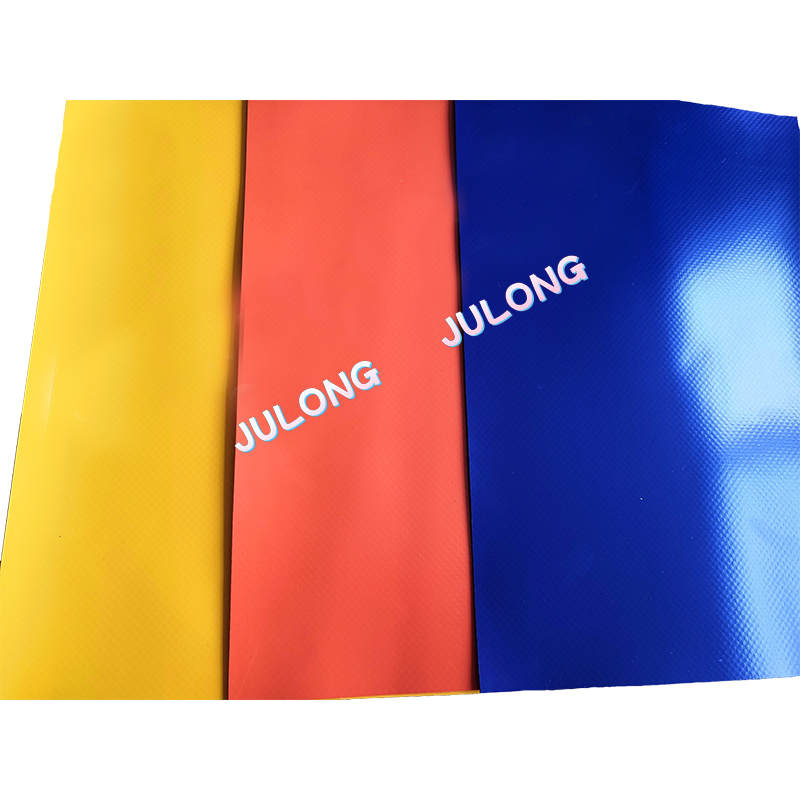
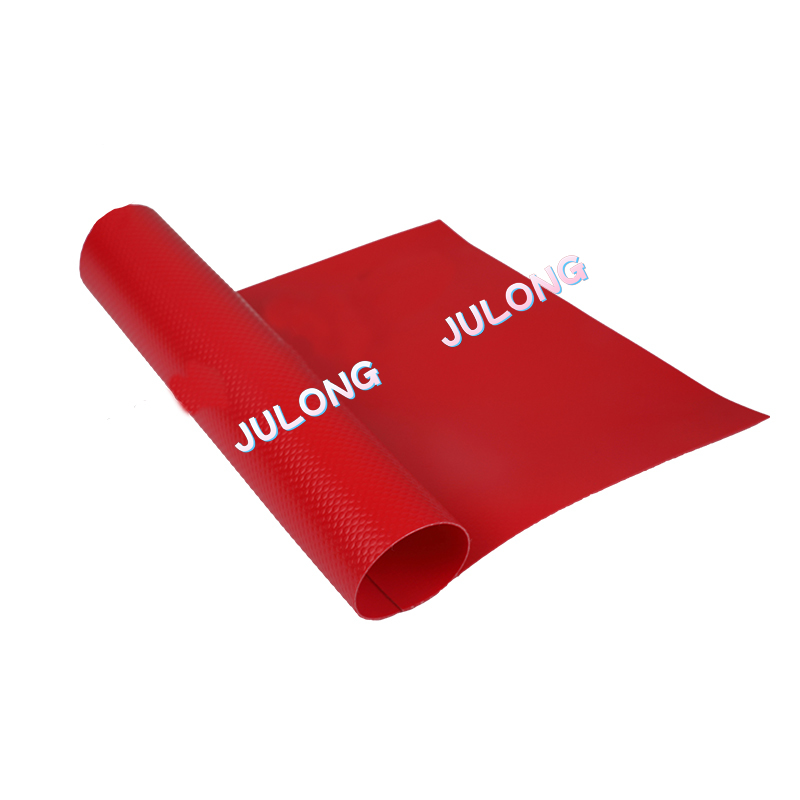
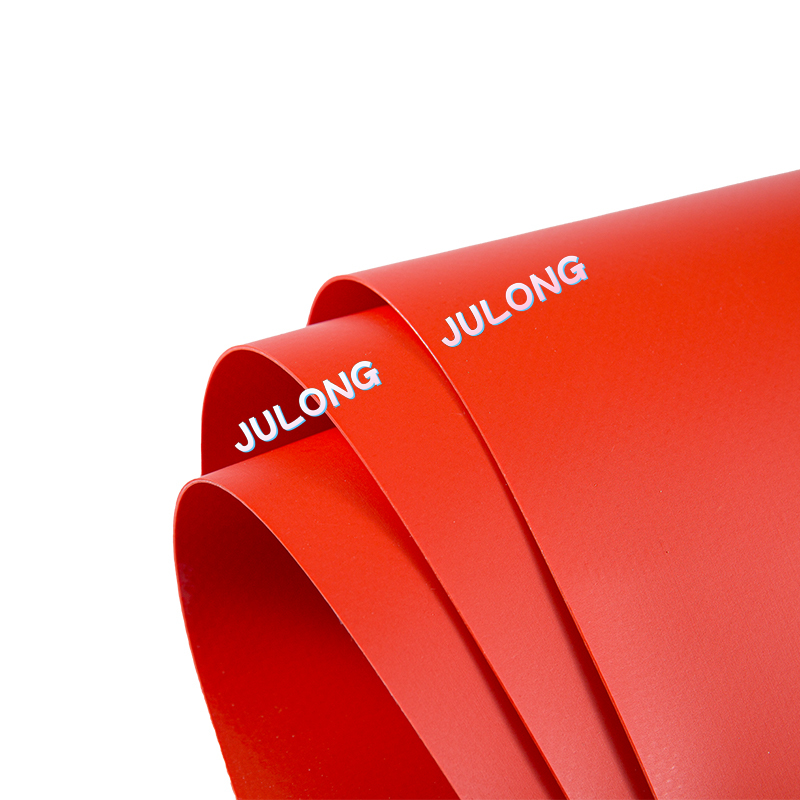
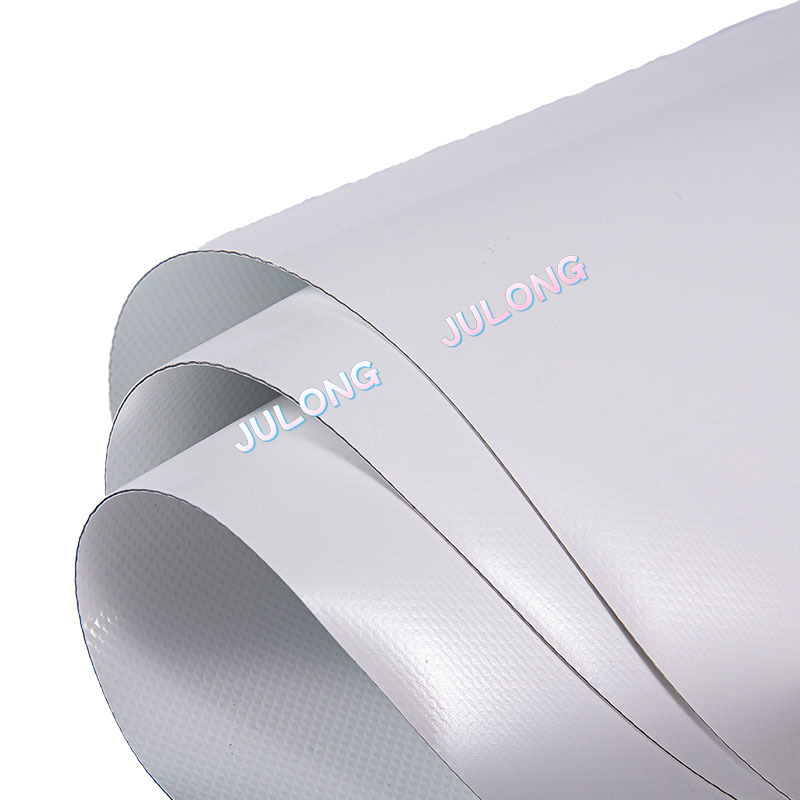
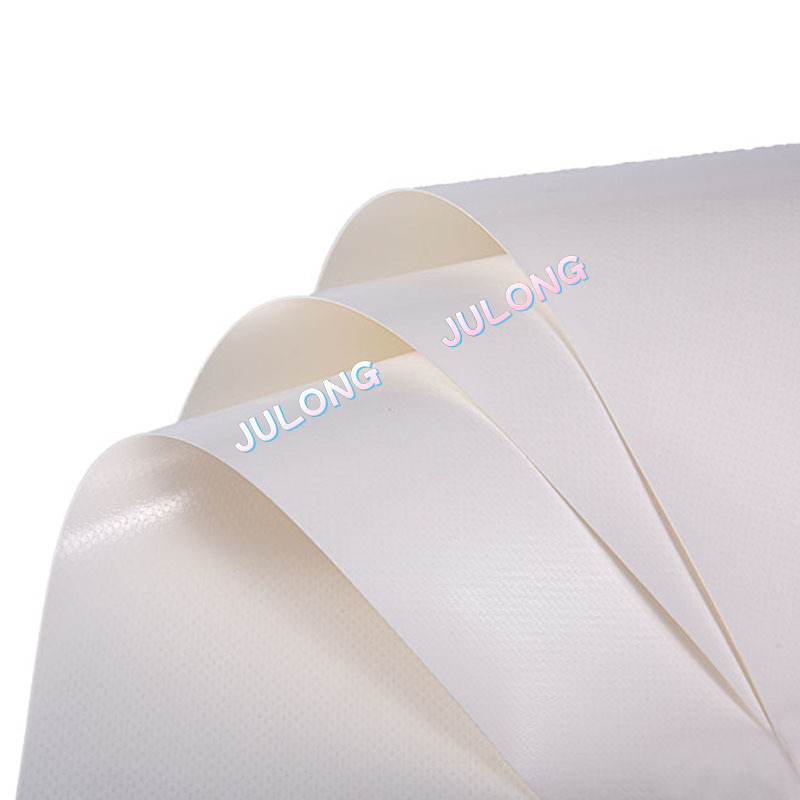
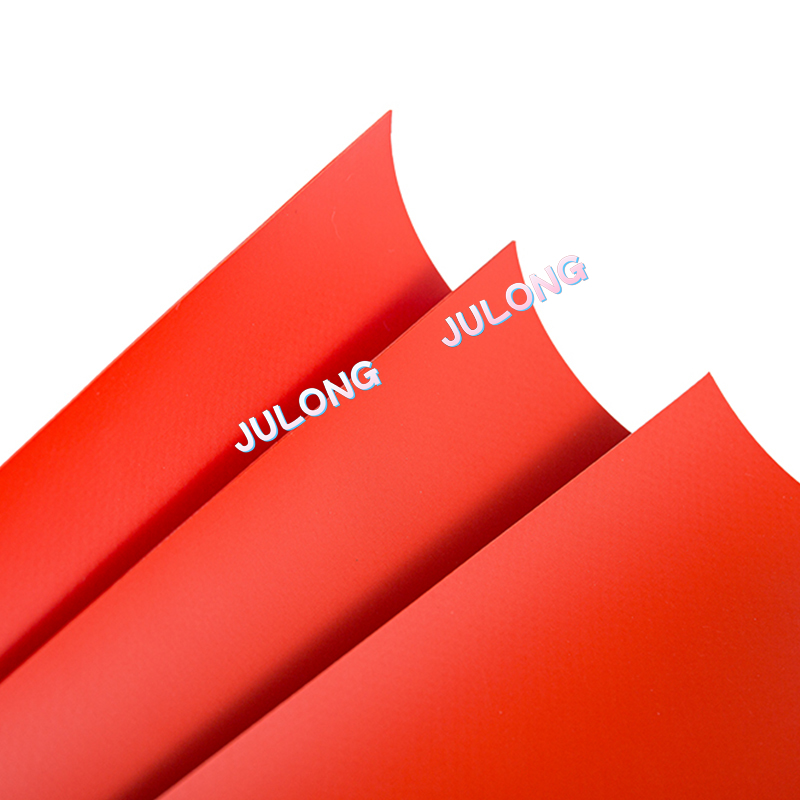
Vinyl tarps — made from PVC-coated polyester fabric — are the industry standard for professional flatbed trucking, dump truck covers, and heavy commercial applications. The polyester scrim provides exceptional tear strength and dimensional stability, while the PVC coating delivers superior waterproofing, UV resistance, and abrasion resistance compared to PE. Vinyl tarps are available in weights from 13 oz/sq yd (standard duty) to 22 oz/sq yd (super heavy-duty), with heavier grades used for steel hauling, demolition debris, and extreme-weather operations. A quality 18 oz vinyl flatbed tarp will typically withstand 3–5 years of daily commercial use before requiring replacement, making the higher upfront cost highly justified for operators who tarp loads every working day. Vinyl tarps can be heat-welded for seam repairs, and replacement grommets can be installed in the field, giving them a long serviceable life with proper maintenance.
Canvas tarps made from heavy cotton duck fabric were the original truck cover material and remain in use for specific applications. Canvas breathes, which prevents condensation buildup under the tarp — an important property when covering lumber, agricultural commodities, or any cargo that needs air circulation to prevent mold or moisture damage from trapped humidity. Canvas is also softer and less abrasive than vinyl, making it suitable for covering finished goods, machinery with painted or polished surfaces, and vehicles. The primary drawbacks of canvas are its weight (significantly heavier than vinyl at equivalent sizes), its tendency to mildew if stored wet, and the need for periodic re-waterproofing treatments as the natural wax treatments degrade over time. For operators whose primary concern is breathability rather than absolute waterproofing, canvas remains a relevant choice.
Mesh tarps are an open-weave vinyl or polyethylene fabric that allows air and water to pass through while containing loose materials. They are specifically designed for dump trucks, landscaping trucks, and agricultural haulers transporting materials like gravel, mulch, topsoil, sand, and grain. The open weave eliminates the billowing and wind resistance problems associated with solid tarps at highway speed, dramatically reducing aerodynamic drag and the risk of the tarp tearing loose. Mesh tarps used on dump trucks typically feature reinforced edges and heavy-duty grommets rated for the tension of bungee cord or ratchet strap systems. They comply with debris containment regulations in most jurisdictions while being significantly easier to handle than equivalent-sized solid tarps, particularly in windy conditions.
Matching the tarp specification to the specific truck and cargo type is the single most important step in the selection process. The table below summarizes the recommended specifications for the most common truck cover applications.
| Application | Recommended Material | Minimum Weight | Key Feature Needed |
| Flatbed — general freight | Vinyl (PVC) | 18 oz/sq yd | Waterproof, UV-resistant, grommet spacing ≤24 in |
| Flatbed — steel / heavy materials | Heavy vinyl | 20–22 oz/sq yd | Abrasion-resistant, double-stitched edges |
| Dump truck — loose materials | Mesh vinyl | 14 oz/sq yd (mesh weight) | Wind resistance, debris containment |
| Pickup bed — casual use | PE or light vinyl | 8–12 oz/sq yd | Lightweight, easy to fold and store |
| Agricultural / grain hauling | Canvas or vinyl | 15–18 oz/sq yd | Breathability (canvas) or full waterproof (vinyl) |
| Lumber / building materials | Canvas or medium vinyl | 15–18 oz/sq yd | Soft surface, breathability, UV protection |
Correct sizing is critical and consistently under-estimated by first-time buyers. A tarp that barely reaches the edges of your load provides minimal protection and puts enormous stress on the grommets and tie-down points, accelerating wear and tear. The general rule for flatbed truck tarps is to add at least 24–36 inches of overhang on all sides beyond the load dimensions to allow for proper draping and secure fastening. For a standard 48-foot flatbed trailer with a load height of 4 feet, this typically means specifying a tarp measuring 24 feet wide by 27 feet long at minimum — and many experienced operators go larger to account for uneven or irregularly stacked loads.
For dump trucks, sizing depends on the body dimensions of the specific truck model. Most dump truck tarps are custom-cut or selected from standard sizes designed to fit common body lengths (14 ft, 16 ft, 18 ft, 20 ft). Measure the interior length, width, and body height of your dump truck before ordering, and confirm the tarp's dimensions allow for at least 12–18 inches of overlap on all sides when the body is in the raised position for debris loading. Tarps ordered too small for the dump body will not seal the load effectively and will come loose under highway speed airflow.
Grommets are the failure point of most truck tarps. A tarp with poor-quality grommets will tear through at the tie-down points long before the main body of the tarp shows wear. For professional trucking use, look for solid brass or stainless steel grommets with a minimum internal diameter of 3/8 inch, spaced no more than 24 inches apart along all edges. D-ring reinforced grommets — where the grommet is backed by a welded D-ring and a heavy patch of additional fabric — provide significantly greater pull-out resistance and are worth the premium cost for high-stress applications like flatbed hauling at highway speed.
Fastening methods vary by application. Bungee cords are quick and convenient for pickup beds and light-duty use but provide inadequate holding force for highway-speed flatbed applications. Ratchet straps with J-hooks or snap hooks provide far greater securing force and are the correct choice for flatbed loads. Rope and hook systems remain common on dump trucks and are effective when the rope is run through every grommet in a continuous pattern rather than spot-fastened at intervals. Electric or manual tarp roller systems — which spool the tarp onto a tube mounted at the front or rear of the trailer — are the most operationally efficient solution for flatbed operators who tarp loads multiple times per day, as they allow one operator to deploy or retract a full tarp in under two minutes without climbing on the load.
Even the best truck tarp will fail prematurely if it is not properly maintained and stored. A few simple habits can double or triple the working life of a quality vinyl or canvas tarp, representing significant cost savings over time.
Truck operators must understand that tarp regulations vary significantly by jurisdiction, cargo type, and road classification. In the United States, federal regulations under FMCSA 392.100 require that cargo be adequately covered to prevent spillage or falling objects, but specific tarp standards are largely governed at the state level. Many states — including California, Florida, and Texas — have explicit "spill prevention" statutes that impose fines on operators whose loads shed material onto roadways, regardless of whether a tarp was technically present. In these jurisdictions, a mesh tarp over a gravel load that allows fine particles to escape may still constitute a violation.
In Canada and the European Union, similar requirements apply under transportation safety codes, with EU member states generally requiring full containment of loose loads on public roads. For operators crossing state or national borders, it is advisable to research the most stringent jurisdiction on your route and select a tarp system that complies with that standard. Carrying documentation of tarp specifications — material weight, coverage dimensions, fastening method — can also be useful during roadside inspections in jurisdictions where enforcement officers have discretion in evaluating whether a load is "adequately covered." A properly specified, correctly installed truck tarp is not just a best practice — it is a legal requirement that every commercial operator should meet on every loaded trip.



Win-win cooperation with new and old customers, create the future.

No. 9, Xingang Avenue, Ningguo City, Anhui Province, China.


+86 15397280550
Copyright © Anhui Longsheng New Material Technology Co., Ltd. Architecture Membrane Material Manufacturers Outdoor PVC Waterproof Fabric Supplier
