
 English
 عربى
عربىTarp for Truck Cover




Content
PTFE architecture membrane is a fabric-based building material made by coating a woven fiberglass base with polytetrafluoroethylene, the same chemical family known for its non-stick and highly weather-resistant properties. This combination produces a flexible yet extremely durable sheet material capable of spanning large open areas without the need for extensive internal support structures. Architects and engineers use it as a lightweight alternative to traditional roofing and cladding systems, particularly for stadiums, airports, exhibition halls, and other large-span public buildings where open, column-free interiors are desirable.
The membrane functions as part of a tensile structure system, meaning it derives its strength from being stretched tight across a supporting framework of cables, masts, or arches rather than relying on rigid beams. Once tensioned, the fabric becomes a structural surface capable of carrying wind and snow loads while also serving as a weatherproof enclosure. This dual role as both structure and skin is one of the defining characteristics that separates PTFE membrane construction from conventional building methods.
The strength of a PTFE membrane comes primarily from its woven fiberglass core, which provides high tensile strength and dimensional stability. The PTFE coating itself contributes relatively little structural strength but is essential for protecting the fiberglass from moisture, ultraviolet exposure, and chemical degradation. Without this coating, the fiberglass would quickly weaken when exposed to rain, sunlight, and airborne pollutants over time.
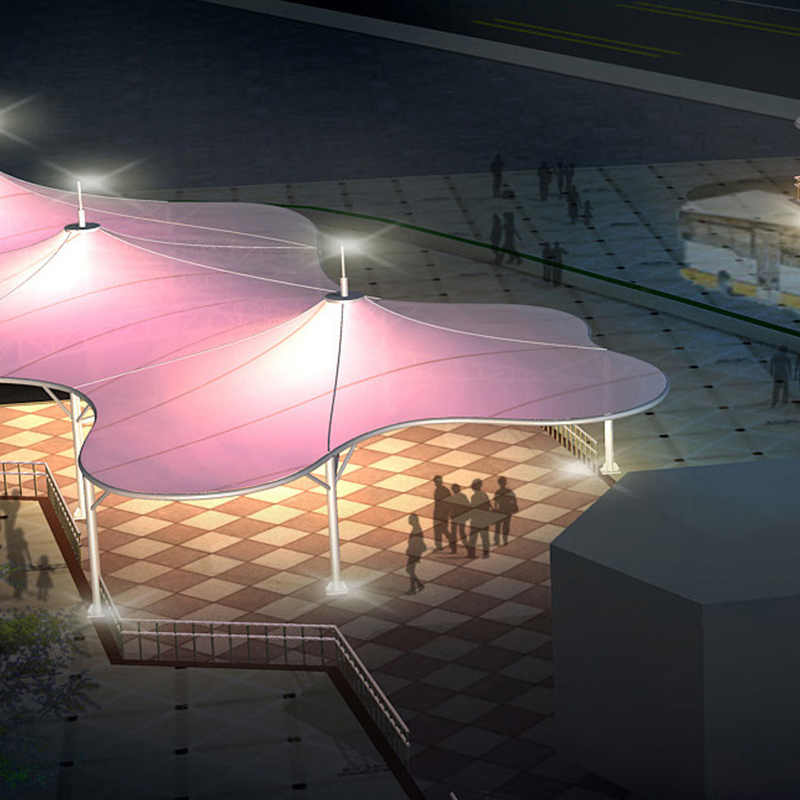
PTFE architecture membrane has become a preferred material for long-span structures largely because of a specific set of performance characteristics that are difficult to match with conventional materials. Understanding these properties helps explain why the material is chosen for high-profile, long-life buildings rather than temporary installations alone.
| Property | Practical Benefit |
| Chemical inertness | Resists pollution, acid rain, and industrial fumes without degrading |
| UV resistance | Maintains color and strength under decades of sun exposure |
| Self-cleaning surface | Rain naturally washes away surface dirt, reducing maintenance |
| Fire resistance | Meets stringent fire codes required for public assembly buildings |
| Long service life | Can last 25 to 35 years or more with proper installation |
These properties combine to give PTFE membrane one of the longest service lives among fabric architecture materials, often outlasting alternatives such as PVC-coated polyester by a significant margin. This longevity is a major reason the material is selected for permanent structures rather than short-term or seasonal installations.
One of the most distinctive features of PTFE membrane is its ability to transmit diffused natural light into interior spaces, typically allowing between 10 and 20 percent light transmission depending on the coating thickness and fabric weave. This creates naturally lit interiors during daytime hours, reducing dependence on artificial lighting and giving large enclosed spaces a bright, open atmosphere that solid roofing materials cannot replicate.
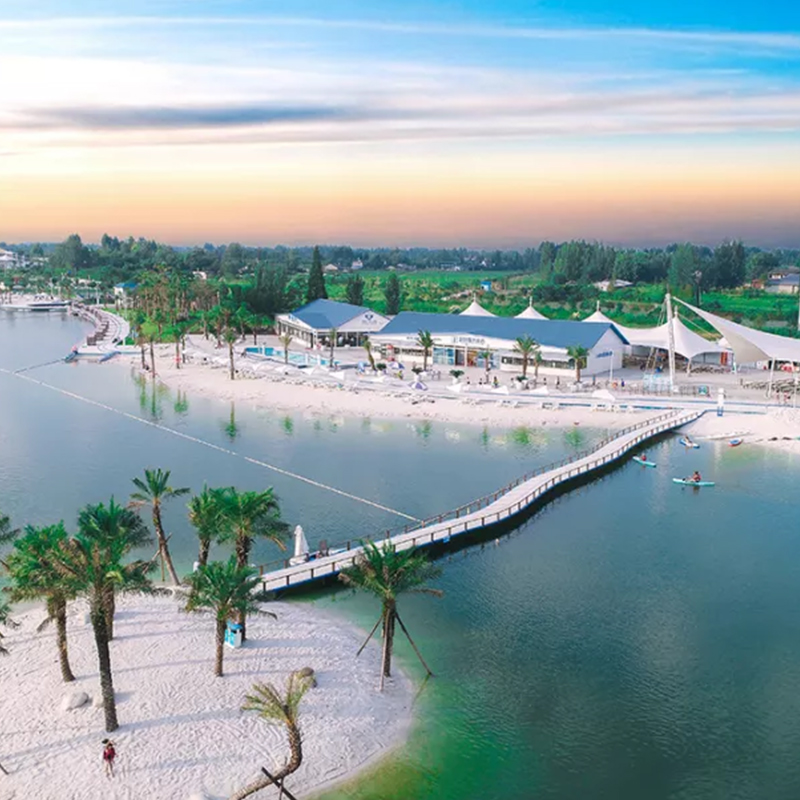
PTFE membrane structures have been adopted across a wide range of building types where long spans, lightweight construction, or distinctive architectural form are priorities. Its use has expanded significantly since early large-scale installations demonstrated the material's durability and design flexibility.
Beyond its functional properties, PTFE membrane offers architects significant design freedom. Because tensile structures rely on curved, tensioned surfaces rather than flat panels, they naturally lend themselves to sculptural, distinctive rooflines that would be costly or structurally impractical to achieve with steel or concrete. This has made PTFE membrane a popular choice for landmark buildings intended to serve as visual icons for cities or institutions.
Successfully incorporating PTFE membrane into a building design requires careful attention to structural engineering, since the material behaves very differently from rigid construction materials. The membrane must be pre-tensioned correctly during installation to avoid ponding of water or snow, which can create dangerous load concentrations if the fabric is not shaped with adequate slope and curvature.
Because of these engineering demands, PTFE membrane projects typically involve specialized structural fabric engineers in addition to conventional architects, ensuring that the tensioning, patterning, and support systems work together as an integrated whole rather than as separate components.
Before installation, the membrane surface is digitally modeled and divided into individual fabric panels, a process known as patterning. Each panel is cut and welded together using heat-sealing techniques that fuse the PTFE coating without puncturing the underlying fiberglass. Precision in this process is critical, since even small errors in panel shape can lead to wrinkling, uneven tension, or premature wear once the structure is installed and exposed to real-world loads.
Although PTFE membrane is often praised for its low maintenance requirements, periodic inspection and care are still necessary to achieve its full expected lifespan. Building owners who follow a structured maintenance schedule typically avoid costly repairs and extend the useful life of the roof significantly beyond the minimum warranty period.
While PVC-coated polyester membranes are less expensive upfront, they generally have a shorter service life, often in the range of 15 to 20 years, and are more prone to discoloration and surface degradation over time. PTFE membrane costs more initially but frequently proves more economical over the full building lifecycle due to its extended durability, reduced maintenance needs, and resistance to environmental degradation, making it the preferred choice for permanent, high-visibility structures.
For architects, engineers, and building owners considering PTFE membrane for an upcoming project, several practical factors should guide the decision-making process beyond aesthetics alone. Evaluating these considerations early helps avoid design conflicts or budget surprises later in the project timeline.
When these factors are carefully evaluated and the design, engineering, and fabrication processes are handled by experienced specialists, PTFE architecture membrane can deliver a durable, visually striking, and highly functional building envelope that performs reliably for decades. Its unique combination of strength, weather resistance, and natural light transmission continues to make it one of the most compelling material choices for ambitious long-span architectural projects around the world.
Win-win cooperation with new and old customers, create the future.

No. 9, Xingang Avenue, Ningguo City, Anhui Province, China.


+86 15397280550
Copyright © Anhui Longsheng New Material Technology Co., Ltd. Architecture Membrane Material Manufacturers Outdoor PVC Waterproof Fabric Supplier
