
 English
 عربى
عربىTarp for Truck Cover




Content
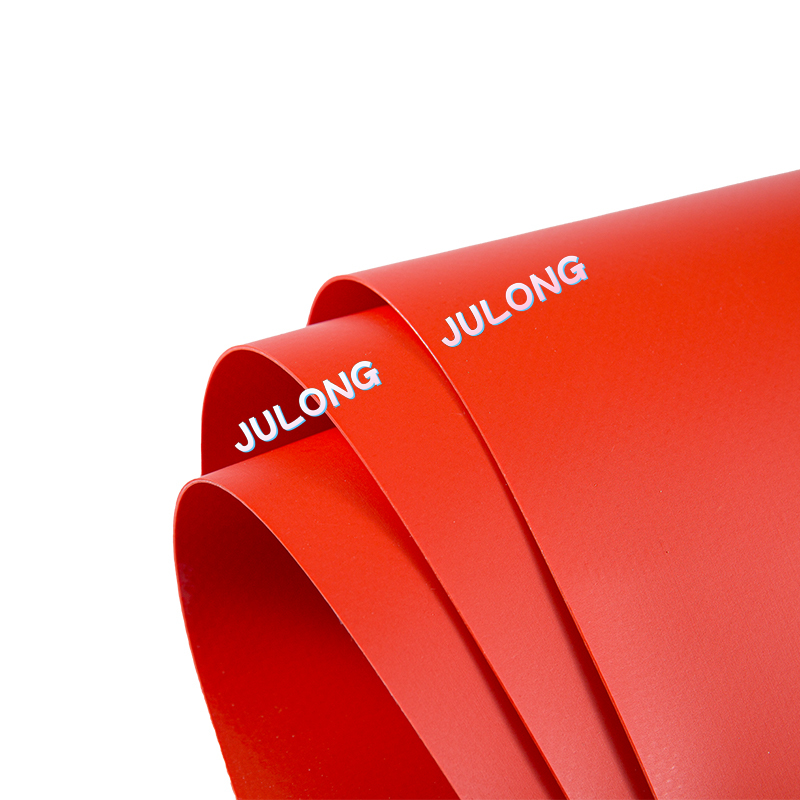
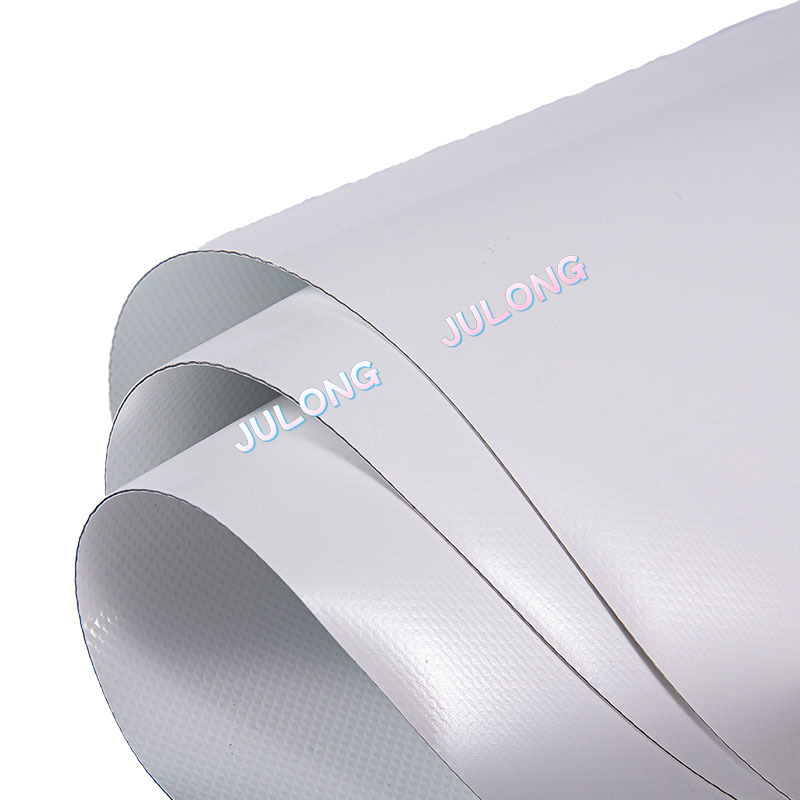
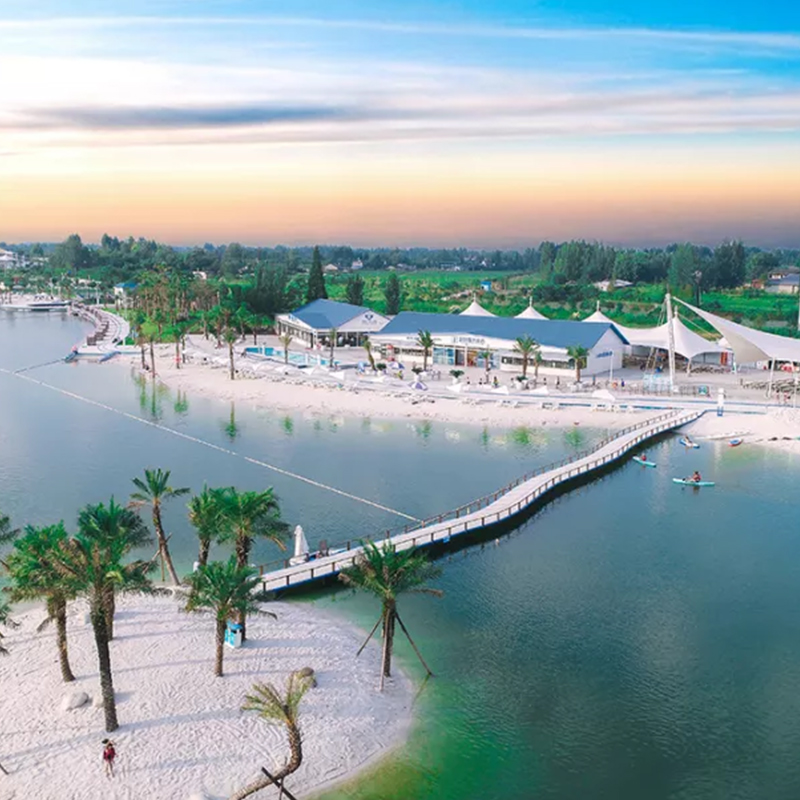
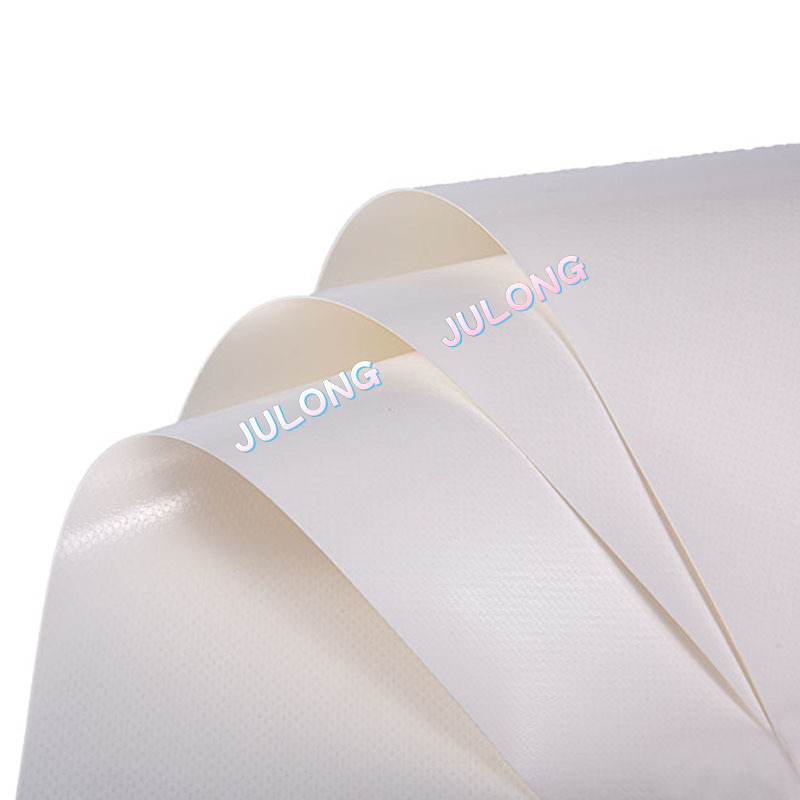
Marquee tents are exposed to constant sun, wind, and rain, so the fabric covering them has to do far more than simply look presentable. PVC coated polyester fabric has become the standard material for marquee and event tents because it combines a strong woven polyester base with a polyvinyl chloride coating that seals the weave, blocks water, and resists UV degradation. This structure gives event organizers and tent manufacturers a covering that stays flexible in cold weather, holds its shape under wind loads, and can be cleaned and reused season after season. Understanding how this fabric is built and what specifications matter helps buyers avoid tents that sag, leak, or fail prematurely.
Not all PVC coated fabrics perform the same way, even if they look similar on a roll. Buyers should compare suppliers on a handful of technical properties rather than price alone.
Tensile strength describes how much pulling force the fabric can withstand before it fails, while tear resistance measures how well the material resists a tear spreading once it has started, for example from a stake pull or a sharp edge. Both figures are tied directly to the base fabric's weave density and yarn strength, not just the coating thickness. A fabric with a high PVC coating weight but a weak polyester scrim will still tear easily under wind gusts.
Waterproof performance depends on both the coating and how panels are joined. PVC coated fabric allows for hot-air or high-frequency welded seams, which create a continuous waterproof bond rather than a stitched seam that needs additional taping. Buyers should ask suppliers about hydrostatic head ratings, which indicate how much water pressure the fabric can resist before leaking.
Extended sun exposure breaks down untreated PVC over time, causing fading, brittleness, and cracking. Quality marquee fabric includes UV stabilizers in the coating formulation and often a top lacquer finish that protects against yellowing and dirt pickup, keeping white or colored tents looking clean for longer rental or ownership cycles.
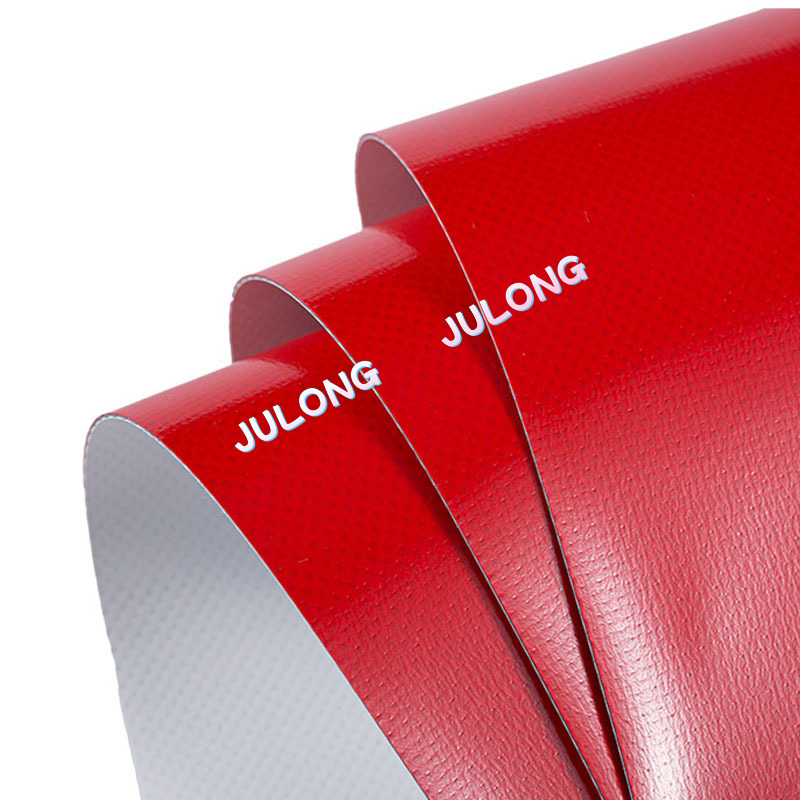
Because marquee tents are used for public events, most markets require fabric to meet a recognized fire retardant standard such as DIN 4102 B1, NFPA 701, or CFM (California Fire Marshal) certification. Fire retardant additives are typically built into the PVC compound during manufacturing rather than applied as a surface spray, which keeps the protection effective through cleaning and years of use.
Fabric weight, usually measured in grams per square meter (g/m²), is one of the fastest ways to match a material to its intended tent size and use case. Heavier fabric generally means greater strength and durability, but it also adds cost and weight to the structure, so matching weight to application avoids unnecessary expense.
| Weight (g/m²) | Typical Use | Notes |
| 500-550 | Small pop-up and garden marquees | Lightweight, easy to fold and transport |
| 650-700 | Mid-size party and wedding tents | Balanced strength and handling weight |
| 850-900 | Large event and exhibition tents | Higher wind and load resistance |
| 1050 and above | Warehouse, industrial, and semi-permanent structures | Maximum durability for long-term installations |
Buyers sometimes compare PVC coated fabric with PVDF-topcoated PVC fabric or PTFE membrane. Standard PVC coated fabric is more cost-effective and easier to weld on-site, making it well suited to portable and rental marquee tents that are set up and taken down repeatedly. PVDF-topcoated versions add a fluoropolymer layer over the PVC for improved self-cleaning and longer UV life, which suits tents that stay installed for extended periods. PTFE membrane, by contrast, is a premium option generally reserved for permanent architectural structures rather than marquee tents, since it is more rigid, more expensive, and harder to fold or transport. For most marquee and event tent applications, standard or lacquer-finished PVC coated polyester remains the practical choice.
Proper handling and storage significantly affect how long PVC coated marquee fabric lasts, regardless of its initial quality. The following practices help protect the investment:
When sourcing PVC coated marquee tent fabric, it is worth asking suppliers for third-party test reports covering tensile strength, tear strength, and fire retardancy rather than relying on marketing specifications alone. Requesting physical samples also allows buyers to check the coating's flexibility in cold conditions and confirm there is no cracking when the fabric is folded tightly. Suppliers who can provide consistent roll widths, color matching across batches, and welding support are generally better positioned to support tent manufacturers who need predictable, repeatable results across large production runs. Building a relationship with a supplier that understands both the technical requirements and the practical realities of tent manufacturing ultimately leads to a more reliable finished product for end users.
Win-win cooperation with new and old customers, create the future.

No. 9, Xingang Avenue, Ningguo City, Anhui Province, China.


+86 15397280550
Copyright © Anhui Longsheng New Material Technology Co., Ltd. Architecture Membrane Material Manufacturers Outdoor PVC Waterproof Fabric Supplier
