
 English
 عربى
عربىTarp for Truck Cover




Content
Walk through the lower bowl of a modern professional stadium and you will likely look up at a translucent, pillow-like roof that lets daylight wash over the seats. That familiar roof material is ETFE, and it has quietly changed the way large sports venues are designed. The conclusion from recent projects is clear: ETFE gives stadium owners the open-air experience of a retractable roof without the massive steel mechanisms and the cost that a moving structure demands. But for every arena that needs a 20,000-square-meter canopy, there are many more community sports facilities where a PVC/PVDF membrane roof is the more practical answer. The difference begins with the material itself.
ETFE, short for ethylene tetrafluoroethylene, is a fluorine-based film that weighs only about 1 percent of an equally sized pane of glass. A stadium roof does not simply use one layer of this film. Engineers fabricate two or three layers into air-filled cushions, each welded along the edges and supported by an aluminium frame. The cushions sit on a steel cable net or a space frame, and a small air pump maintains their shape throughout the building's life.
This system creates a roof that is transparent enough to grow real turf, strong enough to span an entire pitch without columns, and light enough to reduce the amount of structural steel by a significant margin. ETFE also handles intense sunlight without losing strength, and its non-stick surface sheds dust with each rain. The engineering advantages of ETFE membrane structures have been documented widely, but the essentials are the same: light, long spans and weather protection.
Owners and design teams choose ETFE for a set of practical reasons that go beyond visual appeal:
The comparison below shows how ETFE compares with other common tensile roof materials. The numbers should be treated as typical ranges because every project has different geometry, climate and support conditions.
| Property | ETFE film | PTFE-coated fiberglass | PVC/PVDF membrane |
|---|---|---|---|
| Weight per square metre | 1 - 2 kg | 1.5 - 2 kg | 0.9 - 1.8 kg |
| Light transmission | 30 - 90% | 8 - 20% | 5 - 40% |
| Typical clear span | 100 m and above | 30 - 60 m | 20 - 45 m |
| Relative installed cost | High | Medium-high | Low to medium |
These differences explain why ETFE receives so much attention in stadium projects: it offers the largest span, the highest light levels and the most open feel, even though it also sits at the top end of the budget.
U.S. Bank Stadium in Minneapolis became a turning point when its translucent ETFE roof made the venue feel almost outdoor while protecting players and spectators from harsh weather. The roof area covers roughly 19 acres, and the design influenced several later American football stadium projects.
SoFi Stadium in Los Angeles pushed the concept further. Its cable net roof is the largest ever built, with 302 ETFE panels, each about 18.3 by 18.3 metres. The panels are integrated with 46 mechanised vents that release heat as it builds up inside the bowl.
Allegiant Stadium in Las Vegas uses an ETFE system with air-supported cushions in aluminium framing, providing daylight while managing desert glare and heat. The new Nissan Stadium in Nashville is following the same route, with a cable-stayed ETFE roof that entered its installation phase in 2025. Each of these projects selected ETFE for a different reason, but the recurring theme is that natural light, long spans and reduced structural load were decisive factors.
High-profile examples can make ETFE seem like the only roof material worth considering. In reality, ETFE has limitations that matter on smaller or budget-sensitive projects. Its thermal insulation value is low, so indoor temperature control depends heavily on HVAC design. Heavy rain can create noise inside the bowl. The air-supply network adds mechanical complexity, and the film can be damaged by careless maintenance or vandalism. For a venue that will host year-round training and community events, these trade-offs can outweigh the visual advantages.
For many sports facilities, a PVC/PVDF membrane structure provides a more balanced solution. A membrane made from polyester fabric with a PVC top coat can be printed in different light-transmission values, is easy to repair on site, and costs a fraction of an ETFE cladding package. A common and reliable choice in this category is a 1250g PVDF architecture membrane material, which uses a PVDF surface layer to resist UV degradation and dirt pickup over its service life.
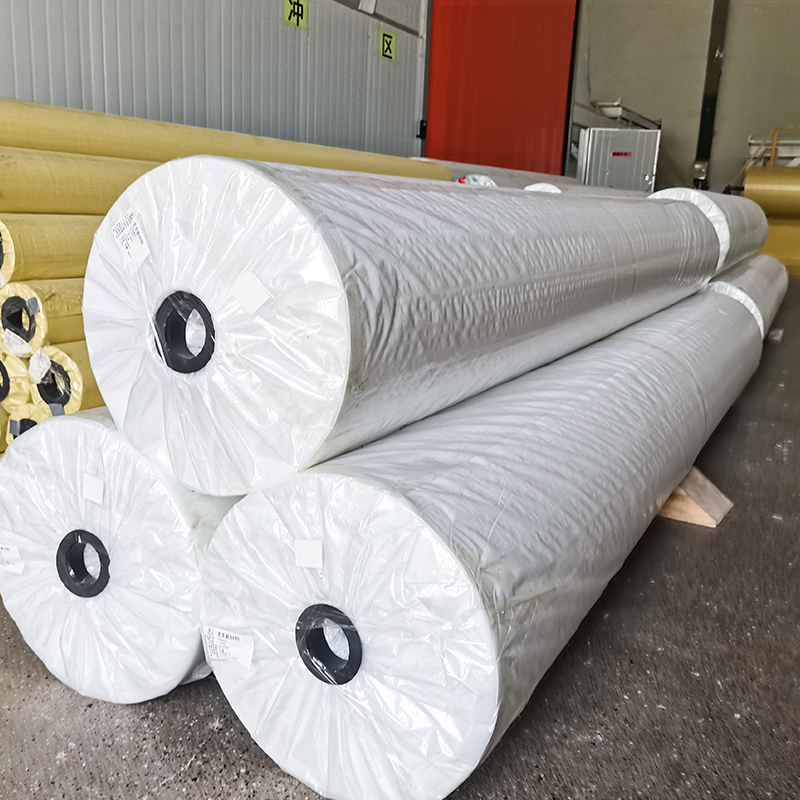 1250G PVDF Architecture Membrane Material Suppliers, FactoryAs 1250G PVDF Architecture Membrane Material Suppliers and PVDF Membrane Material Factory, Longsheng offer Custom 1250G PVDF Architecture...View Product →
When the roof needs to be lighter and the project budget is still limited, a 1100g PVDF tensile membrane fabric gives good dimensional stability for canopies over bleachers, training pitches and outdoor exercise areas. It transmits enough soft daylight for sports use but avoids the glare and greenhouse effect that a fully transparent roof can create.
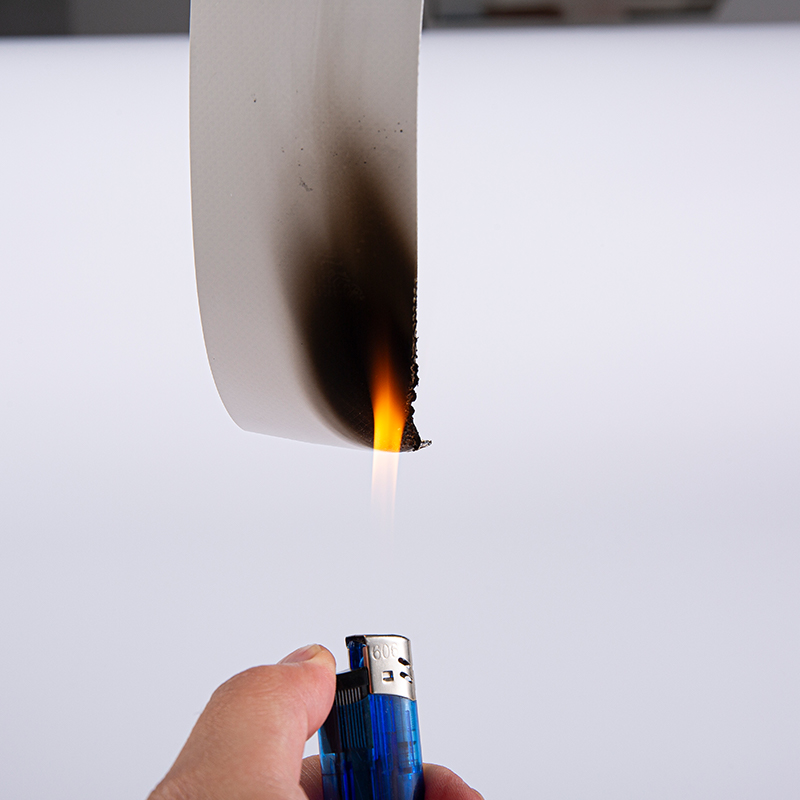 PVDF PVC Tensile Membrane Fabric Suppliers, FactoryLongsheng is China 1100G PVDF Tensile Membrane Fabric Suppliers and PVDF PVC Tensile Membrane Fabric Factory, Custom 1100G PVDF PVC Tensi...View Product →
Whether the final decision is ETFE or a coated fabric, the procurement team should evaluate a membrane roof beyond the initial material price. The following points have the largest impact on long-term performance:
Another specification worth knowing is a 950g PVDF and acrylic building membrane material, which combines a PVDF surface and an acrylic finish. It is often chosen for tensile roofs and facade screens where moderate span, good light diffusion and an economical price point are all needed.
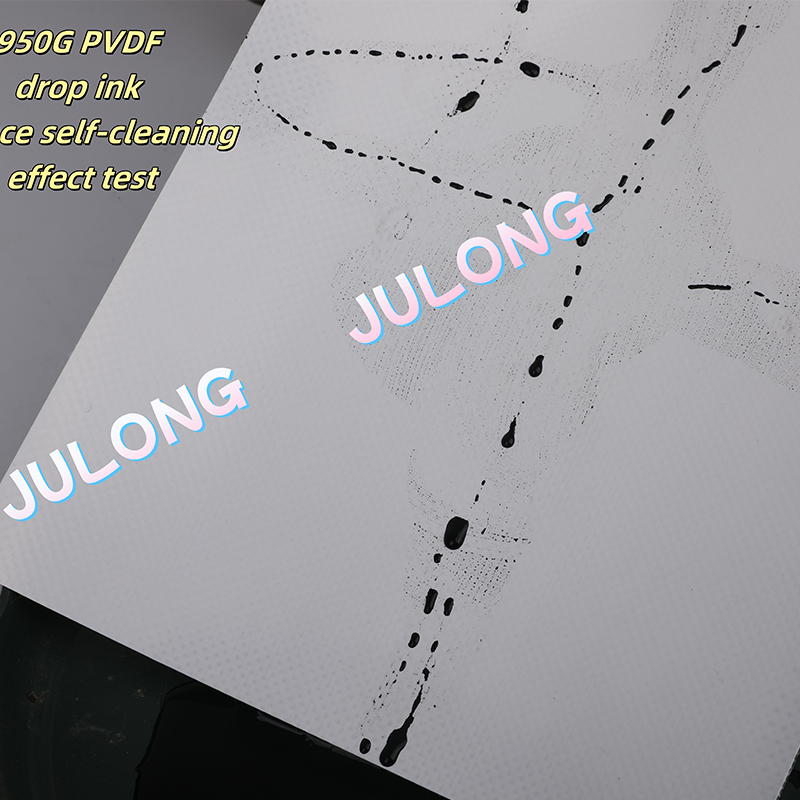 950G PVDF Building Membrane Material Manufacturers, SuppliersLongsheng is China PVDF Building Membrane Material Manufacturers, Acrylic Building Membrane Material Suppliers and Factory, Custom 950G P...View Product →
ETFE has set a new standard for stadium roof design by proving that a lightweight translucent roof can replace heavy steel and glass. Its ability to create long, column-free, daylit spaces is genuinely impressive. Yet the correct choice depends on the project. A 60,000-seat NFL venue with a prime television audience and a luxury budget will reasonably choose ETFE. A regional sports hall, a club training facility or a temporary event structure will get more value from a properly engineered PVC/PVDF membrane. The best approach is not to start with a material but with the performance the building needs, the local climate, the maintenance capacity of the owner, and the structural budget. With clear criteria, both ETFE and coated fabric roofs can deliver a stadium that looks and performs the way it should.
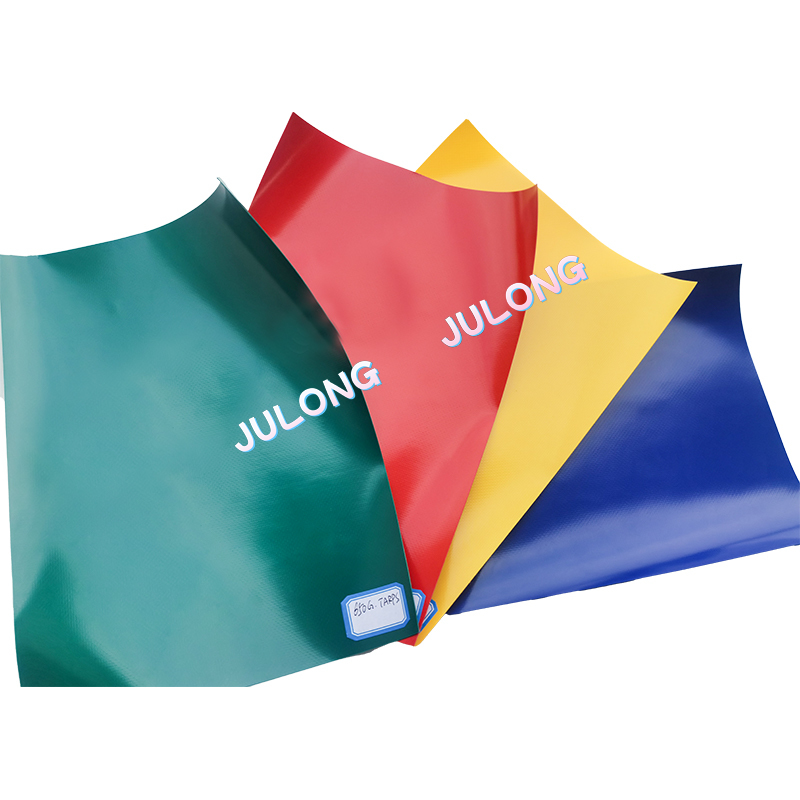
Win-win cooperation with new and old customers, create the future.

No. 9, Xingang Avenue, Ningguo City, Anhui Province, China.


+86 15397280550
Copyright © Anhui Longsheng New Material Technology Co., Ltd. Architecture Membrane Material Manufacturers Outdoor PVC Waterproof Fabric Supplier
