
 English
 عربى
عربىTarp for Truck Cover




Content
An entrance canopy spanning 40 feet can look elegant and perform flawlessly for decades when the membrane and support steel are matched to the real wind and snow loads. It can also fail in the first major storm if the fabric weight and coating are chosen purely for visual appeal. In our daily work as a manufacturer of coated polyester and architectural membrane materials, we see the same pattern again and again: the fabric is the least understood and most critical component of any fabric canopy structure. A small change in surface coating, tensile strength, or seam detailing can decide whether the structure needs replacement in five years or still functions after twenty.
This article walks through the common types of fabric canopy structures, the material properties that matter, and the specification steps that keep projects on budget and on schedule.
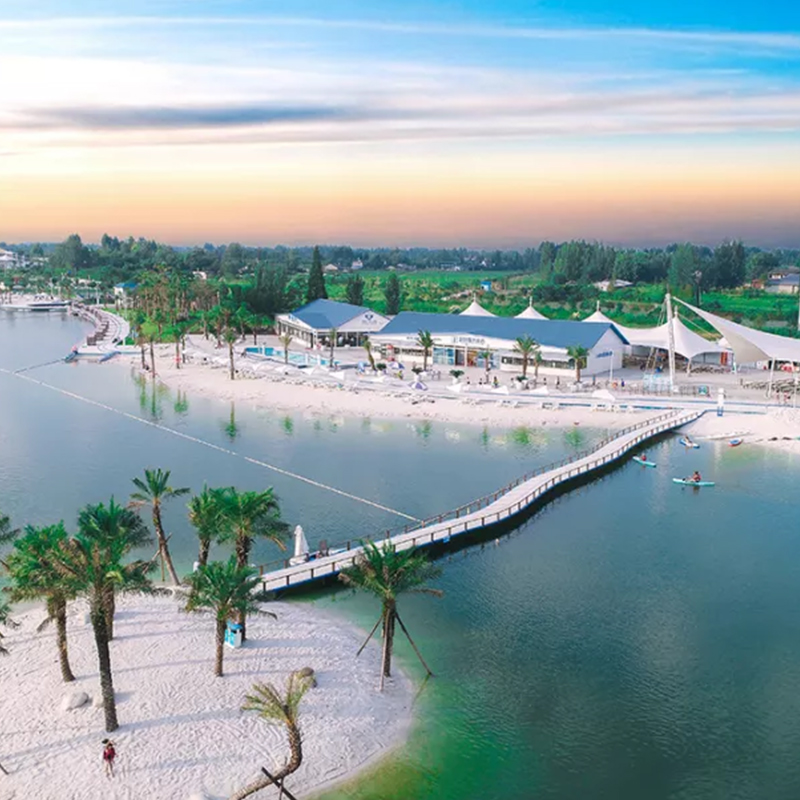
Fabric canopy structures are lightweight tensioned assemblies that use a flexible membrane to provide shade, shelter, or weather protection over an open space. The membrane is stretched over a steel or aluminum frame, or directly between anchor points, so that its own pre-stress resists wind uplift and maintains a clean, predictable shape. Unlike solid roofs, fabric canopies allow natural light through, reduce heat gain, and create a dramatic architectural form at a relatively low structural weight.
They are used for entrance canopies, walkway covers, parking shade, outdoor event spaces, amphitheaters, and loading areas. In most cases the membrane is a polyester base fabric coated with PVC and protected by a PVDF or acrylic finish, although PTFE and ETFE membranes are used for high-end permanent projects.
The most useful starting point is to understand the main structural families. Each family uses a different relationship between the membrane and the supporting framework, which affects the fabric grade, edge details, and installation method.
Tensile membrane canopies are the most common type for permanent commercial and public installations. Panels are cut and welded into precisely calculated shapes, then pre-stressed over a cable and mast system to form double-curved surfaces. The curvature prevents flapping and channels water to controlled drainage points. These canopies are often specified for building entrances, walkways, and public gathering areas.
For this type, a 1100 g PVDF tensile membrane fabric provides a good balance of tear strength, dimensional stability, and resistance to UV and dirt pickup. The PVDF top coat keeps the canopy bright and reduces long-term maintenance.
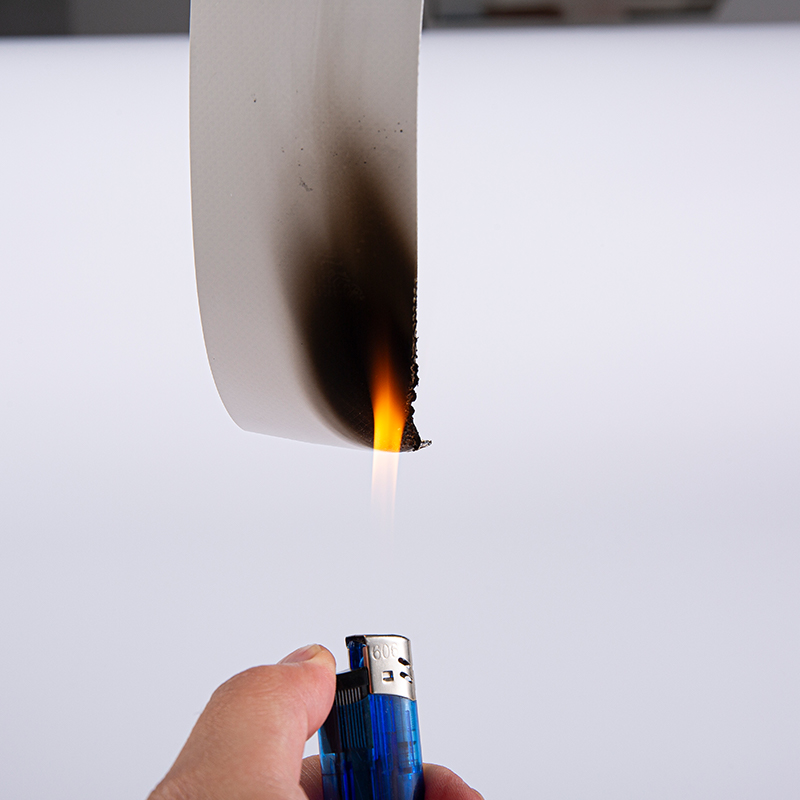 PVDF PVC Tensile Membrane Fabric Suppliers, FactoryLongsheng is China 1100G PVDF Tensile Membrane Fabric Suppliers and PVDF PVC Tensile Membrane Fabric Factory, Custom 1100G PVDF PVC Tensi...View Product →
Shade sails use three or four anchor points to create a lightweight, open shade structure with a relaxed form. Because the fabric is not tensioned as highly as a tensile membrane, it relies on cable trimming and adjustable hardware to keep the shape taut. Shade sails are common in playgrounds, courtyards, parking lots, and poolside areas where airflow matters as much as shade.
Many shade sails are made from an open-weave mesh rather than a solid fabric. The 400 g PVC-coated polyester mesh fabric for outdoor sunshade blocks a significant portion of solar radiation while allowing wind to pass through, which reduces the load on supports. Solid shade sails are also available, but they require more attention to drainage and flutter.
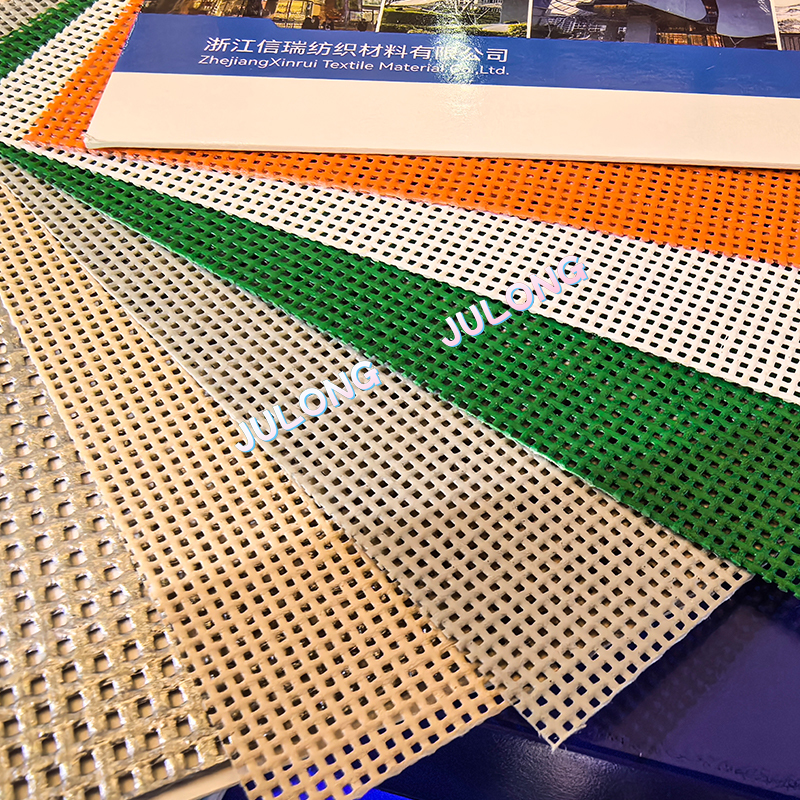 400G PVC Coated Polyester Mesh Fabric For Outdoor Sunshade Suppliers, Company - Longsheng New Material, China 400G PVC Coated Polyester Mesh Fabric For Outdoor Sunshade Suppliers and Company, Custom 400G PVC Coated Po...View Product →
Cantilevered canopies project from a wall or column without front corner posts, which makes them practical for loading docks, building entrances, and fuel stations. Arch canopies use curved ribs to support the membrane and are efficient for long walkways or vehicle access lanes.
Both types benefit from a heavier, dimensionally stable membrane. A 1250 g PVDF architecture membrane material offers higher tensile strength and better resistance to local deformation, which is important when the canopy has a wide unsupported edge or is located in an exposed area.
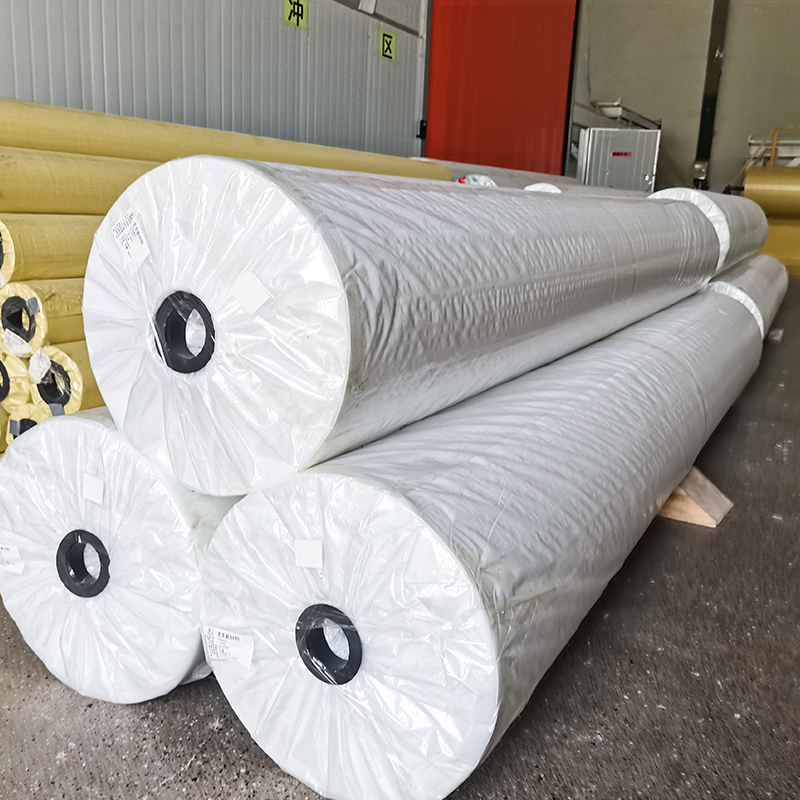 1250G PVDF Architecture Membrane Material Suppliers, FactoryAs 1250G PVDF Architecture Membrane Material Suppliers and PVDF Membrane Material Factory, Longsheng offer Custom 1250G PVDF Architecture...View Product →
Frame-supported canopies, often called marquees or large tents, use an independent aluminum or steel frame rather than relying on membrane pre-stress for structural stability. They are common for events, temporary warehousing, and semi-permanent outdoor enclosures. The membrane is draped or clamped over the frame, so welding and edge reinforcement play a larger role in durability.
For these structures, PVC-coated tent fabrics in the 650-850 g range are standard. The construction is simpler than a tensile membrane, but the design and material selection still determine how many seasons the canopy will survive.
| Canopy type | Typical span | Recommended fabric | Main use |
|---|---|---|---|
| Tensile membrane canopy | 10-50 ft | 1100 g PVDF-coated polyester | Entrances, walkways, public space |
| Shade sail / mesh canopy | 8-30 ft | 400 g PVC-coated mesh | Playgrounds, patios, parking shade |
| Cantilevered / arch canopy | 10-60 ft | 1250 g PVDF-coated polyester | Loading docks, entrances, fuel stations |
| Frame-supported marquee | 20-100 ft | 650-850 g PVC tent fabric | Events, storage, temporary shelter |
The shape of a canopy gets most of the attention, but the membrane is what keeps the structure standing and looking good for years. Four material properties should be reviewed before any fabric is selected.
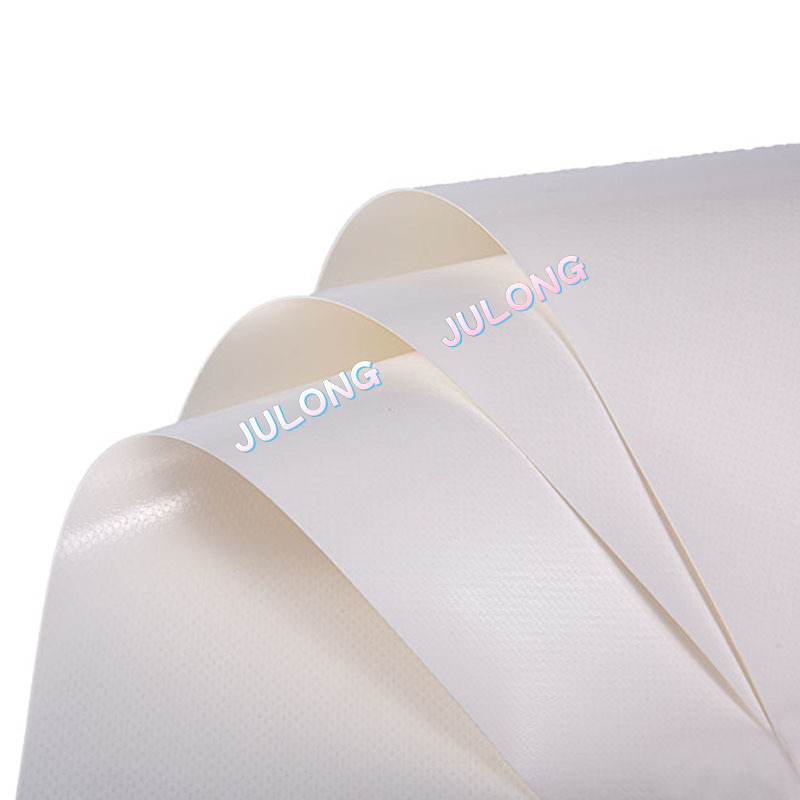
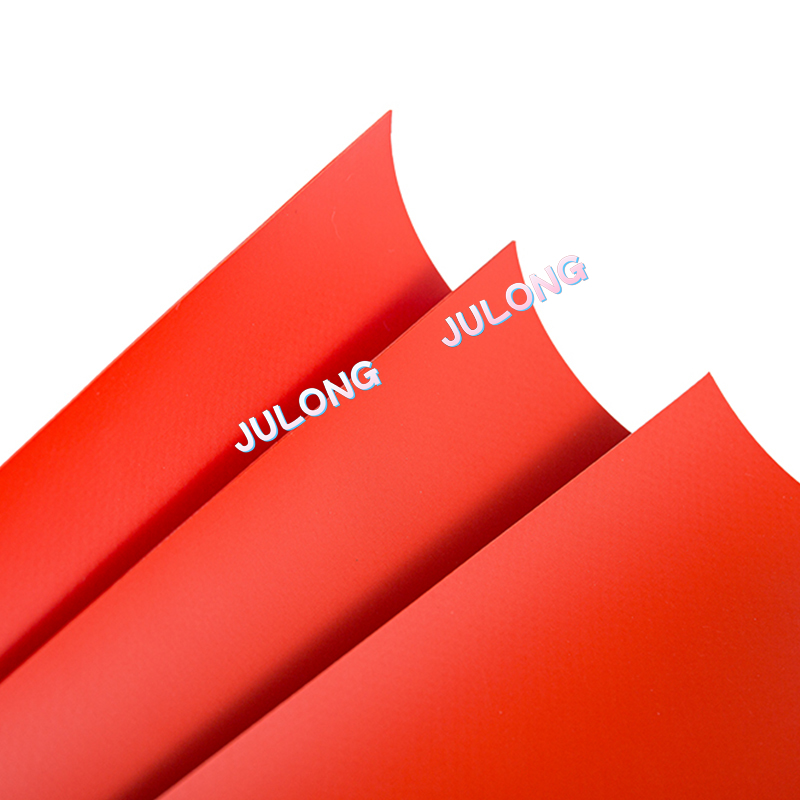
The coating does more than make the fabric waterproof. PVC gives the fabric flexibility, weldability, and resistance to moisture. A PVDF top coat adds protection against UV light and atmospheric pollutants, and it reduces dirt accumulation. Acrylic finishes are lighter and less expensive, but they have a shorter exposure life in harsh sun. For permanent fabric canopy structures, a PVDF or acrylic surface finish on a PVC-coated polyester base is usually the most cost-effective way to get both performance and longevity.
Weight is a useful shorthand, but it is not the only criterion. A 650 g fabric may work perfectly for a small marquee, while a permanently tensioned canopy usually needs at least 1100 g. The base polyester scrim determines the tear strength, so two fabrics with the same total weight can perform very differently. Always compare tensile strength, tear strength, and dimensional stability in both warp and weft directions. If you are new to the selection process, the notes in our guide on choosing PVC architectural membrane cover the main parameters in more detail.
Outdoor canopies face direct sun for most of their service life. UV stabilizers in the coating prevent embrittlement, fading, and surface cracking. A quality architectural membrane should retain a high percentage of its original tensile strength after years of exposure, with the exact number depending on climate and coating type. Coastal salt and industrial pollution are often harder on the fabric than simple UV exposure, so consider the actual site environment when selecting a top coat.
Building codes require fabric canopy structures to meet local flame-spread standards. Most PVC-coated polyester fabrics can be formulated to pass NFPA 701, EN 13501-1, or similar requirements. Fire performance depends on the coating formula, not on the fabric color or finish. State the required standard in your specification and request the corresponding test certificate before approving a material.
The same fabric can perform very differently under different structural conditions. Understanding the design factors helps you communicate with the architect, engineer, and fabricator.
Because fabric canopies are lightweight, wind uplift is often the governing load. The membrane must be pre-stressed enough to avoid flapping, and the steel or cable system must transfer those forces to the foundations. Snow is less of an issue on steeply curved tensile shapes, but shallow or flat canopies can hold snow and need a heavier fabric or additional drainage. Use local climate data to set realistic design loads.
Water pooling is the most common cause of premature fabric failure. A fabric canopy must have positive slopes to controlled drain points, and edge details should prevent water from collecting in pockets or around bolt holes. High-frequency welded seams are standard for architectural membranes. Stitching is generally avoided because needle holes create paths for water intrusion and can reduce seam strength.
With good design, a PVDF-coated membrane can provide 15-20 years of service before the top coat needs attention. Routine maintenance is simple: remove debris, wash with mild soap and water, and inspect seams and attachments once a year. One of the advantages of a fabric canopy structure is that the membrane can often be replaced without replacing the steel frame, which extends the useful life of the whole system.
A practical specification keeps the design intent clear and reduces the risk of receiving a material that is not suitable for the project. The following steps work for most commercial and industrial canopy projects.
Because we manufacture PVC-coated fabrics and architectural membranes, we can provide the data sheets and sample swatches needed at each step. That conversation is most useful when the design loads and code requirements are already defined.
Fabric canopy structures are an efficient way to create shade, define space, and reduce the environmental load of a building. The membrane is not a decorative afterthought; it is the main structural element that interacts with wind, sun, and water. By selecting the right type of canopy, specifying a tested membrane, and confirming the edge and seam details, a project can deliver exactly the architectural effect intended and still be in service decades later. When in doubt, ask the fabric manufacturer to review the loads and the proposed membrane before finalizing the contract.
Win-win cooperation with new and old customers, create the future.

No. 9, Xingang Avenue, Ningguo City, Anhui Province, China.


+86 15397280550
Copyright © Anhui Longsheng New Material Technology Co., Ltd. Architecture Membrane Material Manufacturers Outdoor PVC Waterproof Fabric Supplier
