
 English
 عربى
عربىTarp for Truck Cover




Content
When you specify a roof for a sports arena or a canopy for a transit hub, the material that spans the space is not ordinary canvas. It is an architectural fabric: a precise composite of high-tenacity polyester and polymer coatings engineered to carry load, shed rain, resist UV light, and stay stable for decades. The right choice depends on the structure type, the expected loads, and the local climate. This guide gives you the practical selection framework that manufacturers use when quoting membrane materials for different building types.
Architectural fabric is a coated textile used as a structural skin in buildings. The base is a woven polyester fabric that provides tensile strength and dimensional stability. The coating is typically PVC, which can be modified with PVDF or acrylic topcoats to improve weatherability, self-cleaning, and translucency. The result is a lightweight membrane that can span areas without heavy steel beams.
Unlike a tarpaulin, architectural fabric is specified by engineering properties: breaking strength, tear resistance, weld strength, and life expectancy after UV exposure. The coating not only protects the fibers but also defines how the membrane handles dirt, sunlight, and moisture. For a deeper look at how PVC architectural membrane is made and classified, you can read this basic introduction of PVC architectural membrane.
There are three general structure forms that use architectural fabric: tensile, air-supported, and frame. Tensile structures rely on the fabric itself to create the roof shape through tension, with no internal columns. Air-supported structures use internal air pressure to hold the fabric up, creating a large clear-span enclosure. Frame structures use a rigid steel framework to support a fabric skin, combining architectural impact with efficient fabrication.
Each structure form places different demands on the membrane. Tensile and air-supported applications often require heavier fabric weights and high weld strength. For these projects, a high-weight PVDF architectural membrane is a frequent specification because it offers a good balance of strength, weldability, and long-term UV performance.
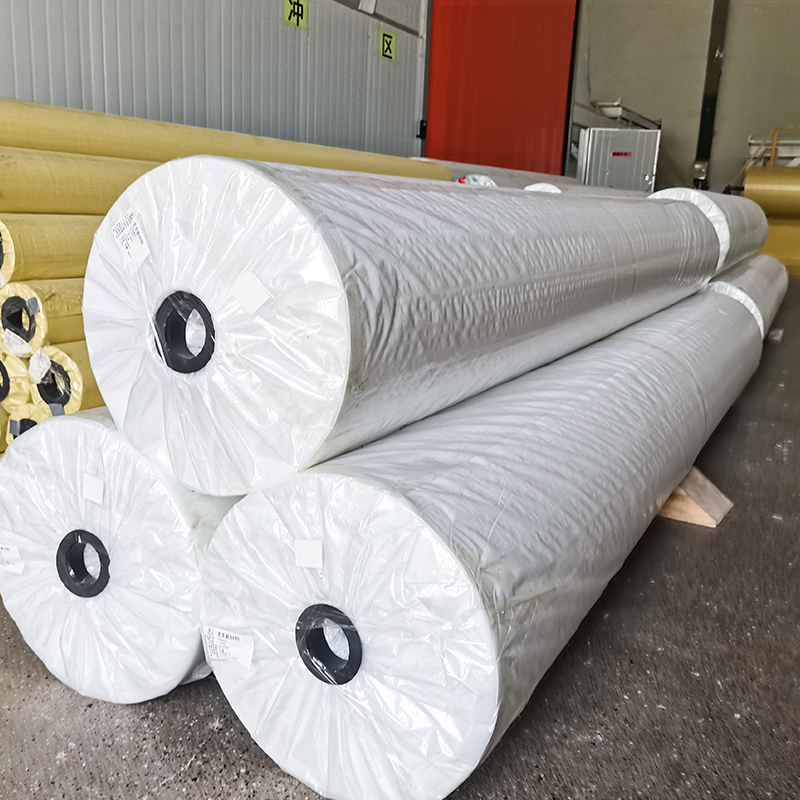 1250g PVDF Architectural Membrane for Large-Span StructuresThis heavy-duty membrane offers high tensile strength above 7000N/5cm and excellent UV resistance, making it suitable for large-span buildings in coastal or desert areas with strong winds.View Product →
When comparing coated fabrics, you should look at the whole specification, not just the price. The fabric weight, expressed in grams per square metre, is the most obvious indicator of strength. Typical architectural membrane weights range from 950g to 1250g, with heavier membranes selected for longer spans and higher wind loads. The coating type also matters: PVC with a PVDF top layer resists UV degradation and dirt adhesion better than a plain PVC finish.
Tensile and tear strengths are the direct result of both the polyester weave and the coating compound. A fabric that cannot be welded reliably will fail at the seams before it breaks in the field. Fire retardancy and translucency requirements may also restrict your material palette. In mixed-use projects, a lighter membrane can be used for awnings and secondary covers, while main roofs need heavier sheet weights.
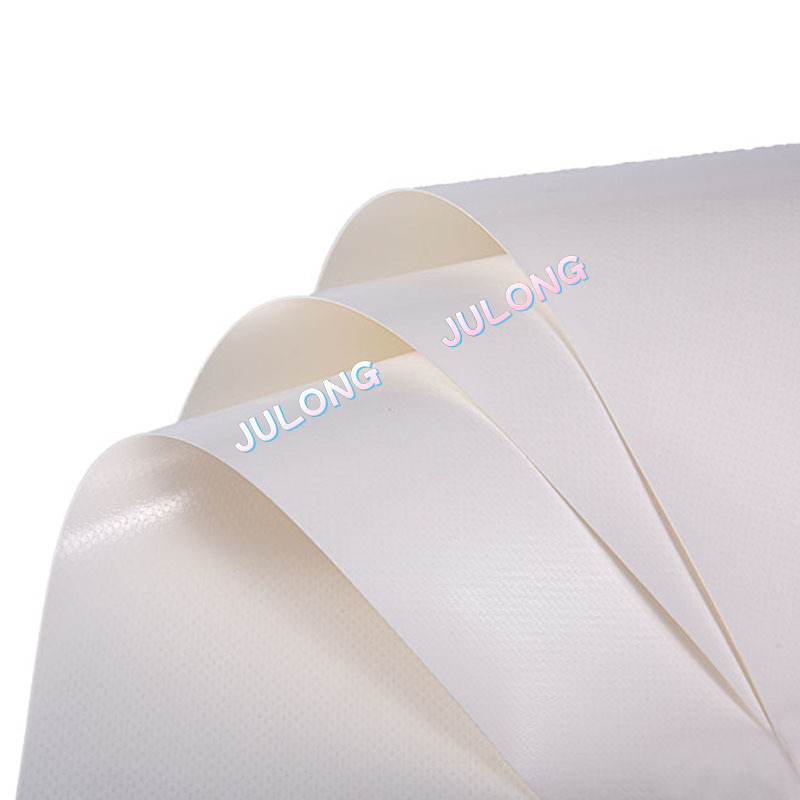
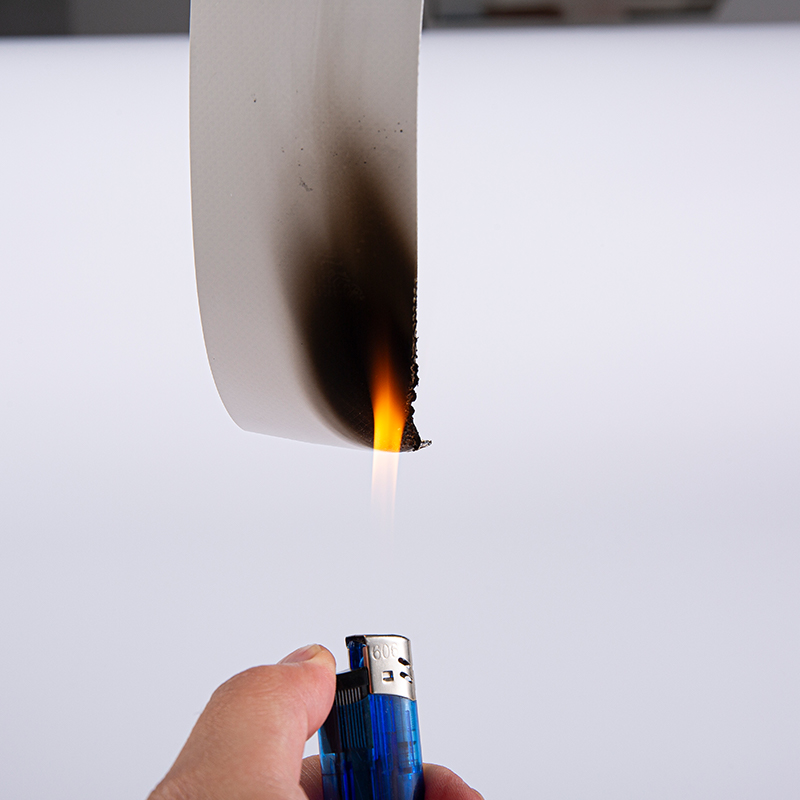 1100g PVDF Tensile Membrane Fabric with Enhanced Self-CleaningA snow-white fabric with superior self-cleaning properties and high strength, ideal for projects where long-term aesthetic appeal and durability in humid environments are key.View Product →
Choosing a fabric for a specific building is a step-by-step decision, not a guess. Use the following checklist to narrow your material options:
After you complete this checklist, confirm the material family with a supplier that can execute large-scale production. For projects that need a lighter, more economical membrane with good acrylic weatherability, a 950g PVDF and acrylic building membrane material can be a sensible choice.
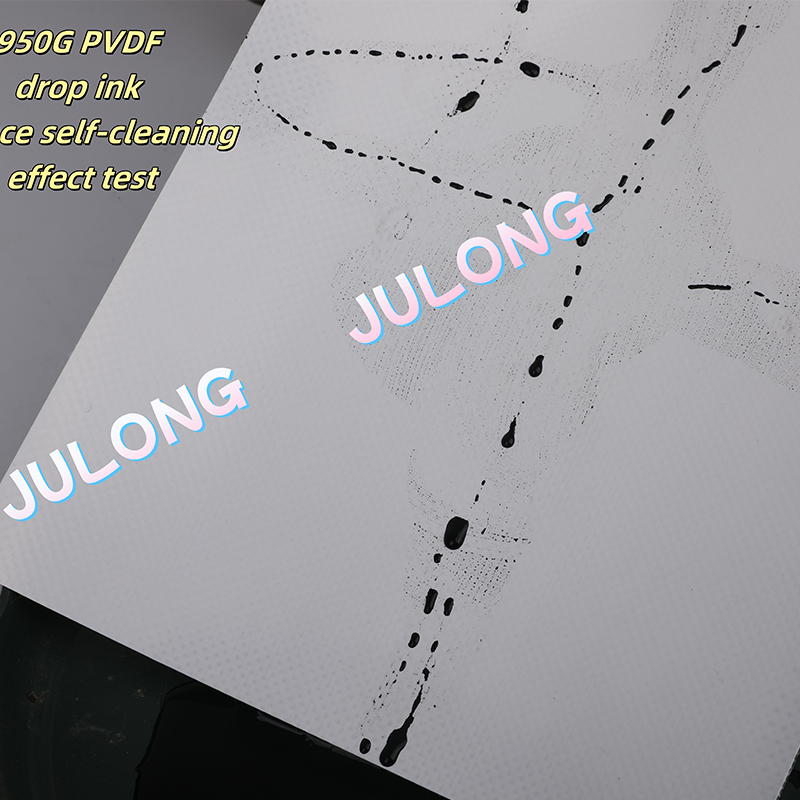 950g PVDF and Acrylic Membrane for Lightweight ApplicationsA lightweight, economical membrane with good self-cleaning and anti-mold performance, well-suited for smaller structures like carports, sunshades, and landscape pavilions.View Product →
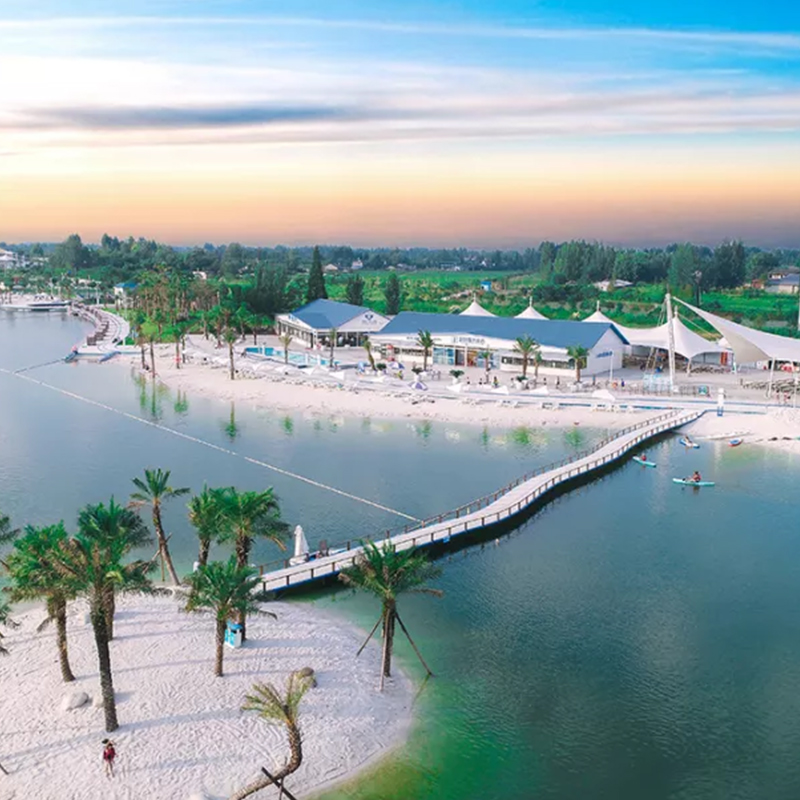
Architectural fabric is used in project types that require large open spaces, fast construction, and expressive forms. Common examples include stadium roofs, airport terminals, exhibition halls, covered walkways, carports, and landscape pavilions. Air-filled membrane buildings for sports or logistics also depend on airtight coated fabrics with high weld strength.
The reason membrane structures can cover such wide spans without internal columns is the way tension distributes load across the surface. You can read about this principle in our article on why membrane structures are able to achieve large spans without internal support columns or walls. In warmer climates, translucent fabrics reduce artificial lighting loads while screening direct sunlight. In colder regions, insulated versions or double-layer membranes improve thermal performance.
Specifying architectural fabric is a decision that involves both performance and service life. Do not judge a membrane by its appearance alone. Request a data sheet that lists tensile strength, tear resistance, UV resistance, and weld strength, then ask the manufacturer for large-scale production samples. A well-paired coated fabric should work for twenty to thirty years under normal conditions, provided the detailing and maintenance are correct.
When you are ready to discuss a specific project, share your span, site conditions, and local code requirements. The right supplier will help you choose a fabric weight and coating combination that fulfils your design goals without overspending. The goal is not to pick the heaviest membrane; it is to pick the membrane that fits the real engineering and environmental needs of your building.
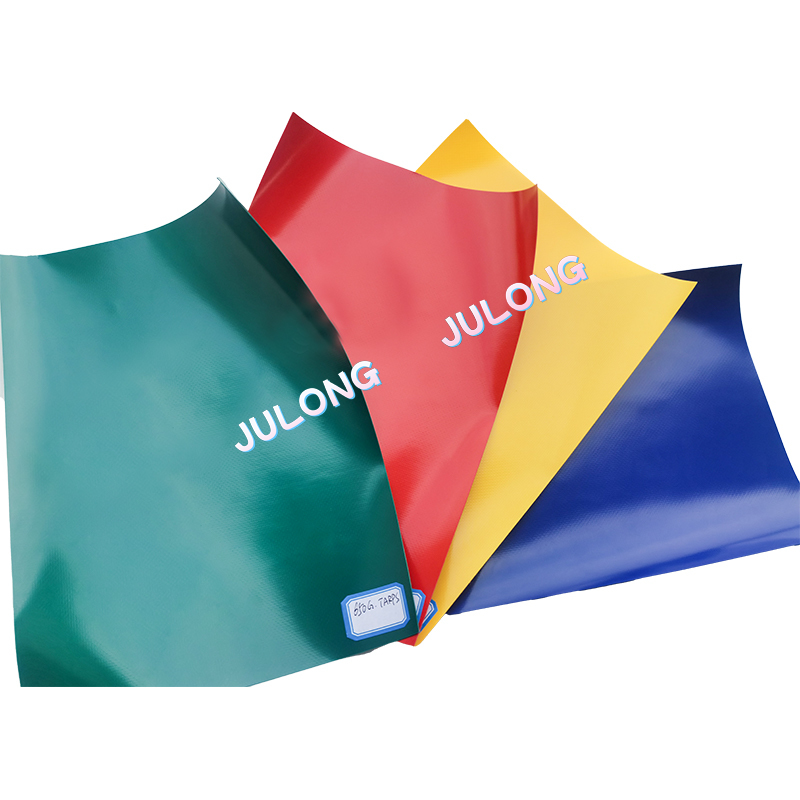
Win-win cooperation with new and old customers, create the future.

No. 9, Xingang Avenue, Ningguo City, Anhui Province, China.


+86 15397280550
Copyright © Anhui Longsheng New Material Technology Co., Ltd. Architecture Membrane Material Manufacturers Outdoor PVC Waterproof Fabric Supplier
