
 English
 عربى
عربىTarp for Truck Cover




Content
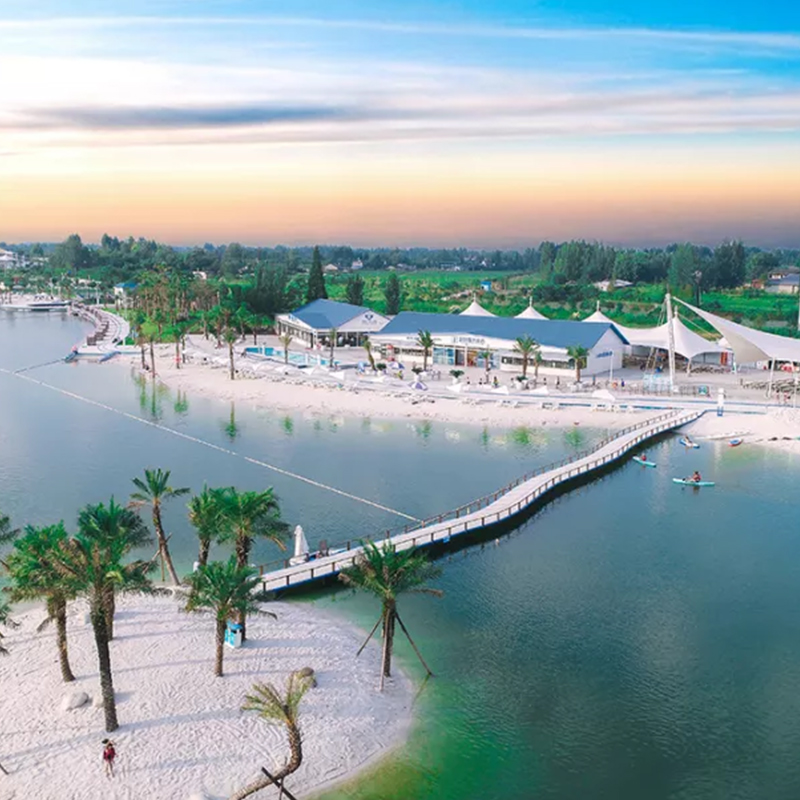
A tensile architecture membrane is a thin, flexible fabric material stretched under tension to form a structural surface, rather than relying on rigid beams or columns to hold its shape. Unlike conventional roofing systems that resist loads through bending strength, tensile membranes carry loads purely through tension, meaning the fabric is pulled taut between anchor points, masts, or cables until it achieves a stable, double-curved surface. This approach allows architects to cover large spans with relatively little material, creating lightweight roofs for stadiums, airports, exhibition centers, and public plazas that would be far heavier and more expensive to build using traditional construction methods.
The defining principle behind every tensile structure is double curvature, sometimes called anticlastic curvature. This means the membrane curves upward in one direction and downward in the perpendicular direction at the same point, similar to the shape of a saddle. This geometry is essential because a single-curved fabric surface, like a flat sail, has no resistance to wind flutter or deformation under load. When a membrane is shaped with opposing curves and pre-tensioned during installation, any external force such as wind or snow is distributed evenly across the fabric rather than concentrated at a single weak point.
Pre-tension is applied to the membrane during installation, stretching it to a specific stress level before it ever experiences an external load. This initial tension gives the structure its stiffness and shape-holding ability. Without sufficient pre-tension, the fabric would sag, flap in the wind, and eventually fatigue at the seams and connection points.
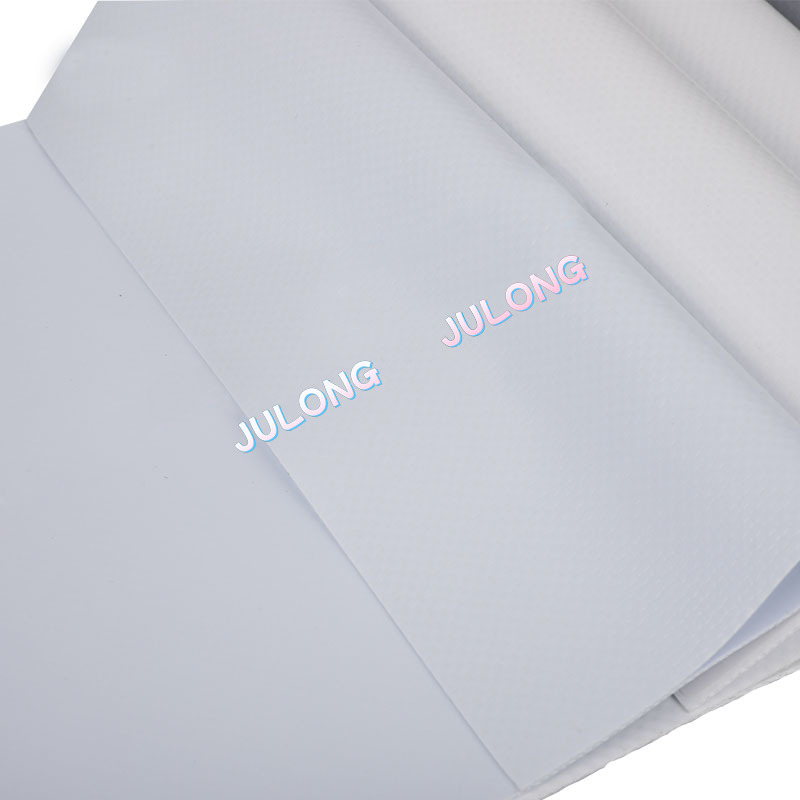
Masts, compression rings, and steel cables work together with the membrane to transfer loads safely into the foundation. Masts push the fabric upward to create high points, cables define the low points and edges, and the foundation anchors resist the outward pulling forces generated by the tensioned membrane. This balance between tension in the fabric and compression in the supporting elements is what allows tensile structures to remain stable across large, column-free spans.
The performance and lifespan of a tensile structure depend heavily on the membrane material selected. Most architectural membranes fall into a few well-established categories, each suited to different budgets, climates, and design goals.
| Material | Typical Lifespan | Best Suited For |
| PVC-Coated Polyester | 15–20 years | Temporary and mid-term structures |
| PTFE-Coated Fiberglass | 30+ years | Permanent landmark structures |
| ETFE Foil | 25–30 years | Transparent roofing, greenhouses, facades |
| Silicone-Coated Fiberglass | 25+ years | Translucent, high-durability applications |
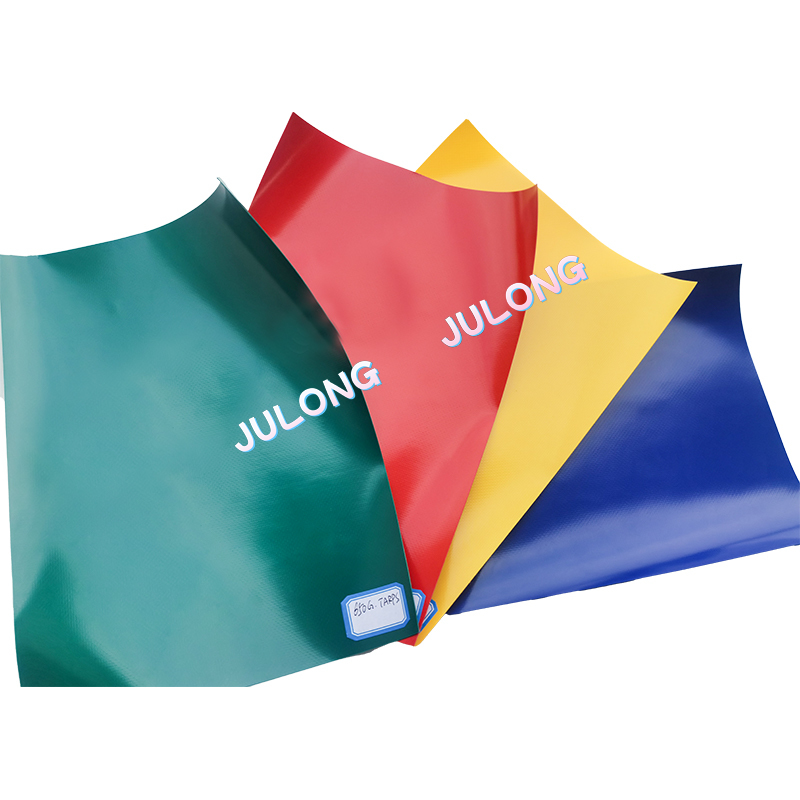
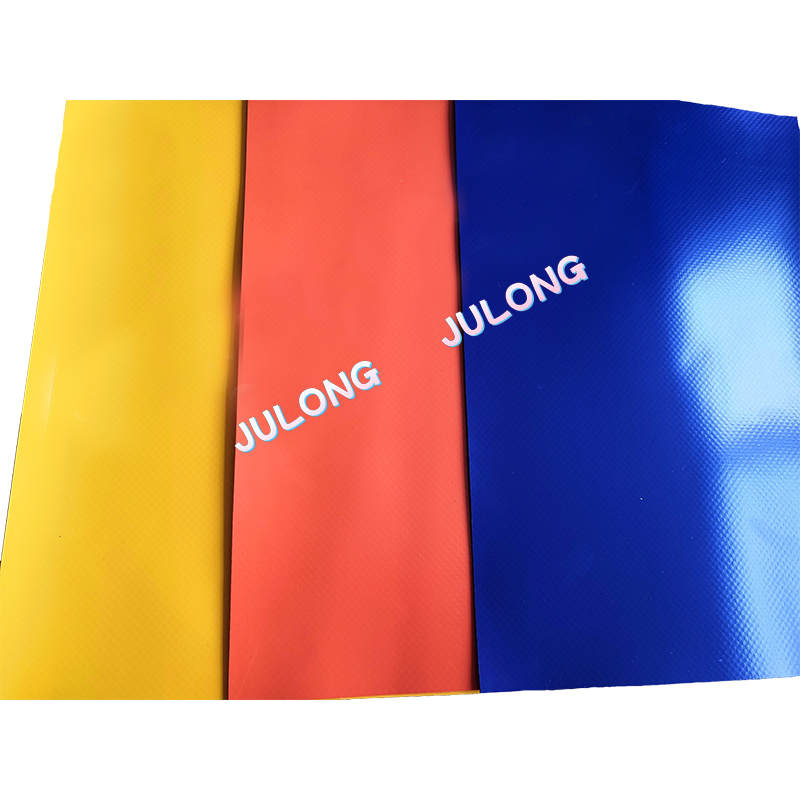
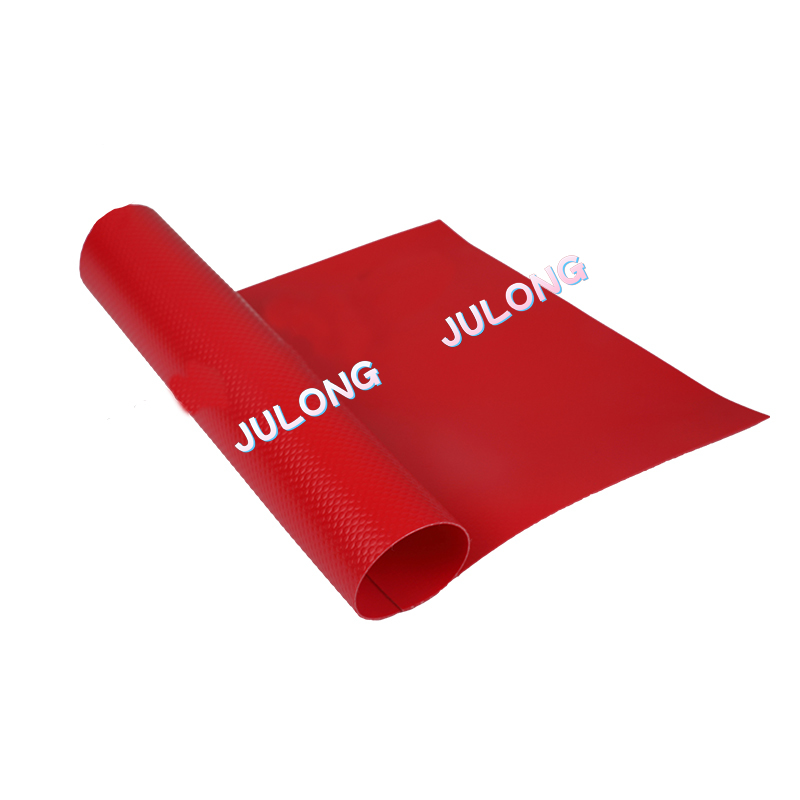
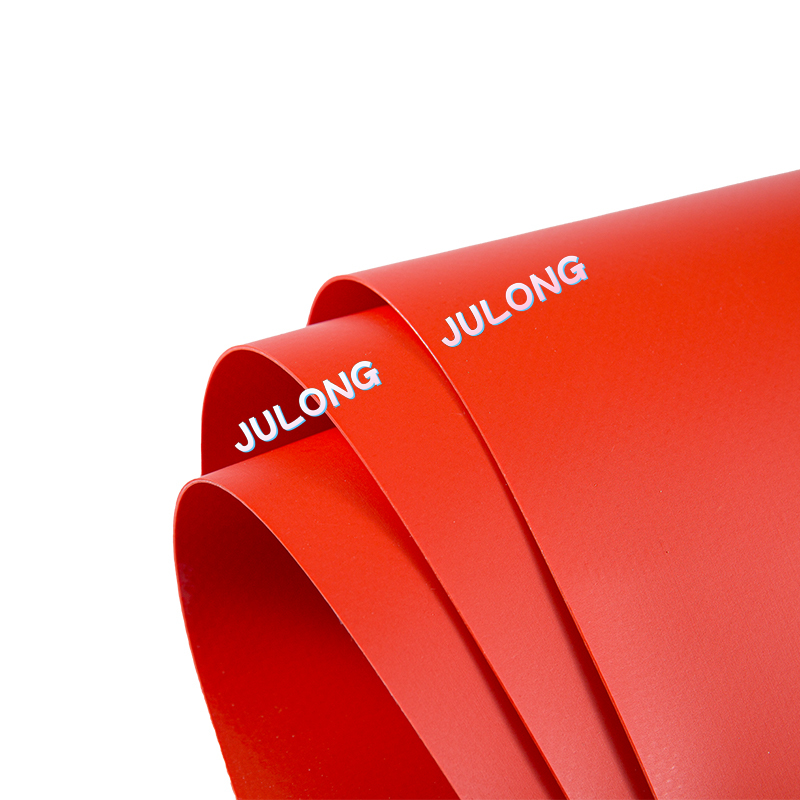
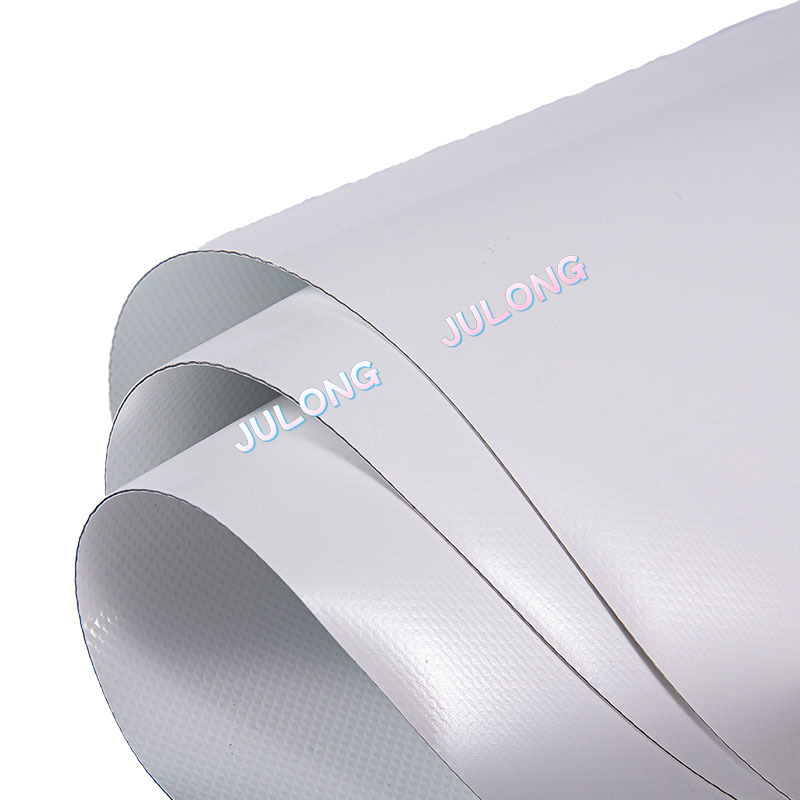
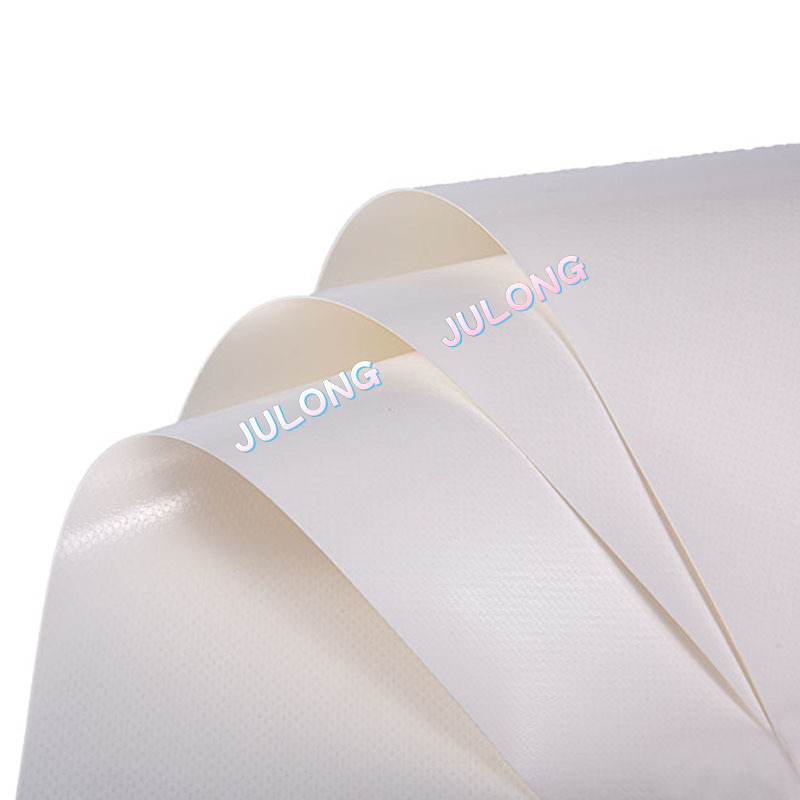
PVC-coated polyester remains the most cost-effective and widely used option, offering good strength and flexibility for a moderate price, making it popular for event canopies, retail canopies, and mid-span roofs. PTFE-coated fiberglass, by contrast, is prized for its exceptional durability, self-cleaning surface, and resistance to UV degradation, which is why it appears in iconic long-span structures intended to last several decades with minimal maintenance. ETFE foil, a lightweight and highly transparent alternative, is increasingly chosen for facades and roofs where daylight transmission is a priority, such as greenhouses, aquariums, and sports venues.
Tensile membranes are typically arranged into a handful of recognizable structural forms, each offering different spanning capabilities and visual character.
Conic structures use a central mast to pull the membrane into a cone shape, commonly seen in standalone canopies and shade structures. Hyperbolic paraboloid, or hypar, forms create the classic saddle shape between four support points and are often used for smaller pavilions and entrance canopies due to their elegant, sculptural appearance.
Ridge and valley configurations alternate high ridge cables with low valley cables across a repeating pattern, allowing the structure to span much larger areas such as stadium roofs and exhibition halls. This modular approach makes it easier to scale tensile roofs to cover vast spaces while still maintaining structural efficiency.
Designing a tensile structure requires close collaboration between architects and structural engineers from the earliest stages, since the final shape of the membrane cannot be arbitrarily chosen the way a flat roof can. Engineers use form-finding software to calculate a geometry that balances aesthetic intent with the physical requirement for double curvature and even stress distribution. Wind and snow load calculations are especially critical, as membrane structures respond dynamically to environmental forces in ways that rigid roofs do not.
Connection detailing at masts, cable clamps, and foundation anchors also demands precision, since these points concentrate significant structural forces. Poorly designed connections are one of the most common causes of premature failure in tensile membrane projects, making it essential to work with experienced fabricators who understand both the material properties and the installation tensioning process.
Tensile membranes generally require less maintenance than conventional roofing systems, but periodic inspection remains important to ensure long-term performance. Seams, cable connections, and anchor points should be checked regularly for signs of wear, corrosion, or loosening tension, since membranes can lose a small amount of tension over time due to material creep. Cleaning the membrane surface periodically helps preserve its appearance and light transmission properties, particularly for PTFE and ETFE materials that rely on a clean surface for their self-cleaning characteristics to function properly.
With correct material selection, sound engineering, and routine upkeep, tensile architecture membranes can deliver decades of reliable performance while offering a distinctive, lightweight aesthetic that few other structural systems can match.
Win-win cooperation with new and old customers, create the future.

No. 9, Xingang Avenue, Ningguo City, Anhui Province, China.


+86 15397280550
Copyright © Anhui Longsheng New Material Technology Co., Ltd. Architecture Membrane Material Manufacturers Outdoor PVC Waterproof Fabric Supplier
